
Japan
Tokyo
In 628, the story goes, two fishermen caught a golden statue of Kannon in what is now the Sumida River, and Senso-ji was founded for it. It is Tokyo's oldest temple, rebuilt since the Second World War destroyed it, and the way up from Asakusa Station is Nakamise, a street of some ninety shops selling crafts and snacks. Asakusa and the old town, with Ueno's museums in the same corner, is the shitamachi, the low town, older than the rest of the city and with fewer of its newer hotels.
The other three areas hang off the Yamanote line, a 34.5-kilometre railway loop round the city's core. Central Tokyo, on its eastern edge, is the one for a first visit: the grandest hotels stand along the Imperial Palace moat, and Tokyo Station is 20 to 30 minutes from Haneda by monorail or the Keikyu Line. Shibuya and Shinjuku, on the western arc, is the glass and neon side of town, for staying close to the nightlife and the trains. Roppongi and the bay, on the hills south of the palace, has the embassies and the art museums, and most of the tables worth crossing town for.
The weeks to aim for are mid-April to early May and late October to mid-November, the mildest of the year, and neither is timed for the trees. The cherry blossom comes earlier, in late March or early April, on a date that moves every year and that the forecasts disagree about, so a flight booked for it is a bet. The maples turn later, from late November into early December. The rainy season runs from early June into mid-July, then July and August bring highs in the 30s and nights in the mid-20s, with typhoons at their peak in August and September. Winter is cool, around 10°C by day, and snow rarely settles.
Start in the Imperial Palace East Gardens, five minutes' walk from Otemachi Station, on the old grounds of Edo Castle, where the stone base built for the main keep still stands, about eleven metres high, with nothing on it but visitors. Ginza is next, Mitsukoshi and Wako facing each other across the 4-chome crossing, then lunch at Ginza Kyūbey Honten, whose founder invented the sea-urchin gunkan-maki. South of the palace, teamLab's digital art has left Odaiba for Azabudai Hills, but the Yurikamome still runs out there from Shimbashi, over Rainbow Bridge. Odaiba began in the Edo period as a string of fort islands built to guard Tokyo Bay, and the bay is now watched over by a replica of the Statue of Liberty, put up in 1998 for the French Year in Japan.
- Best months
- mid-April to early May, and late October to mid-November
- Avoid
- July and August, for the heat and humidity; typhoon season peaks in August and September and runs into October
- Nearest airport
- Haneda (HND), closer to central Tokyo; Narita (NRT), the main long-haul gateway, further out
- Transfer
- about 20 to 30 minutes by monorail or the Keikyu Line from Haneda to Tokyo Station; about 60 minutes by Narita Express, or 45 minutes by Skyliner to Ueno, from Narita
Neighbourhoods
- Asakusa and the old town
Where to stay
5 hotels
5 hotels
 Grown-up
Aman Tokyo
££££Tokyo, Japan
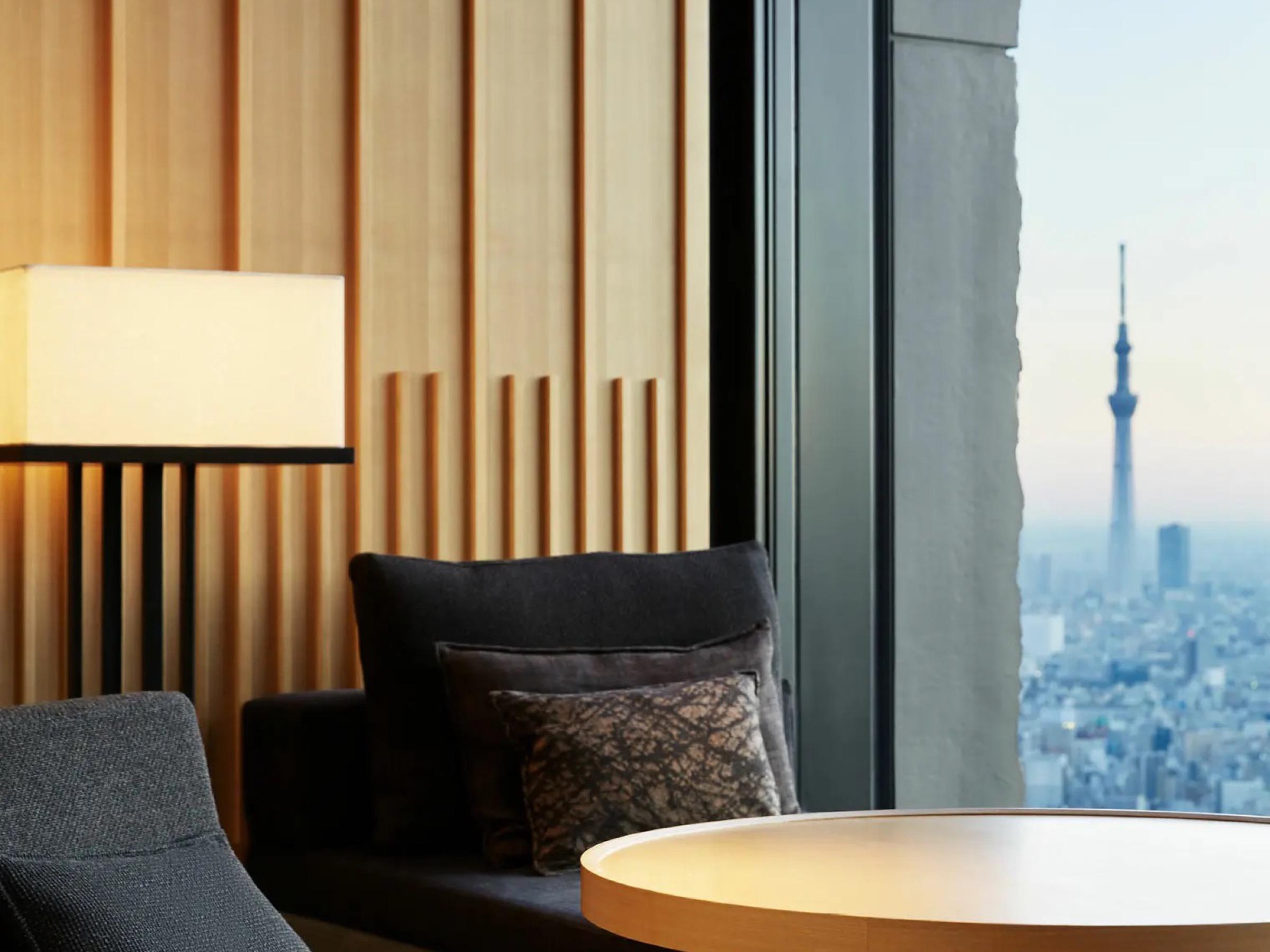
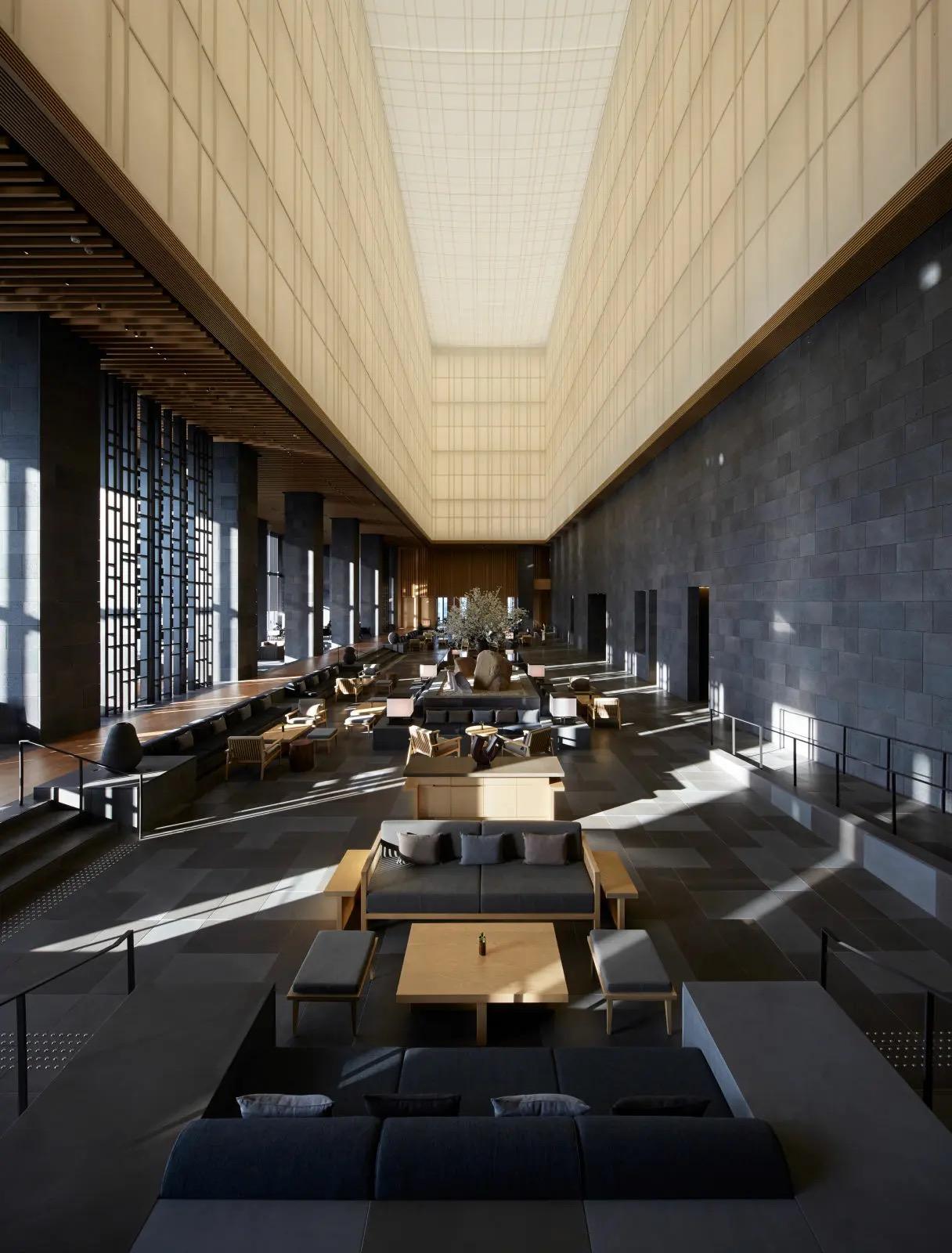
Stone furo baths in suites above the Imperial Palace gardens, with Mount Fuji out of the window on a clear day, at the top of an office tower in Otemachi.
 Grown-up
Hotel K5
££Tokyo, Japan
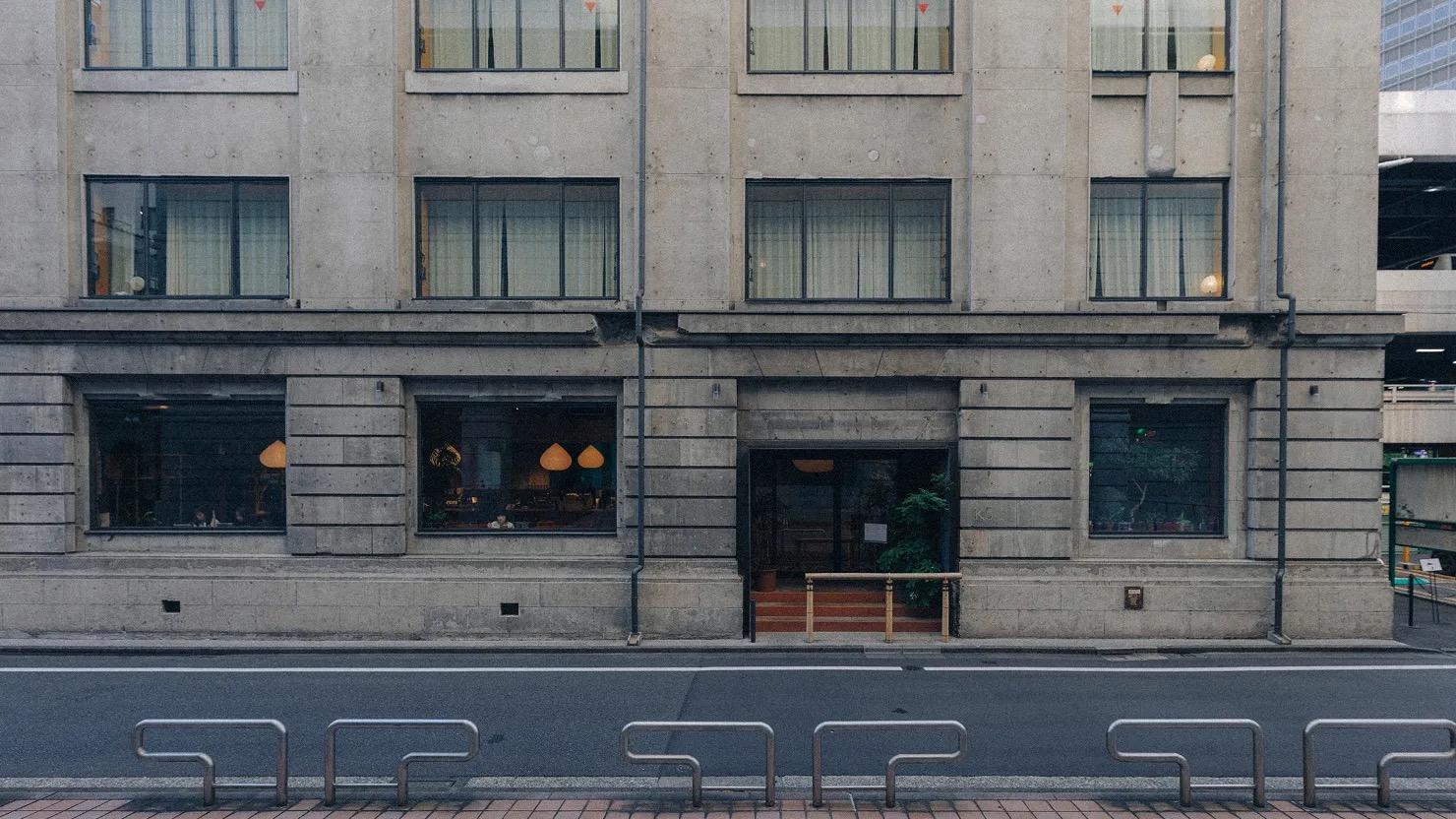
A record player in every room and indigo curtains drawn round the beds, in a 1923 bank annex at the back of the Tokyo Stock Exchange.
 Grown-up
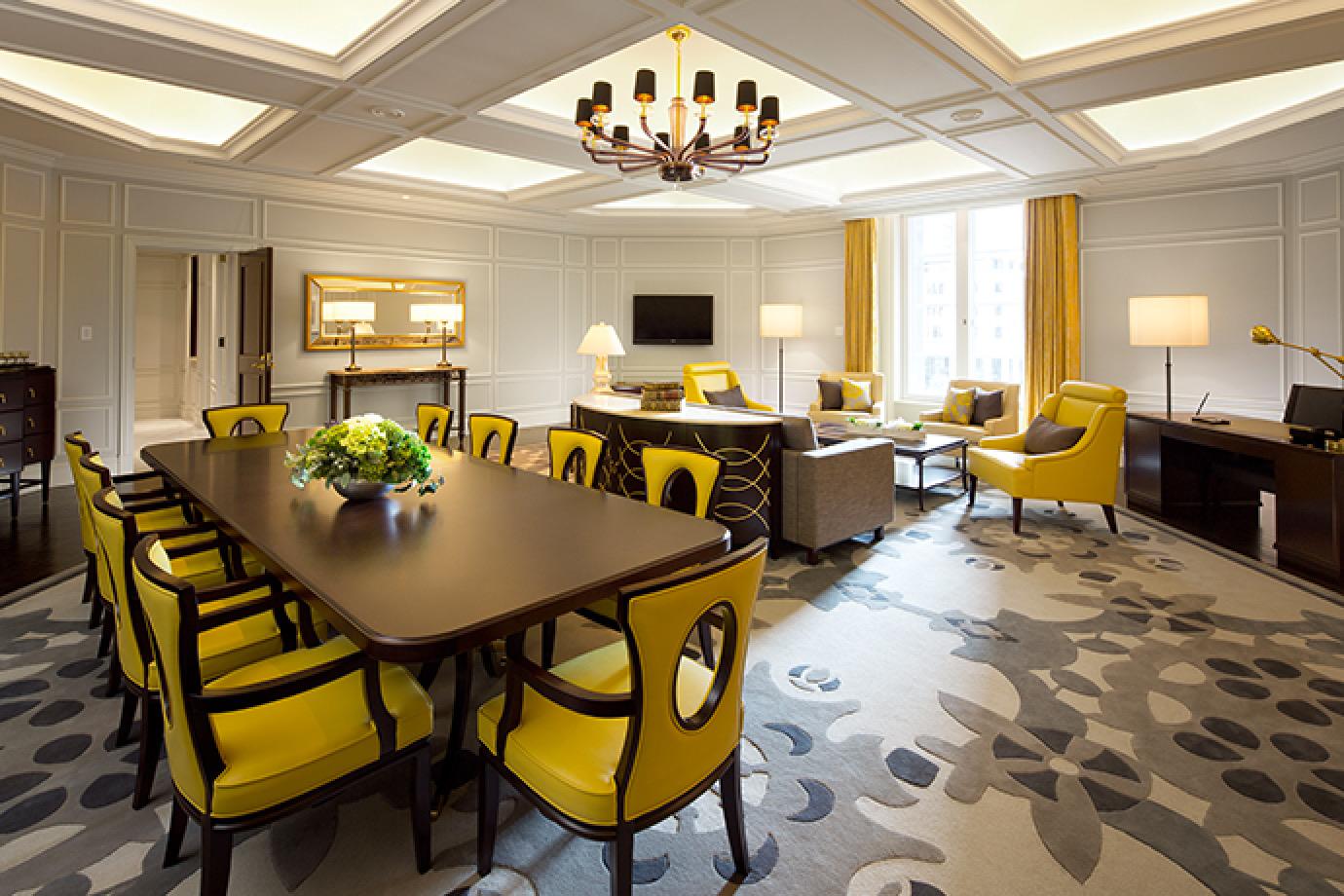
Palace Hotel Tokyo
£££Tokyo, Japan
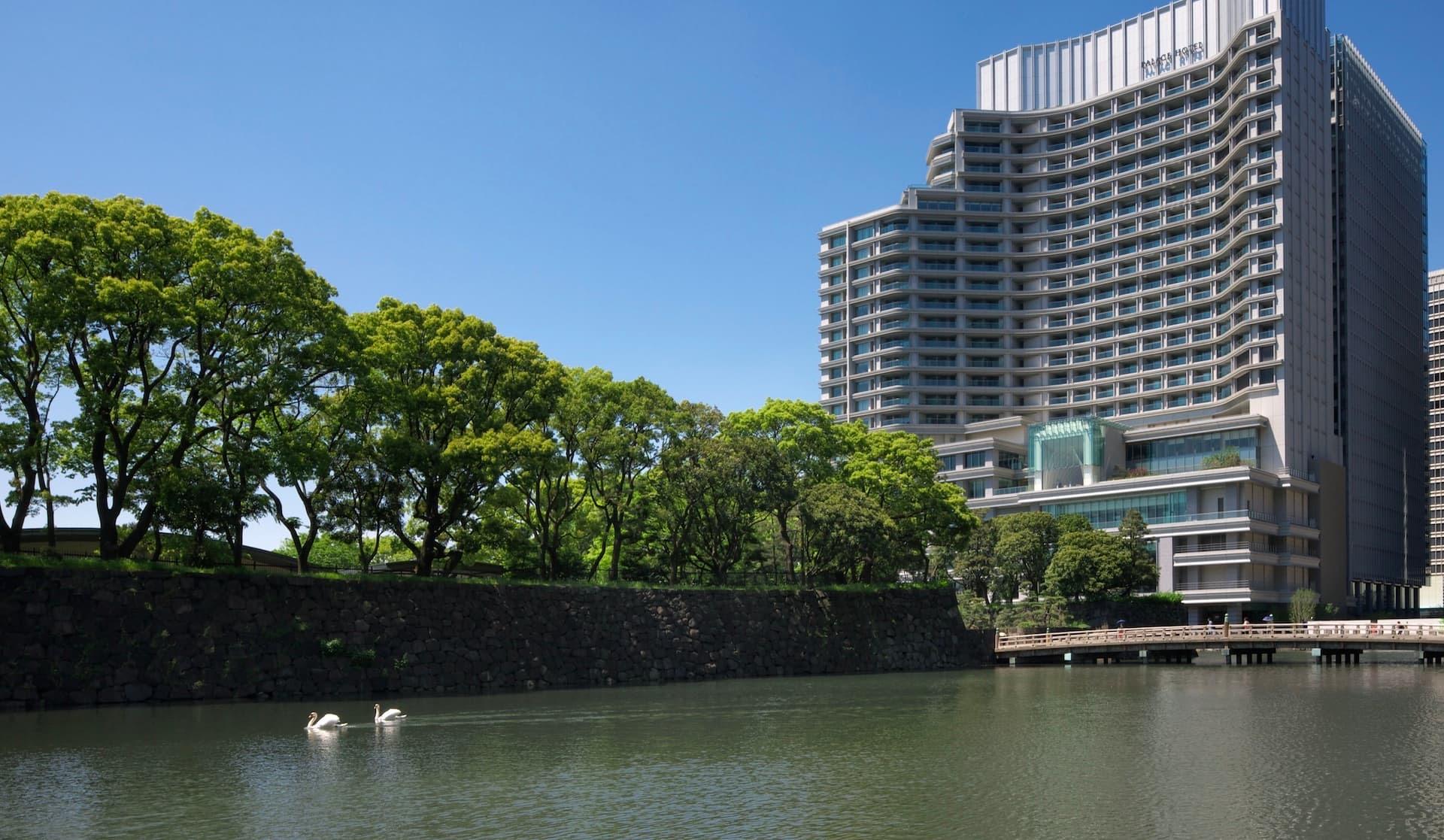
Across the moat from the Imperial Palace gardens, a Marunouchi hotel whose smallest room is 45 square metres and whose spa looks to Mount Fuji on clear days.
 Grown-up & family
The Tokyo Station Hotel
££Tokyo, Japan
Breakfast under a skylight in the roof of Tokyo Station, in the red-brick building where Matsumoto Seichō thought up a murder.
 Grown-up & family
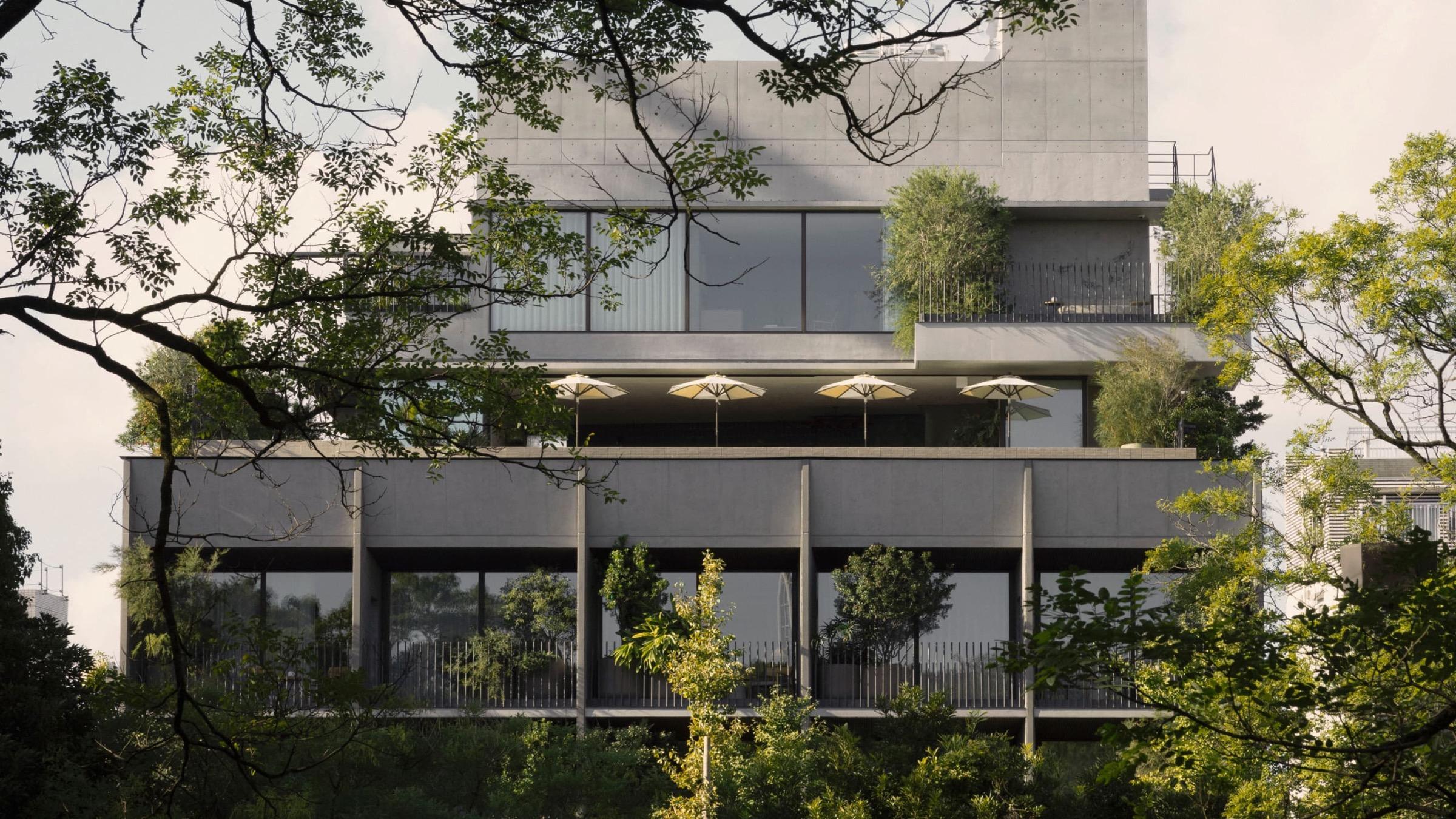
Trunk(Hotel) Yoyogi Park
£££Tokyo, Japan
On a roof in Tomigaya, kept for the 25 rooms below, a heated infinity pool runs out to the treetops of Yoyogi Park.
Where to eat
3 restaurants
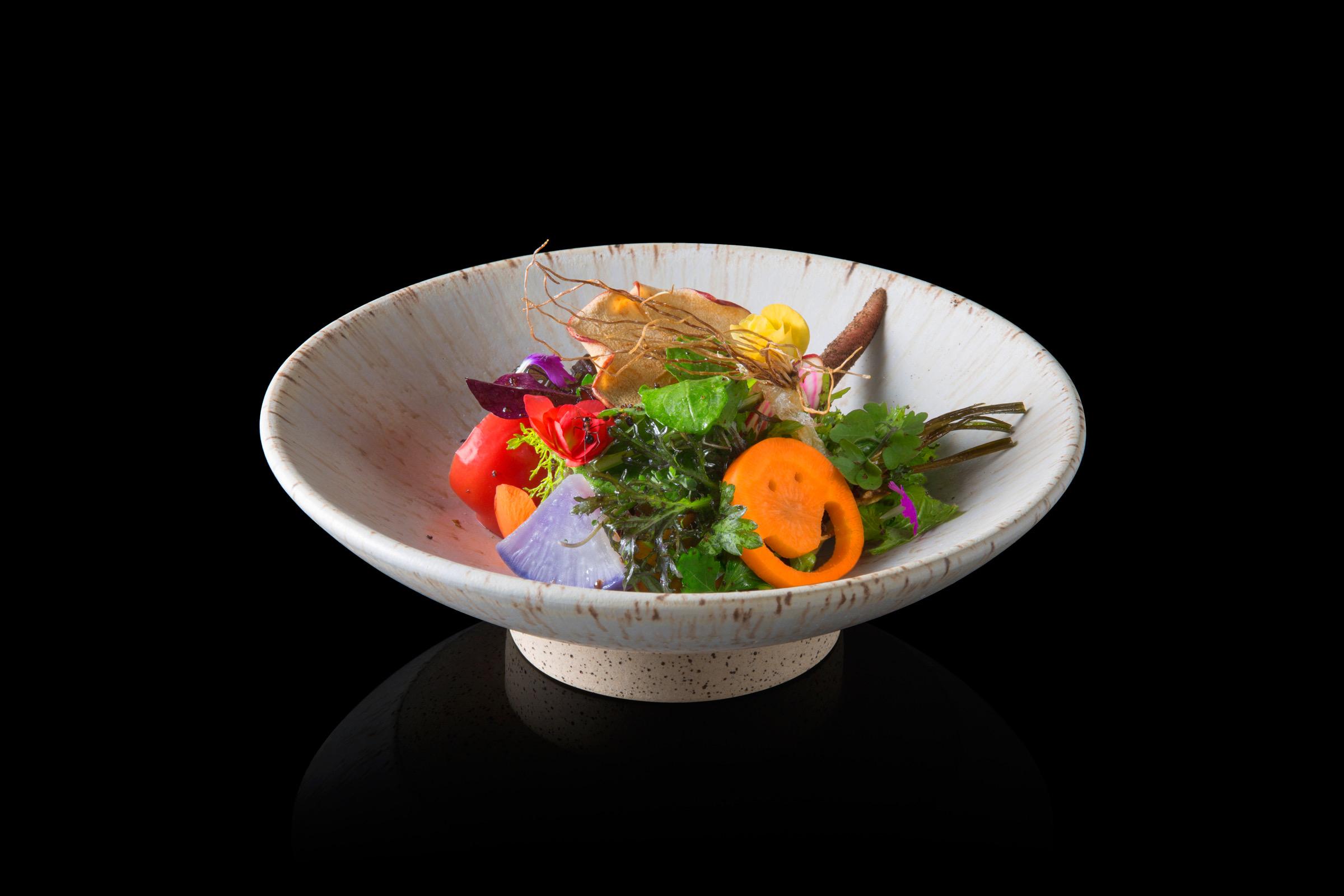
Den
Recommended
Shibuya and Shinjuku · Japanese, home-style kaiseki
Daily-changing kaiseki built around market vegetables, with a playful signature course of foie gras monaka and fried chicken.
Reviewed in the Michelin Guide
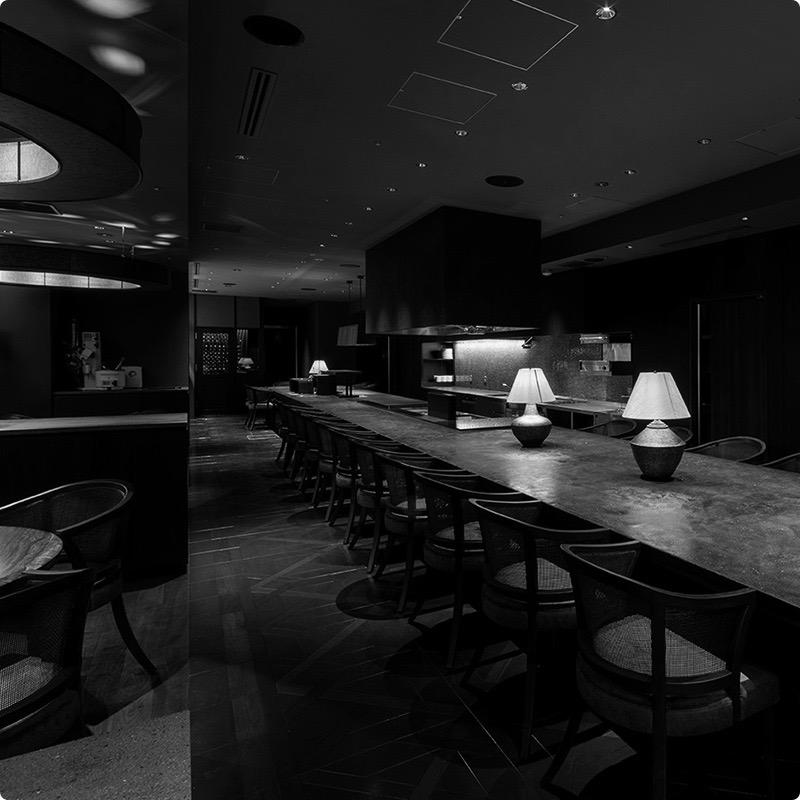
Florilège
Recommended
Roppongi and the bay · French, vegetable-led
Vegetable-led French tasting menus around a single long table shared with the kitchen's own staff.
Reviewed in the Michelin Guide
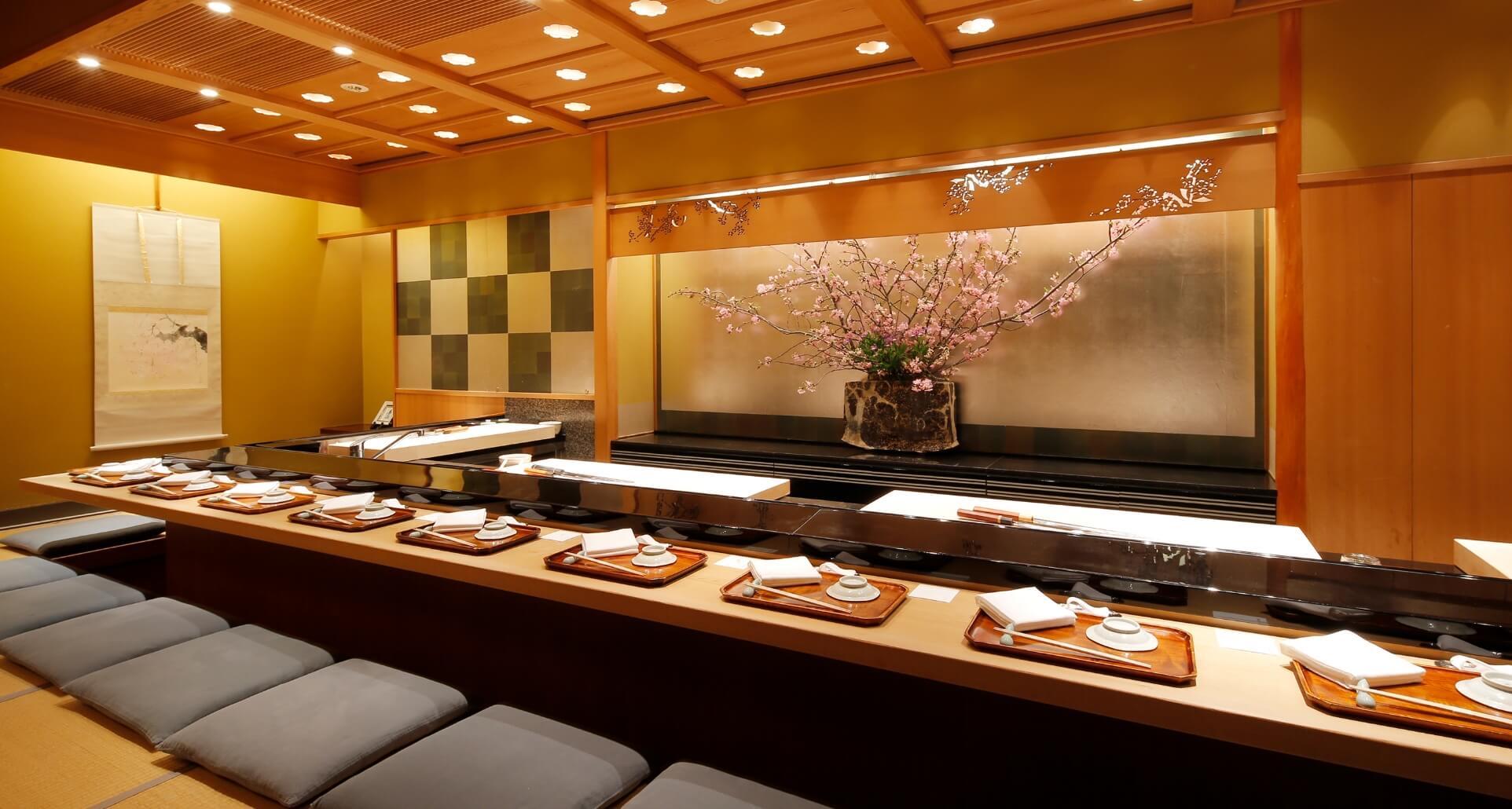
Ginza Kyūbey Honten
Recommended
Central Tokyo · Edomae sushi
Edomae sushi since 1935, served at the counter that invented the uni gunkan roll.
Reviewed in The Infatuation