United Kingdom
The Cotswolds
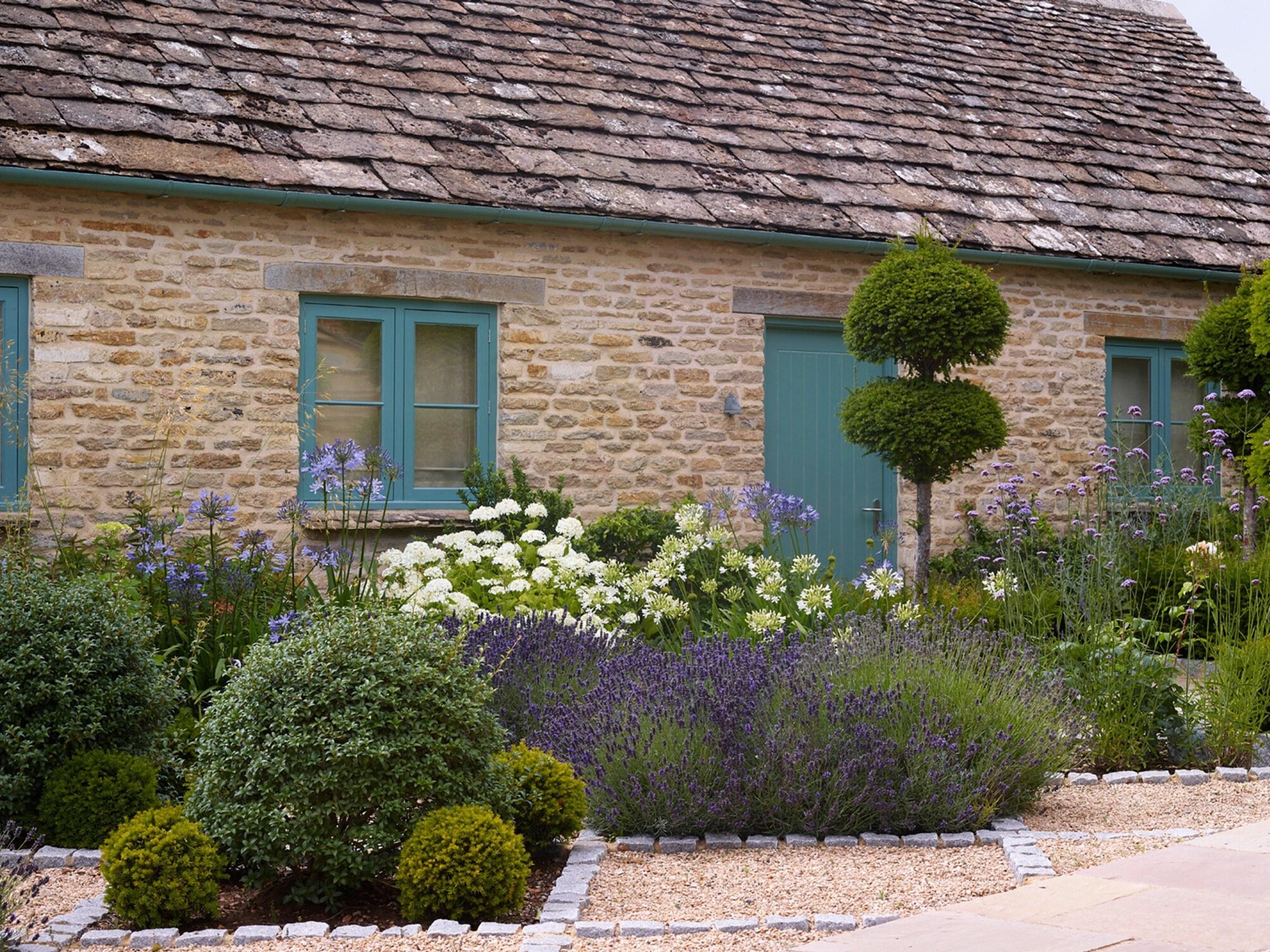
Most of what people come to the Cotswolds to look at was paid for in wool. The medieval trade put up the merchants' houses and the churches still called wool churches, all in Jurassic limestone, which weathers from honey to grey and leaves house and field wall the one colour. The land climbs out of the upper Thames meadows into the wolds the region is named for, then drops away at a steep escarpment over the Severn Vale. In 2023 its 790 square miles stopped being an Area of Outstanding Natural Beauty and became a National Landscape: a new name for the same view.
People come for the villages more than for any one sight, so where to sleep is the decision that matters. The ones most people picture, Bourton-on-the-Water and the Slaughters, are in the middle, along with the crowds that come of being pictured, and they are better walked through than stayed in. Kingham, in the east, is the corner for food, round Daylesford's farm, with its own station on the direct line to Paddington. Cheltenham, in the west, gives up some of the postcard for more restaurants and shops. The south, towards Bath, is quieter and more spread out than the north.
Come in May and June, or September and October, when it is mild and the crowds are thinner. In high summer the roads fill, the restaurants book out, and the villages that draw a crowd anyway feel it hardest. December and January are quiet for a reason: they are the coldest and wettest months, and the gardens that are much of the point close or cut back. Kiftsgate Court simply shuts, October to March.
Walk the 5.4-mile circuit from Bourton-on-the-Water through Upper and Lower Slaughter, and Bourton's model village is there at the end for anyone who found the full-size ones too busy. Daylesford's organic farm shop stands on the Bamford family's 2,500-acre farm near Kingham, and The Wild Rabbit cooks with what that farm grows. The Cotswold Way runs 102 miles from Chipping Campden to Bath; May and September are the months to walk it, or whichever stretch of it fits.
Bibury has drawn up to 20,000 visitors on a single busy weekend. Castle Combe, at the southern end, keeps coaches out of its centre altogether.
- Best months
- May to June and September to October
- Avoid
- December and January, the coldest and wettest months, when several of the gardens that are much of the draw are shut or cut back for the season
- Nearest airport
- Birmingham Airport (BHX) or Bristol Airport (BRS), the two nearest with regular flights; London Heathrow (LHR) is a longer-haul alternative. There is no airport inside the region itself.
- Transfer
- About an hour to an hour and a half by road from Birmingham or Bristol airports; about 90 minutes (65 miles) by road from London Heathrow.
Neighbourhoods
- Castle Combe and the Southern Cotswolds
Where to stay
5 hotels
5 hotels
 Grown-up & family
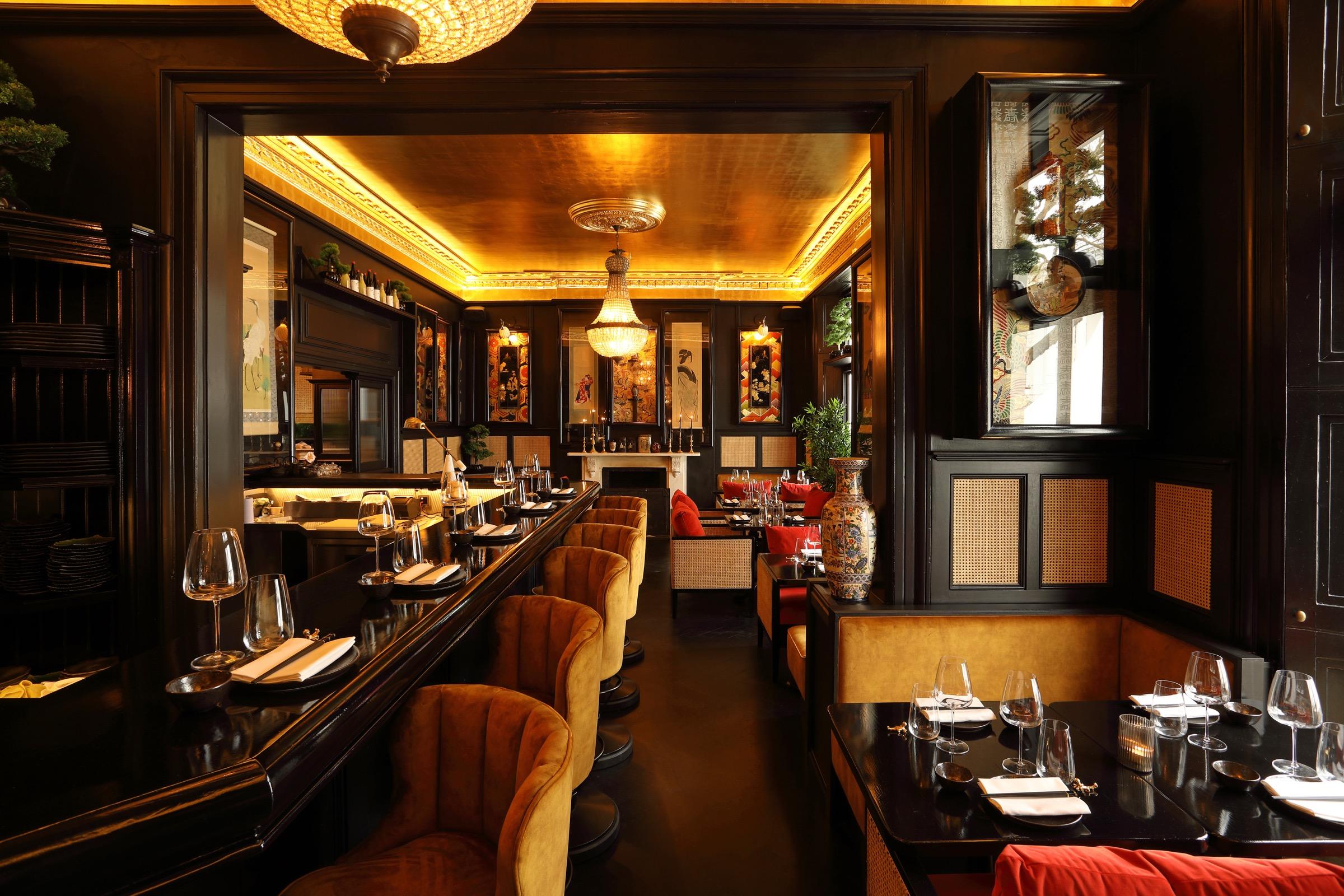
No 131
£The Cotswolds, United Kingdom
Three Georgian townhouses on Cheltenham's Promenade, with Hockney and Banksy on the walls and more than 400 gins poured until two in the morning on Fridays and Saturdays.
 Grown-up & family
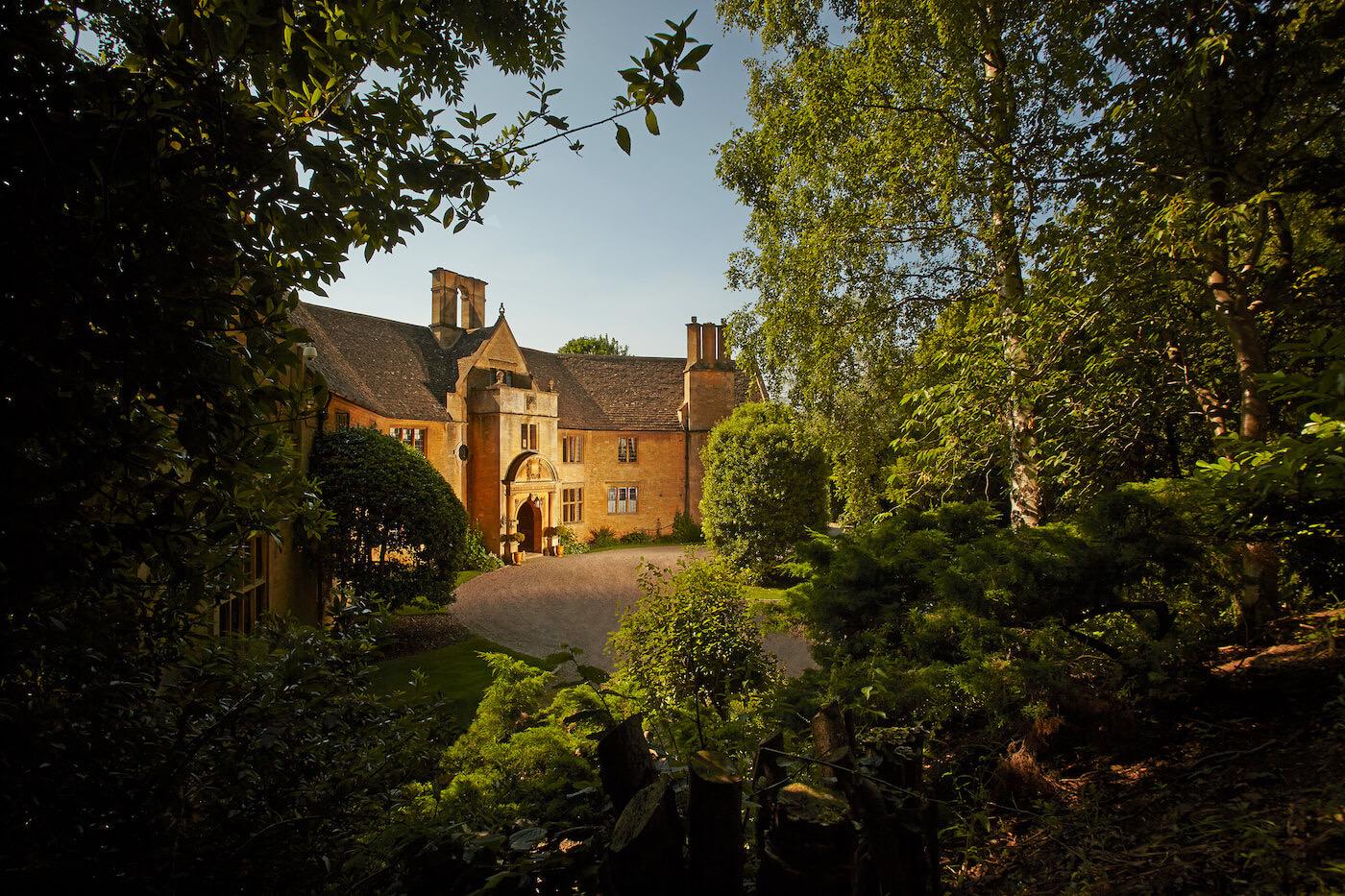
The Fish Hotel
££The Cotswolds, United Kingdom
Boaty McBoatface, an adults-only hut on the hillside above Broadway, comes with a lake of its own and a boat to paddle out to its island.
 Grown-up & family
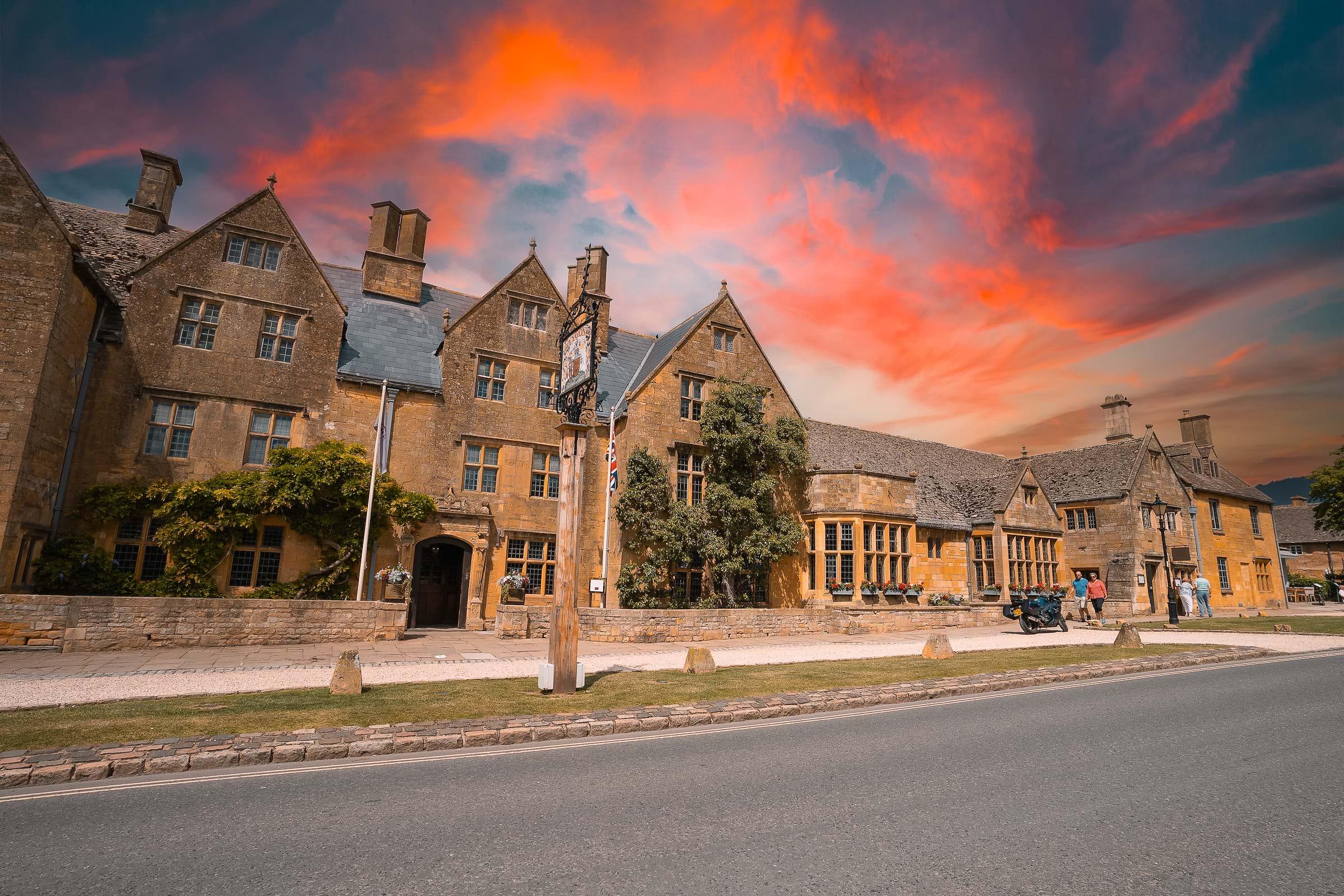
The Lygon Arms
££The Cotswolds, United Kingdom
A Broadway coaching inn that took in both sides of the Civil War, and has a suite for Charles I and a portrait of Cromwell to show for it.
 Grown-up & family
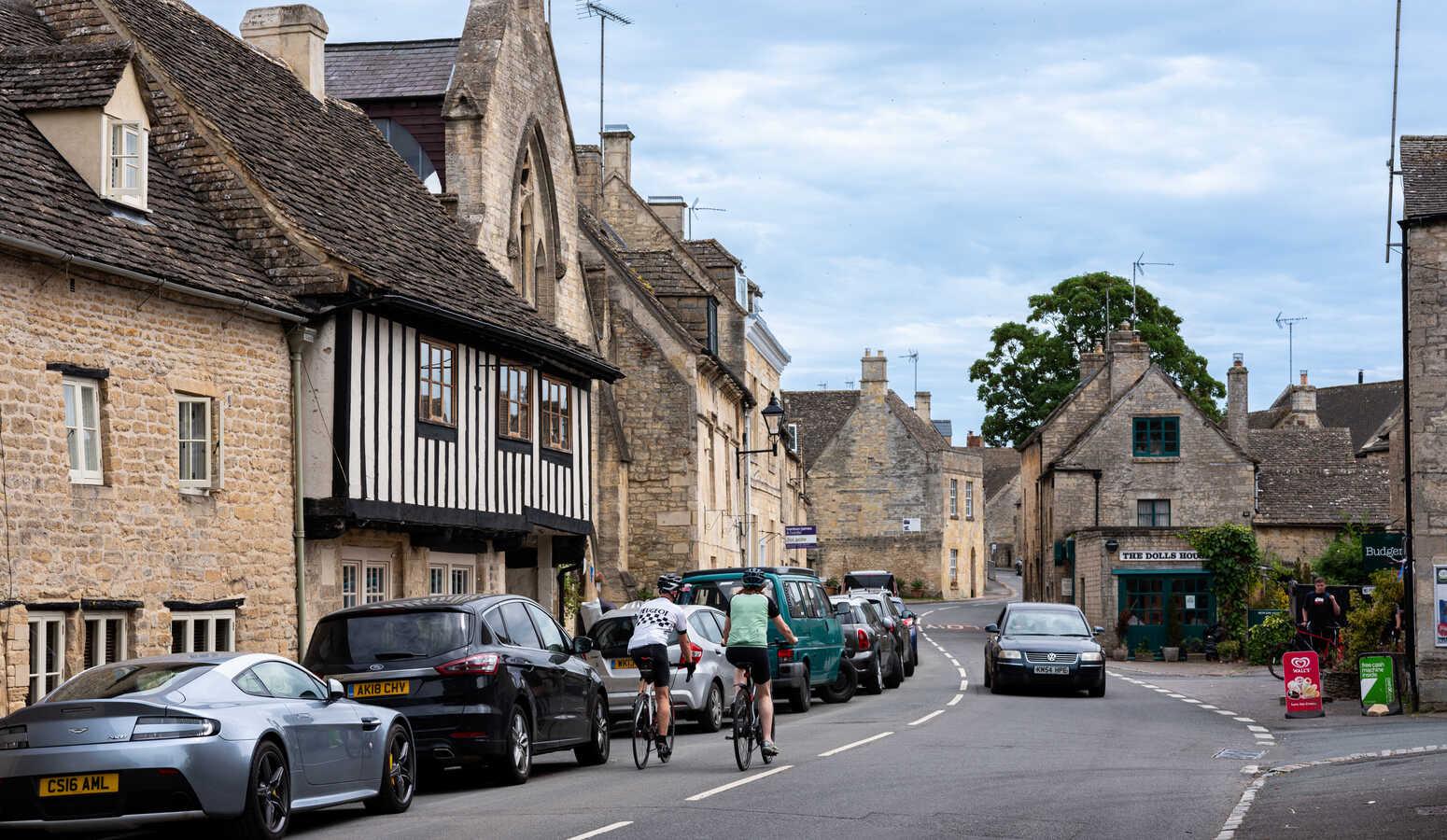
The Wheatsheaf Inn
£The Cotswolds, United Kingdom
Ivy up the front of a 17th-century coaching inn in Northleach, and in the room a Borrow Box of toys that the children are trusted to hand back.
 Grown-up & family
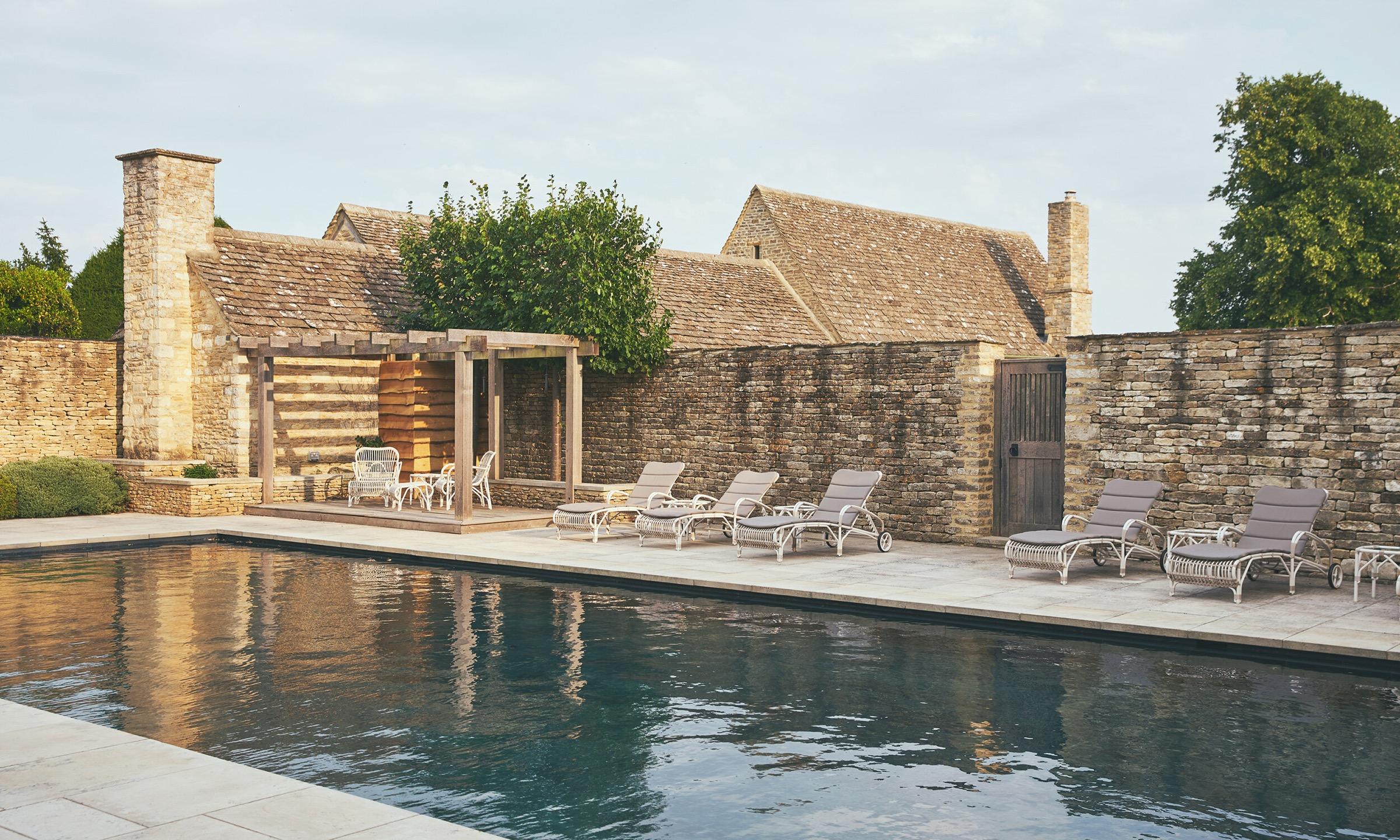
Thyme
£££The Cotswolds, United Kingdom
Honey-stone barns and teal doors on a working Cotswold farm, where the barn that once housed the plough oxen now takes its menu from the kitchen garden.
Where to eat
3 restaurants
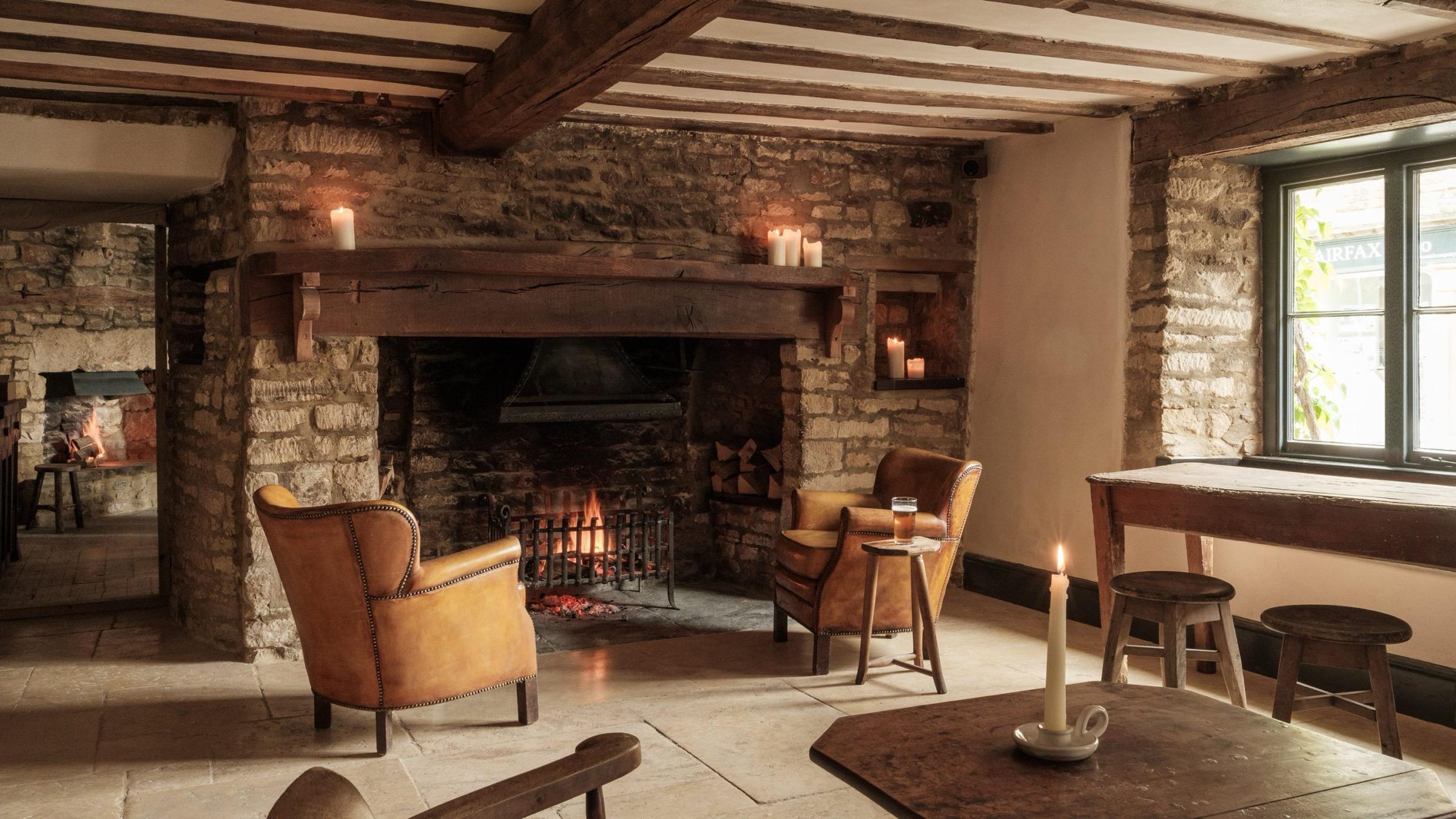
The Bull
££ · Recommended
Woodstock, Charlbury and the Oxfordshire Cotswolds · British
Simple fish like cod gets a rich, smoky sauce, in a candlelit room from the Pelican and Hero team.
Reviewed in The Infatuation and the Michelin Guide
The Killingworth Castle
££ · Recommended
Woodstock, Charlbury and the Oxfordshire Cotswolds · British
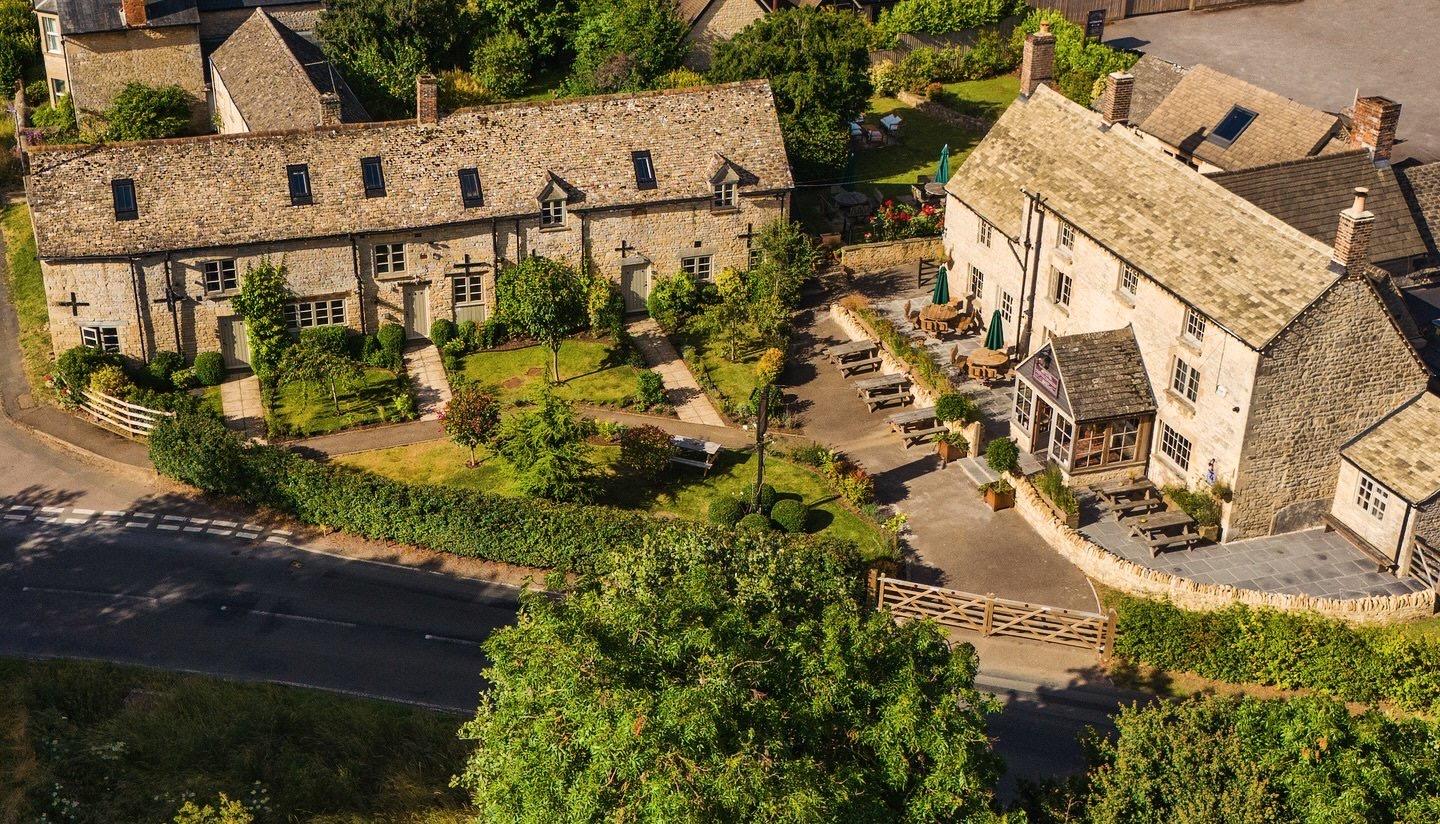
Its own bakery and butchery back a seasonal, organic Cotswolds menu, in an Oxfordshire coaching inn with rooms.
Reviewed in the Michelin Guide
The Wild Rabbit
££££ · Recommended
Kingham and the Eastern Cotswolds · modern British
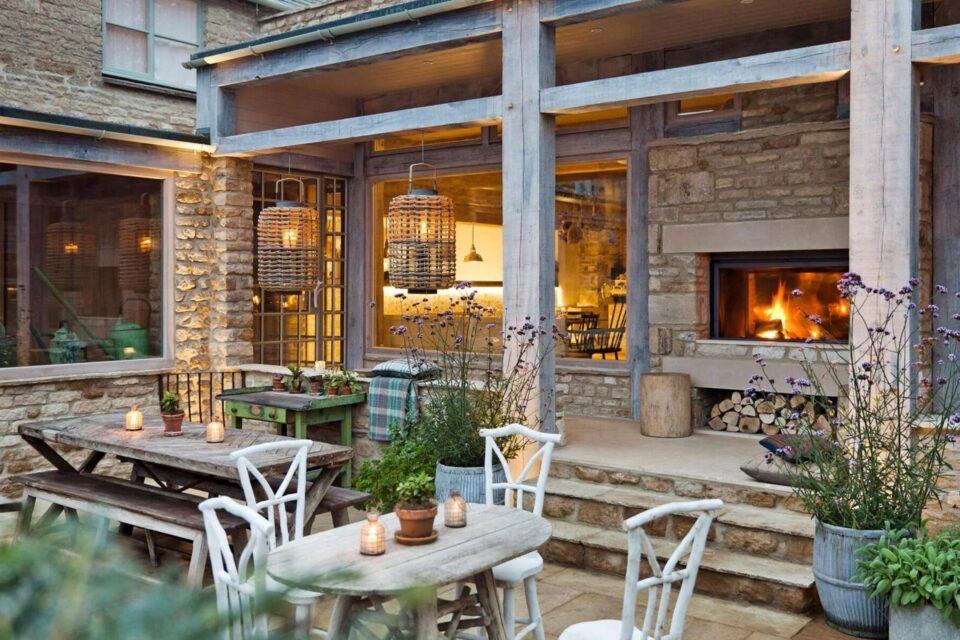
A contemporary British menu built on organic produce from its own farm, in a stylishly modernised Cotswolds pub with rooms.
Reviewed in the Michelin Guide