Italy
Rome
We visited in January
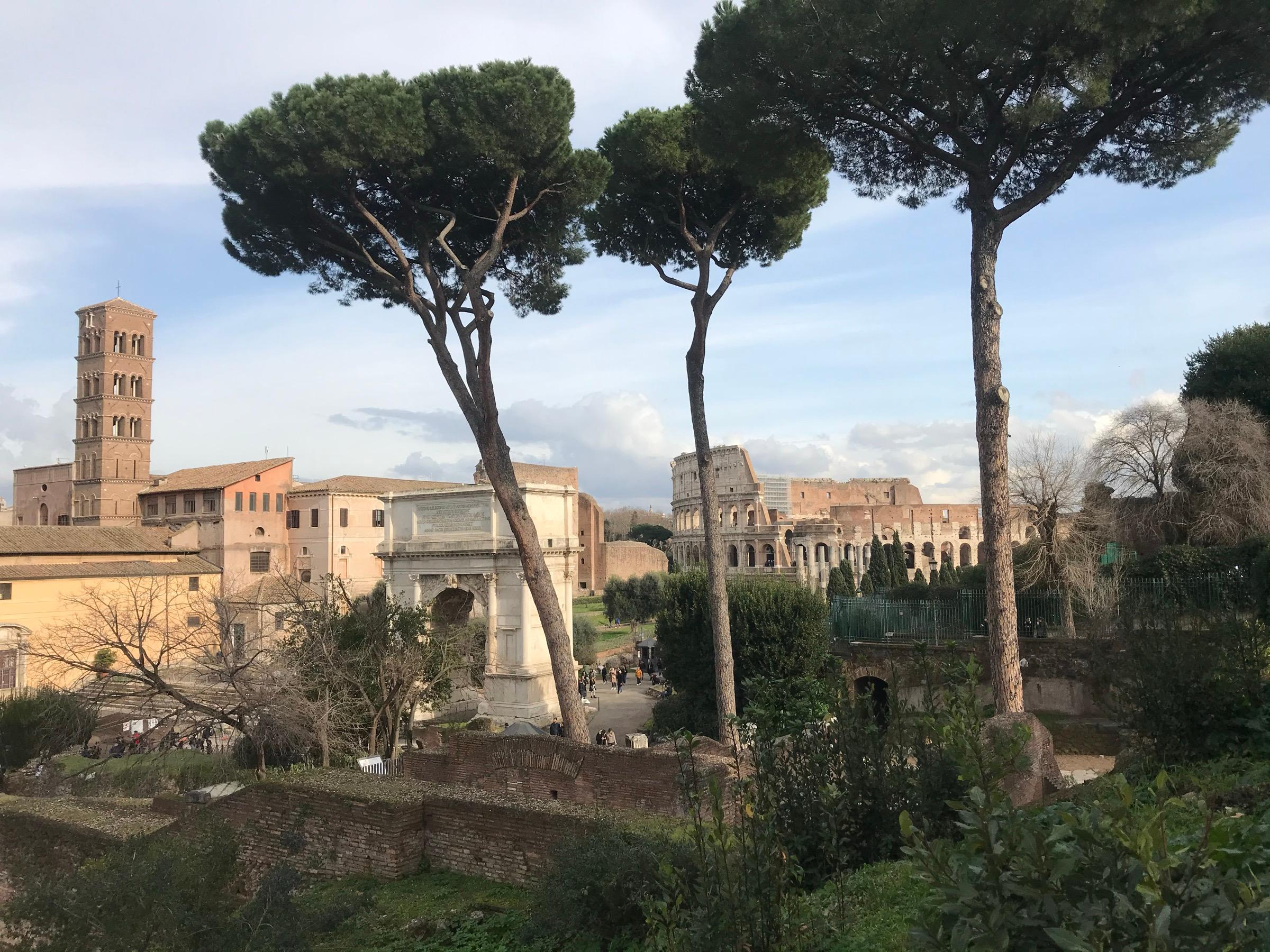
The city's own tourist board sends people to Rome in spring or autumn. We went in January and would not swap it. It was quieter, the cold rarely gets as far as freezing, and on a lucky day the sun is out, which is all a city seen on foot really asks. The rain mostly falls either side of it, in November and February. The month to avoid is August, for the heat and for the week around Ferragosto on the 15th, when a good share of the restaurants shut, and eating is the first thing we would tell anyone to do here.
Stay in Centro Storico. We were just off Piazza Navona and could not have asked for better: the Pantheon is five minutes' walk, Campo de' Fiori barely more, and around the piazzas the centre is largely closed to traffic, so walking is how everyone gets about. Navona itself follows the outline of Domitian's stadium, and the ancient city turns up like that all over, among streets that are still lived and worked in. Termini, round the main station, is for the night before an early train.
Two days are for eating, and for walking through the history in between, provided the big sights are booked. The Colosseum runs on timed slots, and its ticket covers the Forum and the Palatine Hill for twenty-four hours after; three or four hours sees them properly. The Vatican Museums sell timed entries on their own site, and the queue without one can run to two or three hours at the busiest times. In between, the walk from Navona carries on to the Trevi Fountain and the Spanish Steps, twelve and thirteen minutes from our door. Armando al Pantheon is where we booked. Armando Gargioli founded it by the Pantheon in 1961, his family still runs it, the cooking is Roman, and tables are booked online or not at all.
Then cross the river. Trastevere, on the far bank of the Tiber, has its own restaurants and its own evenings, with few monuments to get in their way. Above it the Janiculum Hill looks out over the city to the dome of St Peter's, and after two days of timed entries it is a relief to find somewhere with no closing time. The dome will still be there after dinner.
- Best months
- March to May, and September and October
- Avoid
- August, for the heat and the week around Ferragosto (15 August), when a meaningful share of restaurants close
- Nearest airport
- Rome Fiumicino Airport (FCO), Leonardo da Vinci
- Transfer
- about 32 minutes into Termini on the Leonardo Express train; around 30 minutes by taxi or car outside peak traffic
Neighbourhoods
- Vatican and Prati
- Termini
Where to stay
5 hotels
5 hotels
 Grown-up
Chapter Roma
££Rome, Italy
Tacos among the cacti on a roof above Regola, looking out over the domes of Rome, with street art in the lobby of the 19th-century building below.
 Grown-up & family
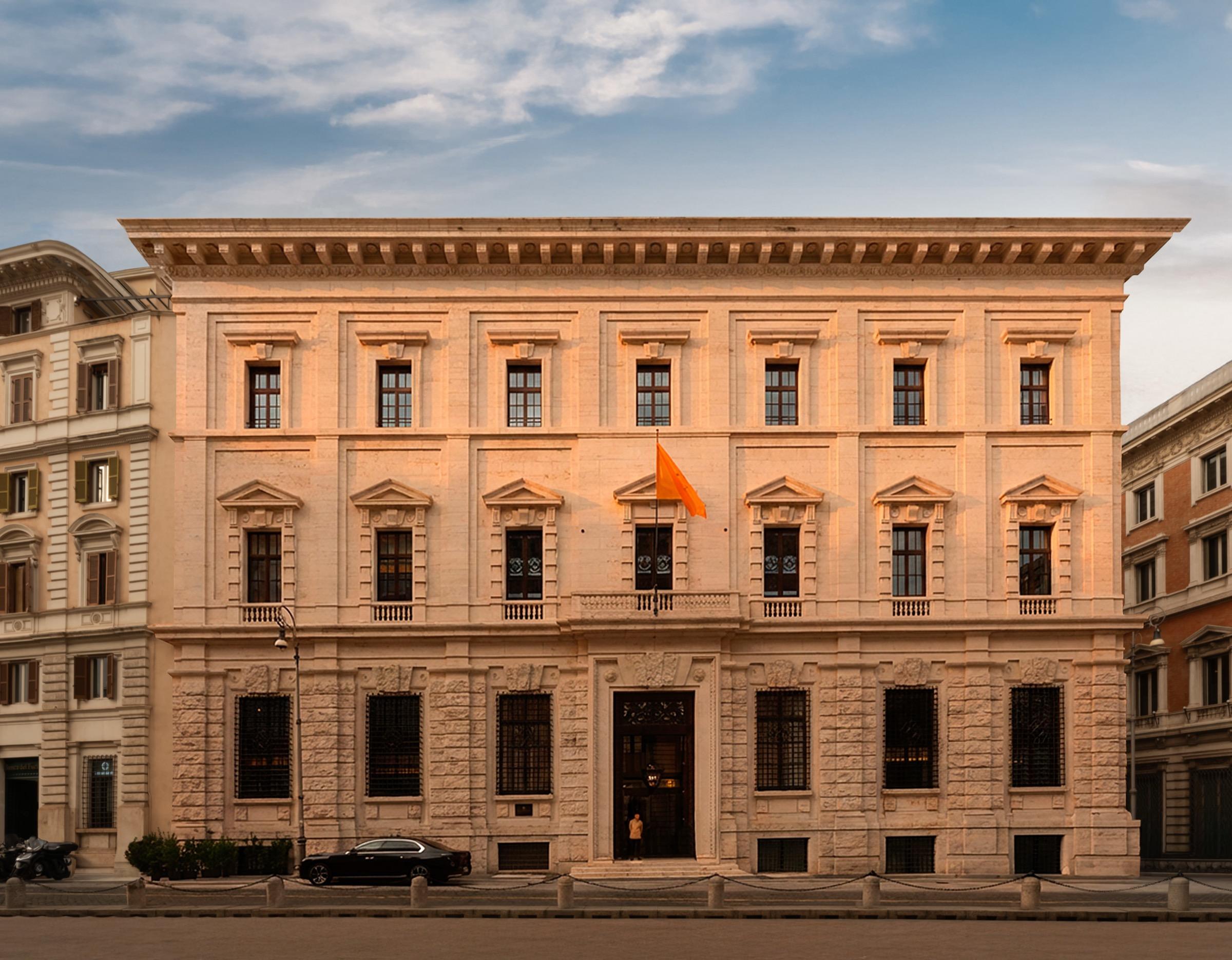
Corinthia Rome
££££Rome, Italy
Two small pools in the old bank vaults, and upstairs a suite under the painted ceiling where the Bank of Italy's board once met, ten minutes' walk from the Pantheon.
 Grown-up
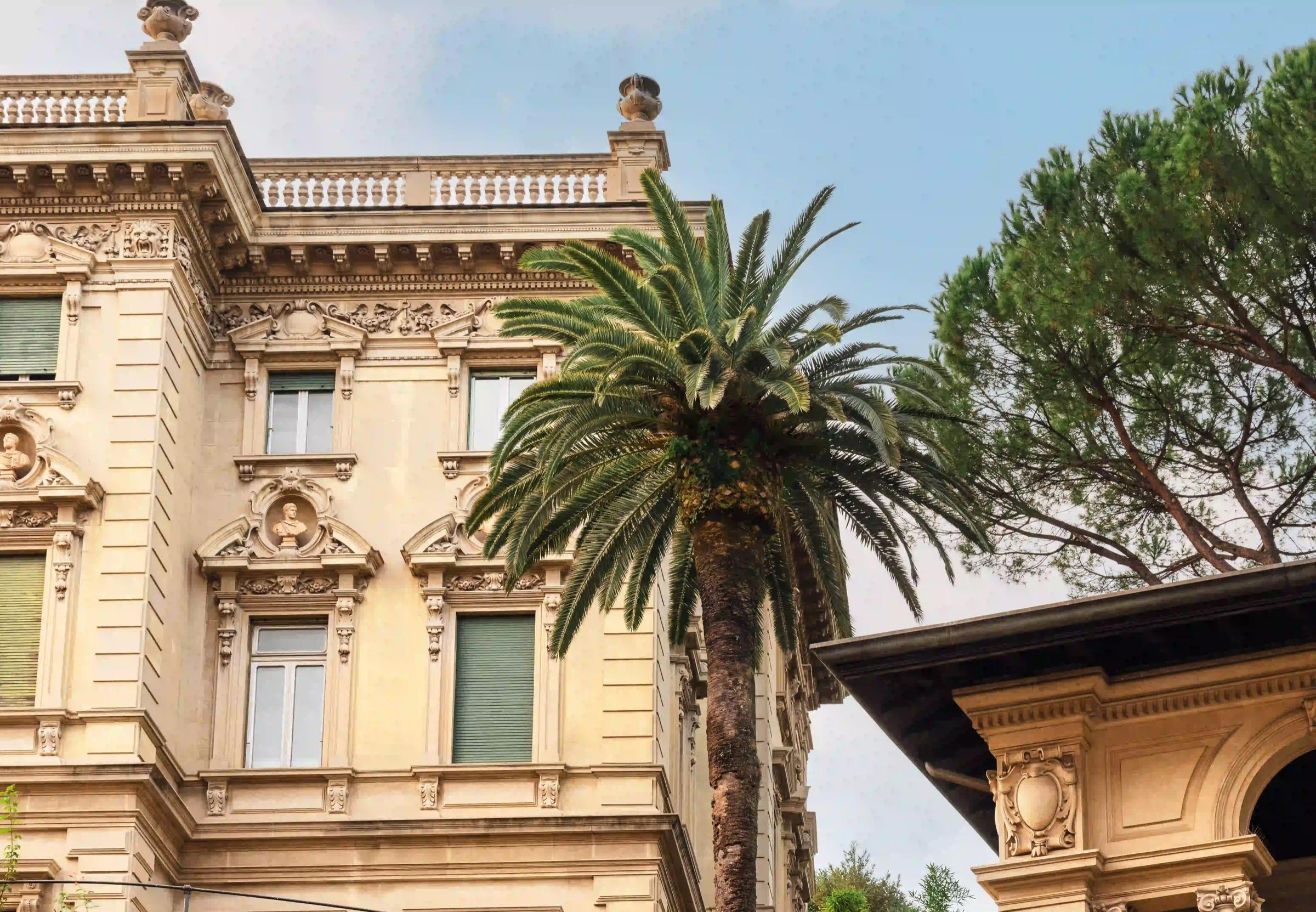
Experimental Roma
£££Rome, Italy
Stone pines and palms round a pool hung on the roof of a former bank off Via Veneto, with the dome of St Peter's for a backdrop.
 Grown-up & family
Palazzo Manfredi
£££Rome, Italy
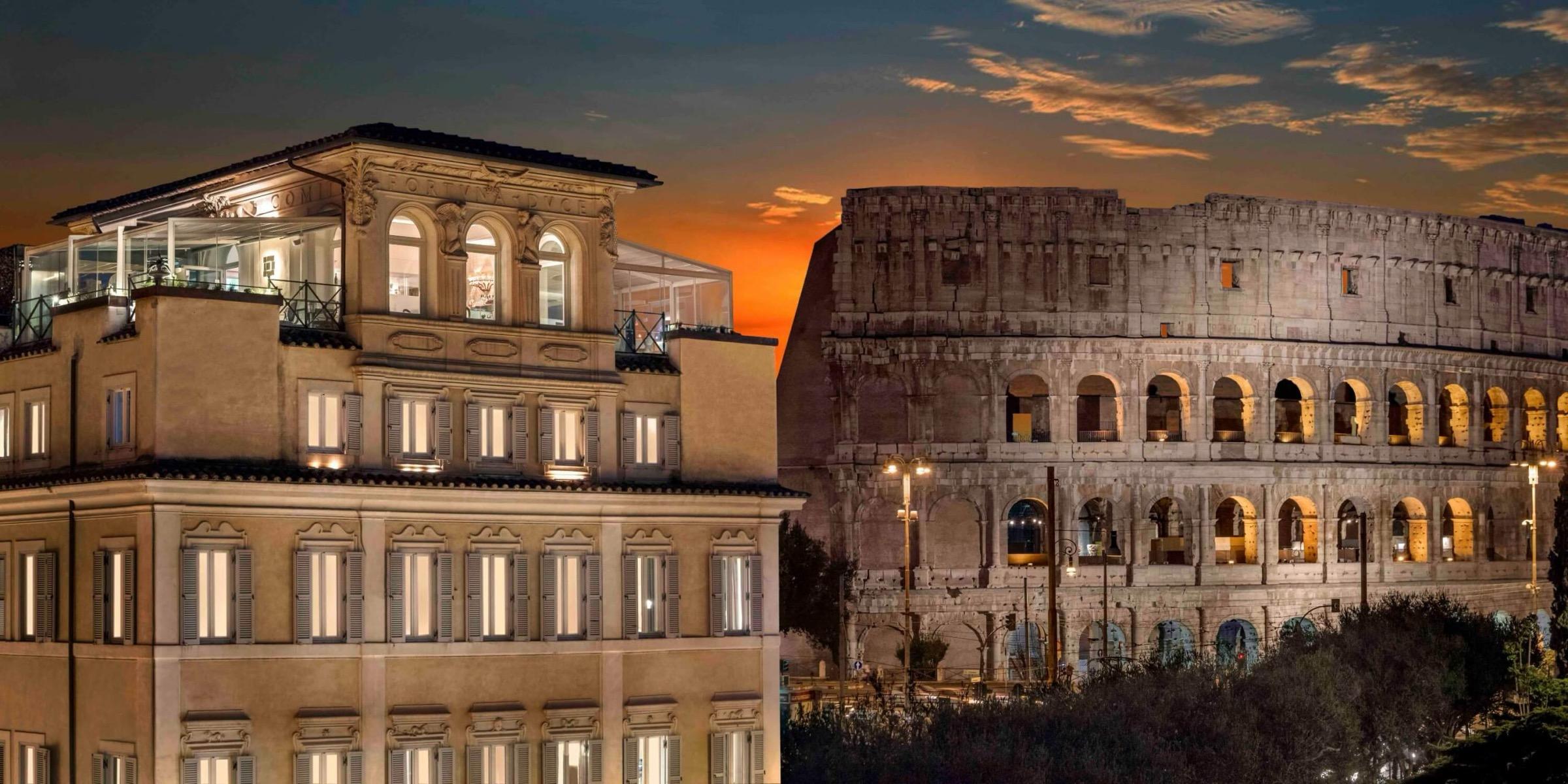
A Michelin-starred dinner on the roof with the Colosseum across the road, and a gym that looks down on the ruins of Rome's largest gladiator school.
 Grown-up
Rhea Silvia Luxury Navona
££Rome, Italy
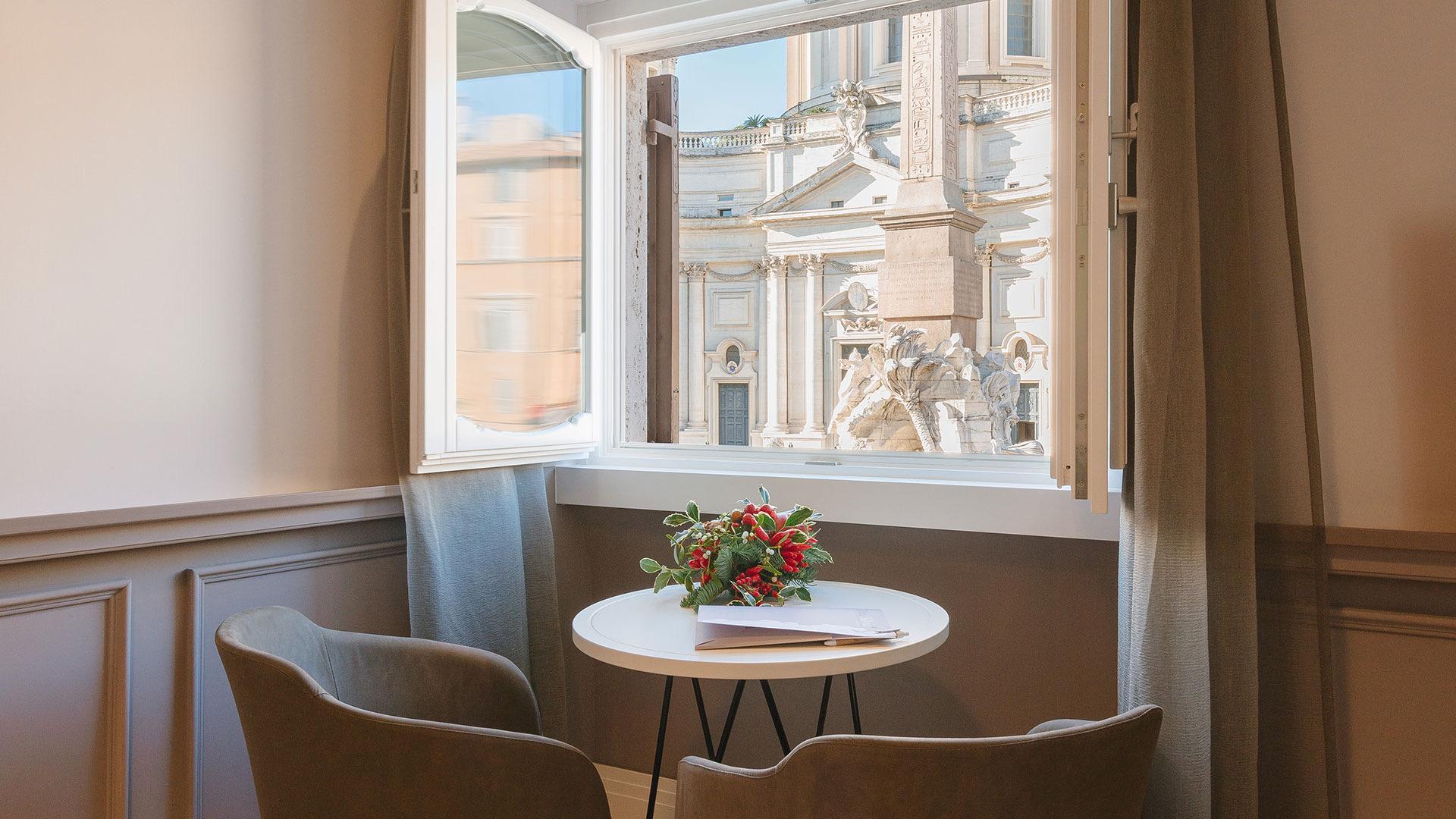
Five rooms in a 16th-century building on the ruins of Domitian's stadium, just off Piazza Navona, with breakfast brought to the room each morning.
Where to eat
5 restaurants
Armando al Pantheon
££ · We ate there
Centro Storico · Roman
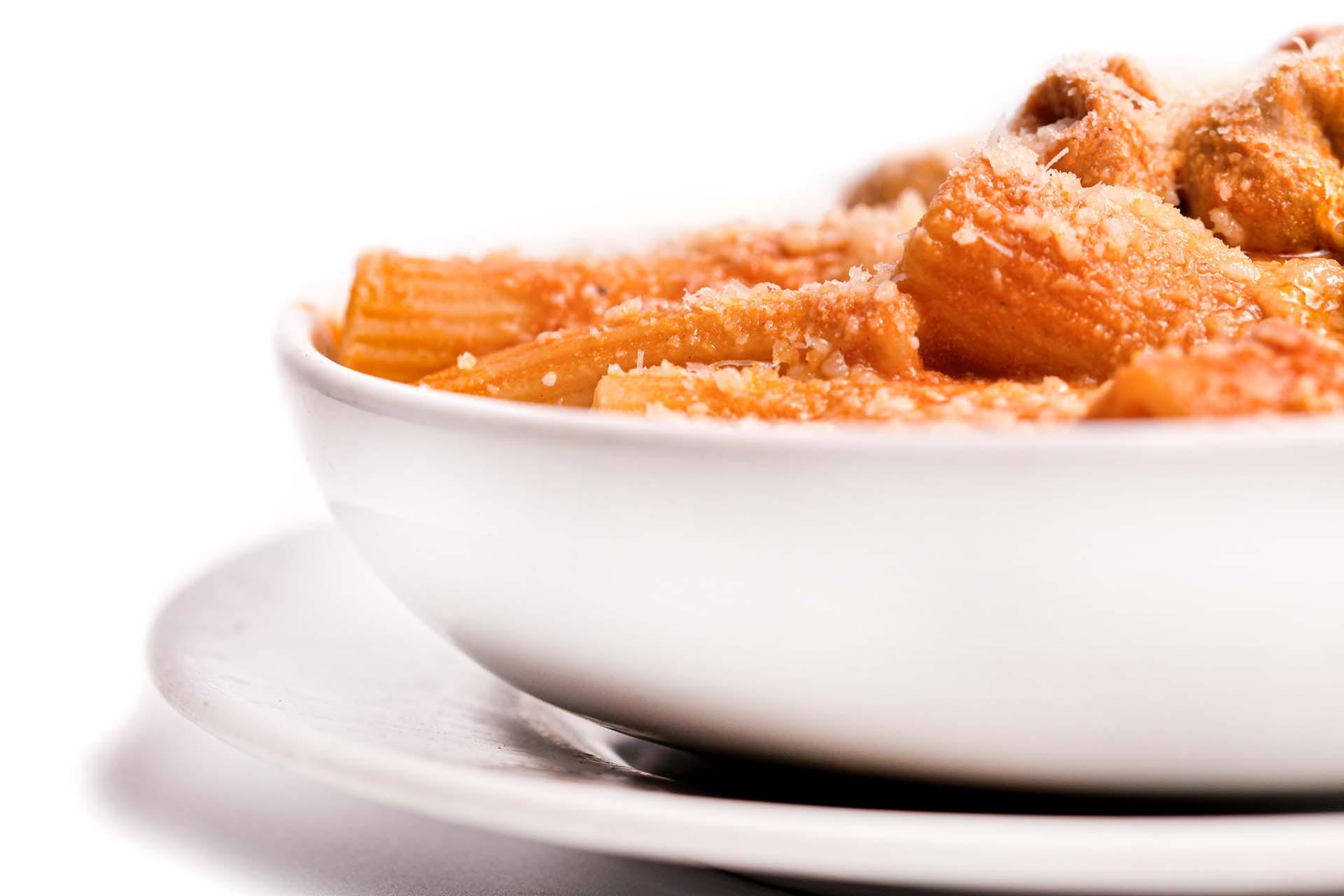
Rigatoni all'amatriciana with crisp guanciale, cooked by the Gargioli family just steps from the Pantheon since 1961.
Reviewed in The Infatuation and the Michelin Guide
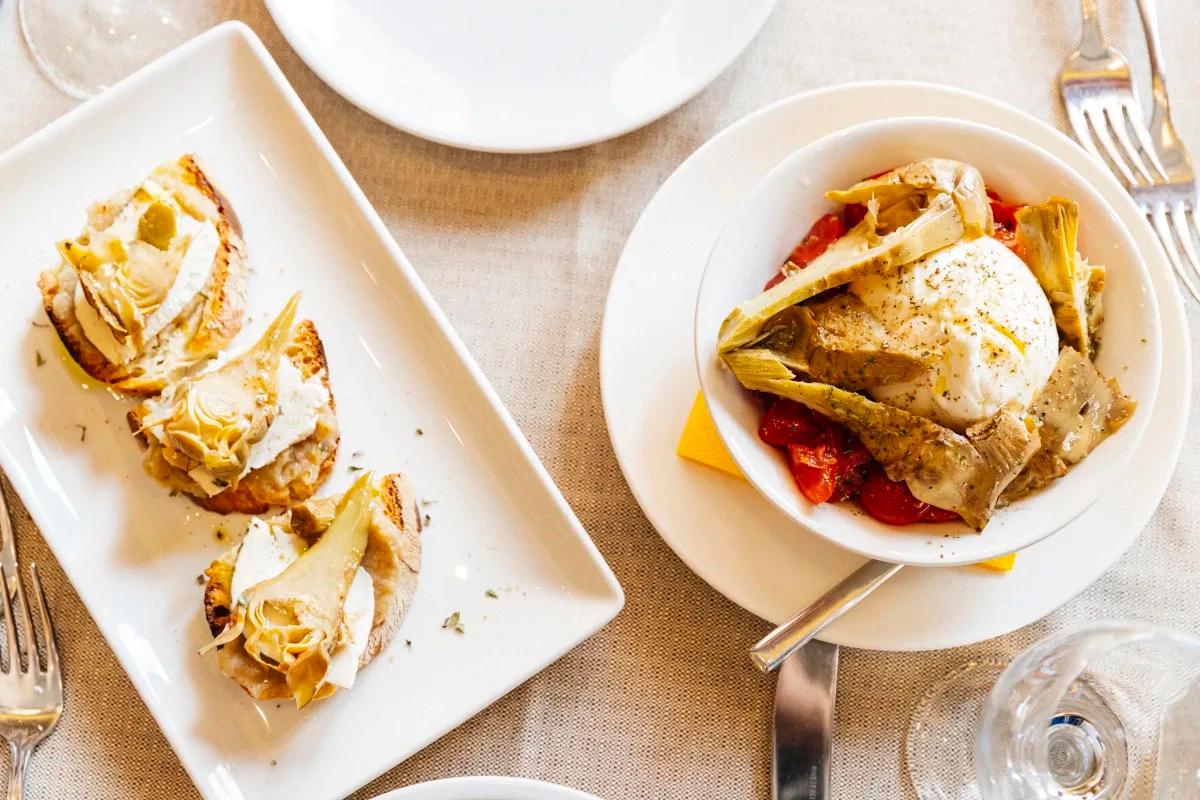
La Tavernaccia Da Bruno
Recommended
Trastevere · Roman
Oxtail alla vaccinara and wood-fired roast suckling pig, in a family trattoria run since 1968.
Reviewed in The Infatuation
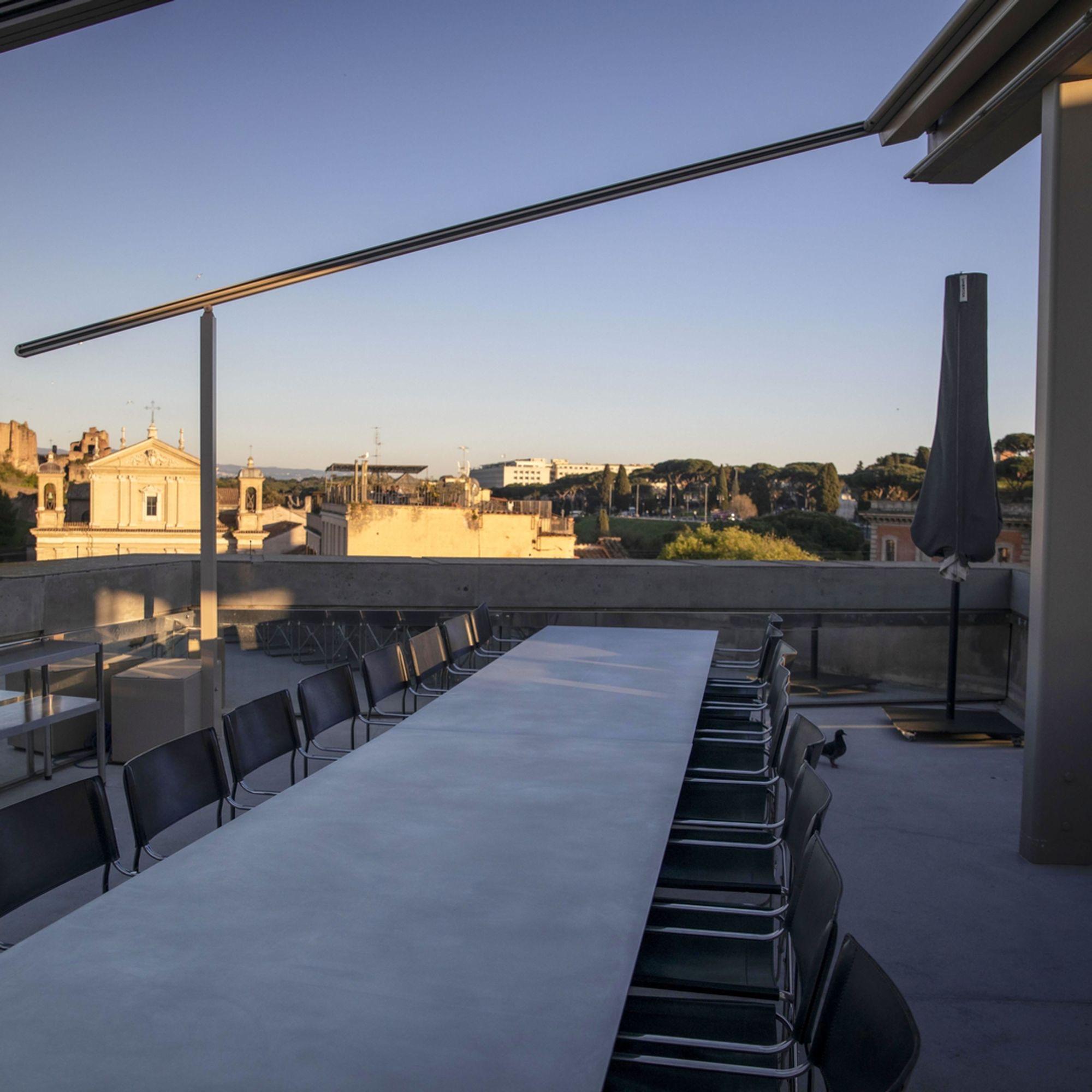
Retrobottega
£££ · Recommended
Colosseum and Monti · modern Italian
Handmade tortelli with pork ribs and cacao, on a rooftop terrace looking over the Palatine Hill.
Reviewed in the Michelin Guide
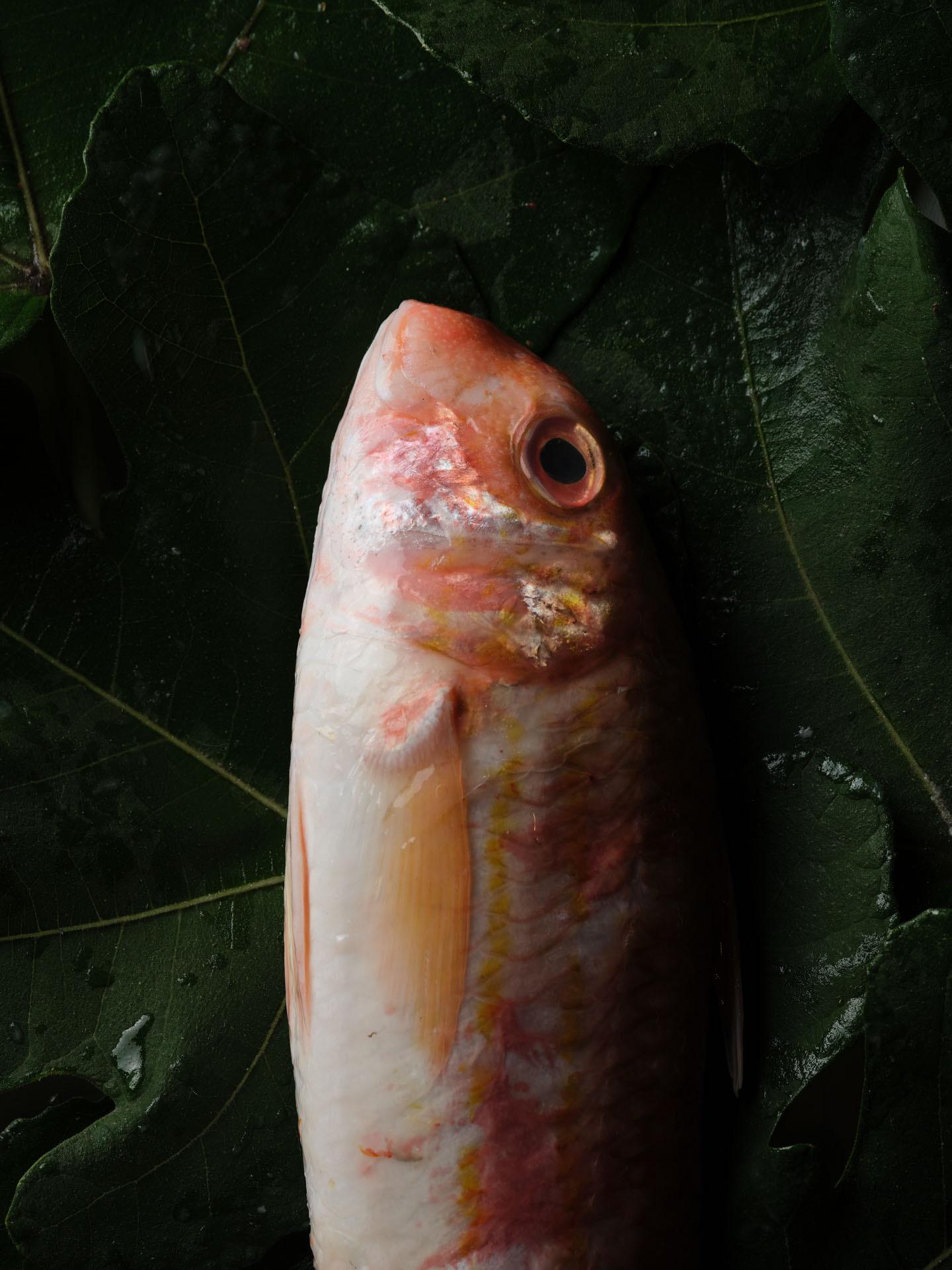
Zia
£££ · Recommended
Trastevere · contemporary Italian
A Michelin-starred tasting menu in Trastevere, built around quail with sage and carnation flowers.
Reviewed in the Michelin Guide and The Infatuation