
Architecture
New Hotels in Old Italian Palaces, 2026
In Rome the Bank of Italy's vault is now a spa with two small pools, and in Venice a palazzo of 1436 has finally, after nearly six centuries, become a hotel.
Of the six hotels opening in Rome, Florence and Venice this year, not one went up new. Two were banks, three were family palazzi, and the sixth, on the Giudecca, was a hotel already. What a building made for something else gives a hotel is what no hotel would think to build for itself: a boardroom under a painted ceiling, or a vault.
What it takes back is the floor plan. The rooms are the shape the house was, the view from each was settled by builders who never pictured a paying guest in it, and the stairs are whatever the house came with. Each of the six is a trade between the two, and the room you book decides which side of it you are on.
Rome
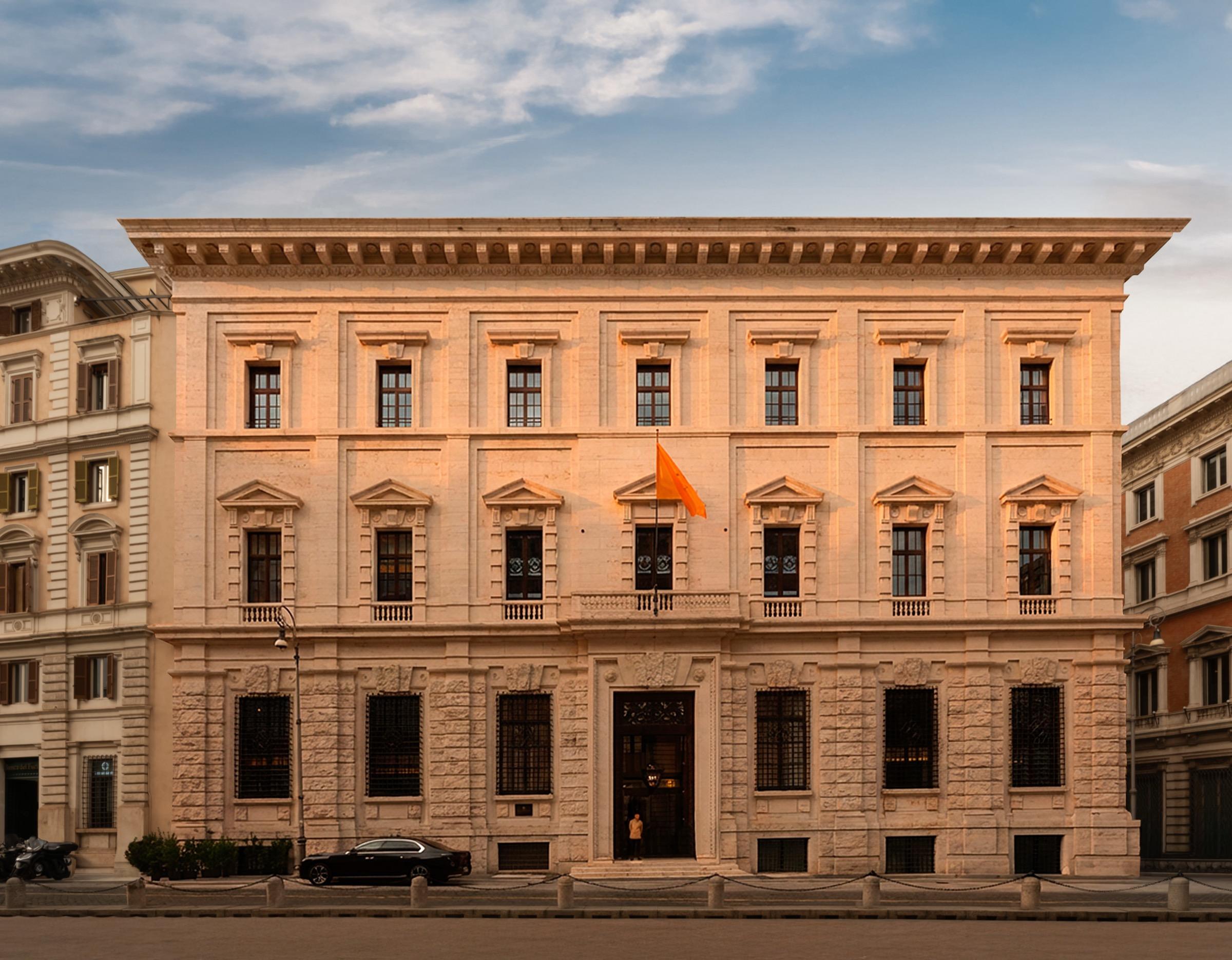
Corinthia Rome makes the case best. Pio and Marcello Piacentini built the palazzo on Piazza del Parlamento between 1913 and 1921, and it was long the Bank of Italy's. The vault is now the spa, with two small pools, and it takes nobody under sixteen, which is one way of keeping a vault secure. The council chamber, where the board sat under Guglielmo Janni's allegory of the history of Italian money, is the Theodoli Heritage Suite. No hotel would ever commission a ceiling about currency. A bank did, and the hotel inherited it. The walls have their say lower down the price list: the Classics, the smallest at 25 to 29 square metres, look onto either the garden lounge or the cobbled side streets, so ask which. At the top, the Chigi Suite climbs a spiral staircase to 153 square metres of terrace, with Parliament across the way.
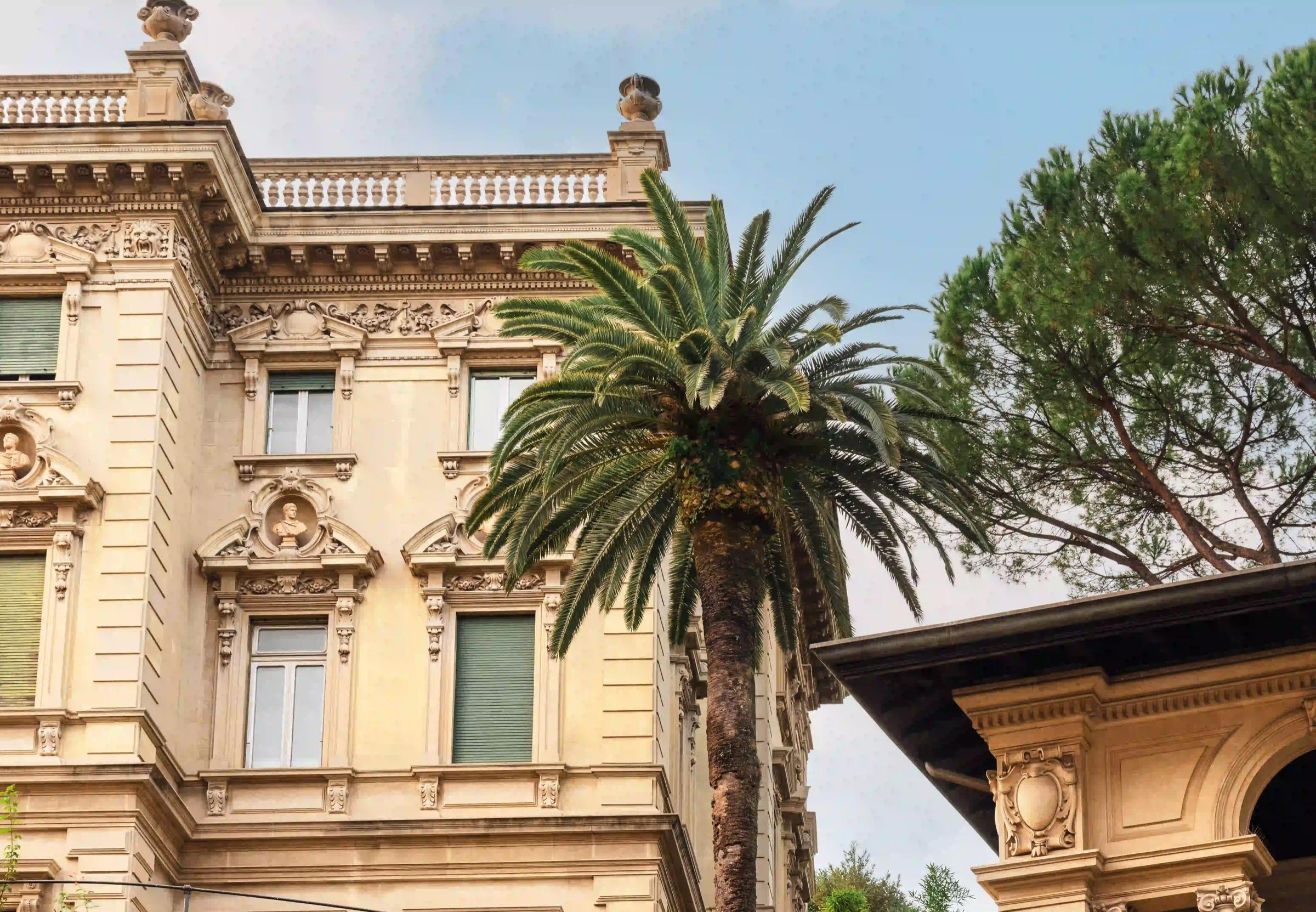
Experimental Roma bends the argument. It opened on 10 October in a former bank on Via Ludovisi, though nothing published says which bank, and Rodolphe Parente's interiors give no clue: marble against stainless steel, terracotta against chrome, lurex on the carpets. What the old building did give it is a roof, and the hotel has hung a pool up there among stone pines and palms, open April to October, with the dome of St Peter's behind. The hotel says every floor is reached by lift, with five rooms fitted for wheelchairs. At the others, ask.
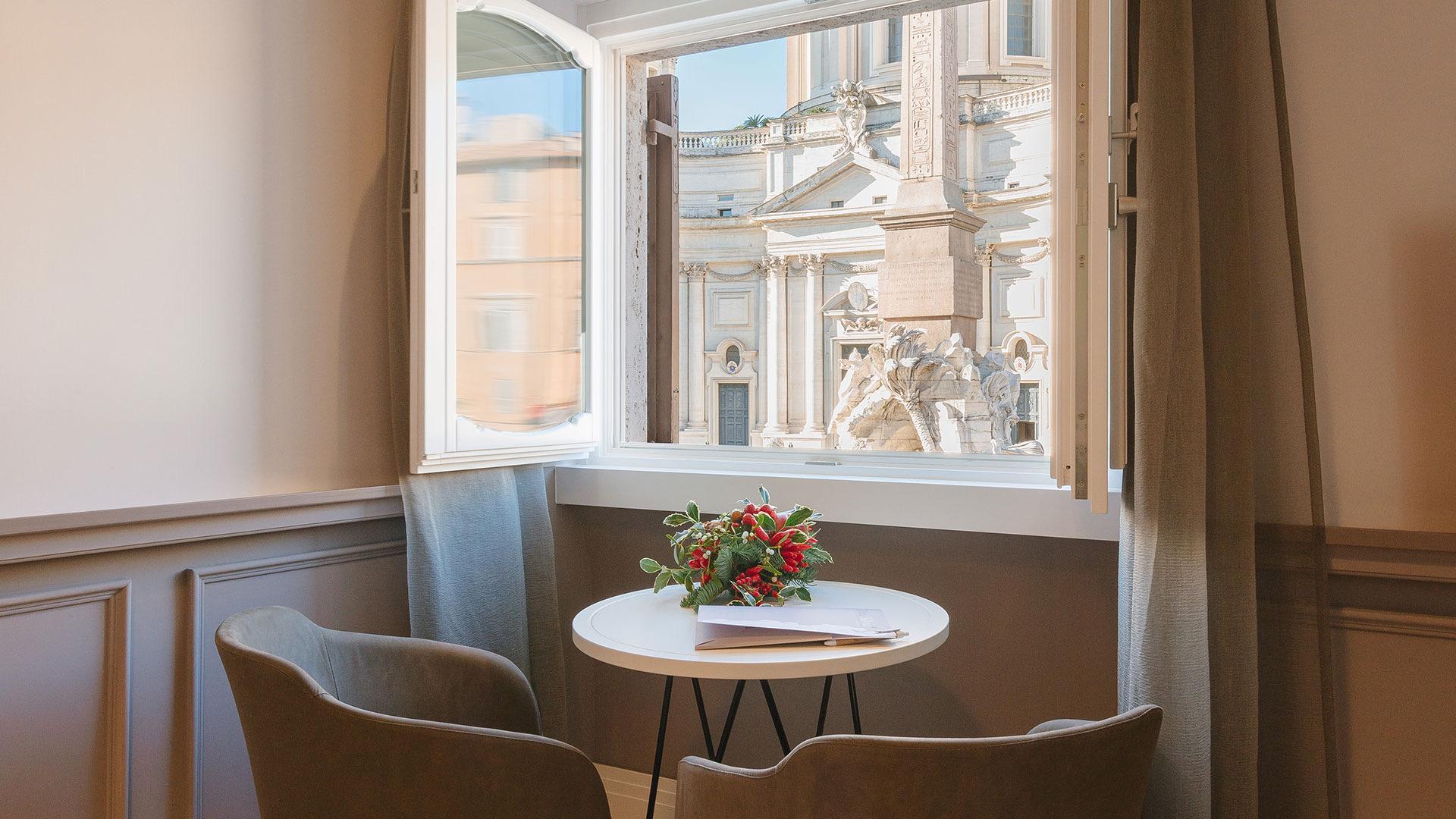
Old Rome does this at the small end too. We stayed in a Deluxe Suite at Rhea Silvia, just off Piazza Navona: five rooms in a sixteenth-century building raised on the ruins of Domitian's stadium of AD 86, which the hotel says still shows inside. There is no restaurant and no bar, and breakfast comes up to the room. No bank can match foundations laid under Domitian. What a bank has instead is scale: a vault big enough for a spa, and a boardroom to sleep in.
Florence
The gift at Palazzo Sogni, open since 1 October, is the ceilings. The Martelli built the palazzo on Via de' Martelli in the sixteenth century, a minute's walk from the Duomo; Luigi Catani and Antonio Marini painted its ceilings later, and the hotel says every room keeps its original frescoes, which across thirty rooms is a great deal of ceiling. In the garden, a fountain attributed to Baccio Bandinelli stands in a nymphaeum. The cost is everything a palazzo has no room for: no pool, no gym, and rooms made for two, with a third guest only in the suites. The restaurant, Sotto le Stelle, went up to the roof instead, and got Brunelleschi's dome for its trouble.
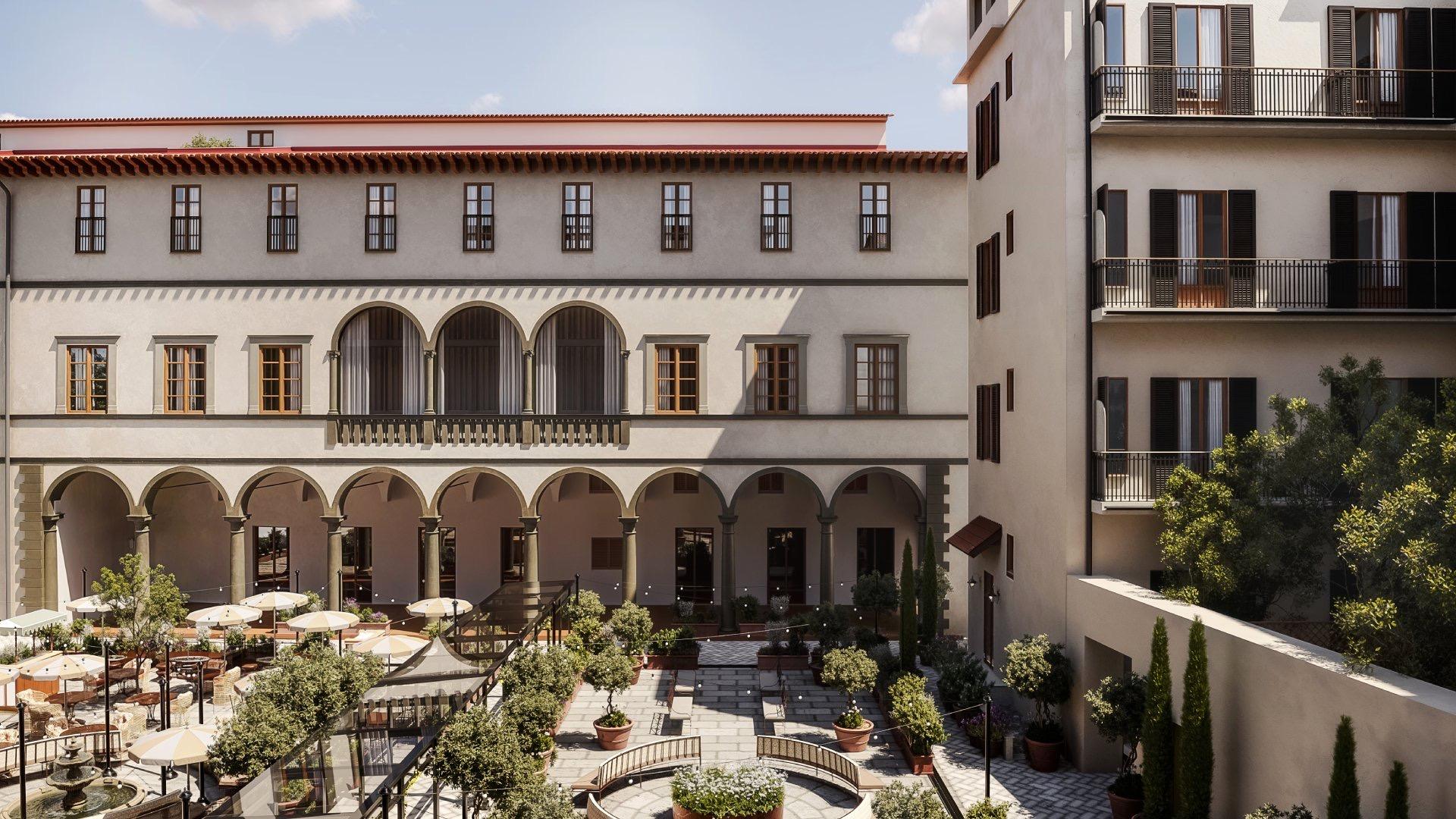
The Hoxton does the sum another way. It pairs a sixteenth-century palazzo built for the Ricasoli family with a 1980s block by Andrea Branzi, and fits 161 rooms between them; ours was a Cosy, the smallest, at 17 square metres. Sogni, with the palazzo alone, has thirty, and the smallest is 28 square metres. A Renaissance house does not make small rooms willingly.
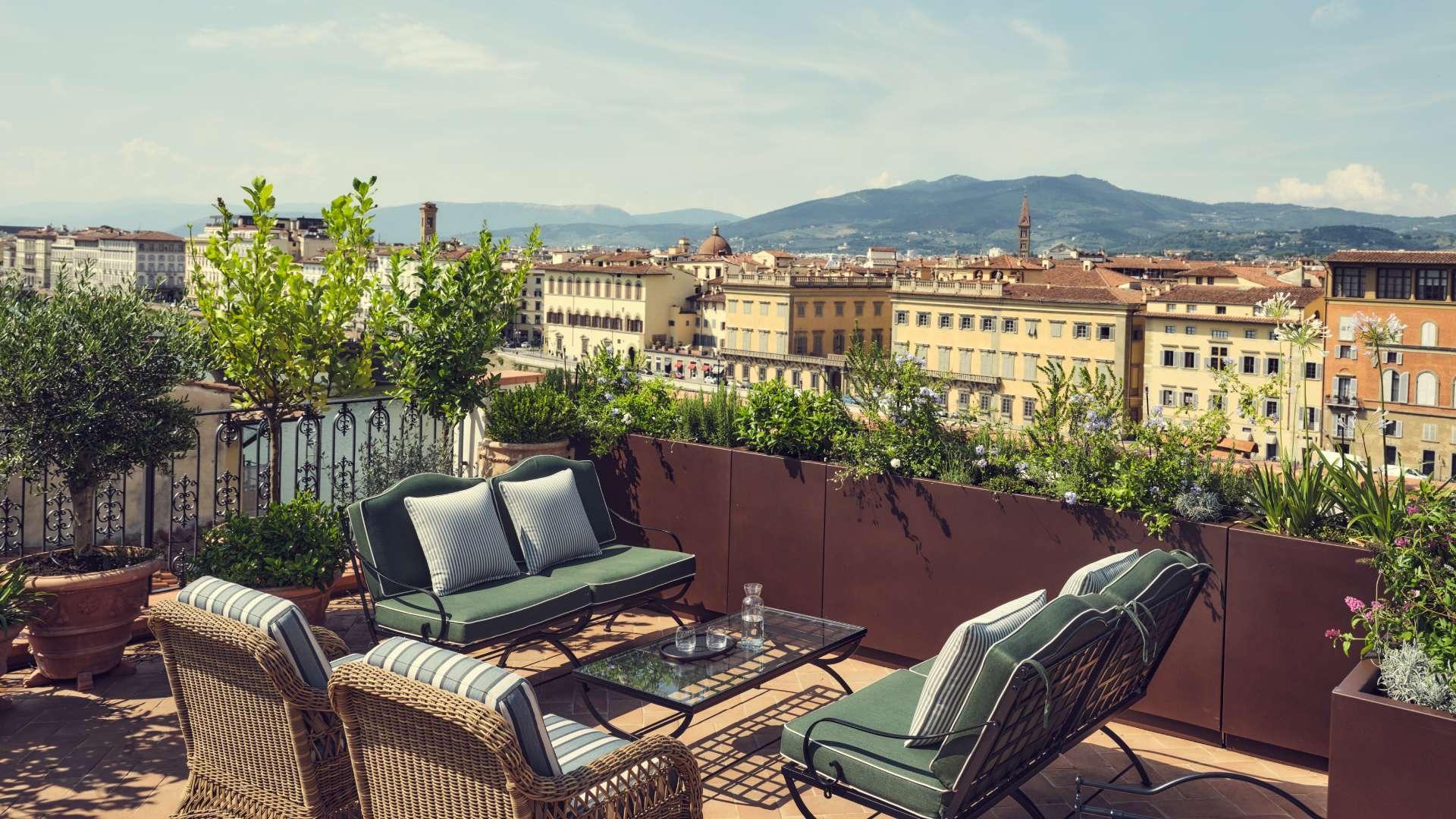
Nor does it make them in order. La Réserve Firenze opens on 16 October in Palazzo Segni, a fifteenth-century house on Via Santo Spirito in the Oltrarno, where the historian Bernardo Segni died in 1558. Gilles & Boissier restored it as six apartments. The one on the piano nobile has two bedrooms in 170 square metres; the one-bedroom with frescoes has 175. Give up a bedroom, gain five square metres. There is no restaurant: breakfast comes to the apartment, as it did at Rhea Silvia, and dinner is a private chef or room service from Trattoria Cammillo.
Venice
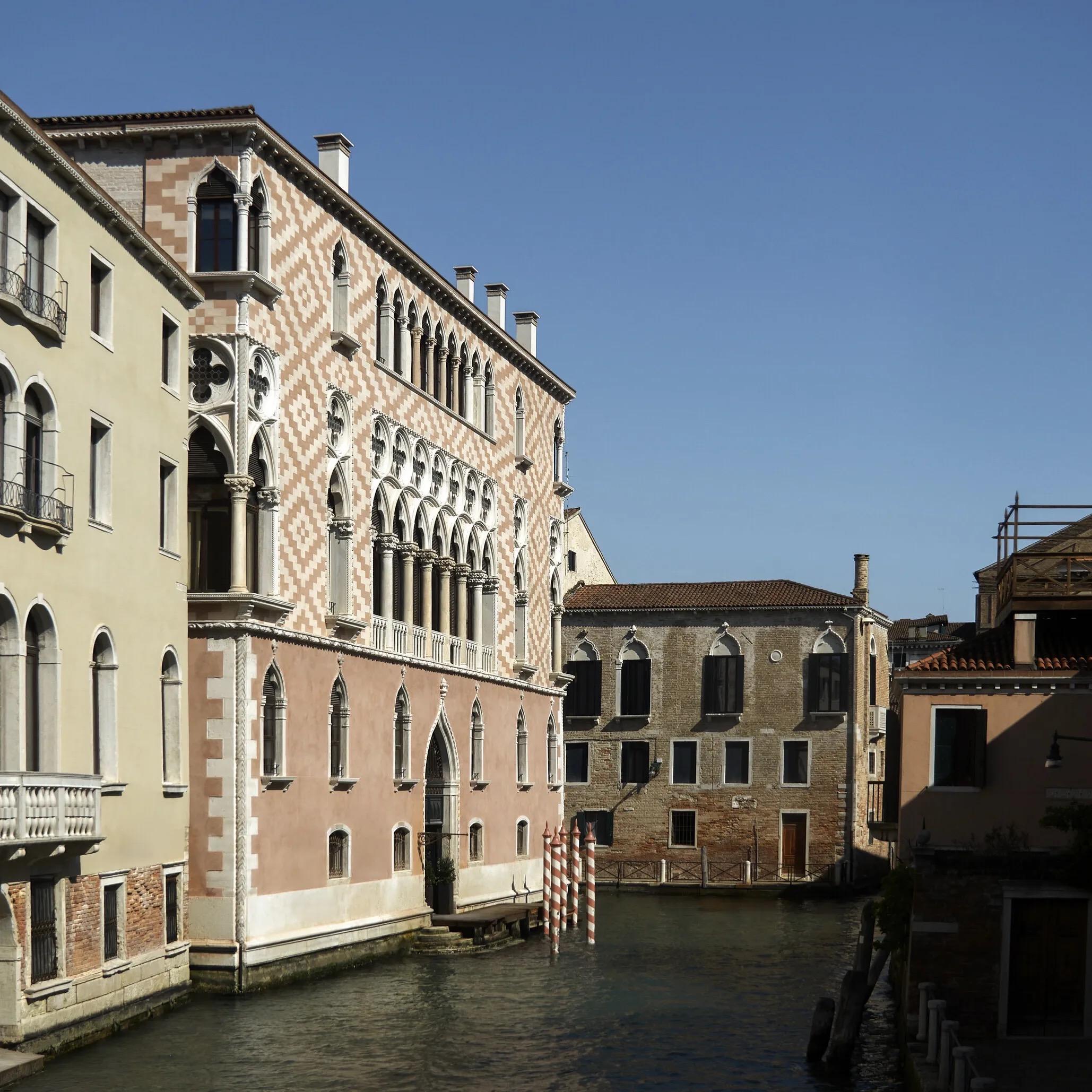
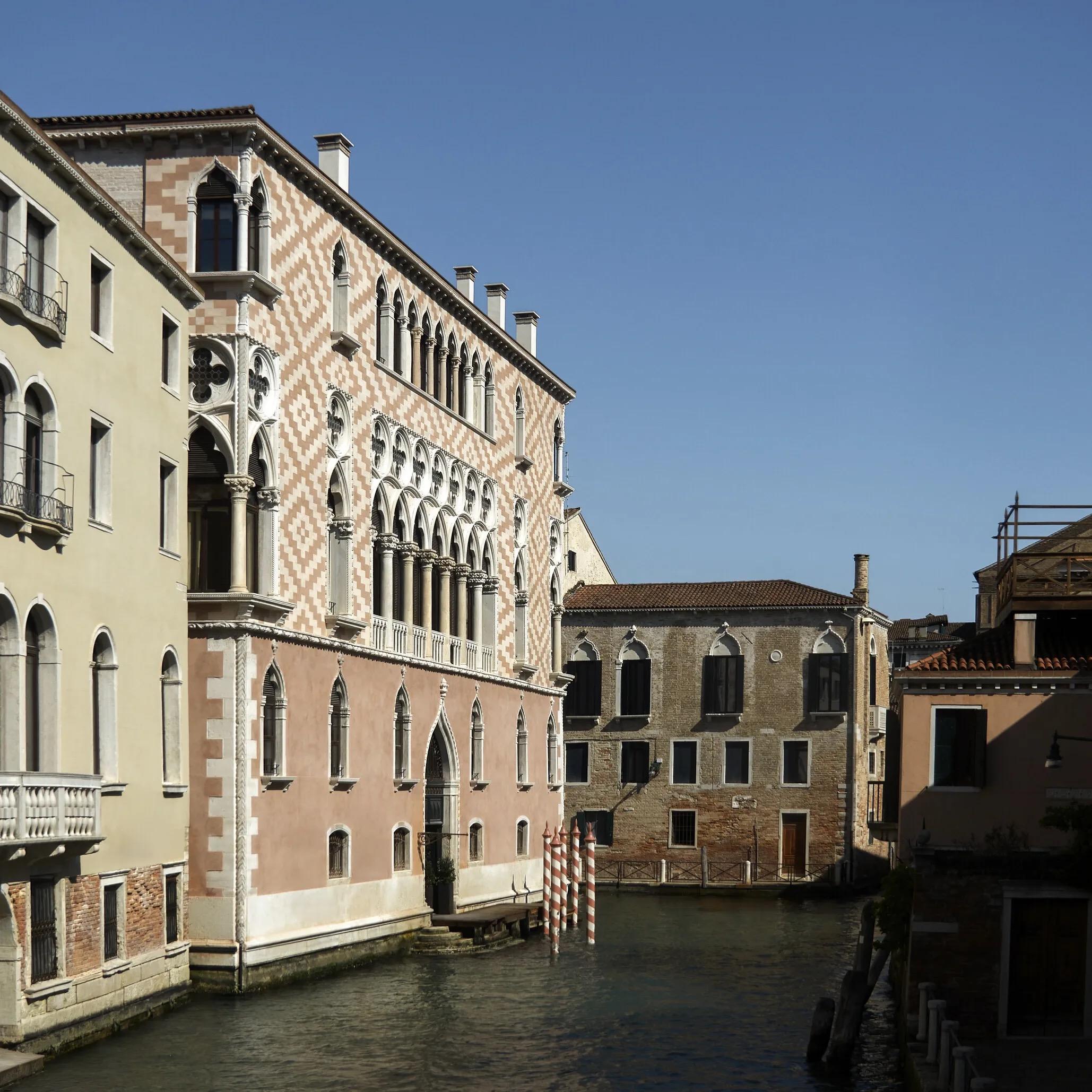
Palazzo Donà Giovannelli has stood where the Rio di Noale meets the Rio di Santa Fosca since 1436, and in March it became Orient Express Venezia, a hotel for the first time in nearly six centuries. Aline Asmar d'Amman's restoration took eight years. It found the ballroom's original pastry-pink walls under later paint, and in the Sala della Musica every ceiling flower came down, was mended and went back up. The price of the house is paid in beds: rooms and junior suites take two adults or one adult and one child, the suites three at most, and there is no pool. Ask for La Minerva, the corner over both canals, with Costantino Cedini's fresco of 1790 overhead.
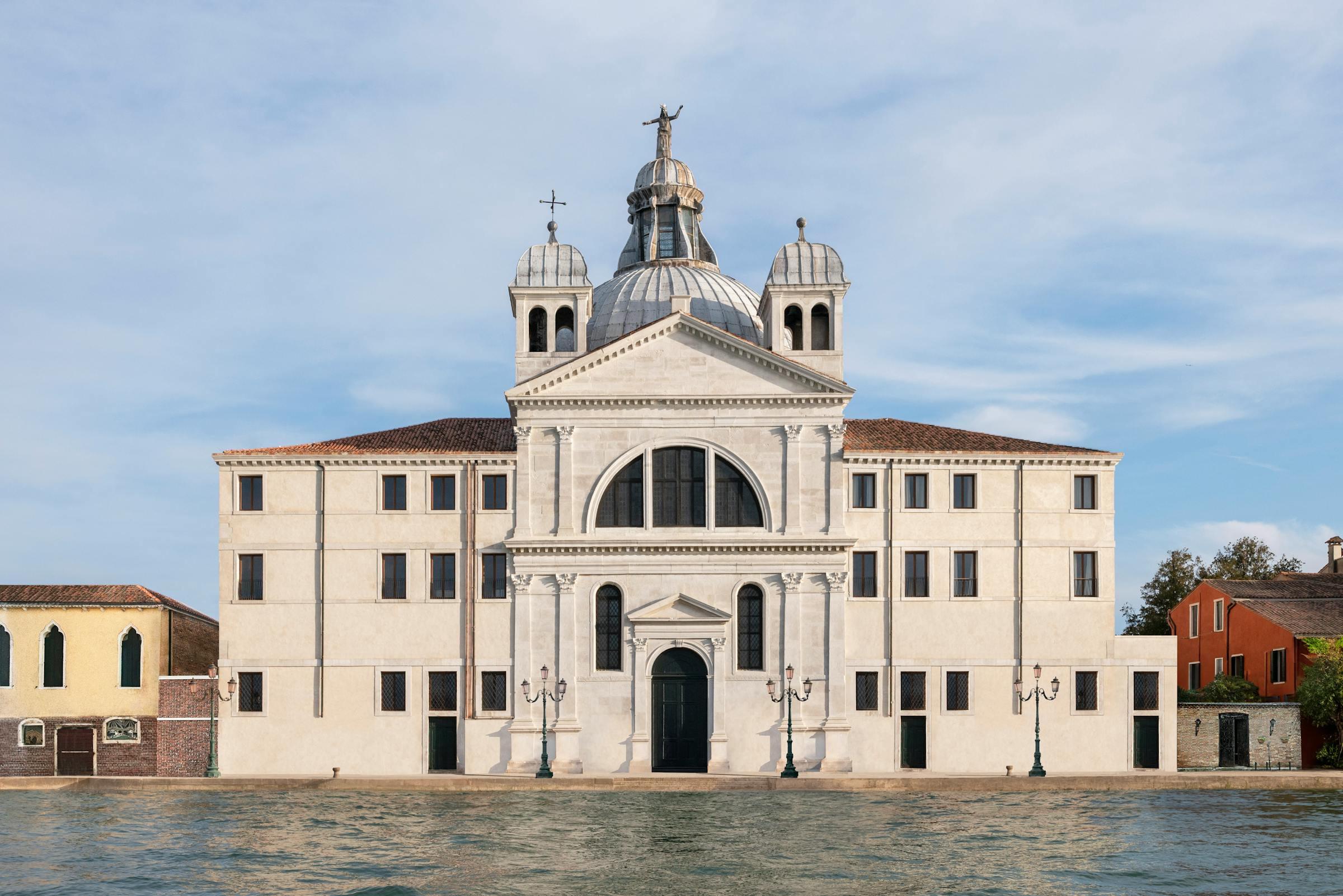
Airelles Palladio Venezia is the exception, and the one to bring children to. The Zitelle, on the Giudecca, was built round a church credited to Palladio as a refuge for girls without dowries, and was the Bauer's Palladio hotel, with fifty rooms, before Airelles reopened it in April with forty-five. What an old institution has that a family palazzo does not is ground: almost a hectare of garden, which is how this one fits a heated 25-metre pool, a second for children, and a kids club open from nine in the morning to nine at night, included in every rate. The Superior rooms keep their worn brick and terracotta floors.
The work took four years, and all of it came by boat. Venice has no basements to speak of, so while it went on some of the suites served as storerooms for paintings, and a large marble table was lifted off a pontoon by crane and passed in through the windows that face St Mark's. For once, the view was the way in.
Hotels in this piece
 Grown-up & family
Corinthia Rome
££££Rome, Italy
Two small pools in the old bank vaults, and upstairs a suite under the painted ceiling where the Bank of Italy's board once met, ten minutes' walk from the Pantheon.
 Grown-up
Experimental Roma
£££Rome, Italy
Stone pines and palms round a pool hung on the roof of a former bank off Via Veneto, with the dome of St Peter's for a backdrop.
 Grown-up & family
La Réserve Firenze
££££Florence, Italy
Six apartments in a fifteenth-century Oltrarno palazzo, where the one-bedroom outsizes a two-bedroom and every apartment keeps its own wine cellar.
 Grown-up
Orient Express Venezia
££££Venice, Italy
A palazzo of 1436 on two Cannaregio canals, taking hotel guests for the first time, with a fresco of 1790 over the corner suite where the canals meet.
 Grown-up & family
Airelles Palladio Venezia
££££Venice, Italy
Across the canal from St Mark's, the Zitelle took in Venice's girls without dowries; now it has a heated pool and a kids club open until nine at night.
 Grown-up
Rhea Silvia Luxury Navona
££Rome, Italy
Five rooms in a 16th-century building on the ruins of Domitian's stadium, just off Piazza Navona, with breakfast brought to the room each morning.
 Grown-up
The Hoxton, Florence
££Florence, Italy
A 16th-century palazzo welded to a postmodern block by Andrea Branzi, far enough north of the Duomo that you get to come home from Florence each evening.