Spain
Mallorca
We visited in July

The railway from Palma to Sóller was built for oranges. It opened in 1912 to get the valley's fruit to the capital faster than the mountain roads allowed, and the vintage train still makes the run, over viaducts and through thirteen tunnels, with a tram at the far end down to Port de Sóller. The mountains in the way are the Serra de Tramuntana, a limestone range running about 90km along the north-west coast from Andratx to Pollença, with its villages in the ravines between the peaks and the sea. The road through Valldemossa, Deià and Sóller is about 50km of hairpins. Stop in each village; the driver will have earned it.
Palma is the island's only city, and it keeps most of the island's hotels, shops and restaurants. The old town gathers round La Seu, the Gothic cathedral begun on the waterfront in 1229, where a canopy by Gaudí hangs over the altar. The beaches depend on which way you drive. North, the bays of Pollença and Alcúdia are long sand with the Formentor peninsula behind them. Round the east and south the cliffs break into calas, small coves reached by a short walk down from the car, and Cala Mondragó has a natural park to itself. Back on the Bay of Palma, the beach clubs are for sunbeds and a lunch nobody is in a hurry to finish.
We have stayed in Palma and outside Pollença. In Port de Pollença the table worth booking is at Stay Restaurant, out on the Moll Nou at the water's edge.
We went in July. It was fine, and we would still go in spring or autumn instead. July and August run at around 30°C, the beaches and beach clubs are at their fullest, and so are the prices. Spring, nearer 20°C, is the time for the Tramuntana's steeper walks, before the heat sets in; autumn is around 25°C, with the sea still swimmable in October. Winter is mild and quiet, and many coastal hotels and restaurants close for the season.
The interior pays no attention to any of it. The Pla de Mallorca is flat farmland, almonds and wheat, and the vines of the Raiguer make most of the island's Binissalem wine. On Wednesday mornings Sineu holds the oldest agricultural market on Mallorca. It is still a working one, whatever month the coast is having.
- Best months
- April to June, and September and October, for the warmth without July and August's crowds and prices
- Avoid
- July and August, when it is hottest, busiest on the roads and beaches, and most expensive
- Nearest airport
- Palma de Mallorca Airport (PMI)
- Transfer
- about 15-20 minutes by taxi to Palma, up to 35 minutes in summer traffic; around 25-30 minutes by the airport bus
Neighbourhoods
- The east coast
Where to stay
6 hotels
6 hotels
 Grown-up
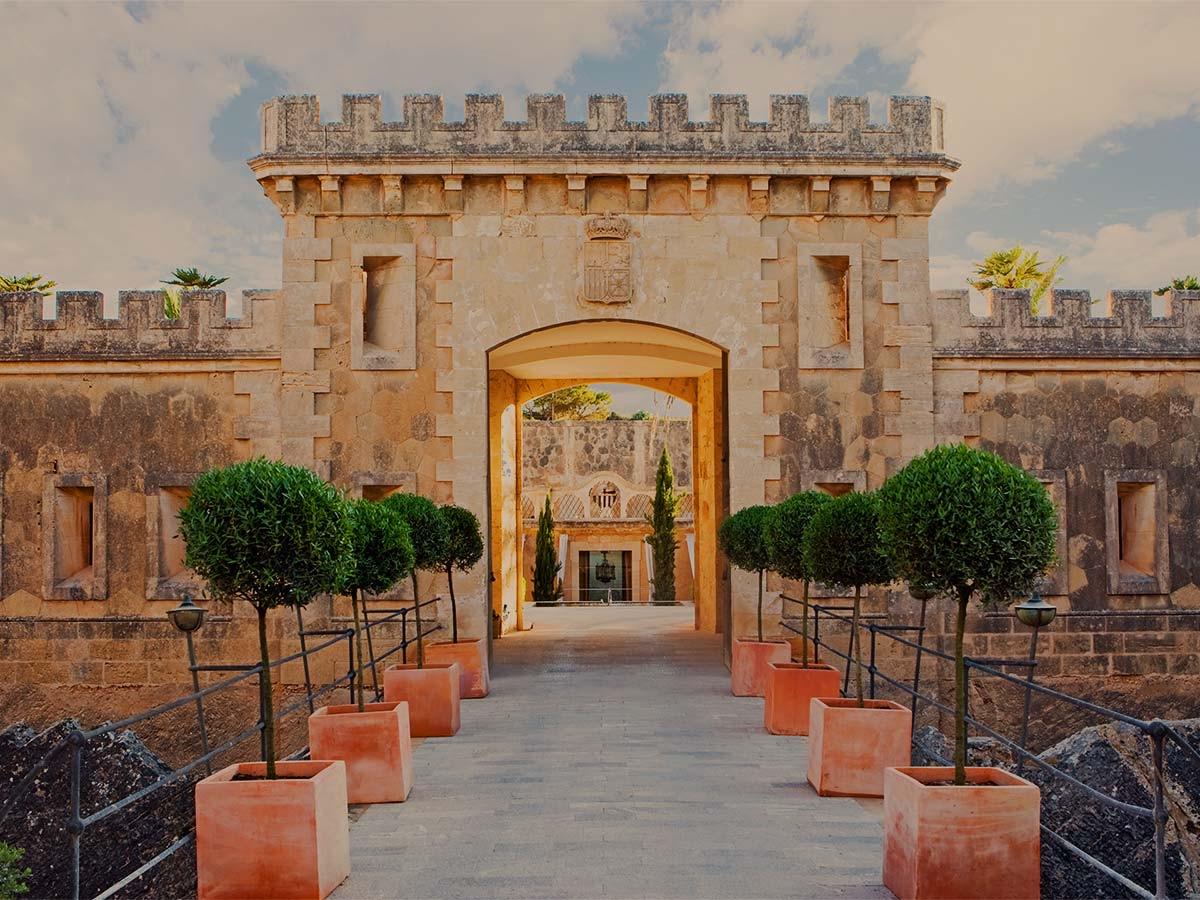
Cap Rocat
£££Mallorca, Spain
Where a 19th-century fortress hid its cannons in the cliff, Cap Rocat has rooms, each with a small pool and hammocks at the edge of the drop above the Bay of Palma.
 Grown-up & family
Concepció by Nobis
££Mallorca, Spain
Handmade tiles nearly a metre wide, in the green of the broken originals, run under the sandstone vaults of a Palma building of 1576 that once made soap.
 Grown-up
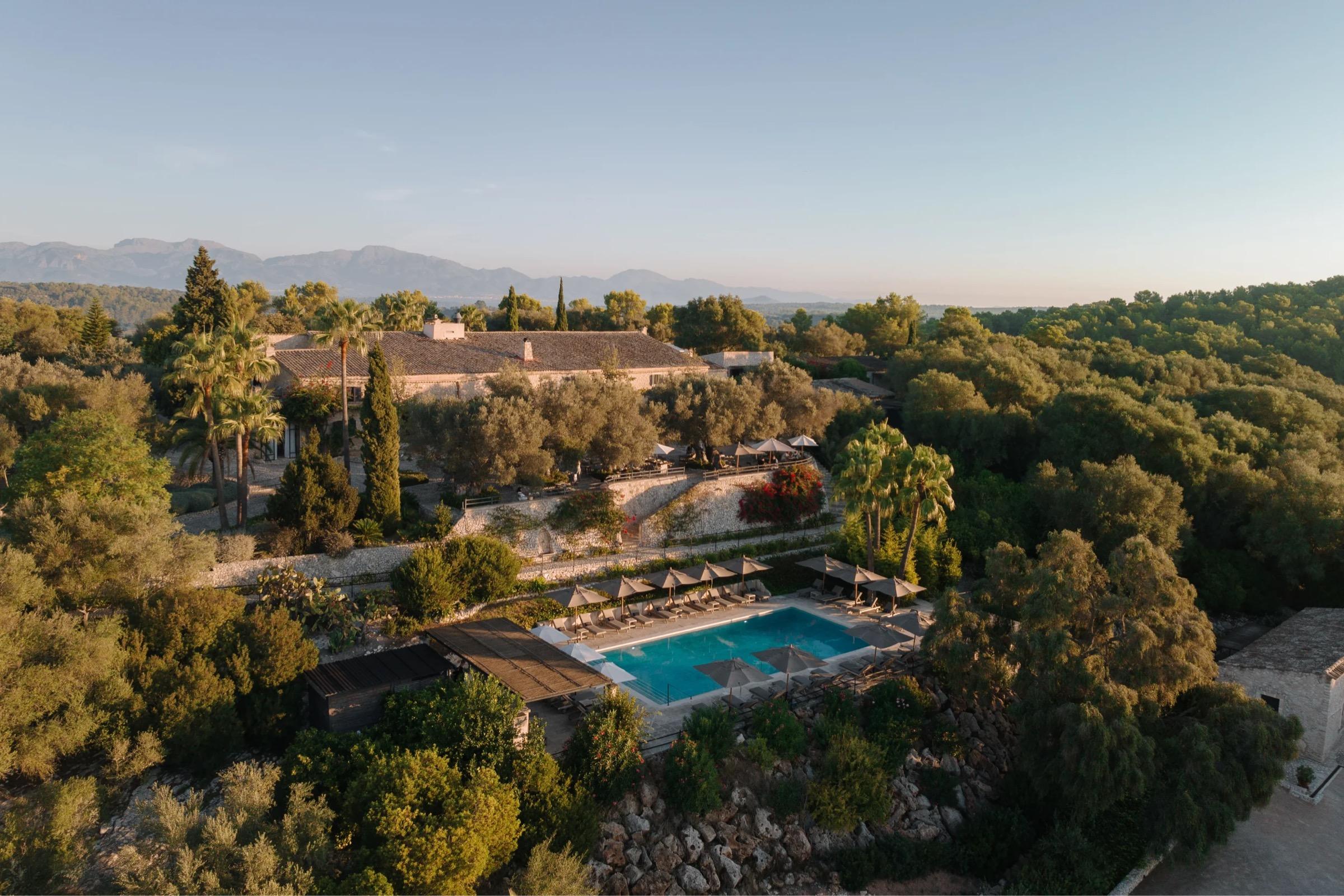
Finca Serena Mallorca
£££Mallorca, Spain
A stone farmhouse with ten hectares of its own vines in the farmland at the heart of Mallorca, and a pool under the palms that looks out over the fields.
 Grown-up
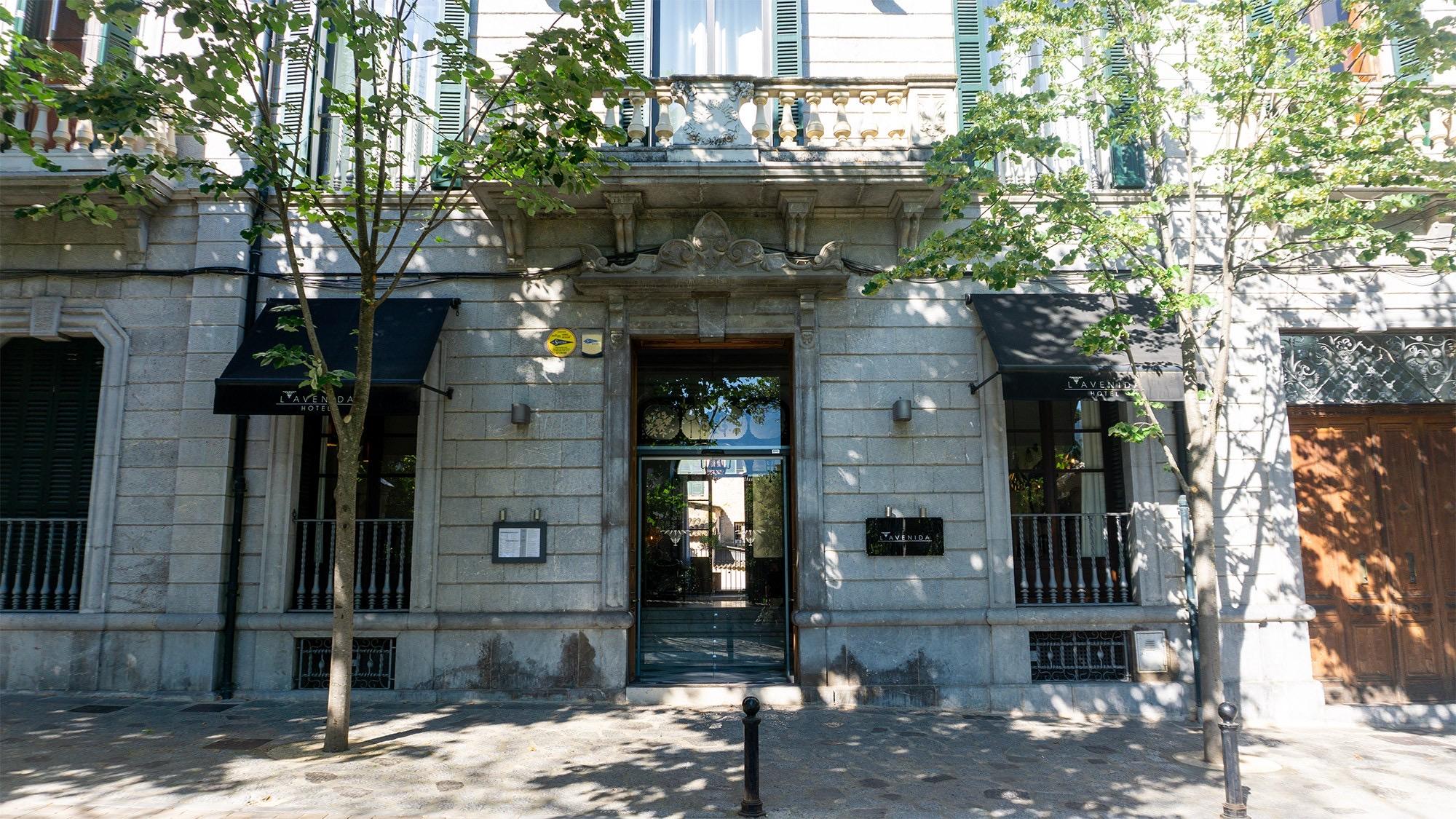
L'Avenida
££Mallorca, Spain
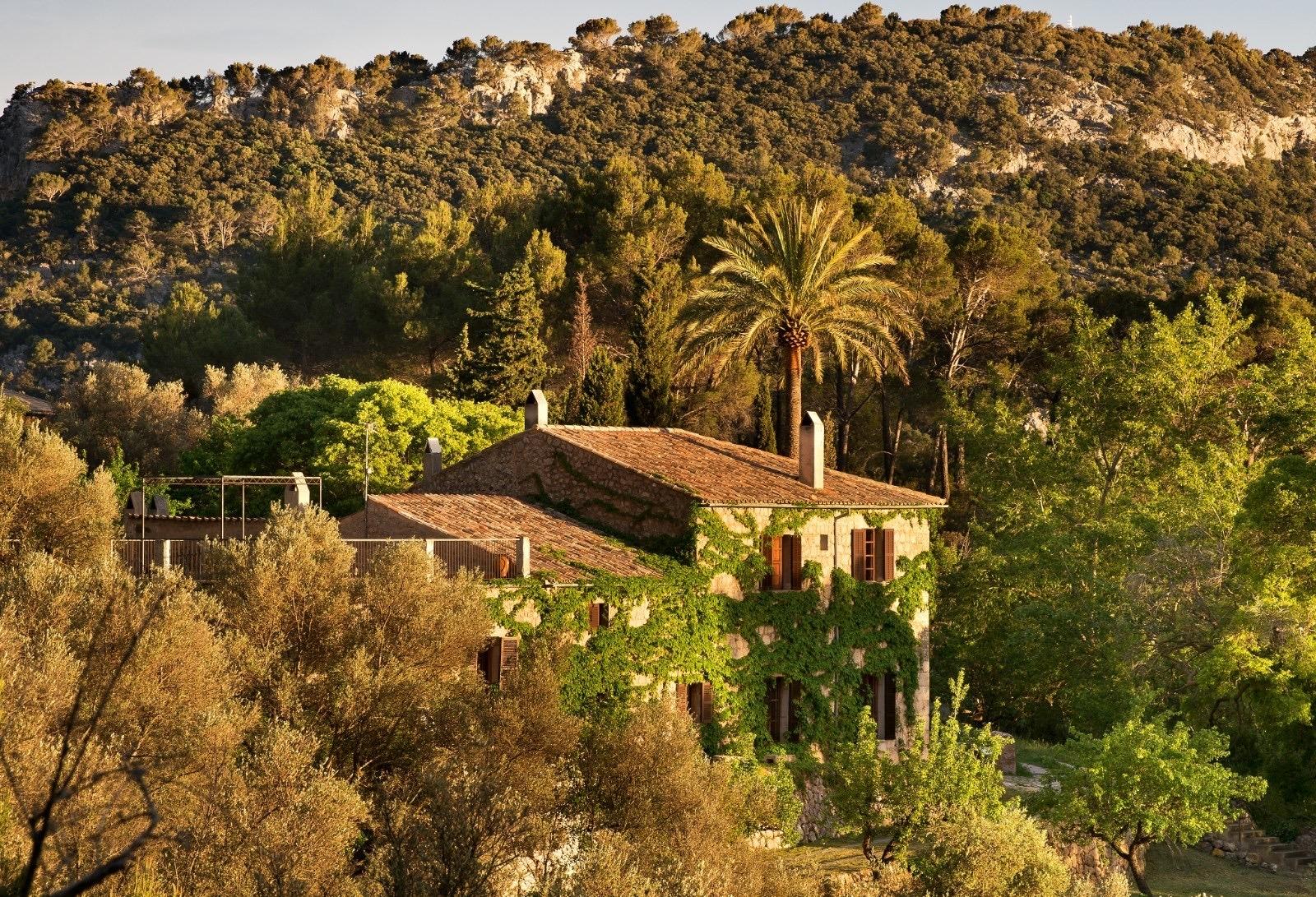
Twelve rooms for adults in a Modernista house of 1912 in Sóller, where the stair rail grows from an iron bird's head and the top floor looks over the roofs to the Tramuntana.
 Grown-up
Mirabó de Valldemossa
££Mallorca, Spain
Nine rooms in a Tramuntana finca above Valldemossa, with an infinity pool facing the village and a mountain trail, the GR 221, setting off from the grounds.
 Grown-up
Sant Francesc Hotel Singular
££Mallorca, Spain
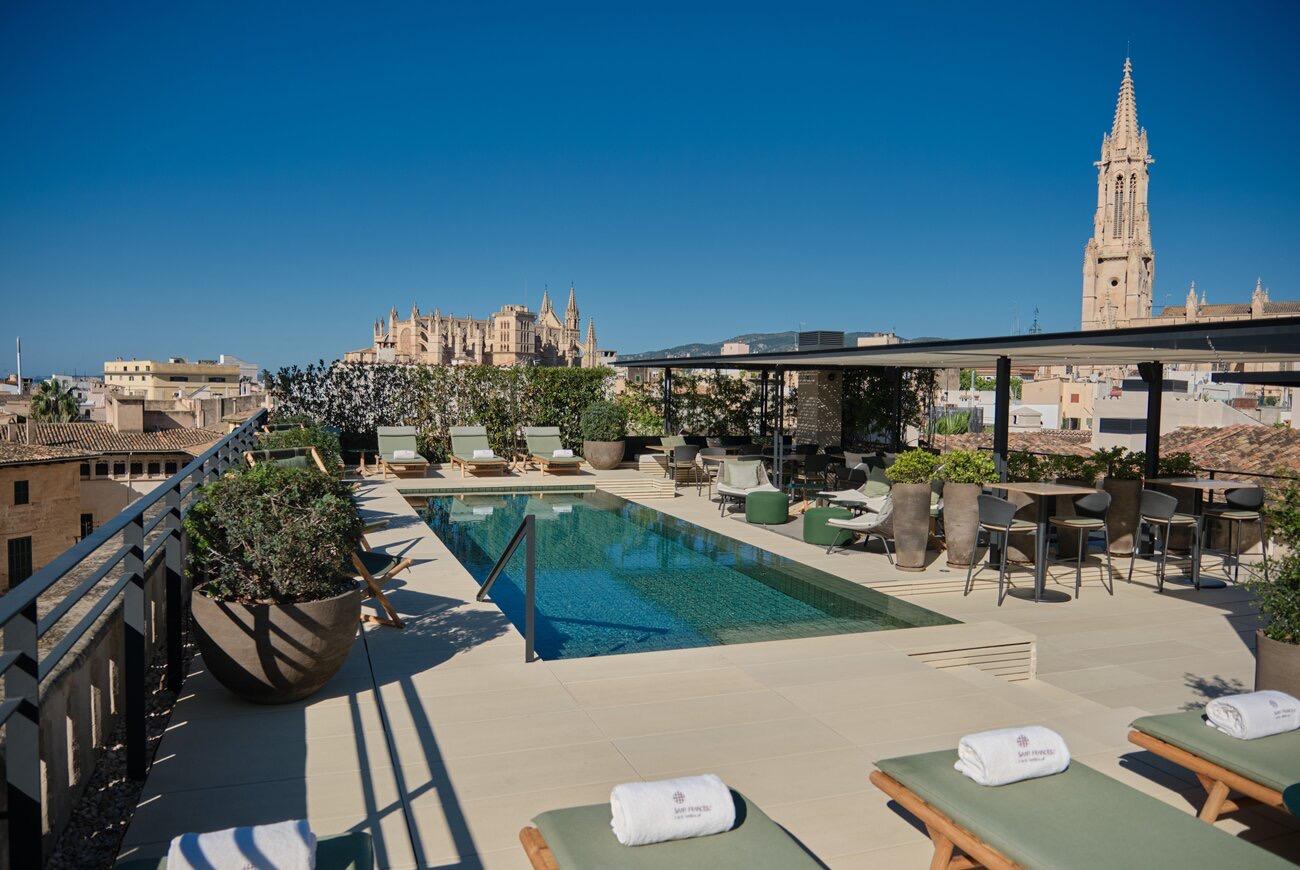
A sugar family's mansion in Palma's old town, with a pool on the roof and the old watchtower, dovecote and all, made over into a room with a hot tub on its own terrace.
