United States
Santa Barbara
We visited in October
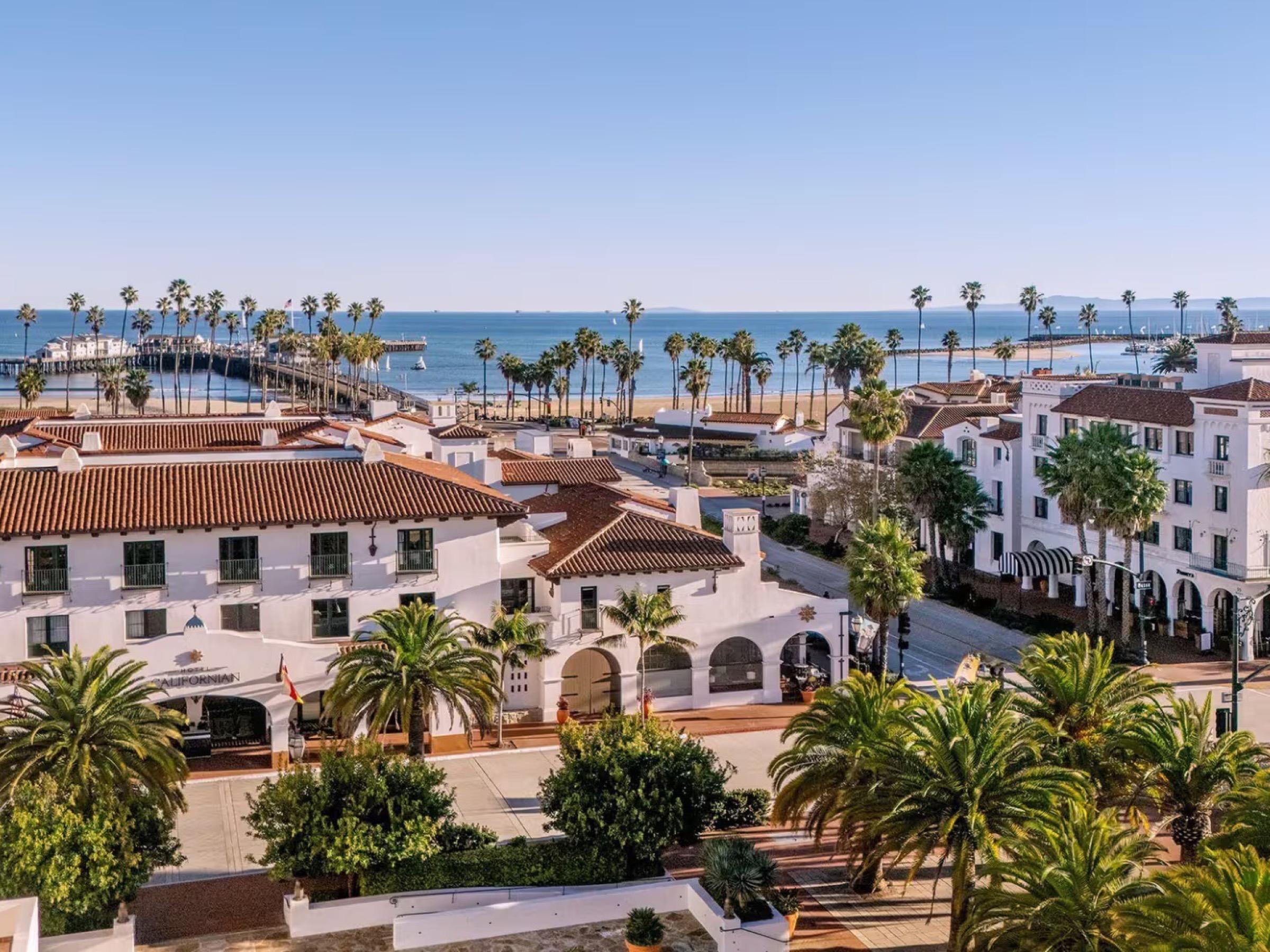
Santa Barbara has a great deal of money and keeps quiet about where it comes from. Over two October nights we watched people play golf and drink the local wine with no working day in sight, and never found out what any of them did. Part of the answer is wine, farming, tourism and the university. The rest is a long list of people who could live anywhere and chose here, which is the part we would like to copy.
The town sits on a narrow shelf of coast between the Santa Ynez Mountains and the Pacific. The earthquake of 1925 brought down much of downtown, and the rebuild went up in white stucco and red tile, arcades and wrought iron, under a Spanish Colonial Revival code that is still enforced. The height limits are the cleverest part. Nothing is allowed to get tall enough to matter, so from the clock tower of the County Courthouse, free to climb, the view runs clear over the red roofs to the sea.
We went in late October, the last stop after Los Angeles and Palm Springs, and autumn is the time: September to November is the warmest, driest stretch, and summer's crowds and prices are easing off. January and February bring the rain. Summer is dry and dear, and from late July into early August Old Spanish Days Fiesta fills the city.
We stayed in The Funk Zone, and it made a very good base: a few blocks of old warehouses between Downtown and the harbour, now more than twenty tasting rooms and taprooms, which keeps the walk between drinks short.
We hired bikes and rode the flat path along Cabrillo Boulevard, a few miles down the coast to Montecito. It is one of the most expensive places to live in the country, and from the road its houses are mostly hedge. The coffee was easier to get at, and good. For a longer day, the vineyards of the Santa Ynez Valley are about an hour inland.
We ate very well wherever we went, from seafood to Indian. One night it was dinner at the far end of Stearns Wharf, the wooden pier at the foot of State Street, built in 1872 and still holding up the seafood counters. In The Funk Zone we had Mexican at one of a few local places, and by all accounts most of them are good, which leaves the choice to whichever is nearest the last taproom.
- Best months
- September to November, for the warmest, driest weather and thinning crowds
- Avoid
- January and February, the rainiest months, and the height of summer, when prices and crowds peak
- Nearest airport
- Santa Barbara Airport (SBA)
- Transfer
- about 15 to 20 minutes to downtown
Neighbourhoods
- The Waterfront
Where to stay
6 hotels
6 hotels
 Grown-up
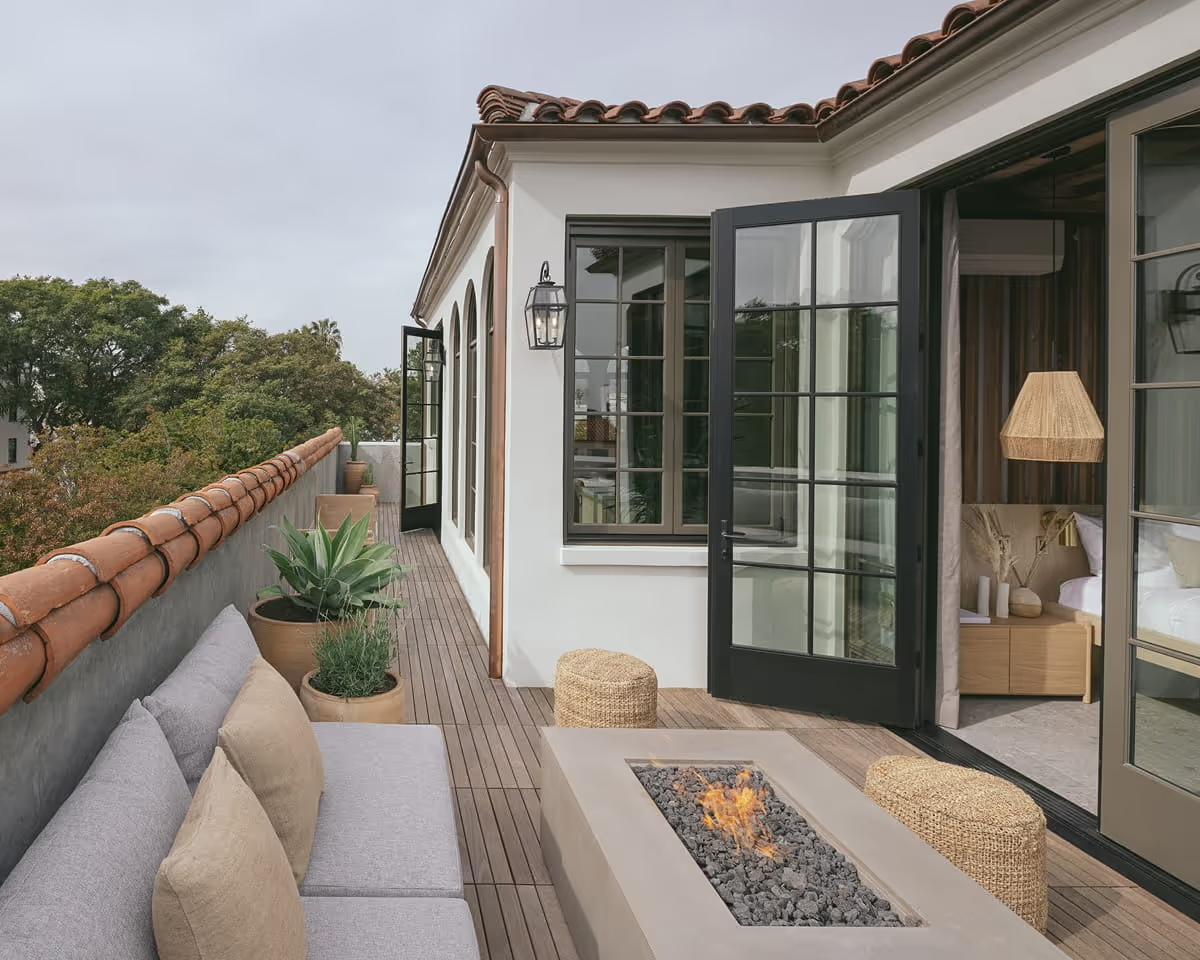
Drift Santa Barbara
££Santa Barbara, United States
A white stucco hotel on State Street that lends you a surfboard for the beach ten minutes down the road, and keeps a mezcal list for the walk back.
 Grown-up & family
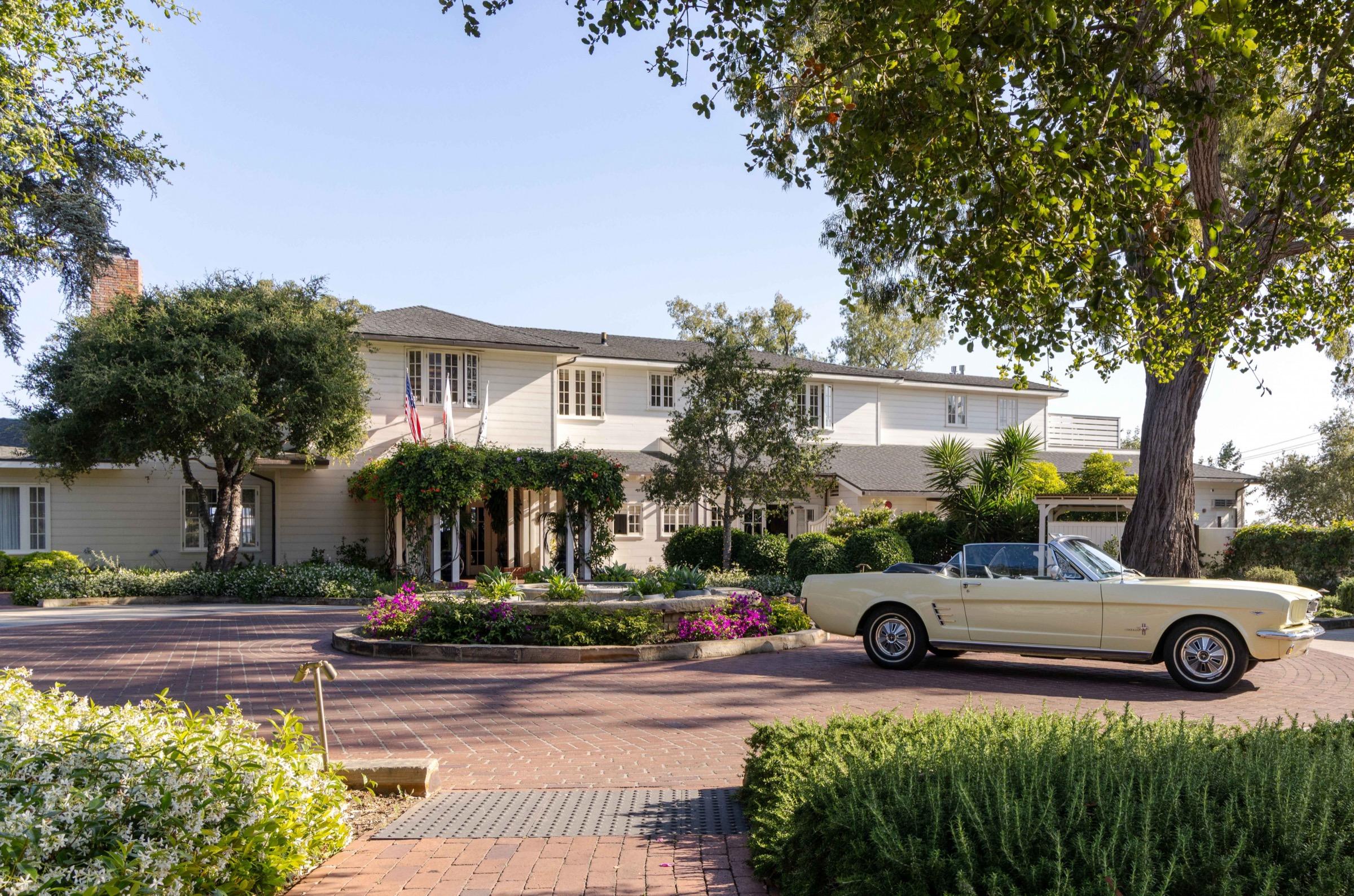
El Encanto
££££Santa Barbara, United States
A heated pool looks over Santa Barbara's rooftops to the Pacific from seven acres of Riviera garden, at a hotel that makes its own cheese from its own cow.
 Grown-up & family
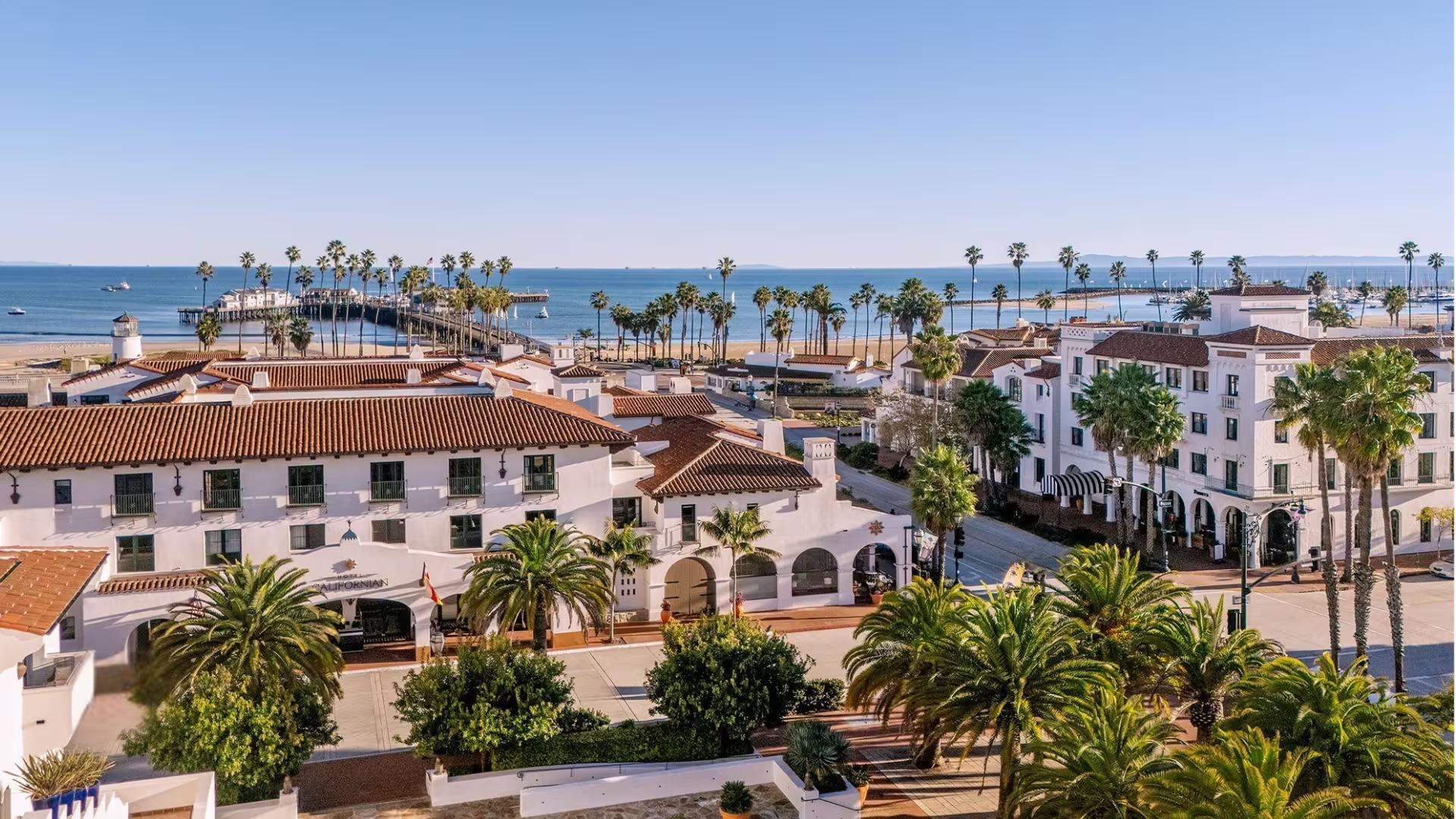
Hotel Californian
££££Santa Barbara, United States
More than a million tiles went into this white Spanish Revival hotel at the beach end of State Street, and many of them were painted by hand in Morocco.
 Grown-up & family
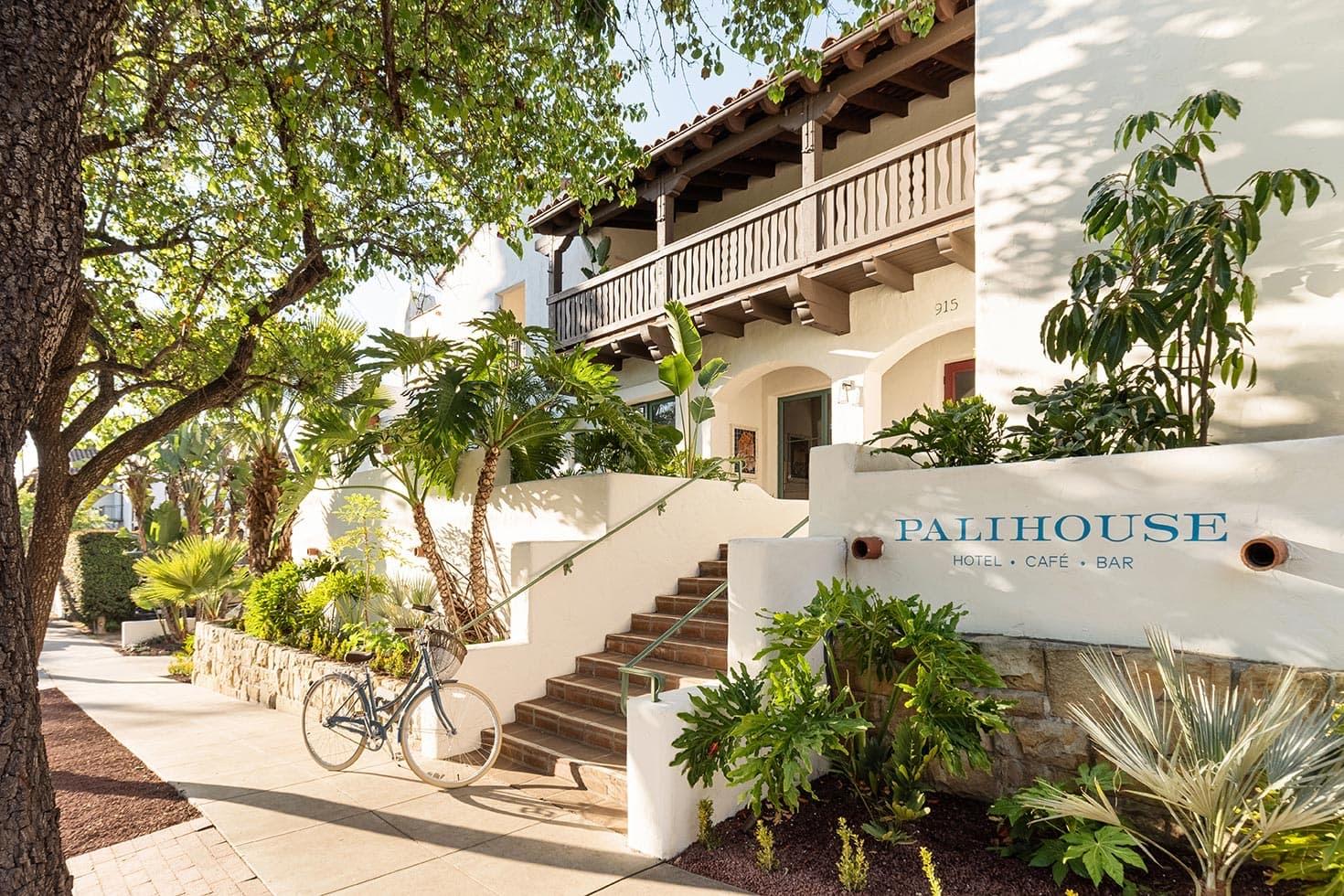
Palihouse Santa Barbara
£££Santa Barbara, United States
Two dozen rooms round a fountain courtyard in Santa Barbara's old Presidio, each with a fireplace and a patio of its own.
 Grown-up & family
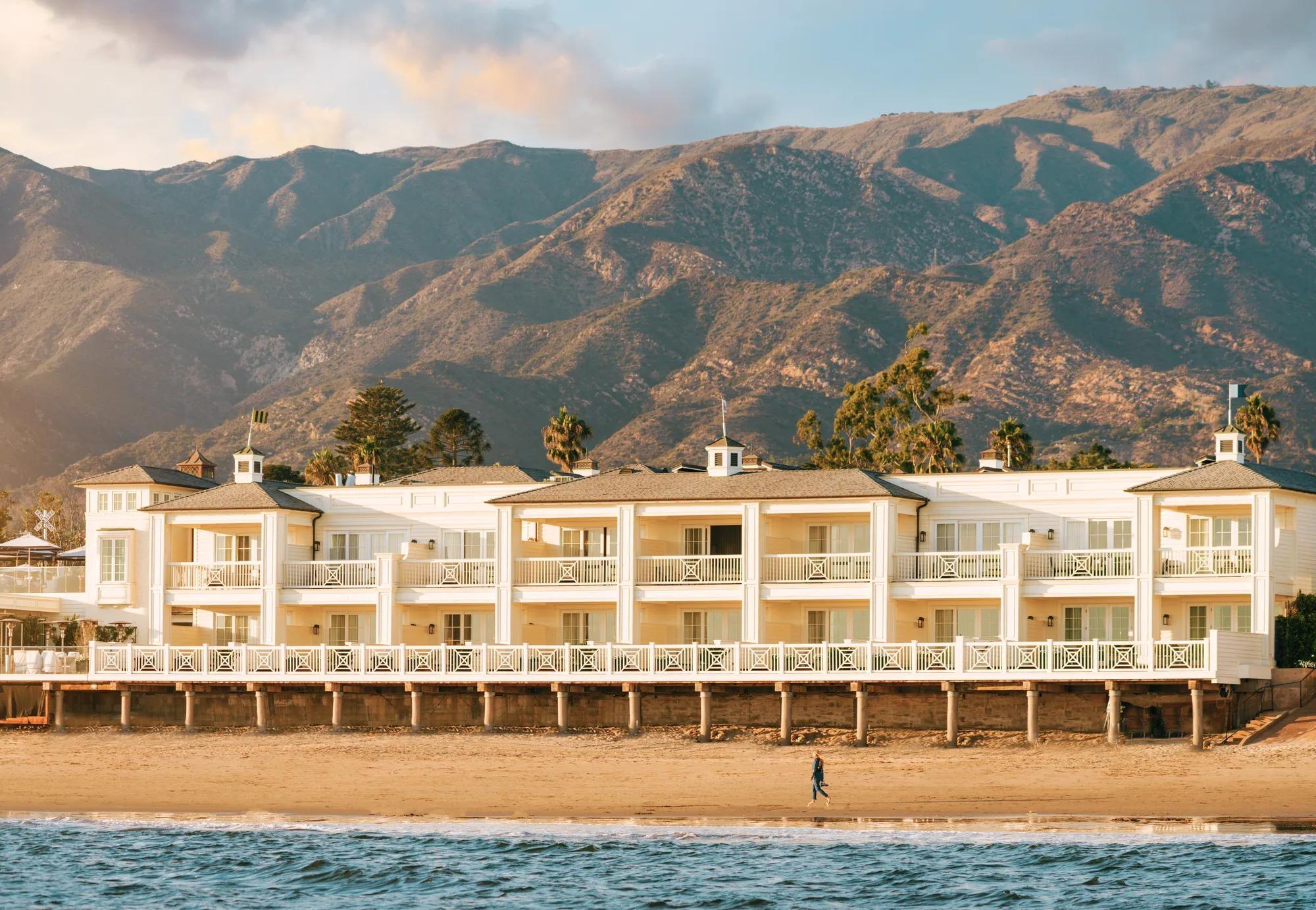
Rosewood Miramar Beach
££££Santa Barbara, United States
The only hotel on the South Coast with rooms on the sand: white clapboard on pilings in Montecito, with the Surf Club's boards going out below the balconies.
 Grown-up
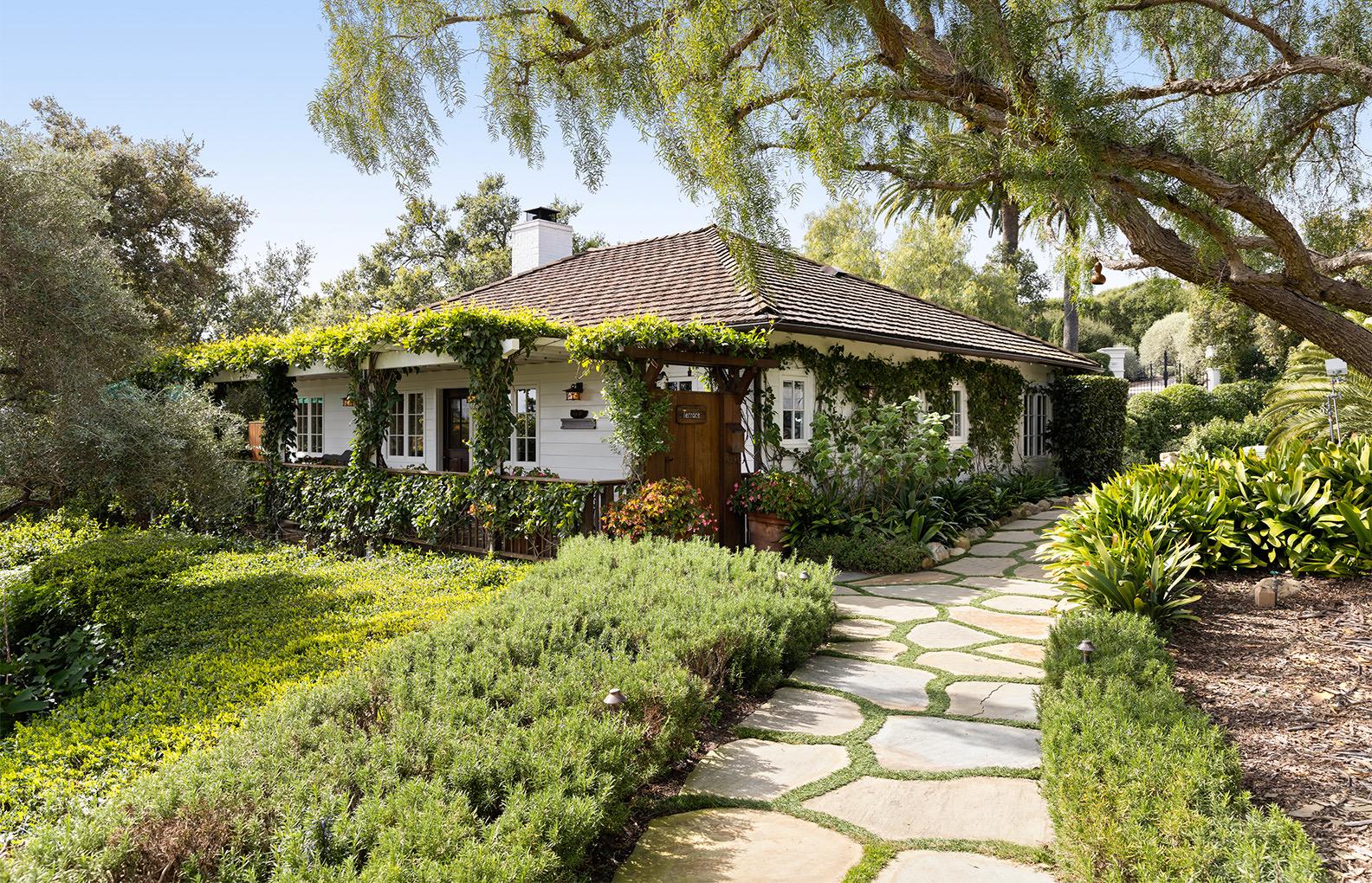
San Ysidro Ranch
££££Santa Barbara, United States
Dinner in the sandstone house where a Montecito ranch once packed its oranges, then back through the gardens to a cottage with a fire and a hot tub of its own.
Where to eat
3 restaurants
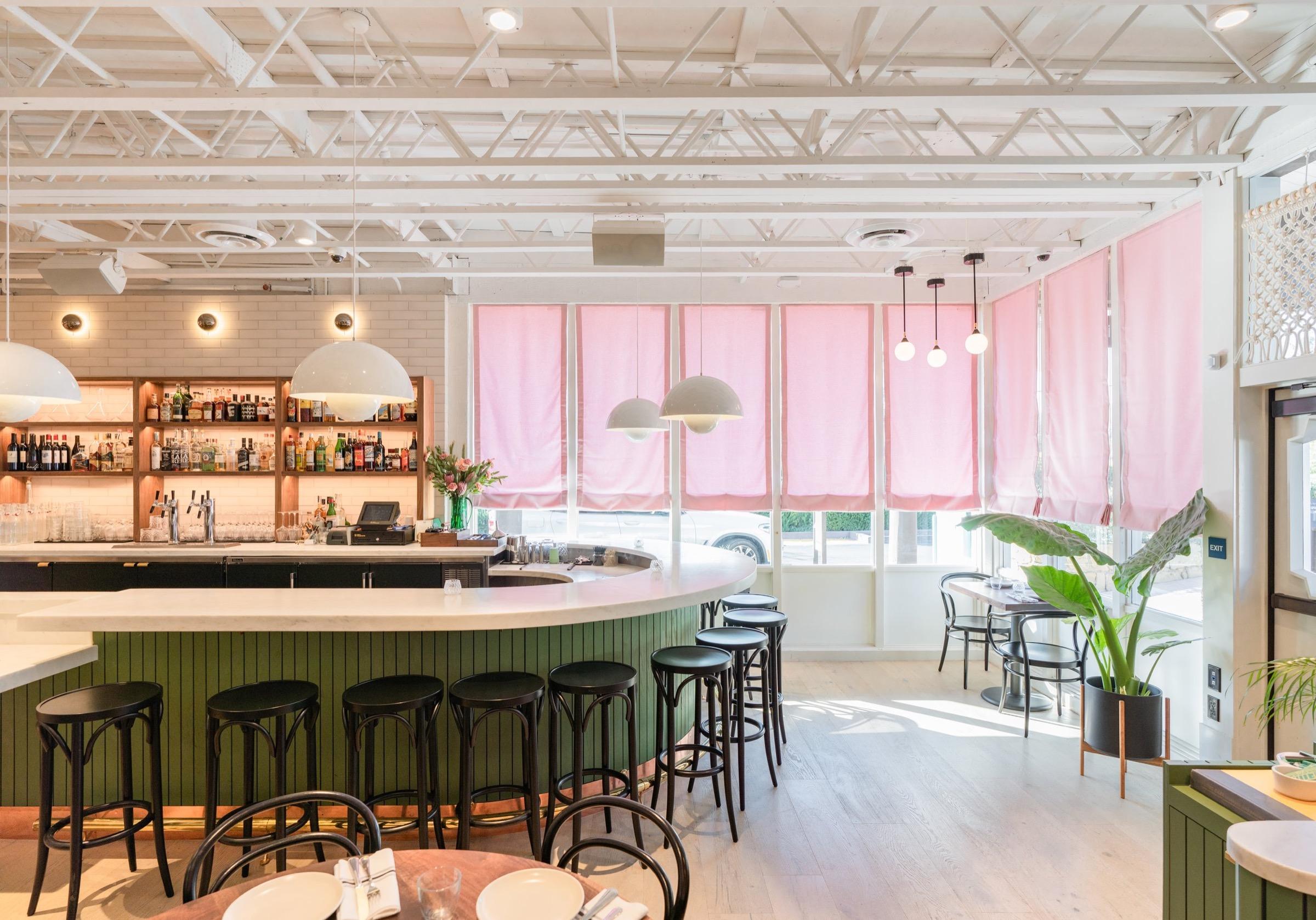
Bettina
££ · Recommended
Montecito · Neapolitan-style pizza
Wood-fired Neapolitan-style pizza from an ex-Roberta's baker, with slow-fermented dough, in the Montecito Country Mart.
Reviewed in The Infatuation and the Michelin Guide
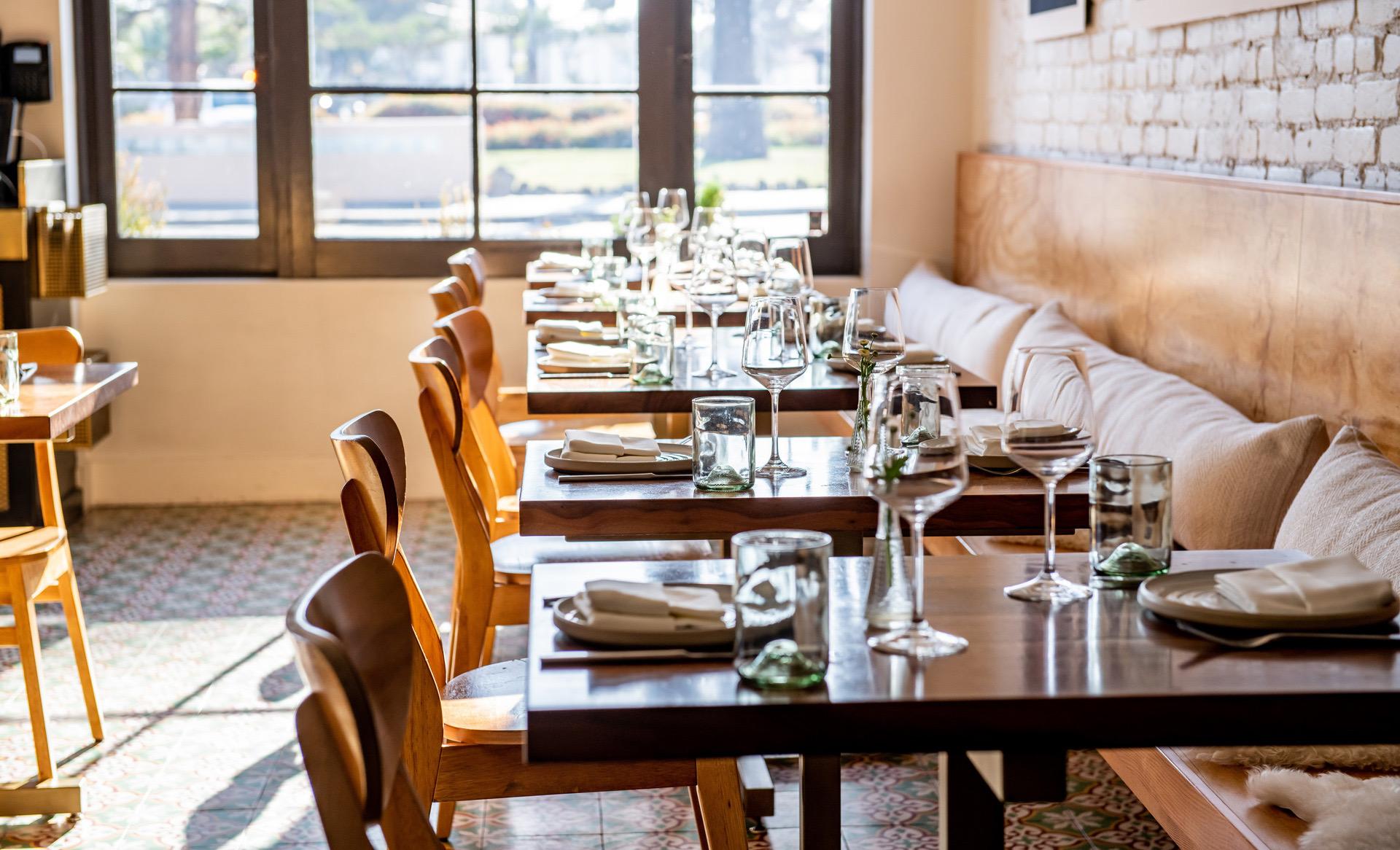
Loquita
££ · Recommended
The Funk Zone · Spanish tapas
Spanish tapas and wood-fired paella on a twinkle-lit patio at the edge of the Funk Zone.
Reviewed in The Infatuation and the Michelin Guide
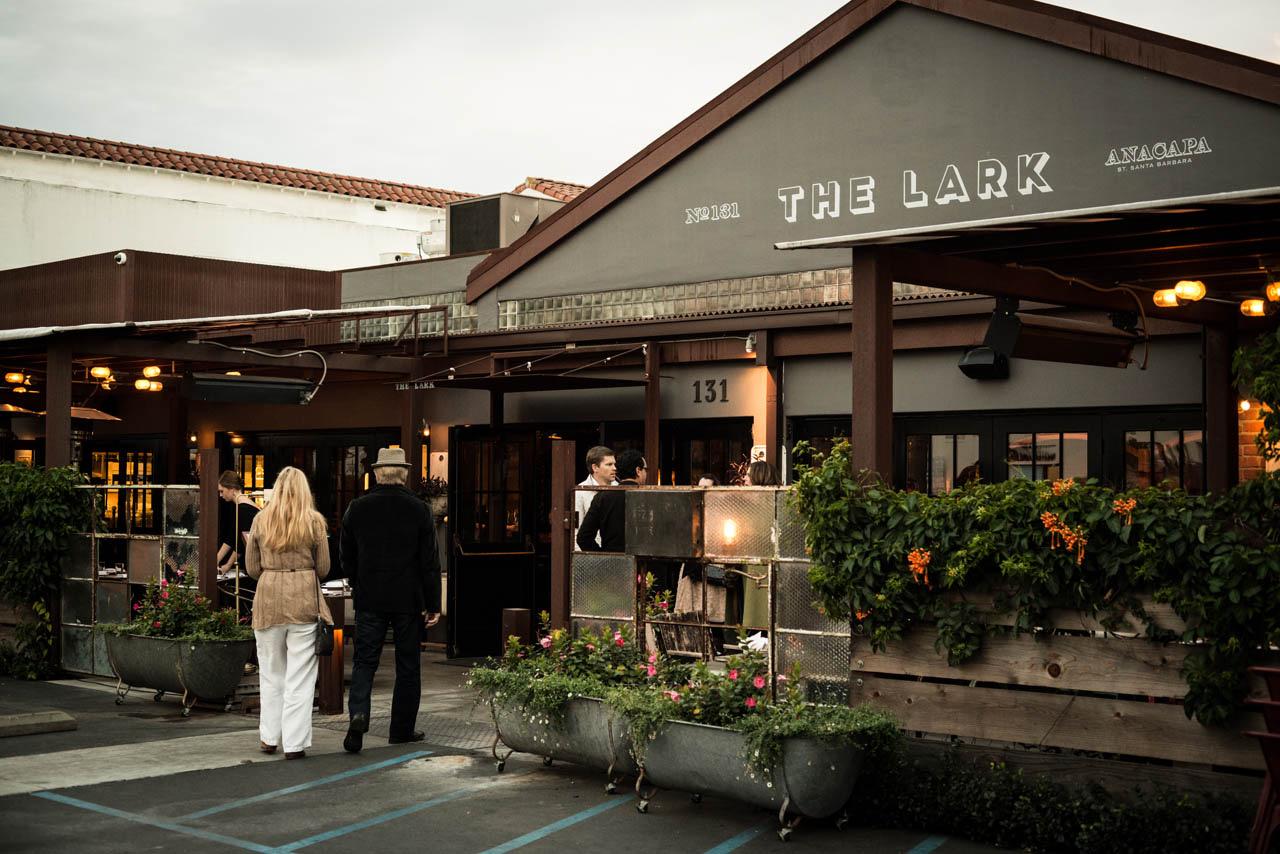
The Lark
£££ · Recommended
The Funk Zone · Californian
Family-style Central Coast cooking, from oysters to a pastrami-rubbed ribeye, in a converted fish market warehouse.
Reviewed in The Infatuation and the Michelin Guide