
Road trips
The Long Way from Bozeman to Denver
On our first June morning in a tent outside Yellowstone the phone read 3°C and snow showers, and Denver was six days and most of Utah away.
Two Brits living in New York, a hire car and a driving playlist that leaned heavily on Van Morrison: that was the whole plan. We wanted the parts of America we had only ever seen from a plane window, and the national parks were the excuse. What stayed with us was the road between them, long and very often empty, and the people along it, who were warmer than they had any need to be.
We went from Bozeman to Denver by way of Yellowstone and the Tetons, then down across Utah, with the map open on someone's knee and nobody in a hurry. We slept somewhere different almost every night: a 1960s motel one night, a tent the next.
Bozeman
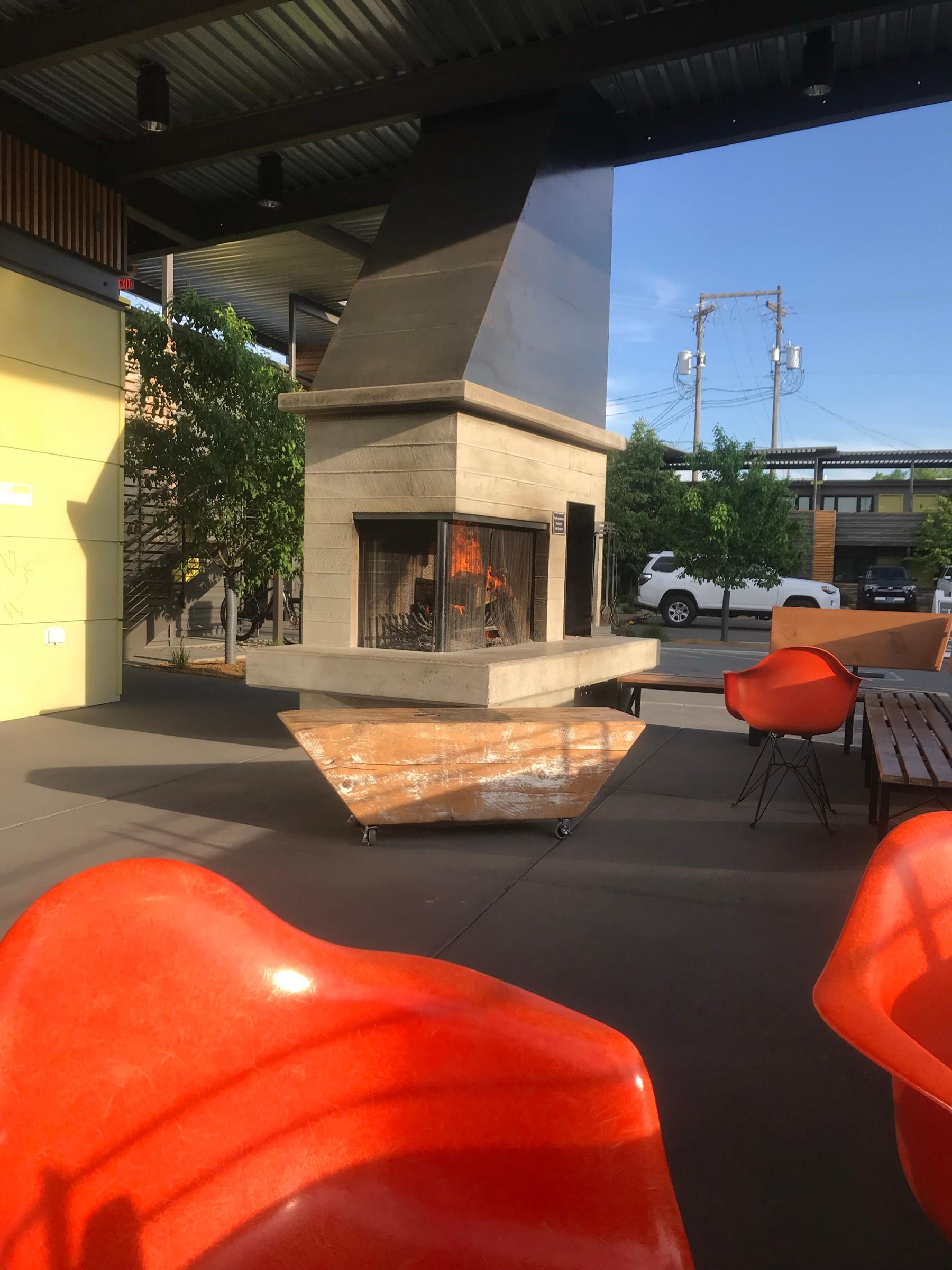
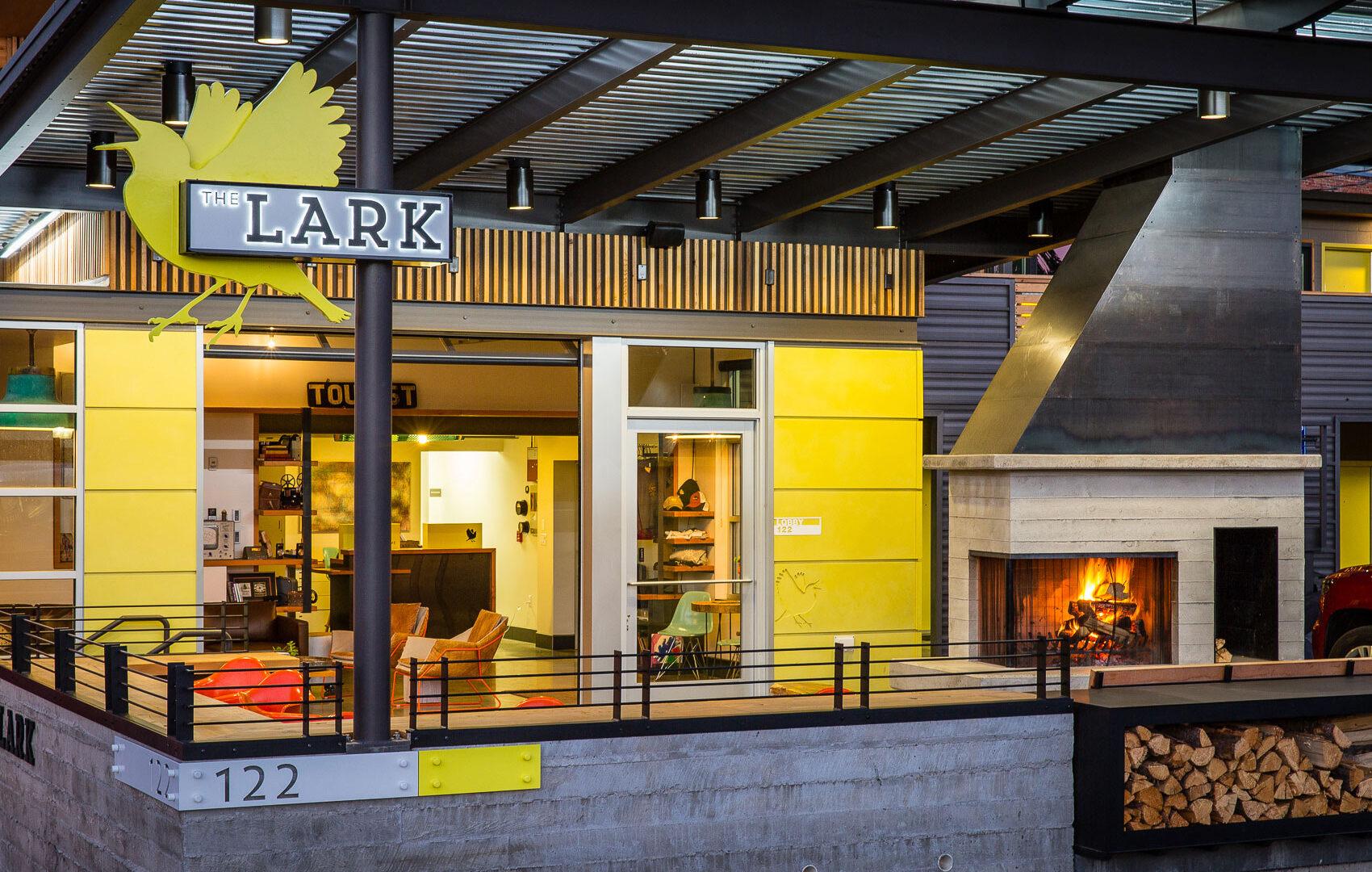
Bozeman's Main Street looks like the one in a film about a town that is doing fine: brick fronts, a hotel sign up on the skyline, and the Bridger Mountains at the end of the cross streets. The LARK went up here in 1963 as the Imperial "400" Motel and became a hotel in 2015 with the building kept. We had one night. The room did its job, and the courtyard did rather more: after dark the fire was going under its steel hood, and it was the best seat in town for a first evening. Bozeman has a brewery too, and we went to try the beer and liked it.

Bannack
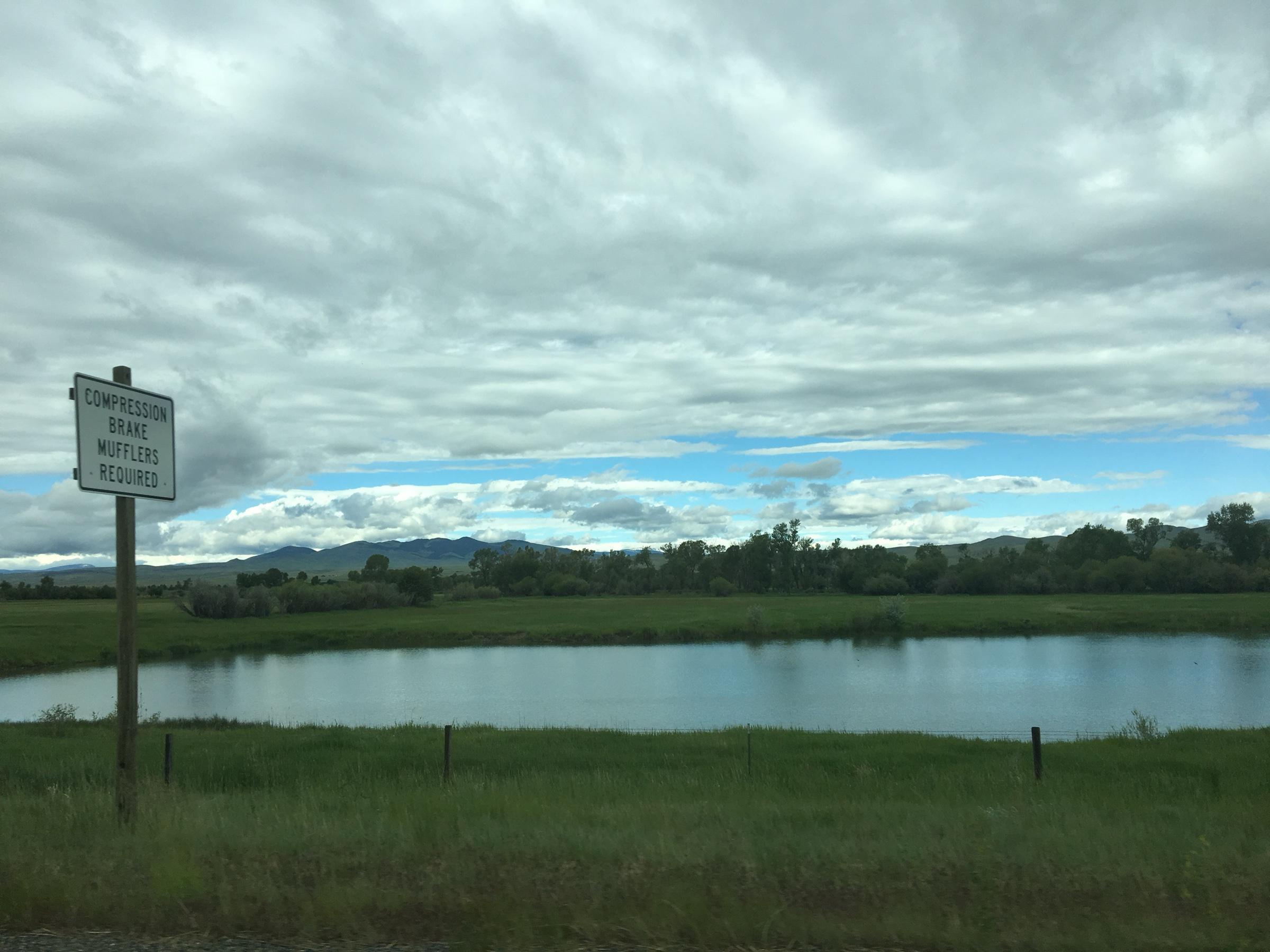
Yellowstone could wait until the afternoon. One of us was desperate to see a gold-rush town and the other was not keen, so we pointed the car west, past Twin Bridges and Dillon, through wet green ranchland under a sky the colour of pewter. Bannack is where Montana's first major gold discovery was made, on 28 July 1862. A year later more than 3,000 people lived here, and it was Montana's first territorial capital. As the gold dwindled, so did the town.
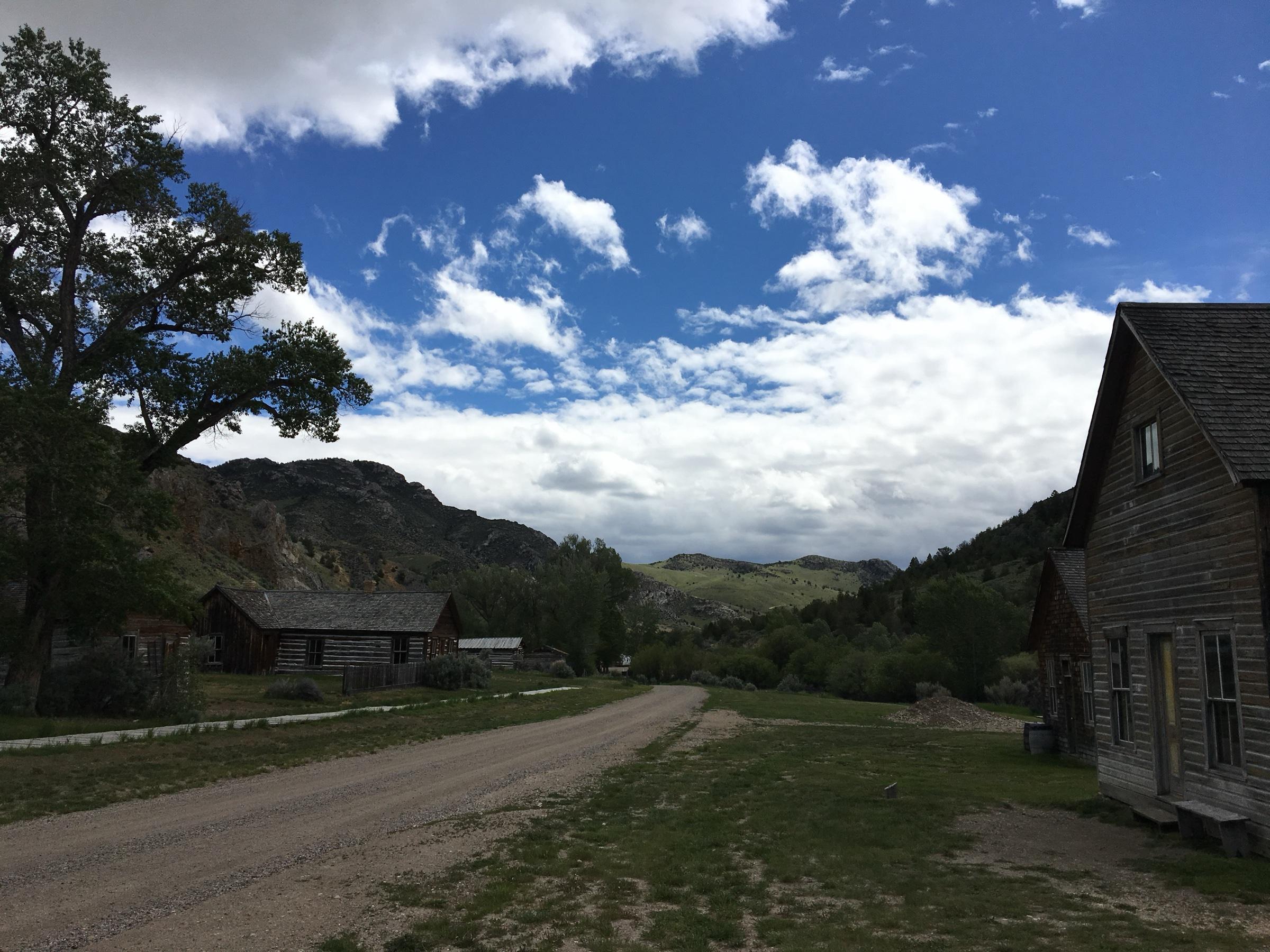
What it left is more than fifty buildings along Main Street, log and frame, weathered to silver, with the boardwalks still running in front of them. There is a brick hotel with a balcony across its front, a clapboard hall with its doors standing open, and a schoolroom with the desks still in rows before the blackboard, waiting for a class that left a very long time ago. The one who was not keen will admit it was kind of cool.
Yellowstone

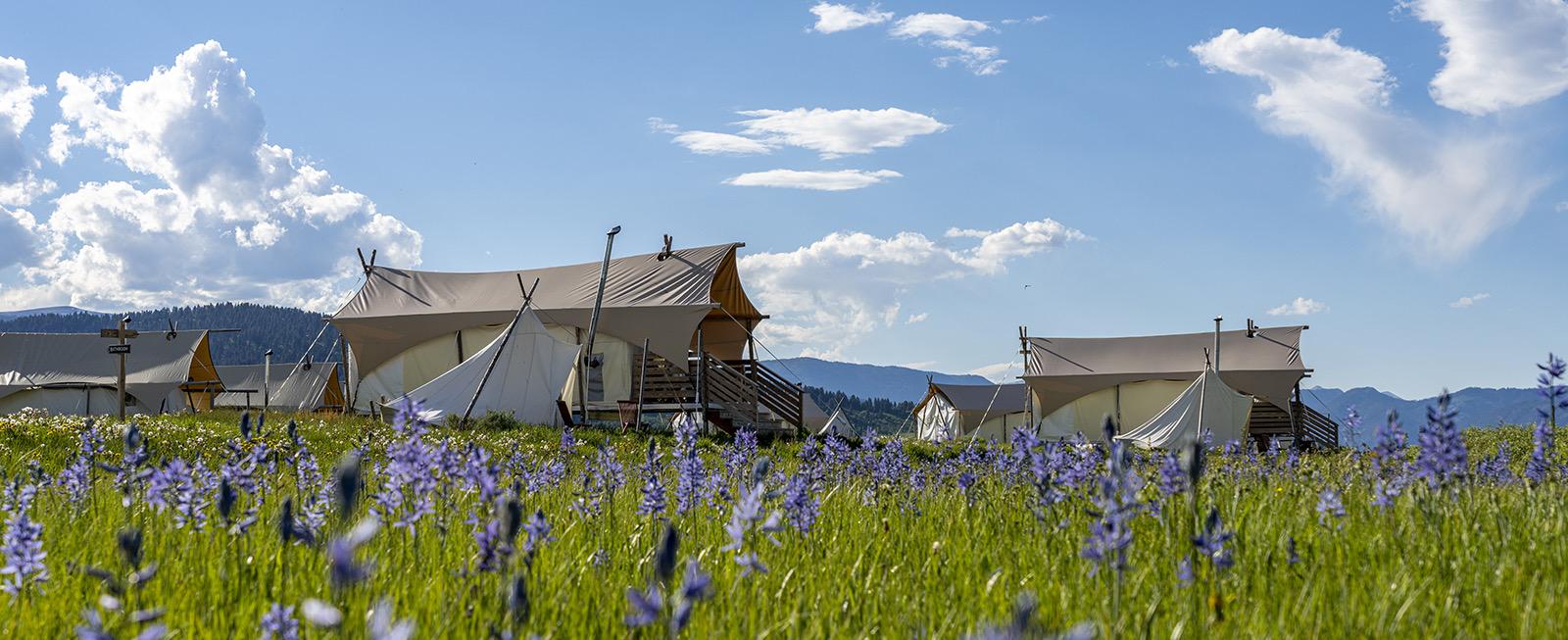
Under Canvas Yellowstone is where the company began, in 2012, ten minutes' drive from the park's West Entrance. We came back from the park that first evening to a tent lit by a lantern, with a cowhide on the floor, two chairs and a wood burner that turned out to be the most important thing in it. The night was cold enough to see our breath. At 7:15 the next morning the phone said West Yellowstone, snow showers, 3°C. It was June. None of it mattered from inside a bed that cosy, under canvas, under more stars than either of us had seen from New York.
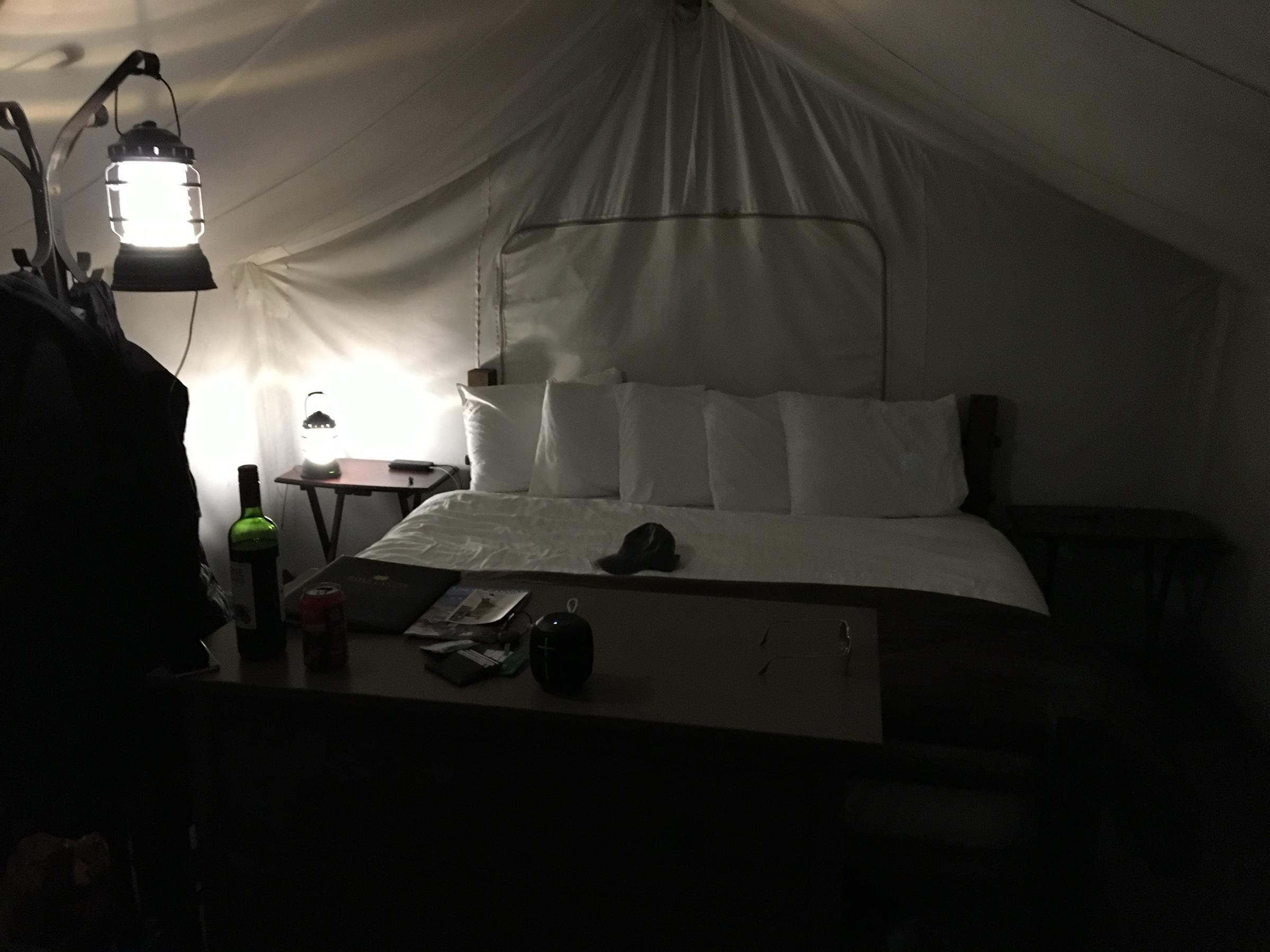
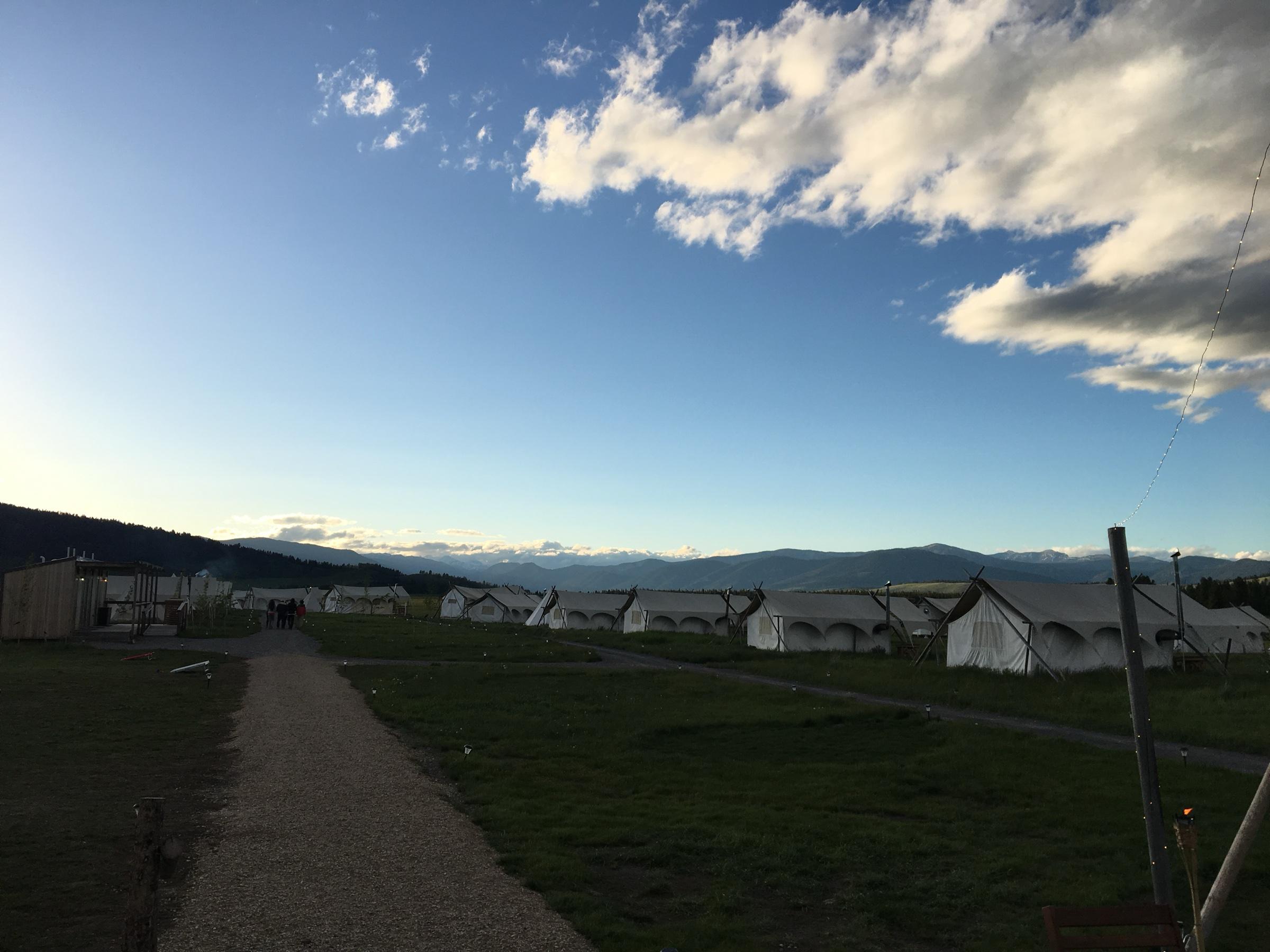
There is no wifi in the tents, on purpose, and no shuttle either. Under Canvas's own advice is to rent a car, which by then we had done.
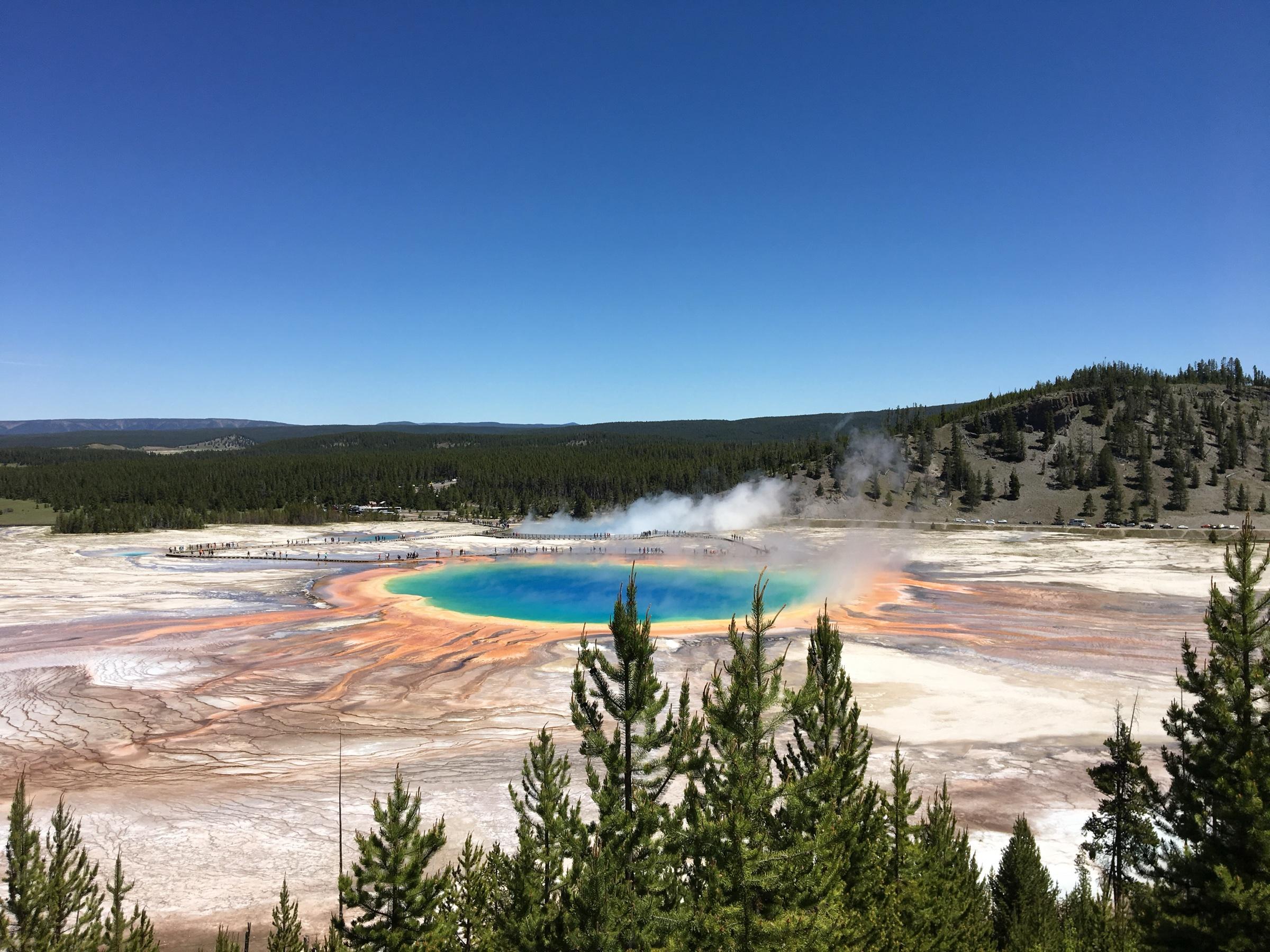
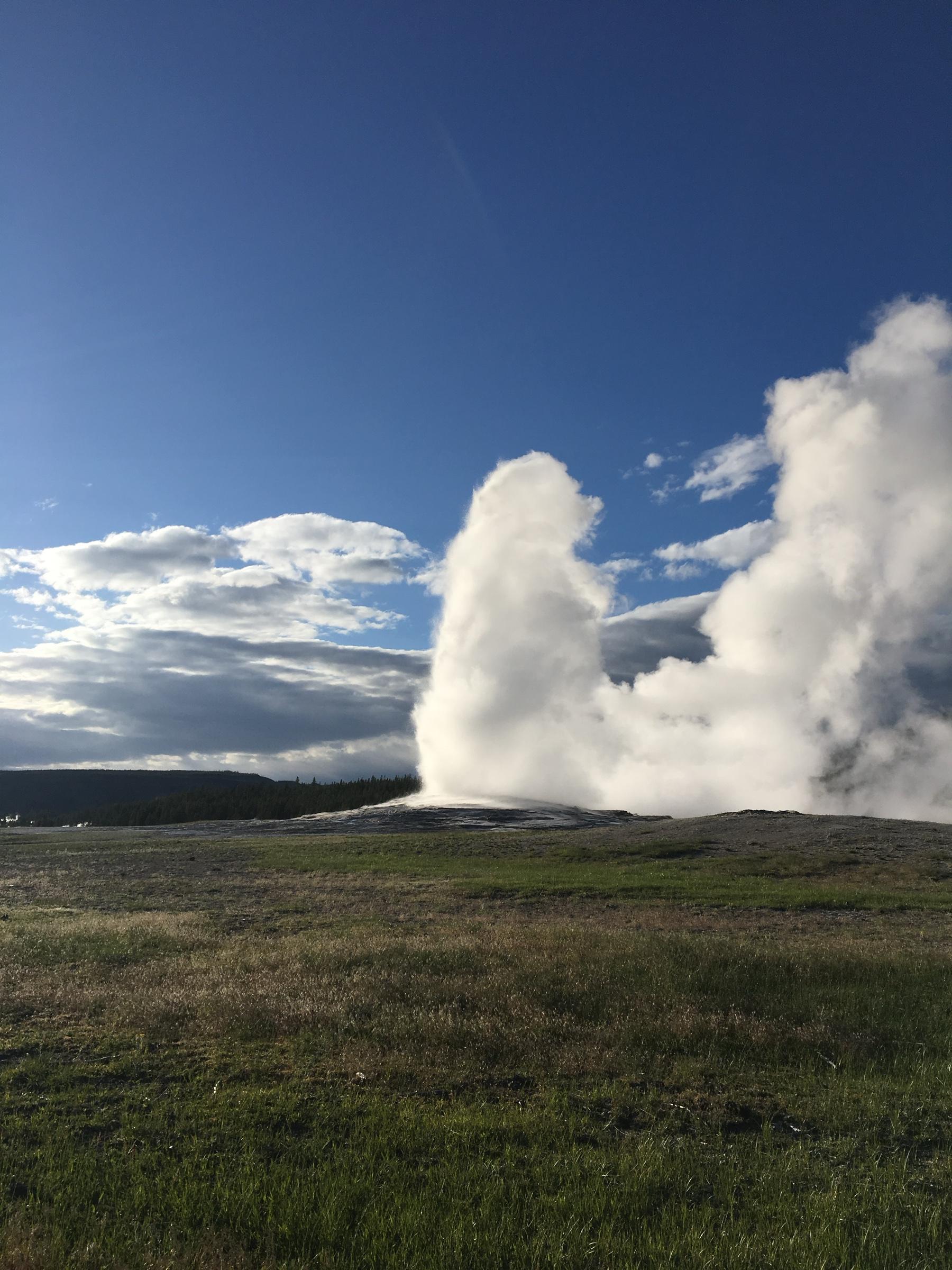
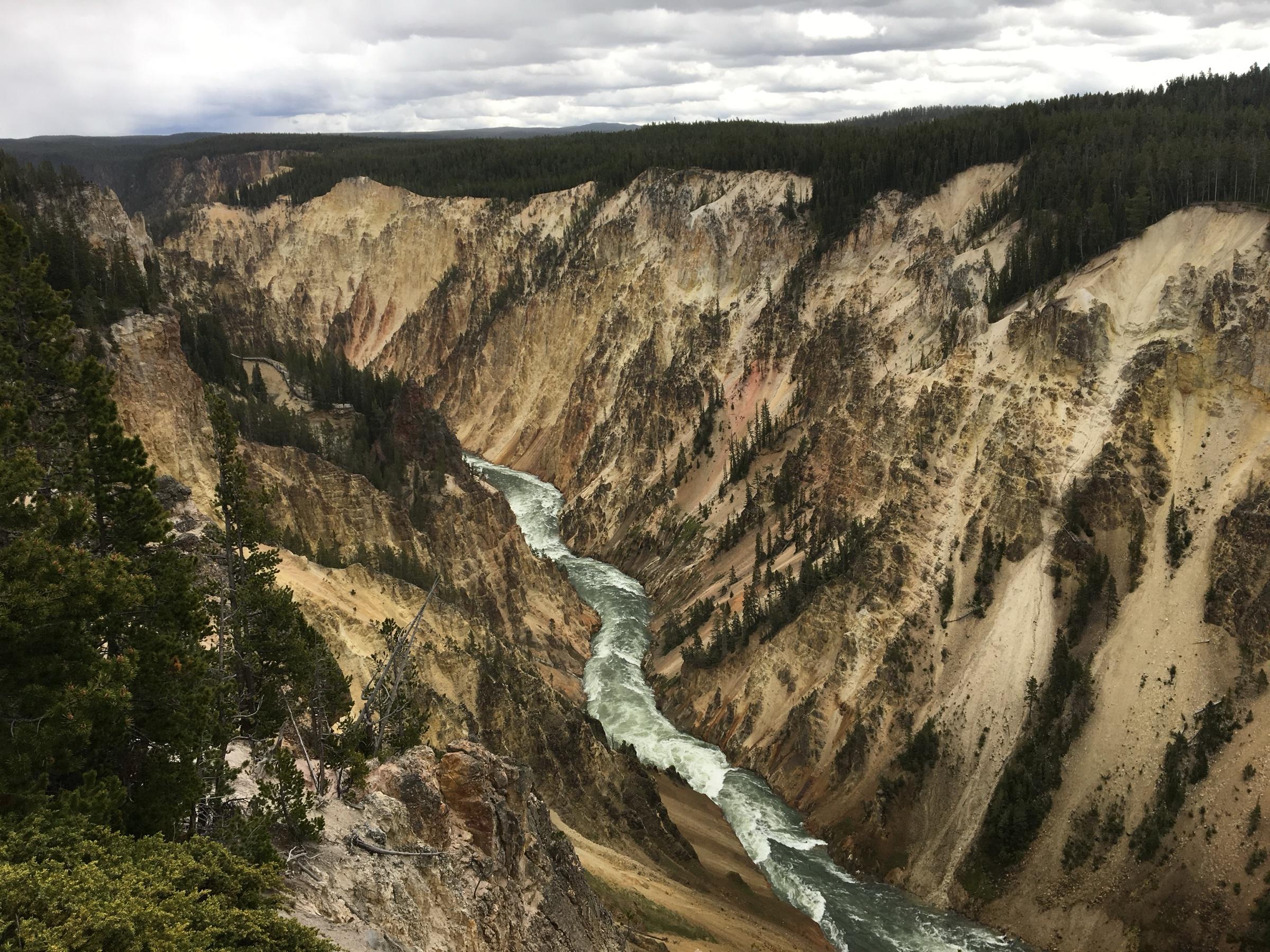
Yellowstone itself is stranger than the postcards let on. The ground steams. Pools sit in the earth in colours that look mixed by hand, and Grand Prismatic Spring, a blue eye in an orange rim, is best seen from the hillside above, where it all makes sense at once. Old Faithful went up while we stood and watched, a white column against a hard blue sky. The Grand Canyon of the Yellowstone is yellow, as advertised, its walls stained ochre and cream, with the Lower Falls dropping white into it, the river running green far below and the last of the snow still lying on the ledges.
The Tetons
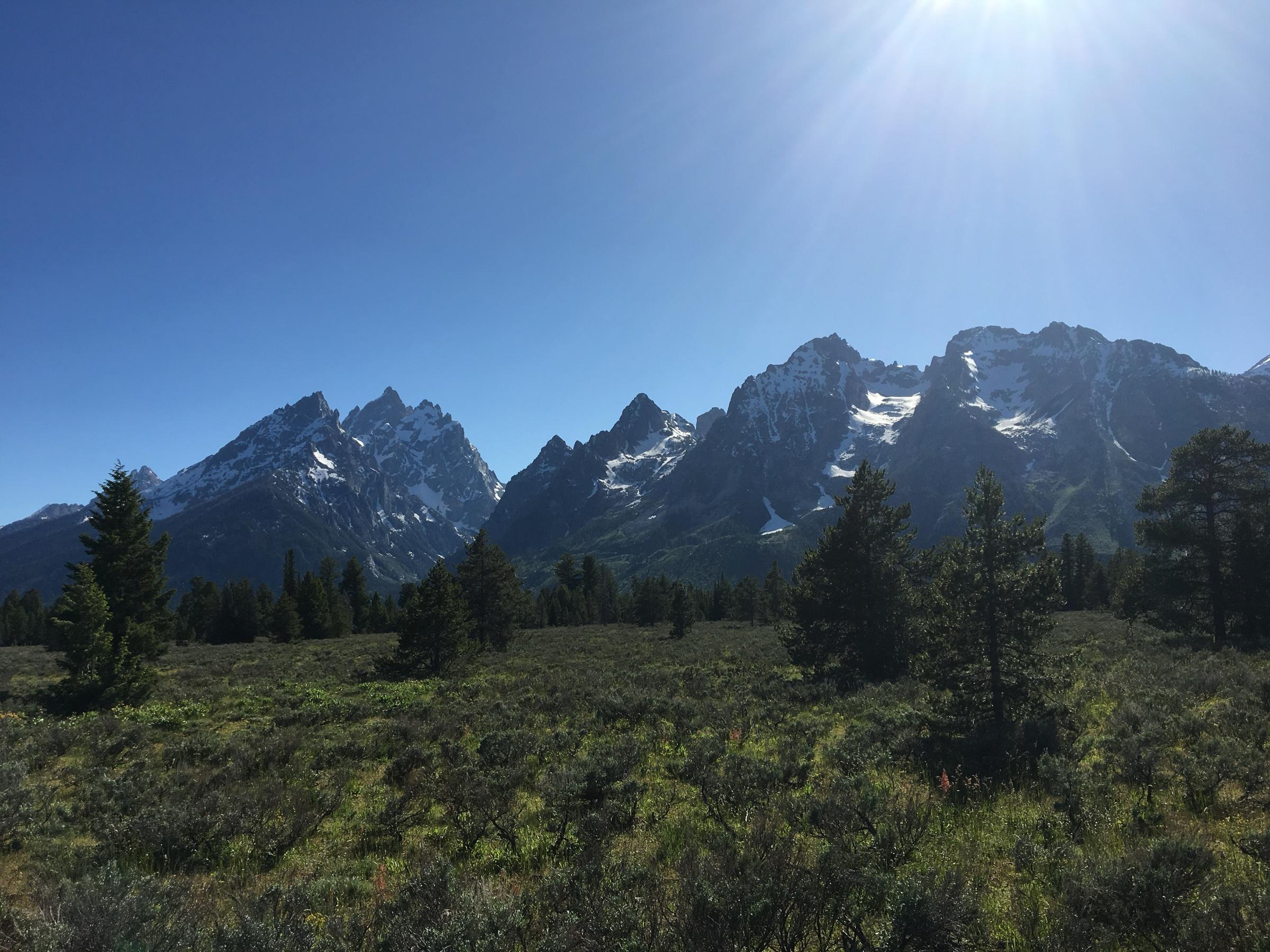
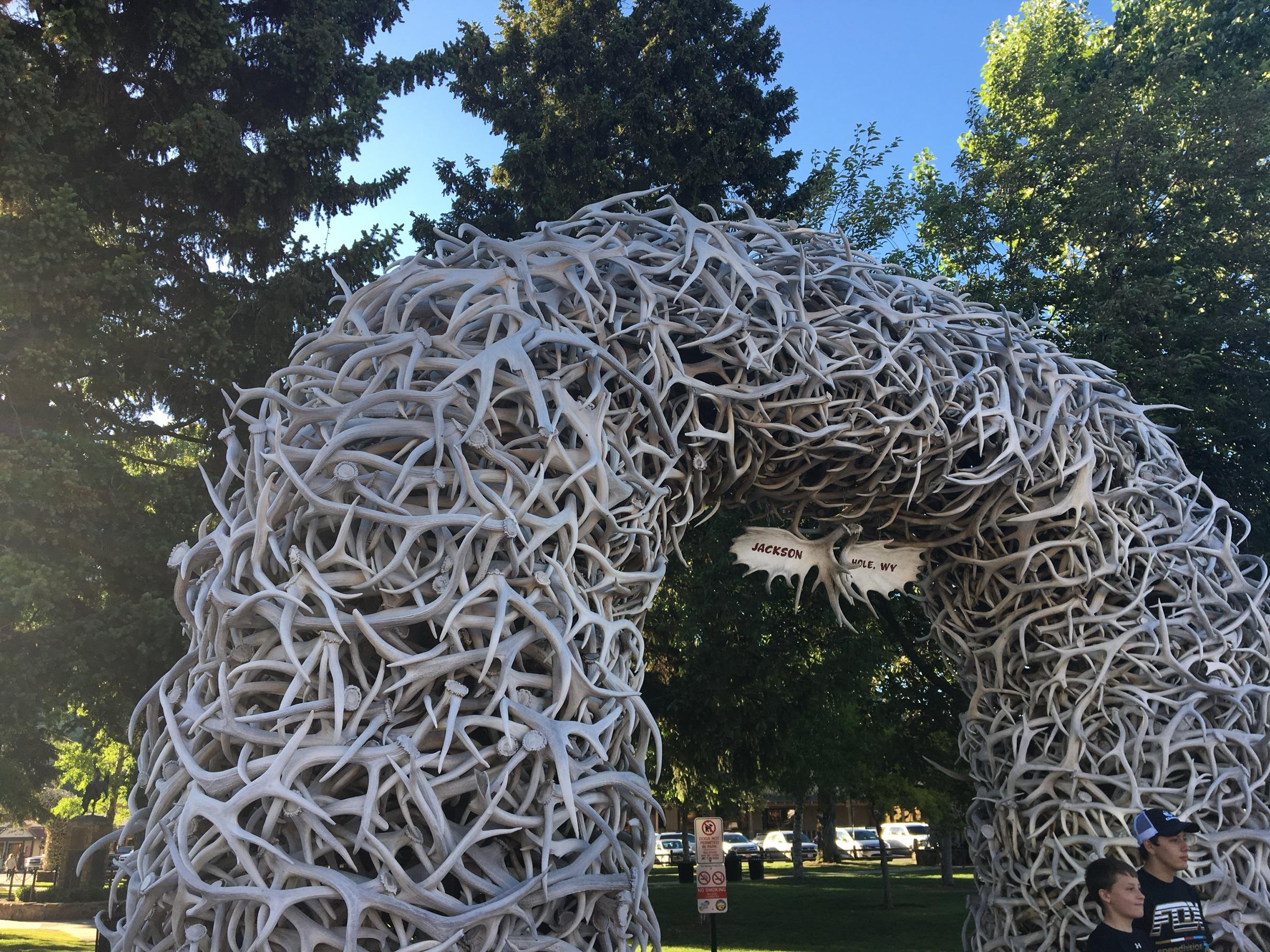
We left the park heading south on a morning of perfect blue, and the Tetons came up on the horizon like mountains drawn by a child who had just been told about mountains: all points, all snow. They took our breath away, seen from a boat out on Jackson Lake, the peaks so close and so white that they looked painted on. Back on shore, two deer wandered across the car park as though they had a reservation. In Jackson there is an arch made entirely of antlers, and a cowboy bar with a cowboy on a bucking horse up on its sign.
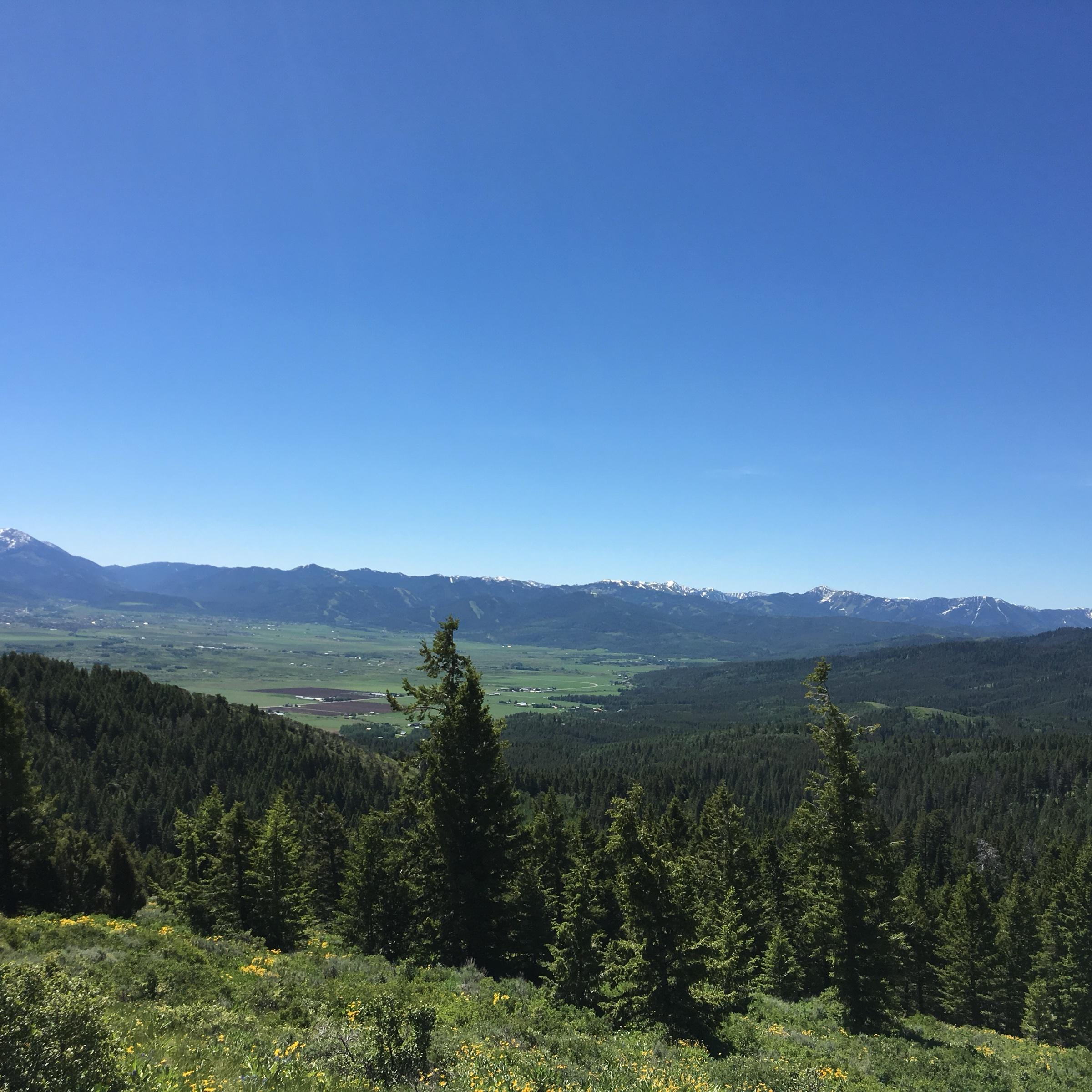
The next two nights were across the state line in Victor, Idaho, at Teton Springs Lodge, which has since become The Lodge at Bronze Buffalo Ranch. From there we went riding. A guide in a cowboy hat led us up through the pines on the Idaho side of the range, the horses picking their way over the roots and yellow flowers in the grass, until the trees opened and the whole of Teton Valley lay below, green and flat, with a line of snowy peaks along the far side of it.

Utah
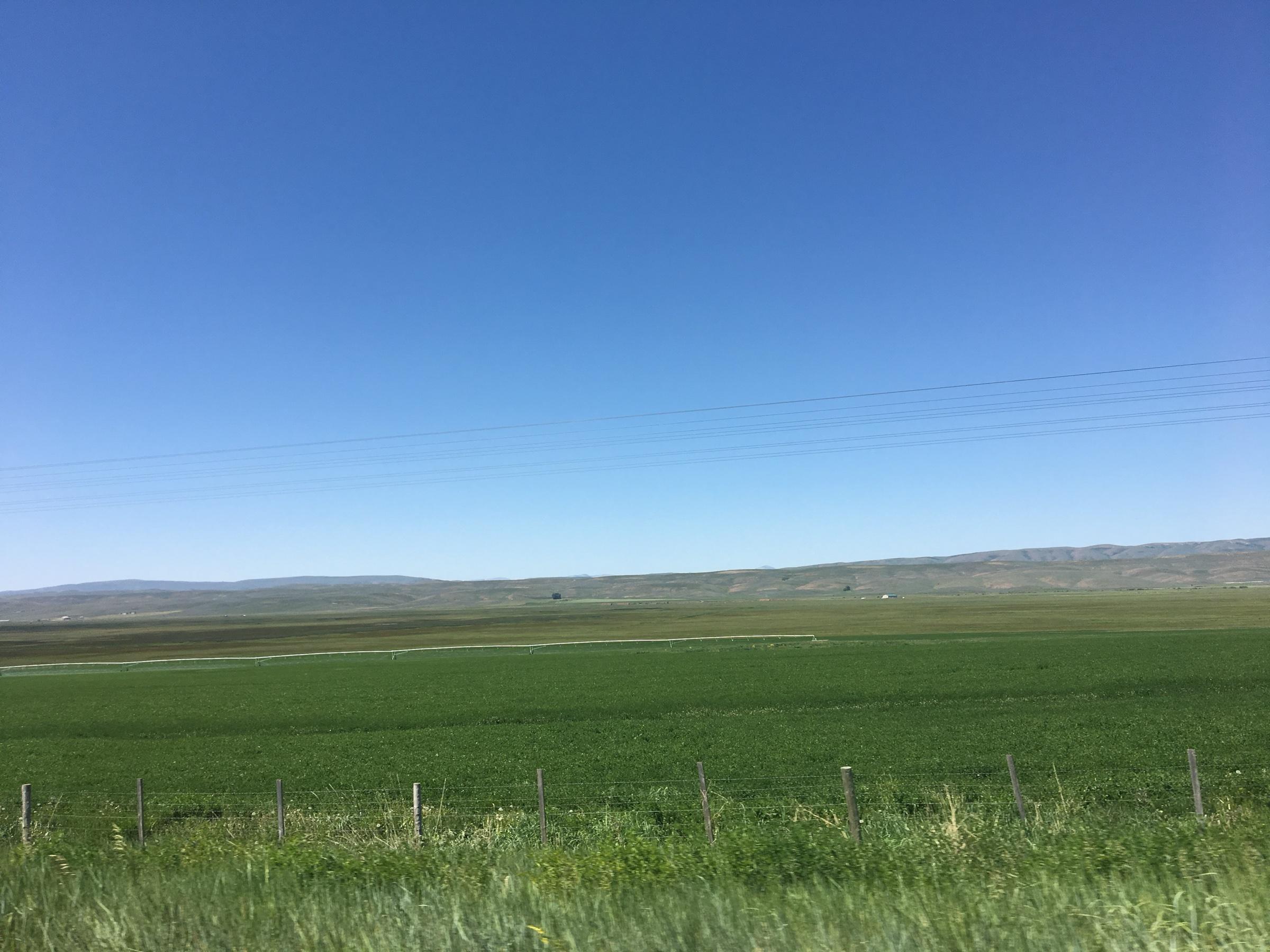
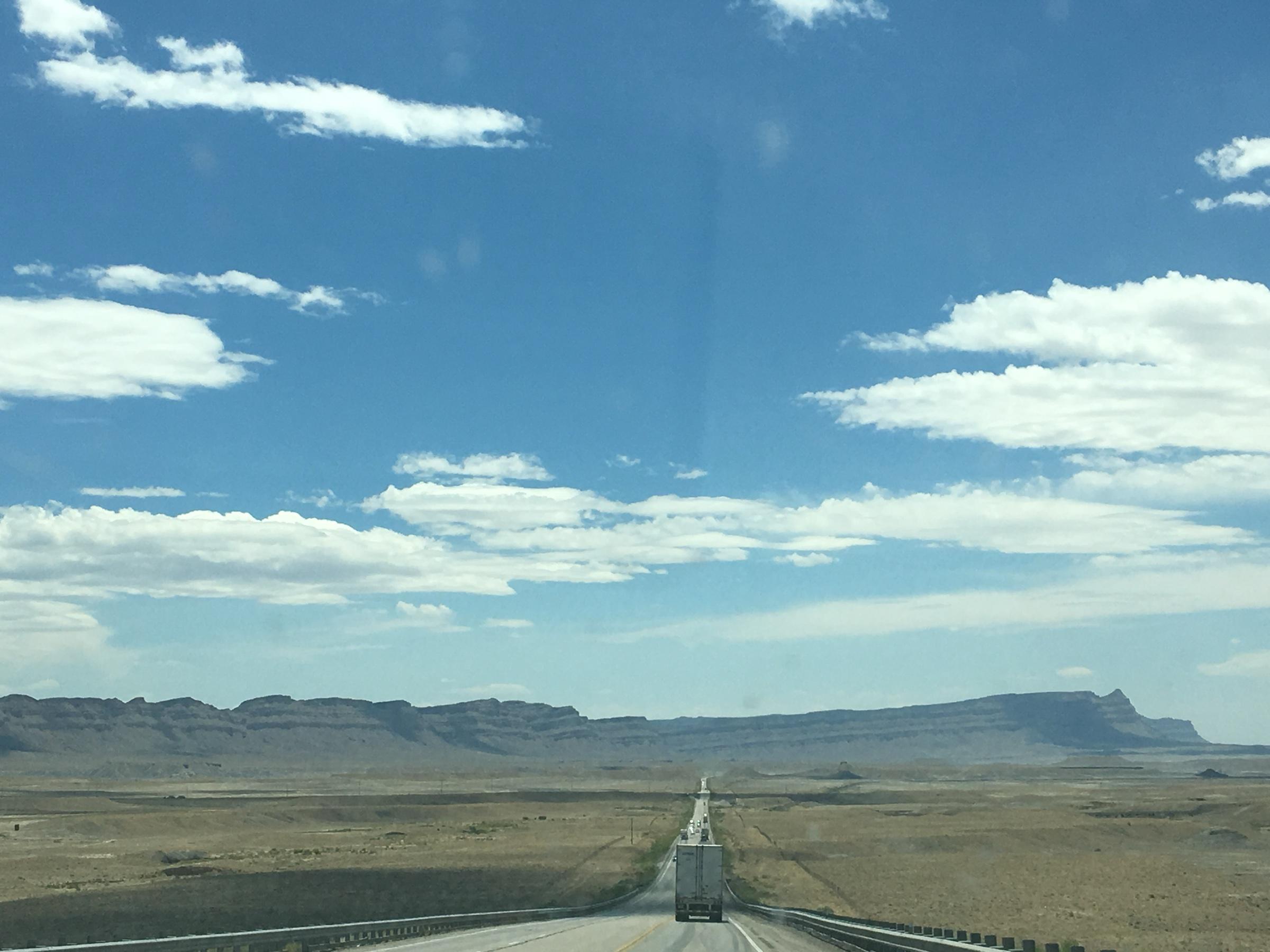
The next day was mostly road. South through Star Valley in Wyoming, where Afton has an arch of antlers over its main street, then out across sagebrush flats so wide and so empty that the road itself was the only sign anyone had been there before us. Van Morrison did a great deal of work that day. A night in Park City, a glass of wine, and then Utah began to change colour. Below Price the land drains to beige and then to grey badland, the road runs dead straight at a mesa that never seems to get any closer, and somewhere before Moab it all turns red.
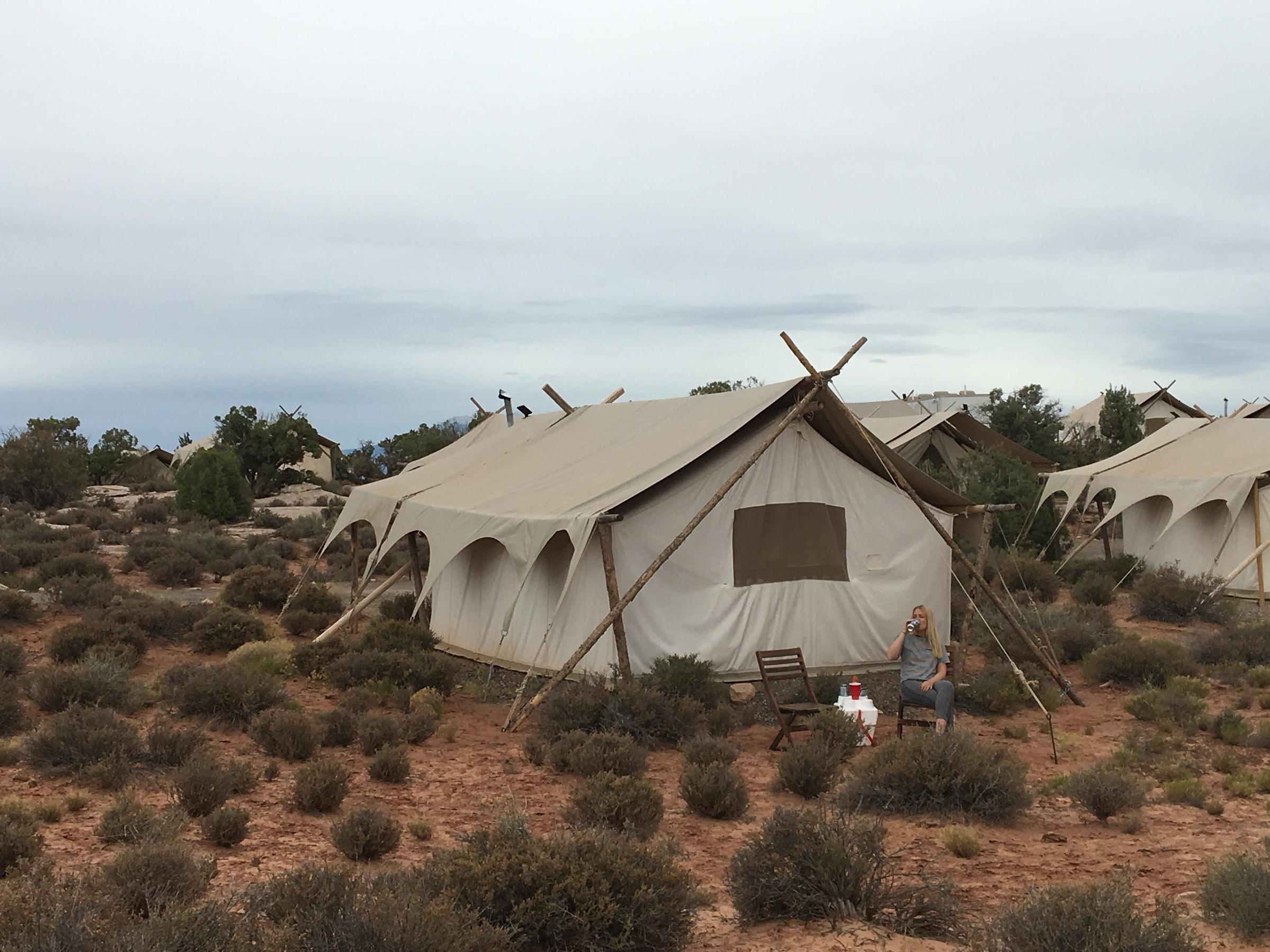
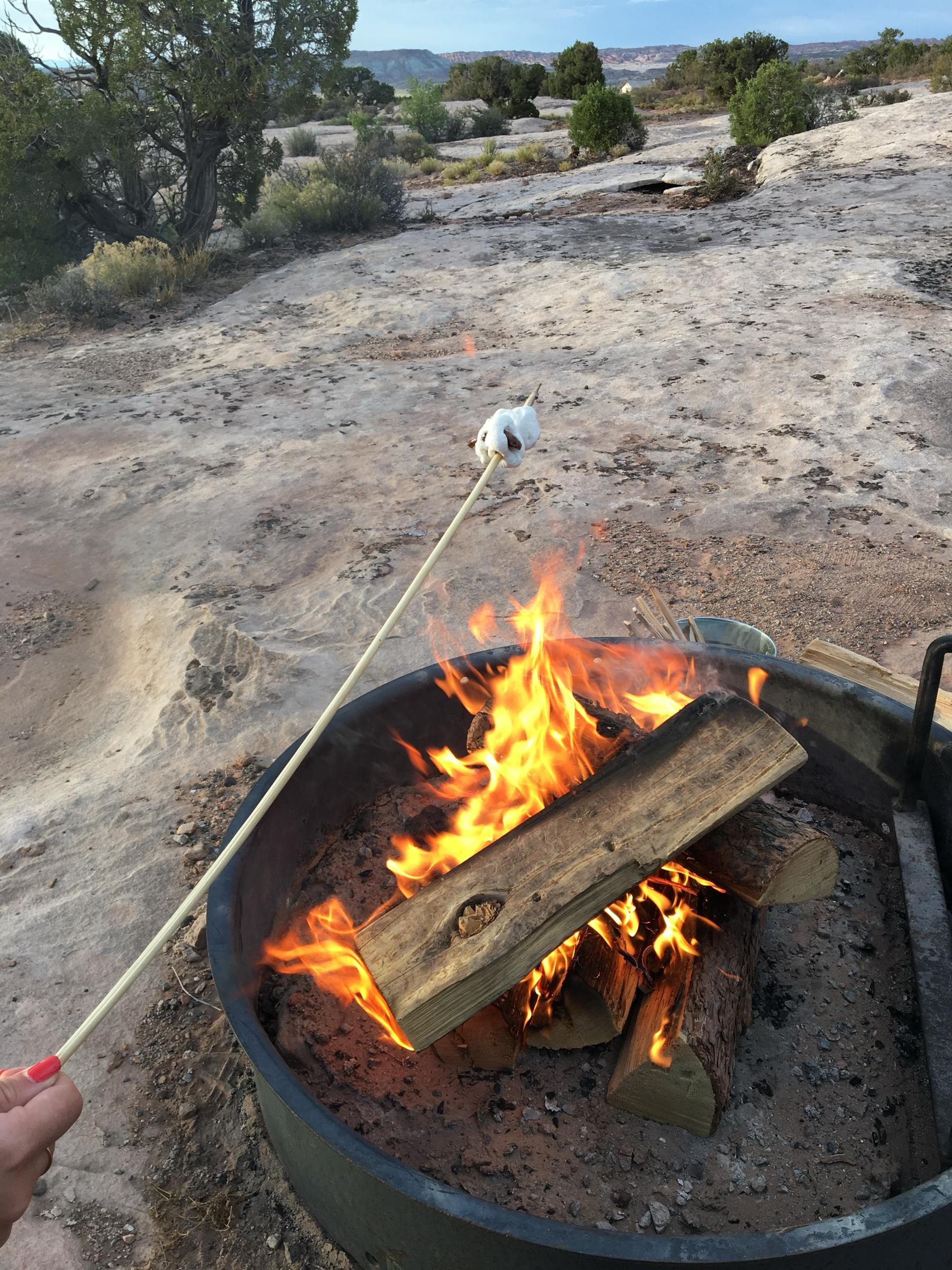
Under Canvas Moab is seven miles north of town on Highway 191, on a red-rock plateau with Arches twelve minutes up the road and Canyonlands' Island in the Sky twenty-five. The camp has no café, so dinner is up to you: we cooked ours on the shared barbecue and ate it under the stars with a beer, while the fire in the pit outside the tent burned down and a marshmallow or two went black on a stick. Then a very comfortable night, in a tent that never once felt like camping.
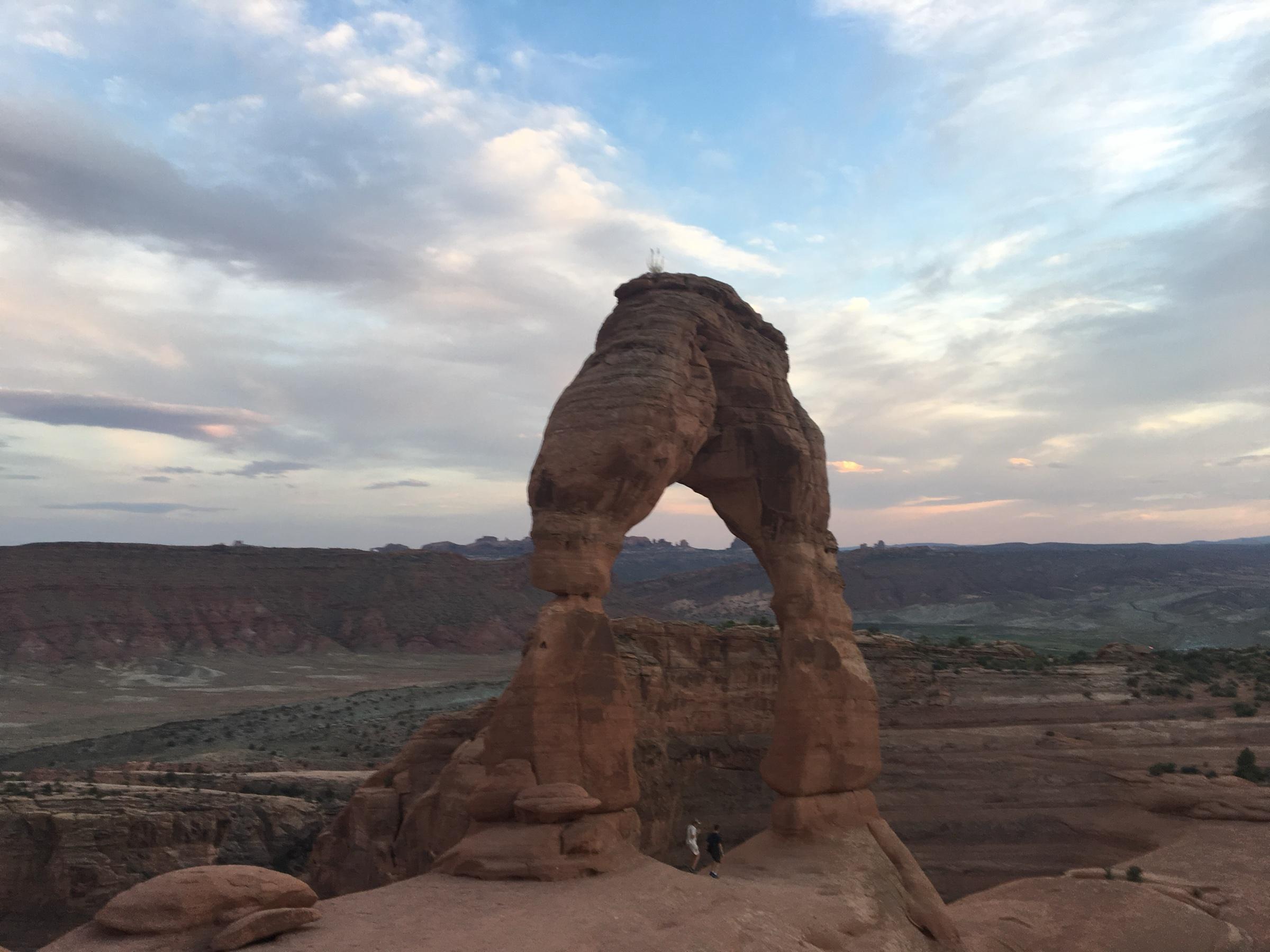
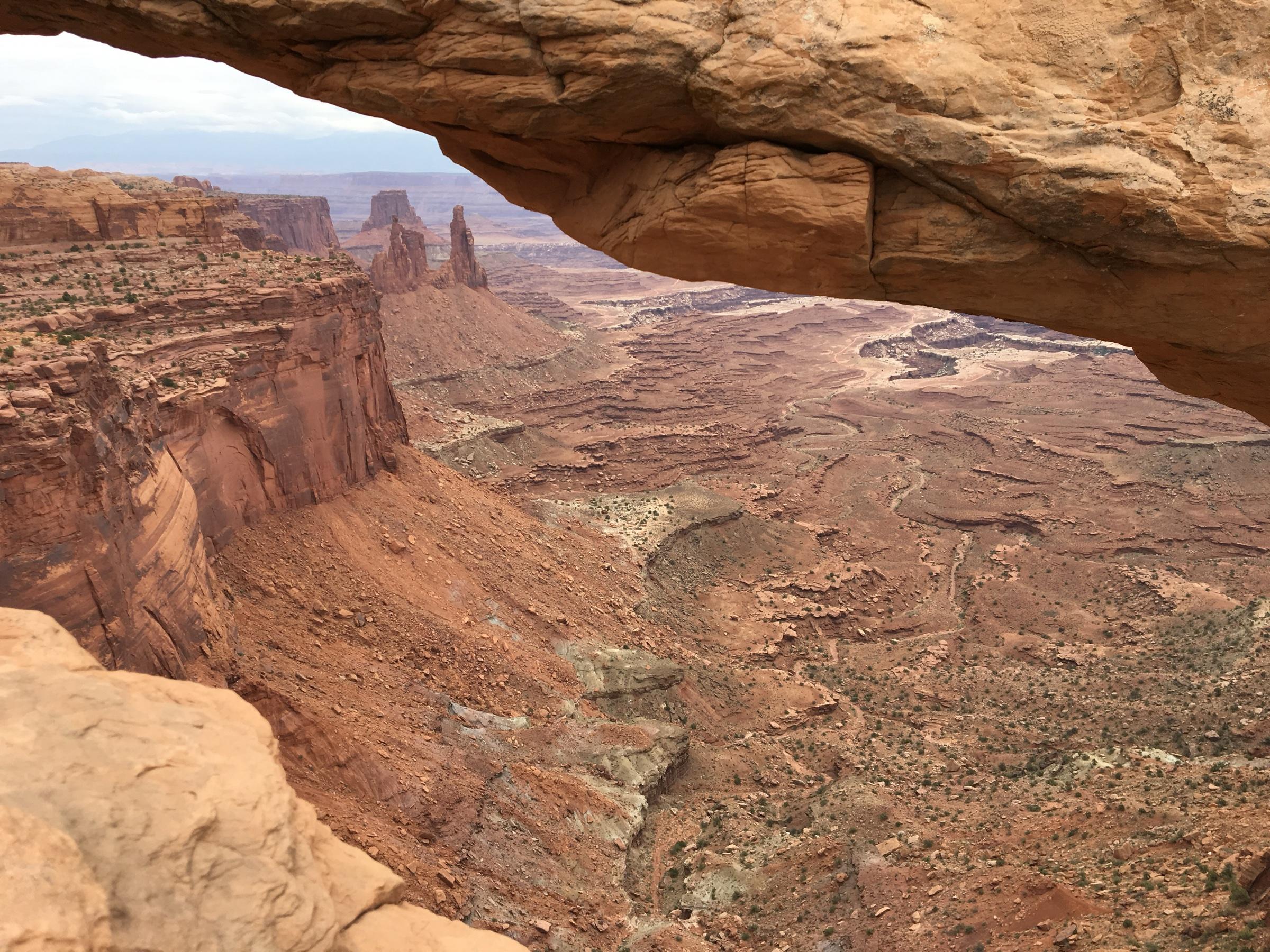
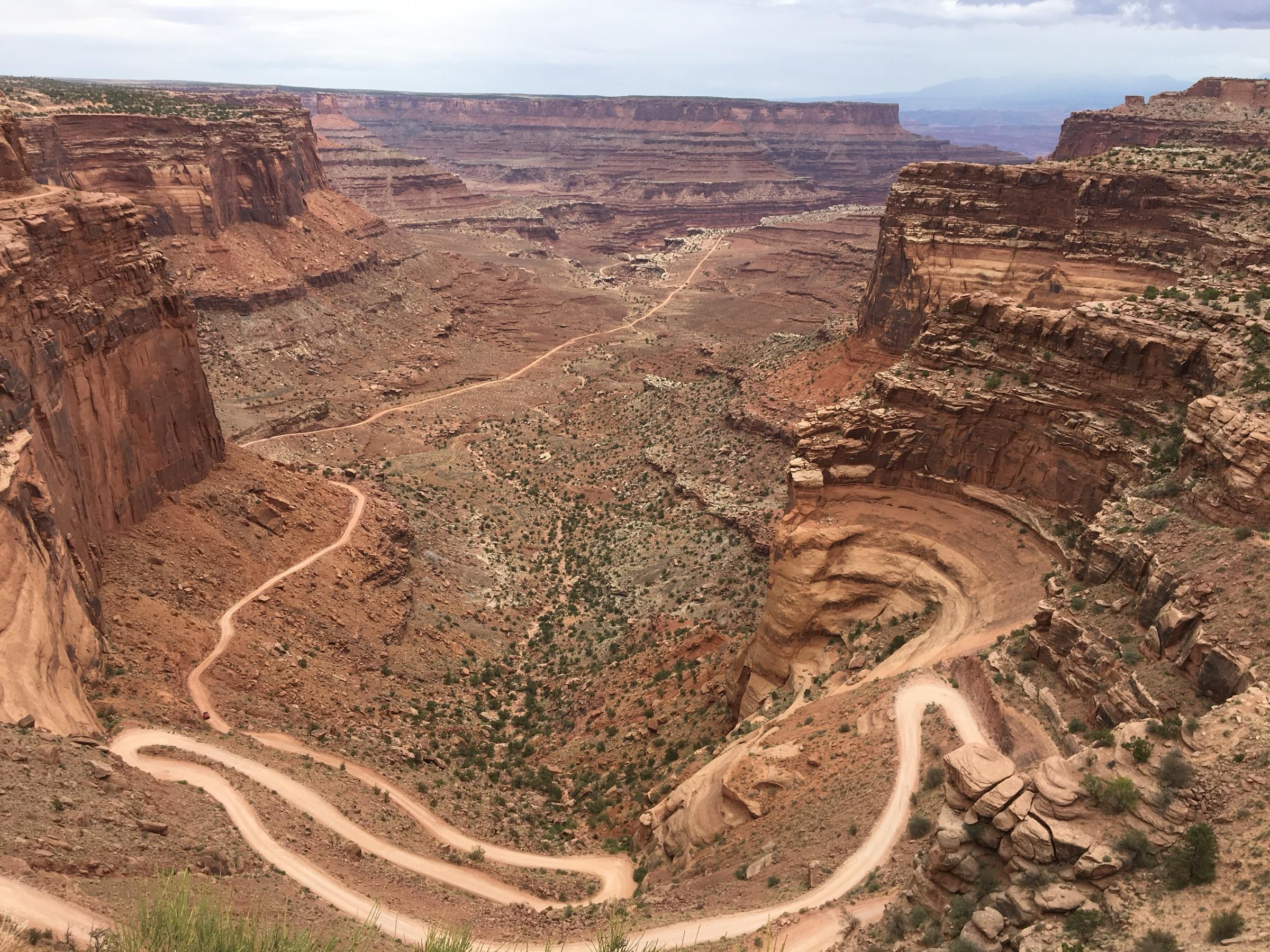
Arches looks like a stage set nobody remembered to take down: fins and towers of red rock, and stone windows with the sky showing through them. We walked up to Delicate Arch for the sunset with a fair crowd who had the same idea, and watched the arch go from orange to black against a sky streaked with pink. The next day went to Canyonlands, under a lid of grey cloud, to Mesa Arch and the drop beyond it, and to a dirt road zigzagging down a canyon wall that people, apparently, drive on.
Denver
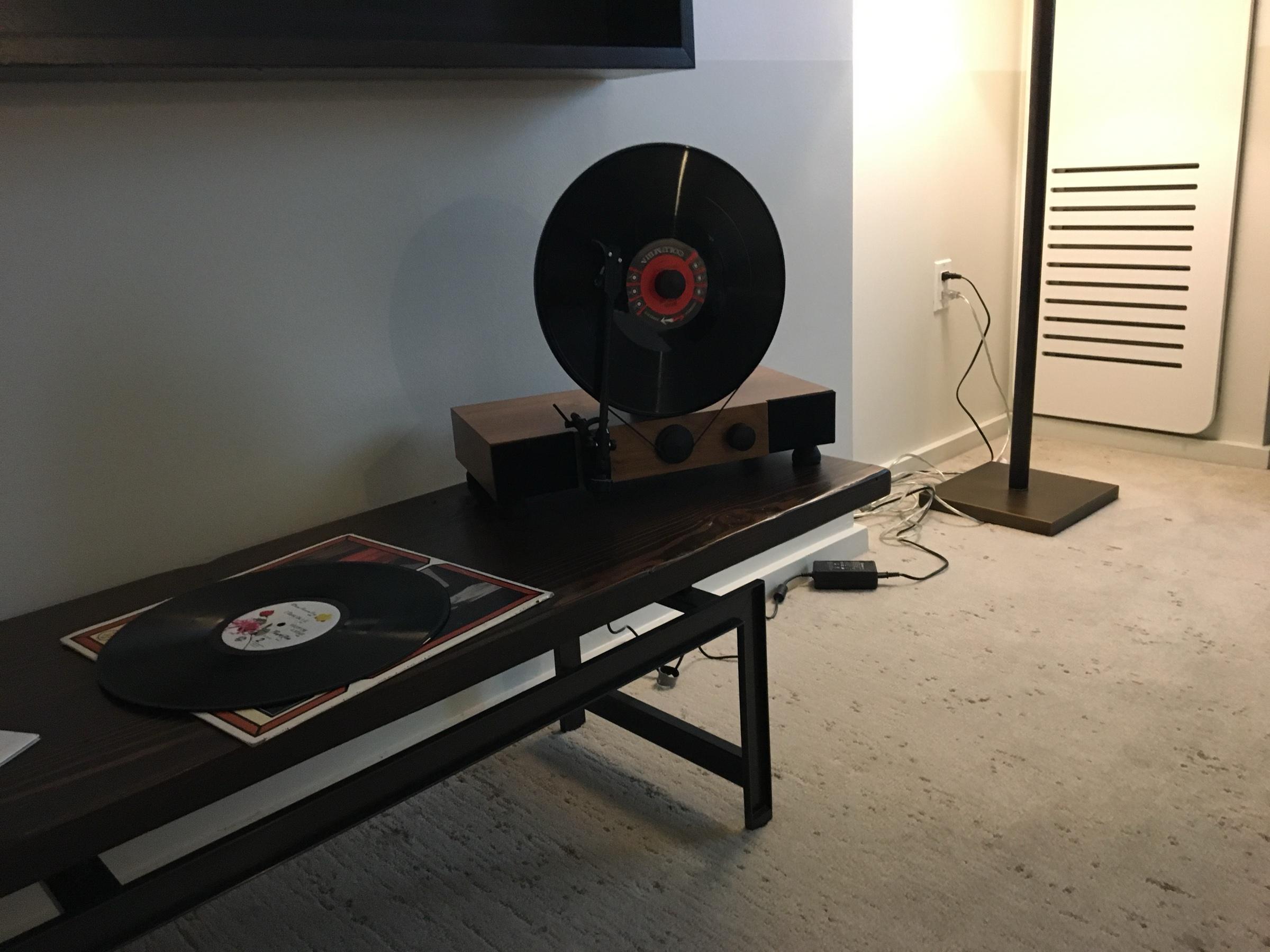
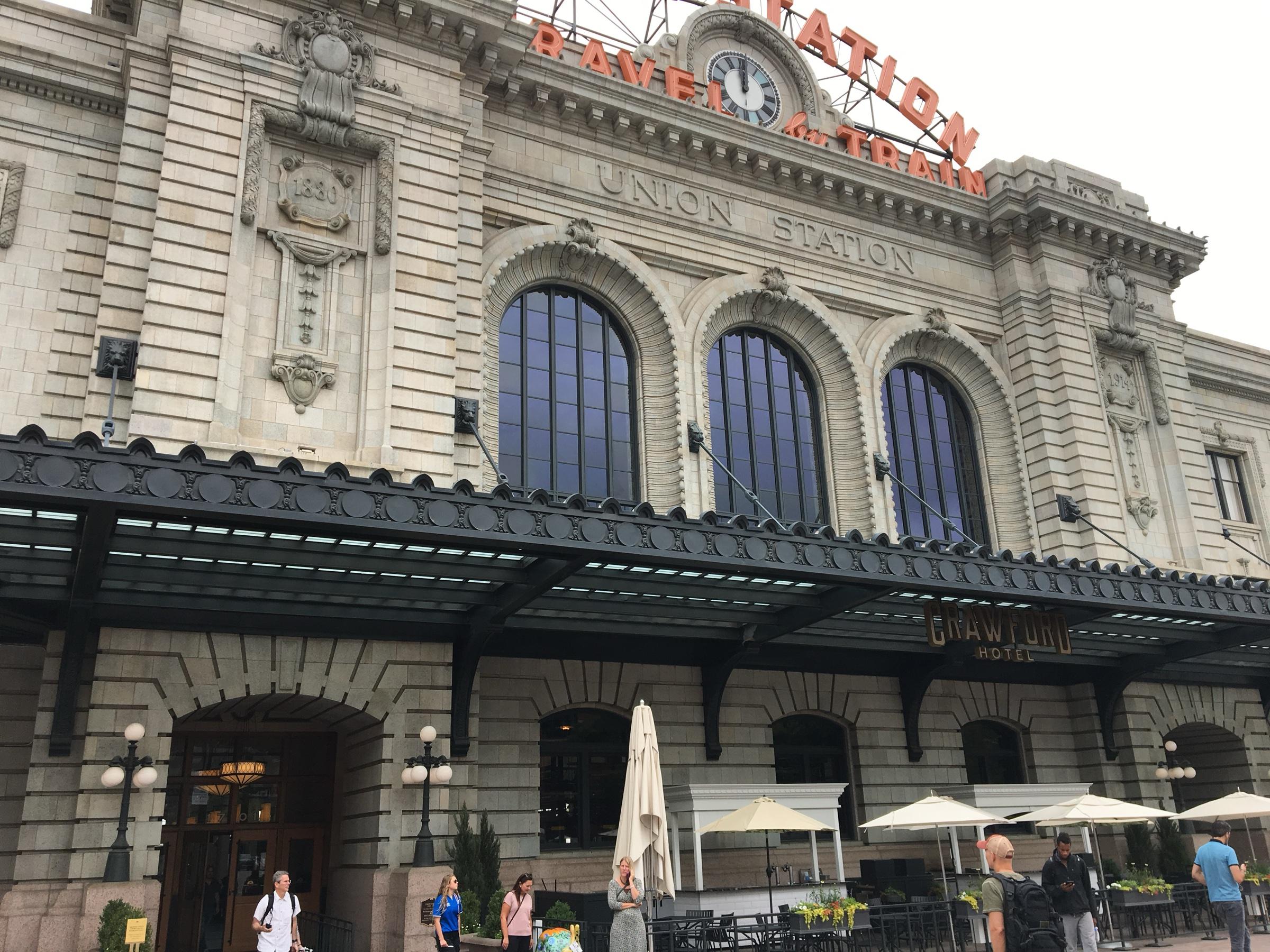
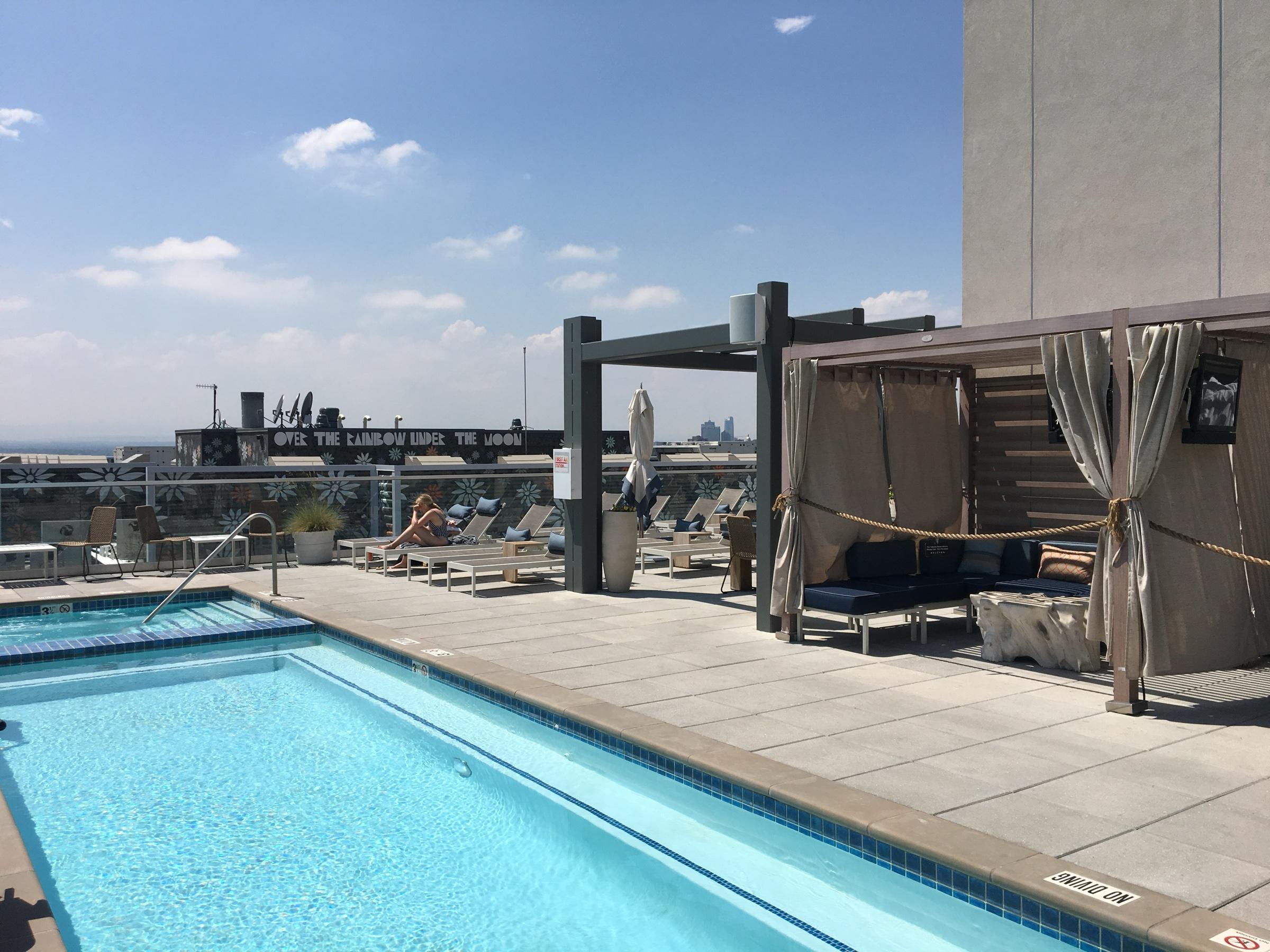
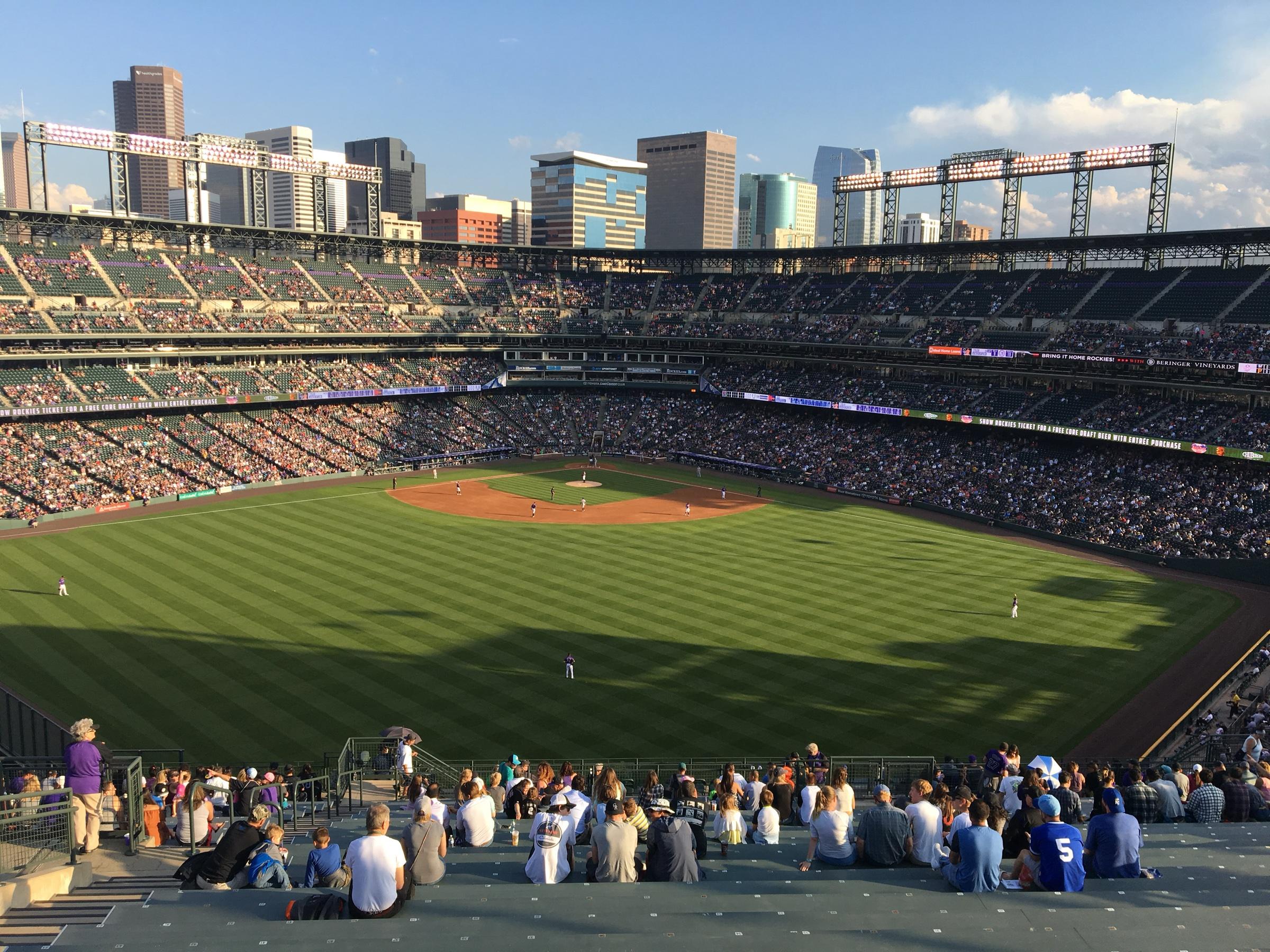
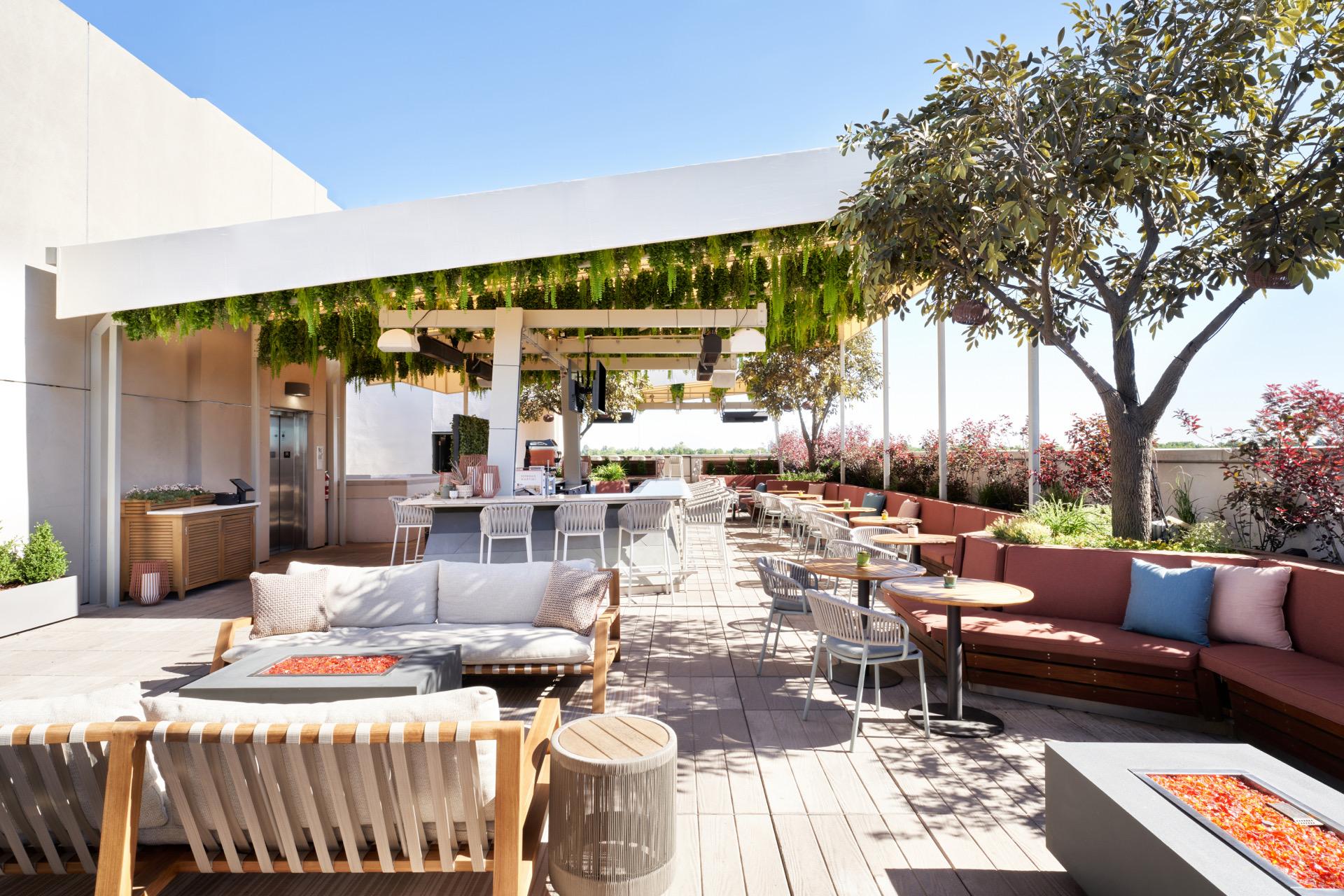
The last drive took us east out of the desert and across Colorado to Denver. Halcyon, in Cherry Creek, was the first city hotel of the trip, and after a week of tents and motels we noticed everything, starting with the record player in the room and the library of records to choose from. The hotel lends bikes for nothing, so we took two and rode the path along Cherry Creek, under the trees and past walls of ivy, all the way to Union Station, its name spelled out in red letters over the door. The afternoon went by the pool on the roof, and the evening at Coors Field watching the Rockies, from seats high enough to see the downtown towers over the far stands.
A week earlier the phone in West Yellowstone had said snow.
Hotels in this piece
 Grown-up & family
The LARK Bozeman
££Bozeman and Yellowstone, United States
A 1963 motel on Bozeman's Main Street with local art in every room and a wood fire by the lobby, 78 miles from Yellowstone's north entrance.
 Grown-up & family
Under Canvas Yellowstone
££Bozeman and Yellowstone, United States
Canvas safari tents ten minutes from Yellowstone's West Entrance, with a wood burner inside for nights cold enough to see your breath, even in June.
 Grown-up & family
Under Canvas Moab
££Moab, United States
Canvas tents on a red-rock plateau between Arches and Canyonlands, with a barbecue under the stars and a bed better than any tent has a right to.
 Grown-up & family
Halcyon, a hotel in Cherry Creek
££Denver, United States
A rooftop pool over Cherry Creek, bikes lent for nothing and a record player in the room, with a library of records to choose from.