
Italy
Val d'Orcia
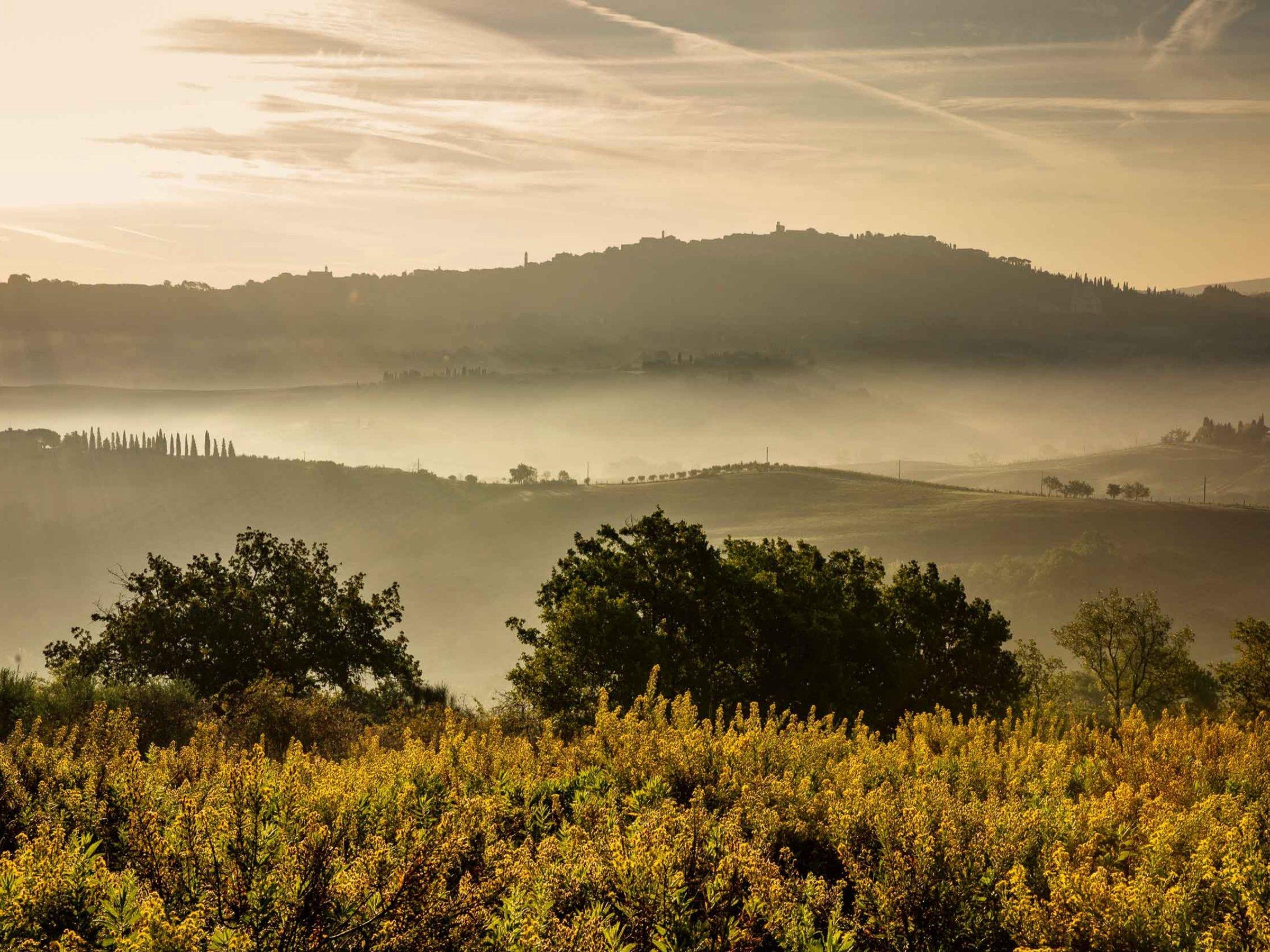
The Val d'Orcia has been on UNESCO's World Heritage list since 2004, and most of what was listed is farmland. The hills keep their Renaissance shape: wheat and vines on the slopes, cypresses in rows along the roads and around farmhouses that stand on their own. World Heritage, here, is ploughed and sown. The views drew Renaissance painters and now draw everyone with a camera, and the cypress road below La Foce is on most of the postcards.
The fortified towns on the high points grew up along the Via Francigena, the pilgrim road from Canterbury to Rome, and a section of it still crosses the valley for anyone who wants the pilgrimage without either end. Pienza is the "ideal city" built for Pope Pius II, with the hanging garden of the Palazzo Piccolomini out over the valley. The valley has two wines known beyond Italy and a town for each: Vino Nobile in Montepulciano and Brunello in Montalcino, walled and high above its own vineyards.
Stay in Pienza to walk out to dinner: the cars are left outside the walls. Montalcino is for the wine, and its estates for anyone who would rather have the vineyards outside the window than at the end of a drive. San Quirico d'Orcia has Bagno Vignoni just below it, a village with a steaming thermal pool where its main square should be. Several of the country hotels are restored hamlets and farmhouses, which in a landscape kept this carefully seems the right use for them.
A car is the only practical way between the towns. The Romanesque Abbey of Sant'Antimo stands alone among olive groves outside Montalcino; the climb to the Rocca di Tentennano, above Rocca d'Orcia, is for the view back down the valley. Then back to Montalcino's cellars and wine bars, and homemade pici at Taverna del Grappolo Blu, where the list runs deep in old local vintages. Settle who is driving before the tasting, not after.
Spring leaves the hills green and autumn turns them gold. July and August are hot enough to bleach the clay pale, and on 15 August, Ferragosto, a number of family-run restaurants close for their own holiday. In winter the unpaved tracks between the towns turn to mud, which is the walkers' problem rather than the drivers'.
Monte Amiata closes the view to the south. It is an extinct volcano, though nobody appears to have told the hot springs: at Bagni San Filippo they still come up through the limestone warm enough to soak in.
- Best months
- May, June, September and October
- Avoid
- July and August, when the heat peaks and Ferragosto (15 August) shuts many family-run restaurants for their own break
- Nearest airport
- Florence (FLR)
- Transfer
- about 1 hour 20 minutes by car to Pienza, up to 2 hours to Montalcino
Neighbourhoods
- San Quirico d'Orcia
- Castiglione d'Orcia
Where to stay
4 hotels
4 hotels
 Grown-up & family
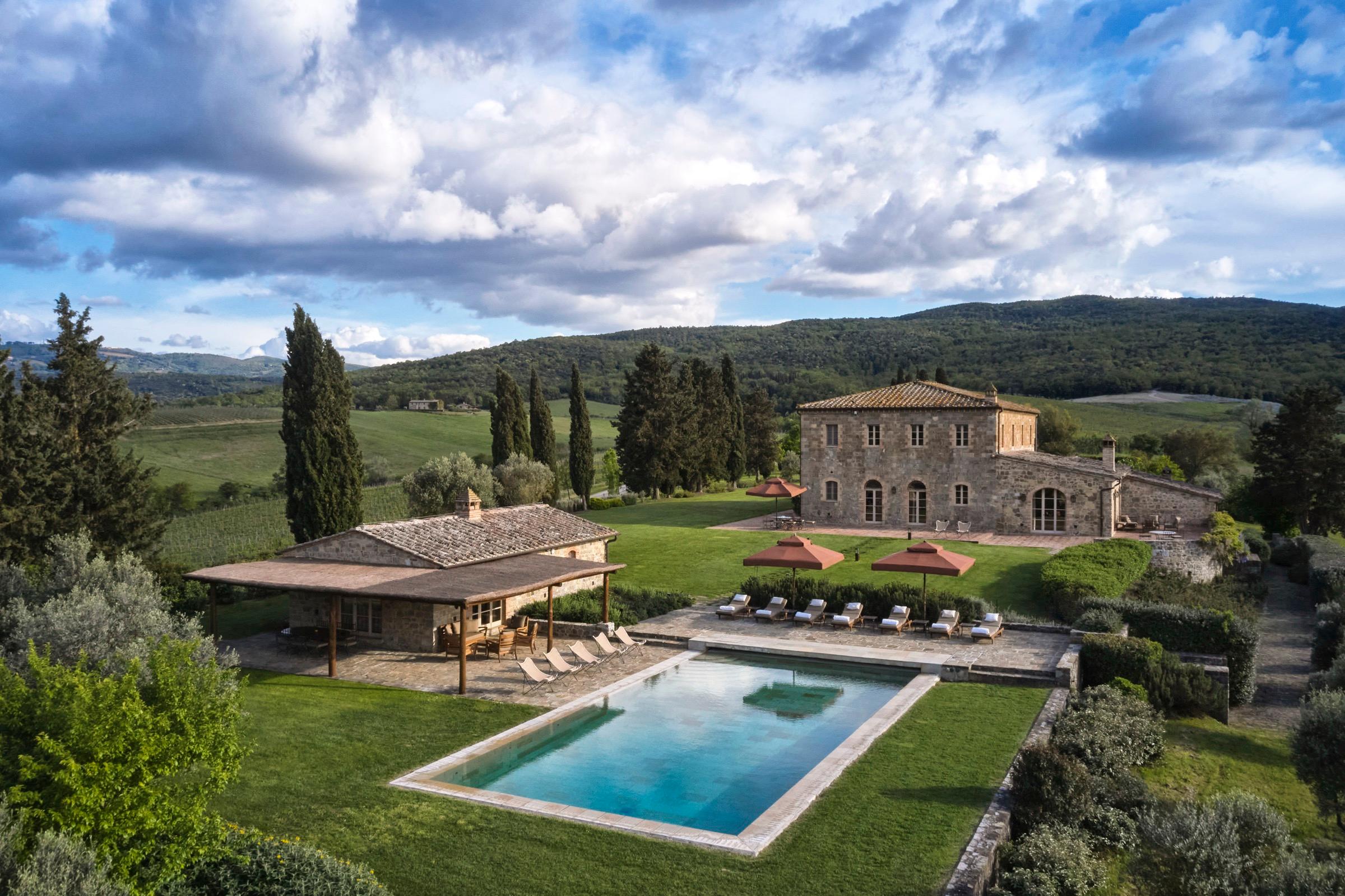
Castiglion del Bosco, A Rosewood Hotel
££££Val d'Orcia, Italy
Eleven old farmhouses spread across a 5,000-acre Brunello estate below Montalcino, each with a pool of its own and the vineyards for neighbours.
 Grown-up & family
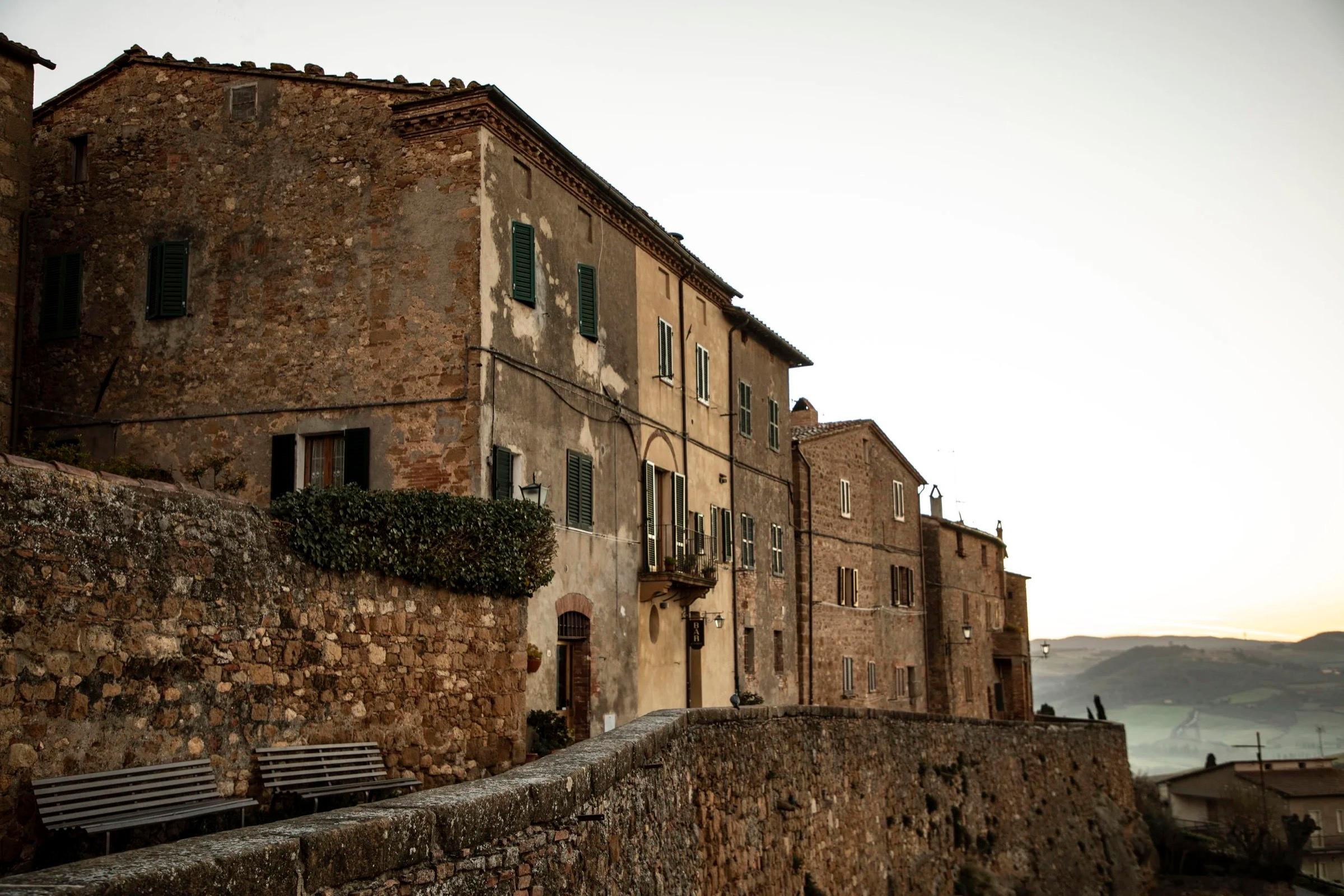
La Bandita Townhouse
£££Val d'Orcia, Italy
Nuns lived in this Renaissance convent on Pienza's main street; now a New York music man keeps twelve rooms in it, and a gold disc for The Strokes.
 Grown-up
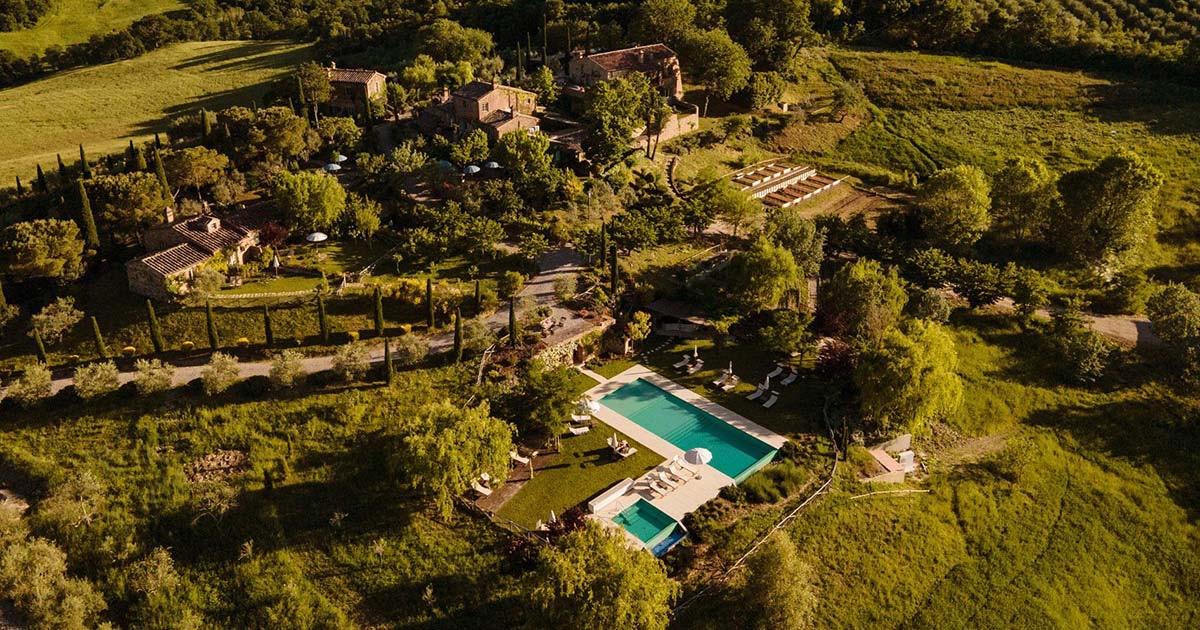
Lupaia
££££Val d'Orcia, Italy
Twelve rooms in the stone stables of a 1622 Tuscan hill farm, where goats had the ground floor and the pool now looks across the valley to Montepulciano.
 Grown-up & family
Monteverdi Tuscany
££££Val d'Orcia, Italy
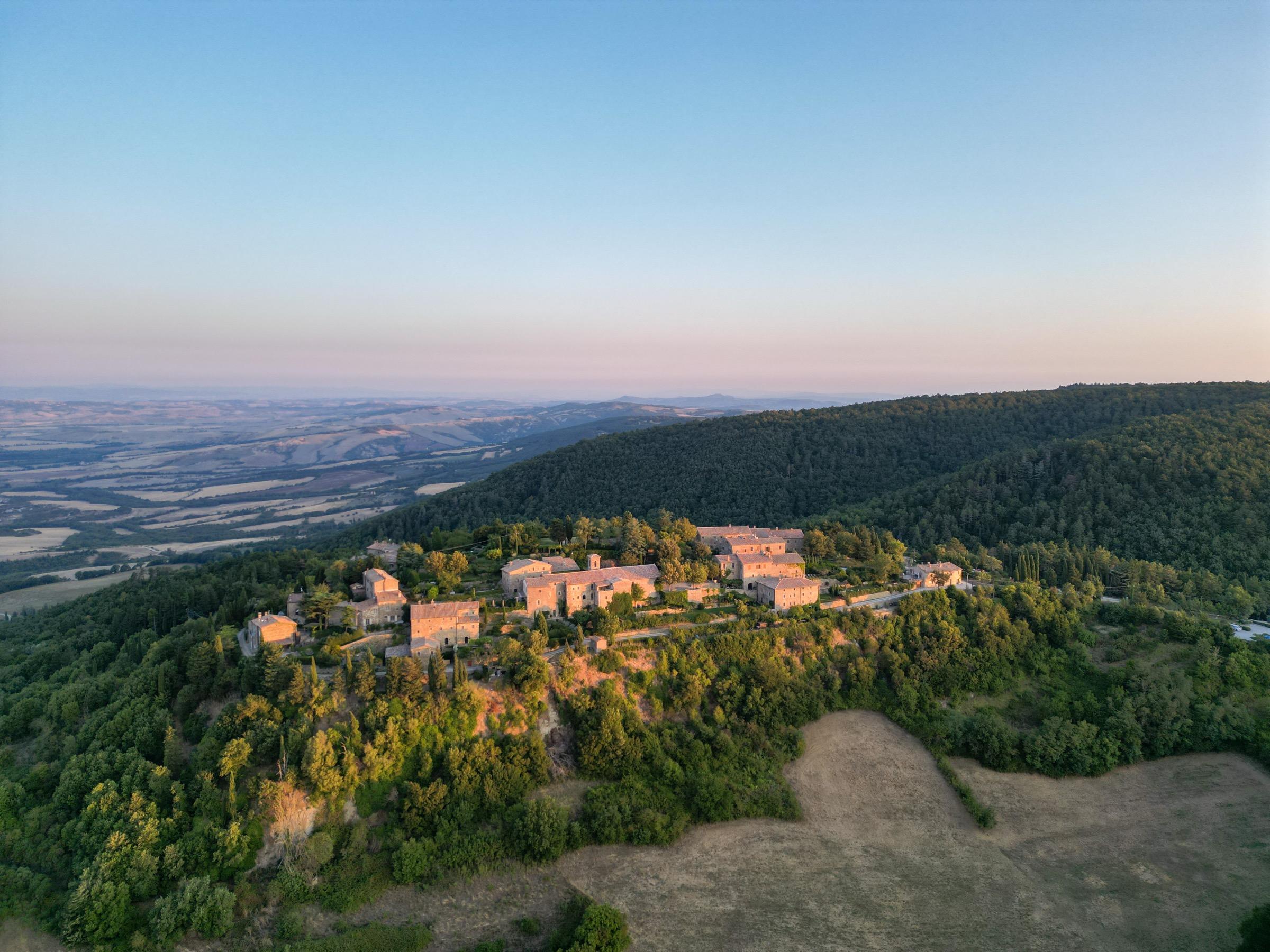
An American law professor came to the Val d'Orcia for a birthday and began buying the village; its 14th-century church now has a Fazioli grand piano.
Where to eat
2 restaurants
Boccon DiVino
££ · Recommended
Montalcino · Modern Tuscan
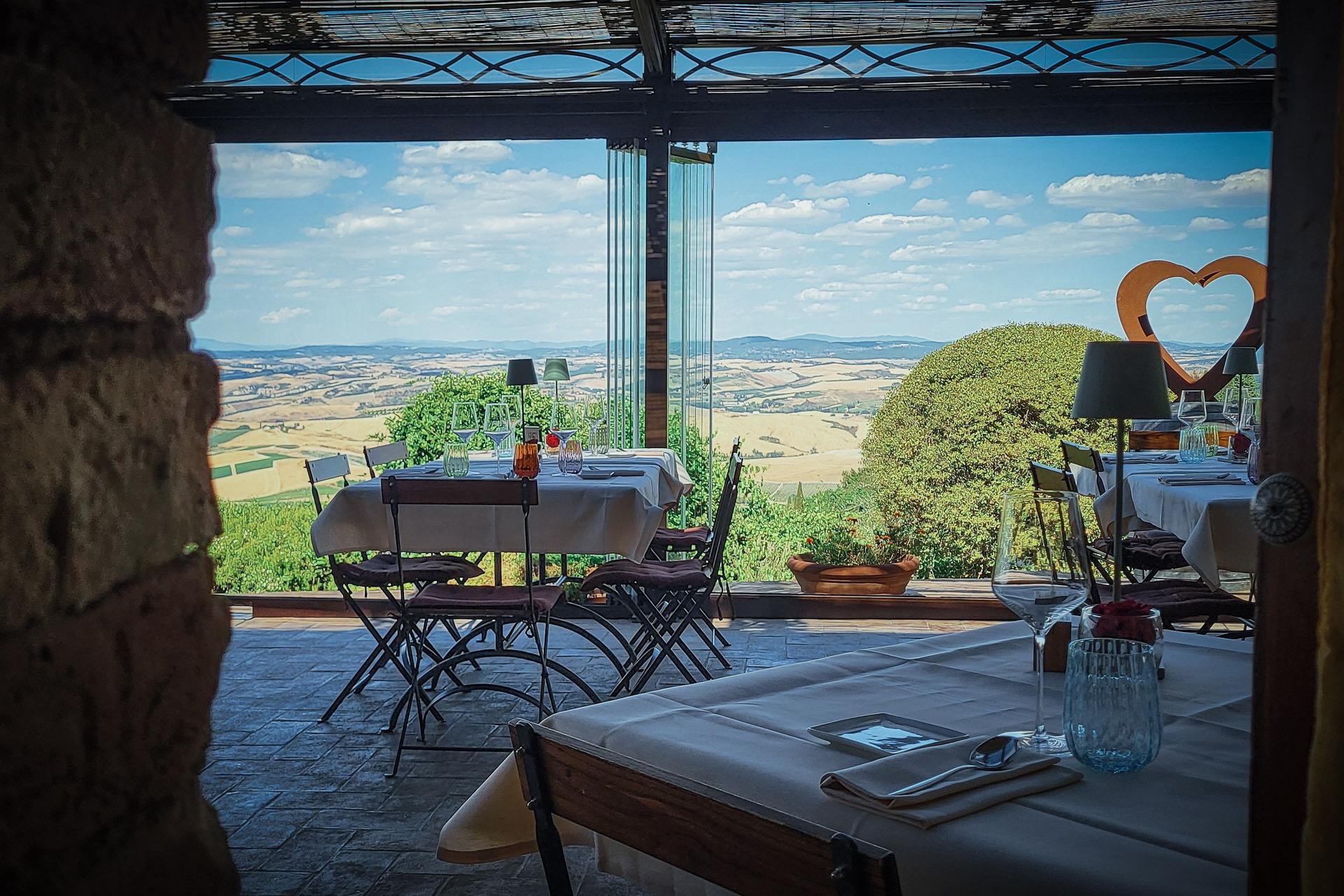
Tuscan dishes turned contemporary in a restored farmhouse, with a glazed terrace and a wine list weighted to Brunello.
Reviewed in the Michelin Guide
Campo del Drago
££££ · Recommended
Montalcino · Contemporary Tuscan
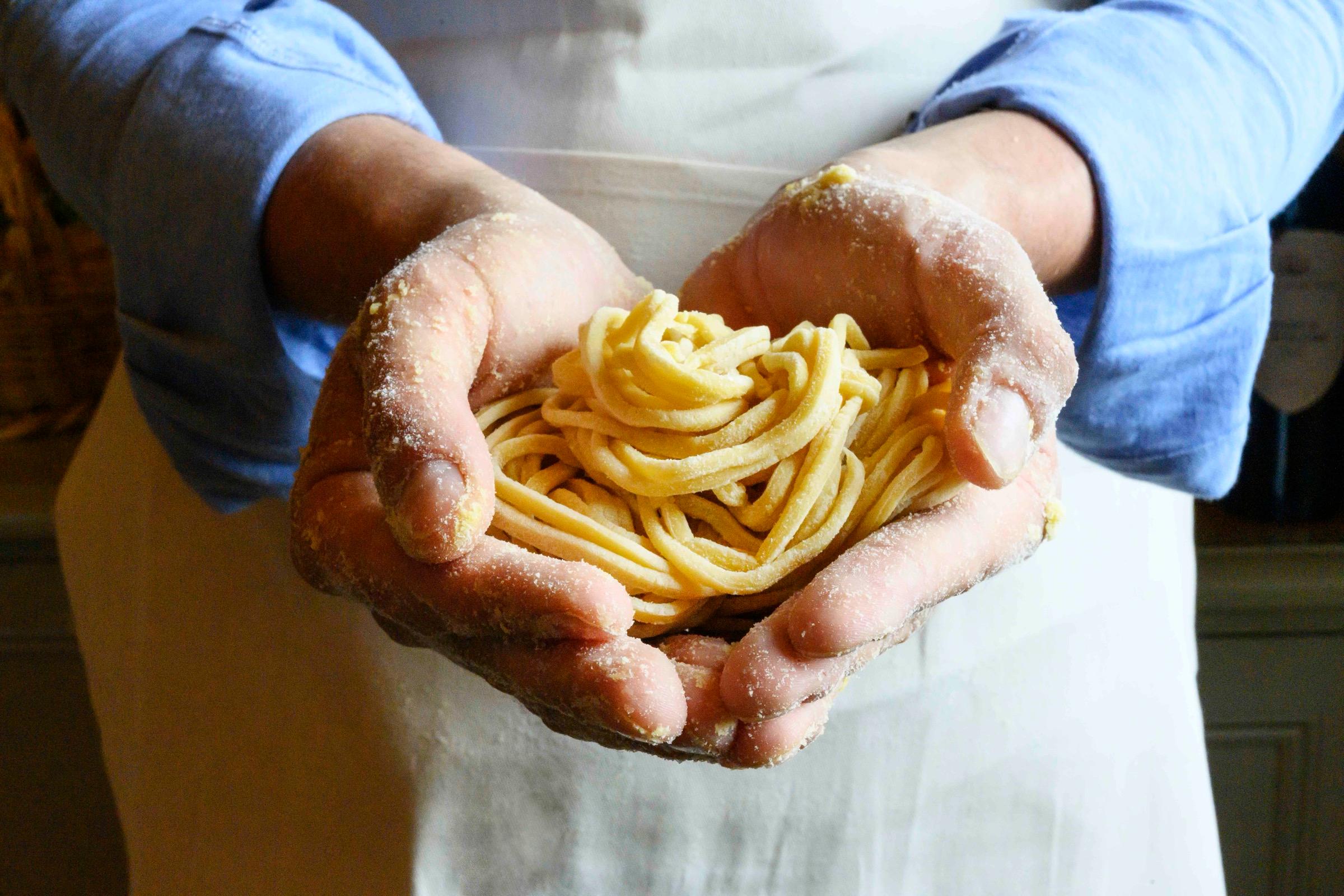
Tasting menus built from the estate's own kitchen garden, served under two Michelin stars on a panoramic terrace.
Reviewed in the Michelin Guide