India
Rajasthan
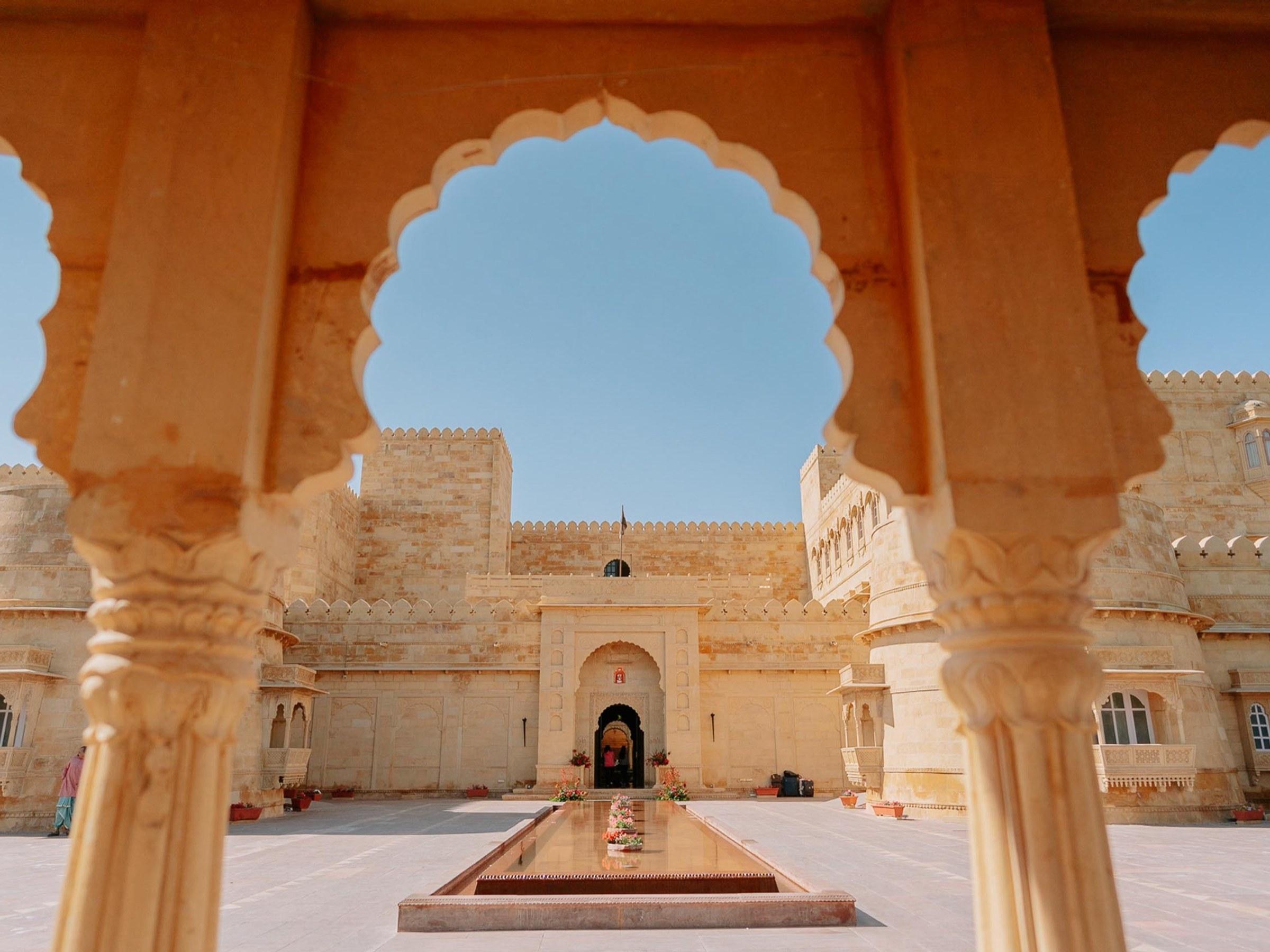
Rajasthan's cities can be told apart by their stone. Jaipur's walled Pink City is sandstone plastered pink, and Jodhpur's old town a tangle of indigo-washed houses under the walls of Mehrangarh Fort. Udaipur is pale granite round its lakes. Out west, near the Pakistan border, Jaisalmer's fort and old town are built of one golden sandstone, which glows at sunset as though that had been the plan. Between them lies a state the size of a small country, and most of its cities are a full day's drive apart. A trip picks two or three bases and leaves the rest for another winter.
The forts and palaces are what people come for, and the families of the Rajput maharajas who built them still hold a stake in several that now take guests. Winter is their season. From November to March the days run at 20 to 30°C under clear skies, and Christmas and New Year are the busiest weeks and the dearest. From April to June, Jaisalmer and Jodhpur can reach 45°C. The monsoon, July to September, is cheaper and quieter and fills Udaipur's lakes, which is better for the lakes than for a first trip built round forts and dunes.
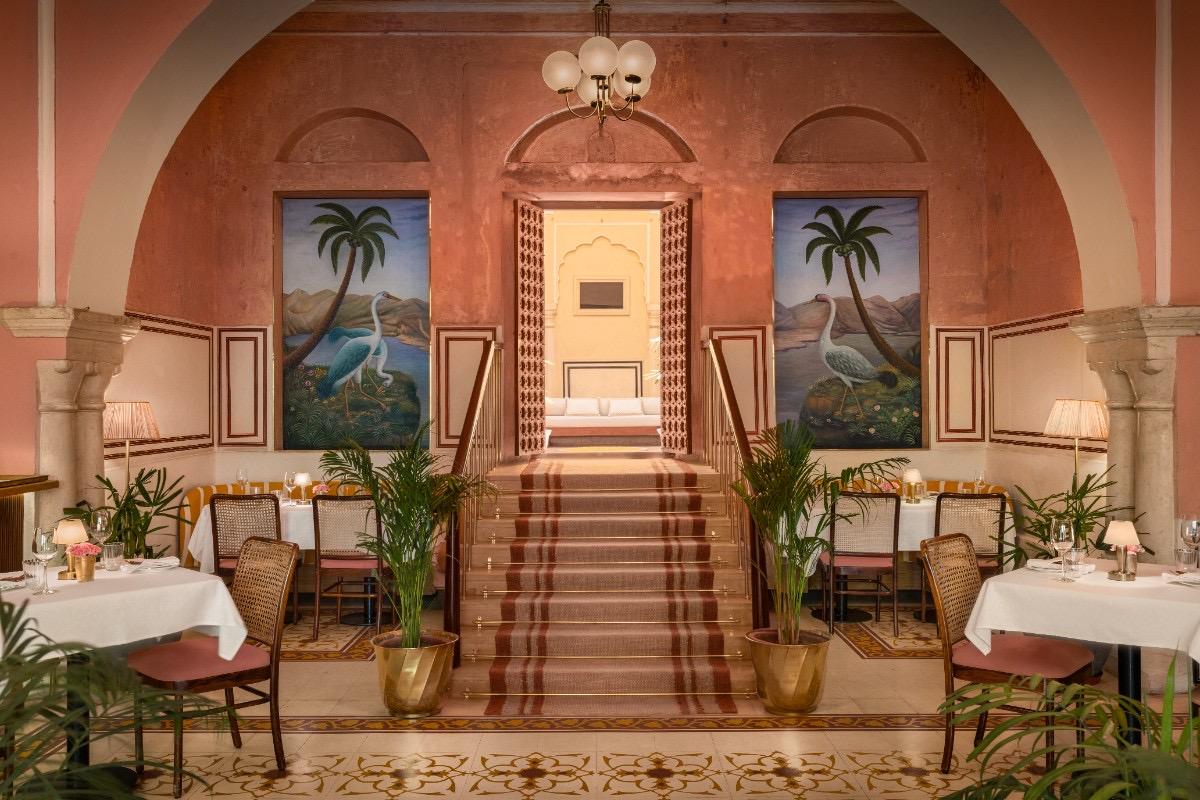
Jaipur is the obvious first base, 20 to 30 minutes from the state's main airport, though Jodhpur, Udaipur and Jaisalmer each have one of their own. The Pink City wants walking early, before the heat and the traffic, past the façade of the Hawa Mahal and into the City Palace, then on through the old city's lanes to Johri Bazaar for jewellery and bangles. Lunch is on the bazaar itself, at The Johri: organic and vegetarian, in a nineteenth-century haveli. Amber Fort is 20 minutes out by taxi, and the road goes up the hill to its gate. Chand Baori, the thousand-year-old stepwell at Abhaneri, is two hours or more each way, so it takes the day.
In Jodhpur, Mehrangarh is climbed on foot from the Clock Tower market, up through the blue old city below its walls. In Udaipur the boats go out from the ghats near the City Palace and cross Lake Pichola at sunset, past the island of Jag Mandir. The Aravalli hills around Alwar were a royal hunting ground before they were Sariska Tiger Reserve, and the game drives now go in only to look. And at the western edge of the state, the Sam sand dunes lie some 42 km beyond Jaisalmer, reached by camel or jeep and timed, like the town's stone, for sunset.
- Best months
- November to March
- Avoid
- April to June, before the summer heat breaks
- Nearest airport
- Jaipur (JAI)
- Transfer
- 20 to 30 minutes to central Jaipur
Neighbourhoods
Where to stay
6 hotels
6 hotels
 Grown-up & family
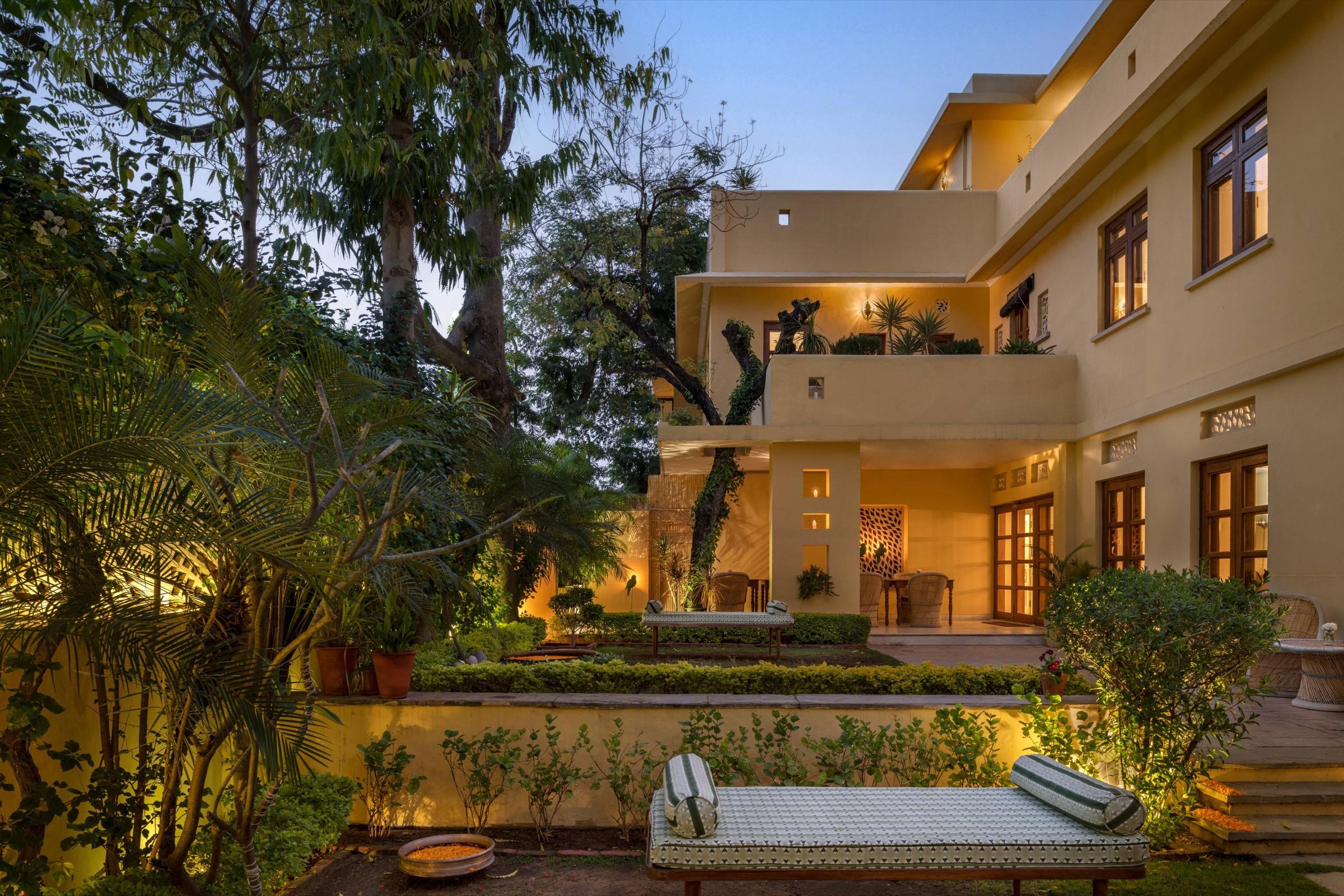
28 Kothi
£Rajasthan, India
Five rooms named for gemstones in a Jaipur jeweller's guest house, where palms are painted up the wardrobe doors and no television competes with the garden.
 Grown-up & family
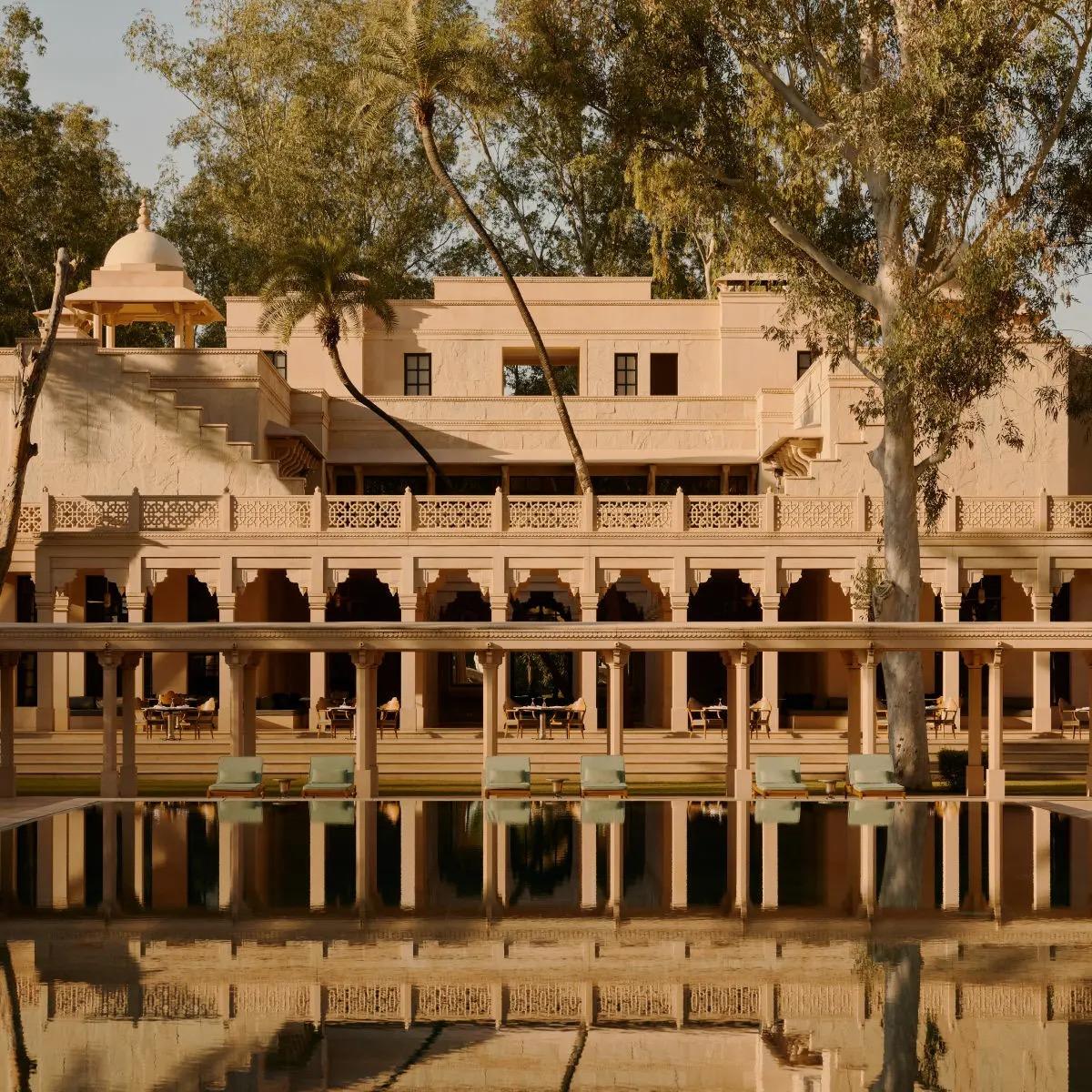
Amanbagh
££££Rajasthan, India
The Maharajah of Alwar's tiger-hunting ground in the Aravalli hills, walled in and given over to pink sandstone domes and a long reflecting pool.
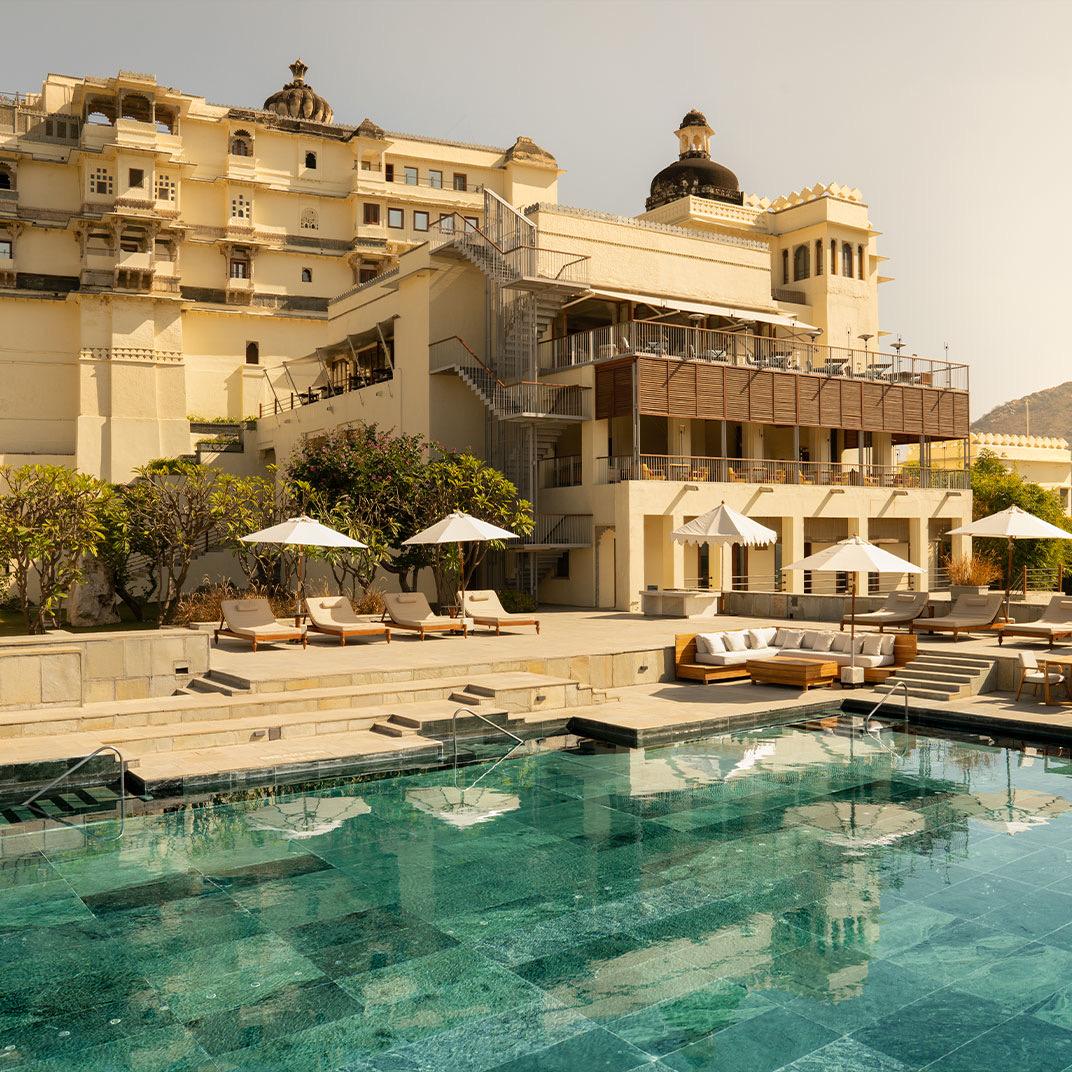 Grown-up & family
RAAS Devigarh
££Rajasthan, India
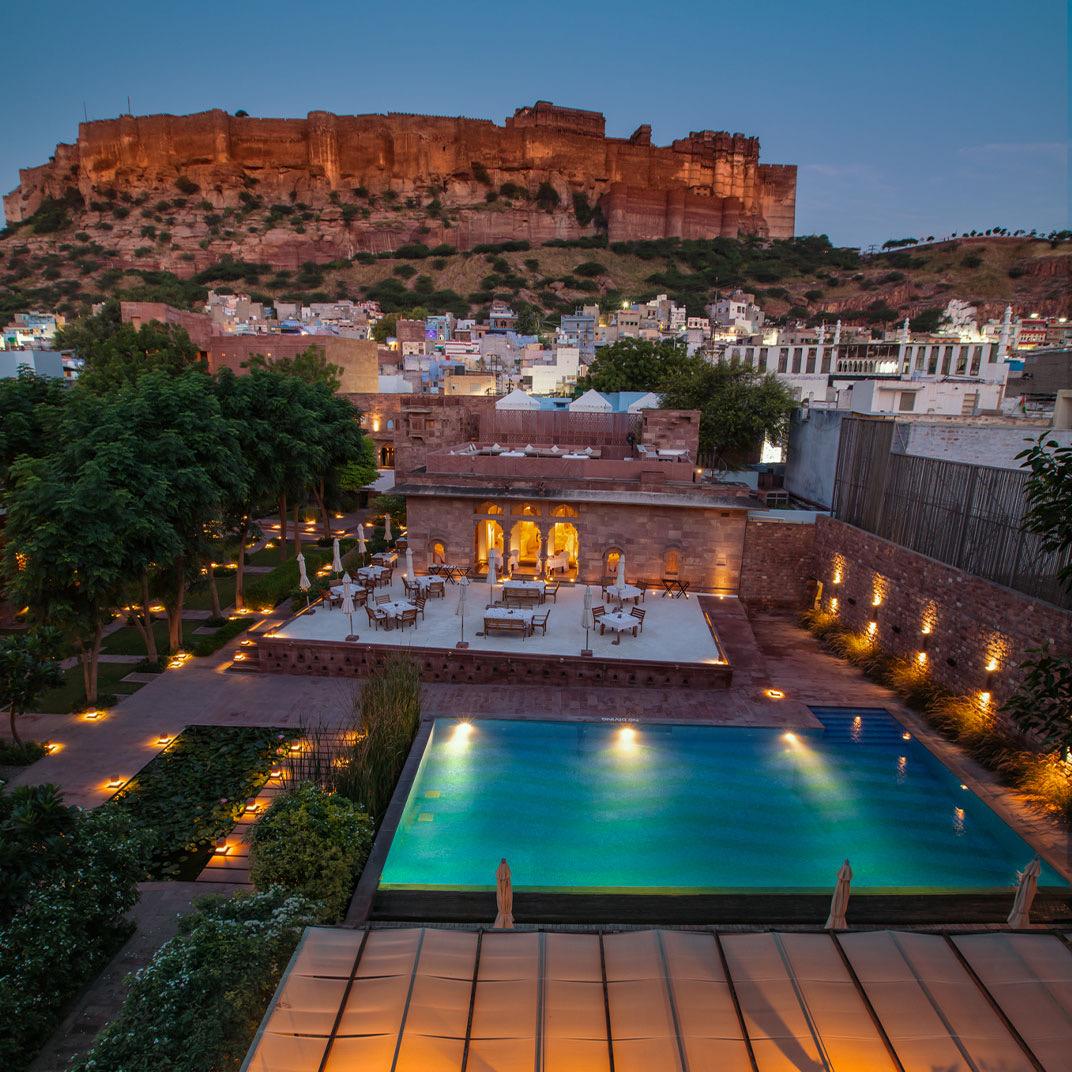
A 1760s hill fort above Delwara, weathered outside and white marble within, inlaid with malachite and lapis lazuli, its jharokha windows turned to the Aravalli hills.
 Grown-up & family
RAAS Jodhpur
£££Rajasthan, India
Fold back the stone screen and there is Mehrangarh Fort, filling the window of a rose-red sandstone hotel in Jodhpur's walled city.
 Grown-up & family
Samode Palace
££Rajasthan, India
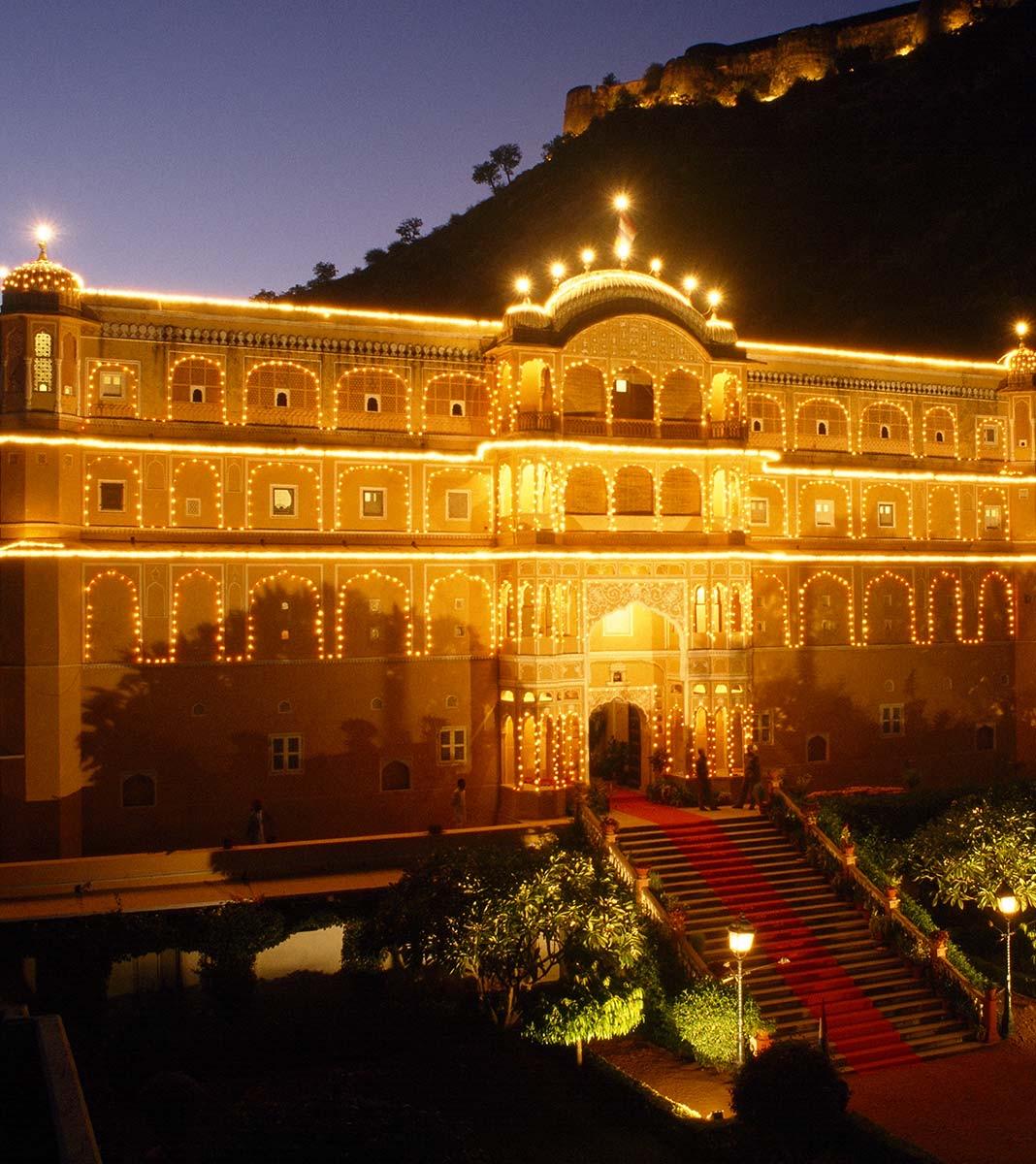
A Rajput fort made over as a palace, with an infinity pool on the roof facing the Aravalli hills and a village of block-printers and bangle-makers below.
 Grown-up & family
Suryagarh
££Rajasthan, India
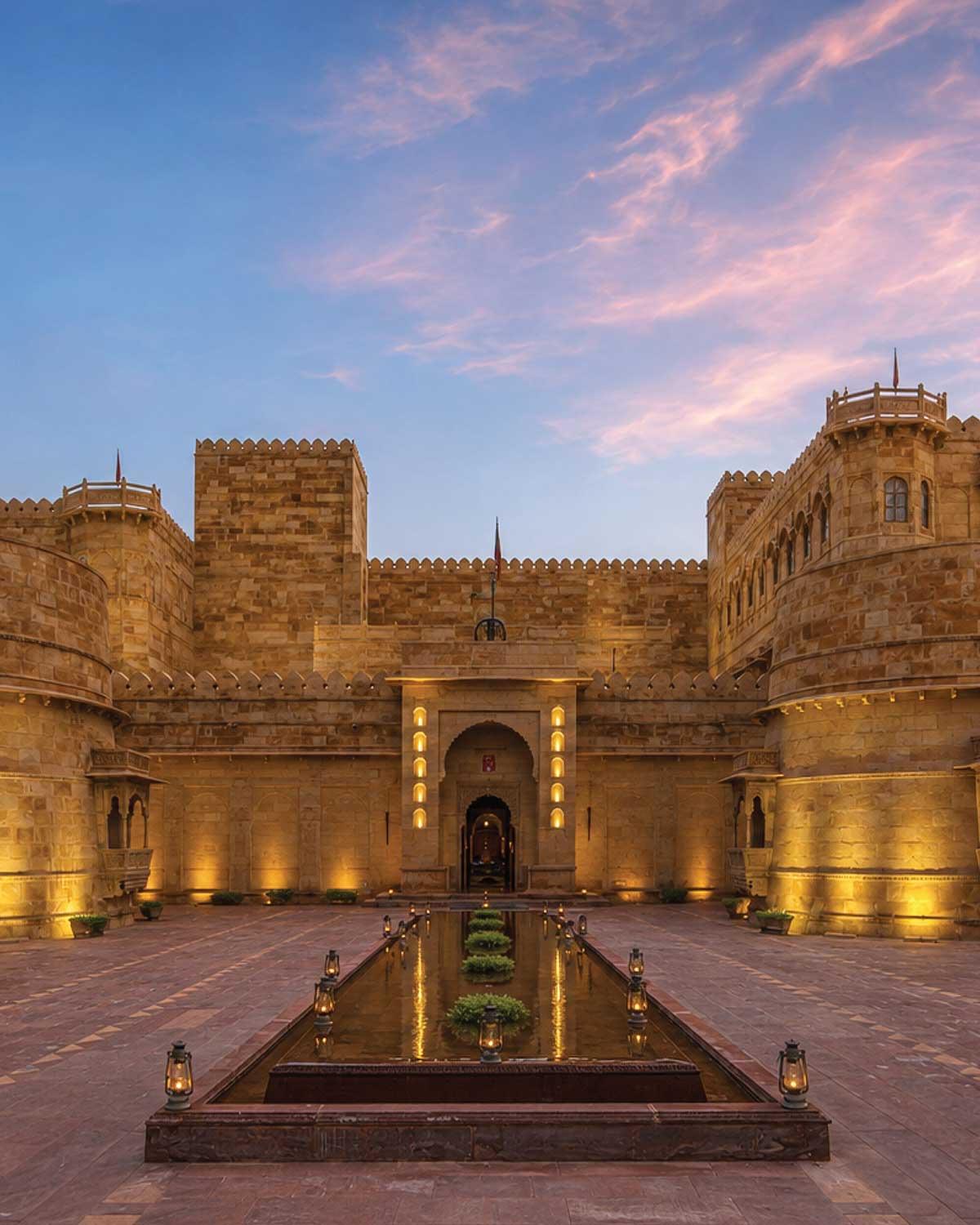
A sandstone fort built new in 2014 on the edge of the Thar, which serves its sundowners among the ruins of Kuldhara, a village nobody has lived in since the nineteenth century.