
Australia
Melbourne
We visited in February
Of Australia's two biggest cities, Melbourne is the one that goes to the gallery, and Sydney the one with the better beaches. The National Gallery of Victoria alone is split across two sites, one at Federation Square and one over the Yarra on St Kilda Road. The centre is a nineteenth-century grid of boulevards, and the laneways and arcades between them now belong to the small bars and the coffee.
A day in the grid needs no transport. Coffee comes first, on Degraves Street, then over the river to the gallery on foot, or one stop on the free City Circle tram for anyone saving their legs.
Melbourne is generous with good suburbs. Carlton, a short tram ride or twenty minutes' walk north, has been the city's Little Italy since the postwar migration, and Lygon Street still pours the Italian coffee to prove it. South Yarra is leafy and given to shopping, on Chapel Street and Toorak Road, and has the Royal Botanic Gardens for a break from both.
We stayed in St Kilda, on the bay, twenty-odd minutes from the CBD on tram 96, in February, one of the two warmest months. The beach is nice enough, and in that heat nice enough will do; Sydney need not worry. The suburb is the reason to be there, and properly cool, with its cafes and bars along Fitzroy Street and the Esplanade. Melbourne eats very well, and its cafes make the case. For a bed nearer the galleries, the CBD has most of the big hotels.
Leaving town is a treat, and worth a whole day. The Dandenong Ranges rise about an hour's drive east, eucalypt and mountain-ash forest so wet and green that it passes for cloud forest. Without a car, the train to Belgrave takes around seventy minutes, and the Puffing Billy steam train carries on from there into the trees.
Melbourne sets its hotel prices by the sports calendar. From mid-January into February the Australian Open fills Melbourne Park, and the hotels with it, and in March the Grand Prix does the same at Albert Park for a week. With a ticket, that is part of the cost. Without one, it is the year's highest rates to be in a city busy with something you are missing. Spring, September to November, has the mildest, driest days. Winter is cold and often wet, and the cheapest and quietest time to come, which is not the same thing as the best.
- Best months
- September to November
- Avoid
- January and March, for the Australian Open and the Grand Prix, and June to August, the cold wet winter
- Nearest airport
- Melbourne (MEL)
- Transfer
- about 30 minutes to the centre
Neighbourhoods
- St Kilda
Where to stay
5 hotels
5 hotels
 Grown-up
Adelphi Hotel
£Melbourne, Australia
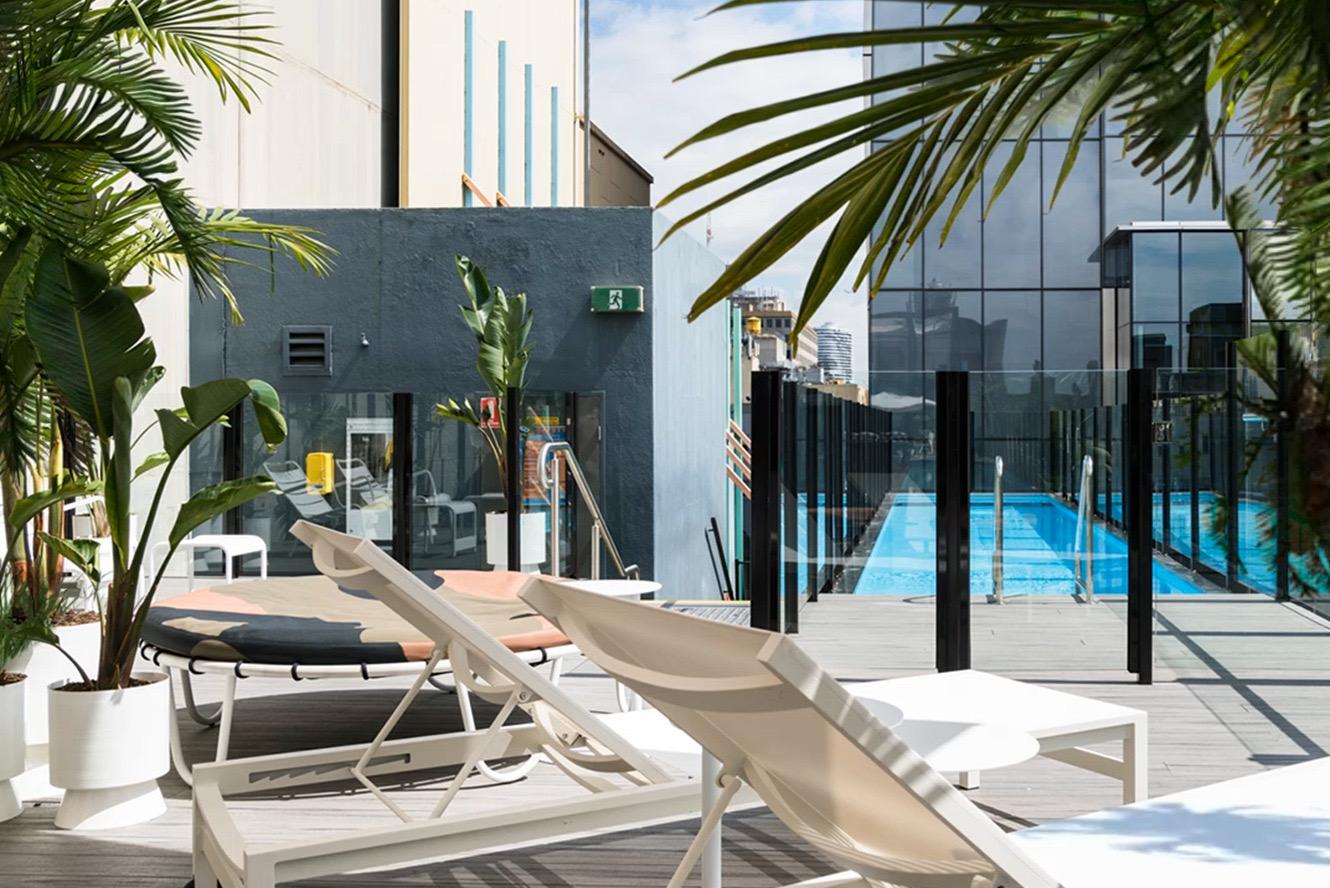
A glass-bottomed pool juts out over Flinders Lane from the roof of a 1938 rag-trade warehouse, which its architects bought and turned into their own hotel.
 Grown-up
Laneways by Ovolo
£Melbourne, Australia
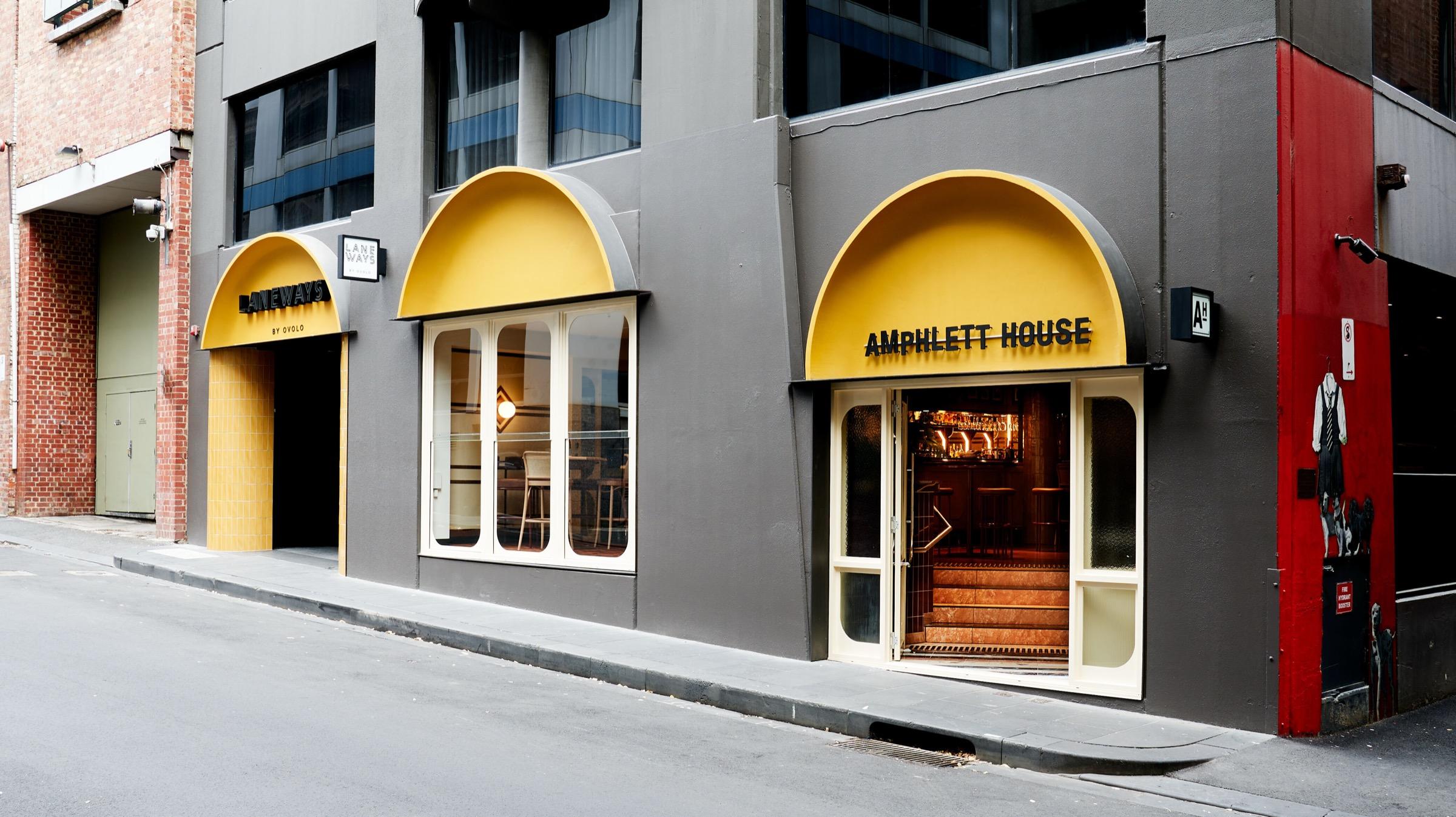
A 1980s block at the top of Little Bourke Street, painted in Memphis colours, with an honesty bar in the lobby and Her Majesty's Theatre 200 metres away.
 Grown-up
The Lyall Hotel & Spa
££Melbourne, Australia
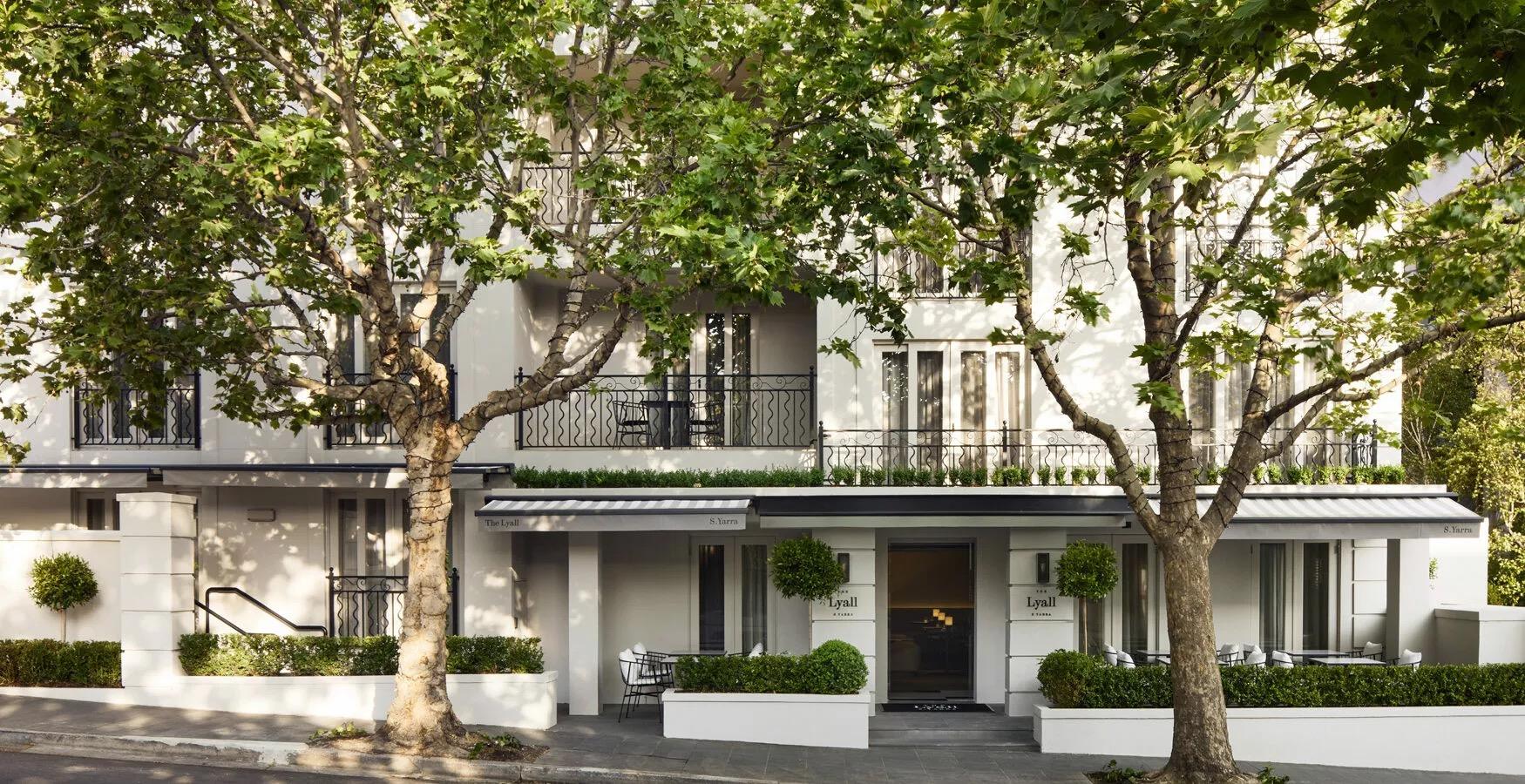
Fifty rooms on a quiet street off Toorak Road, arranged round a Japanese maple garden that the bistro and the best suite both look onto.
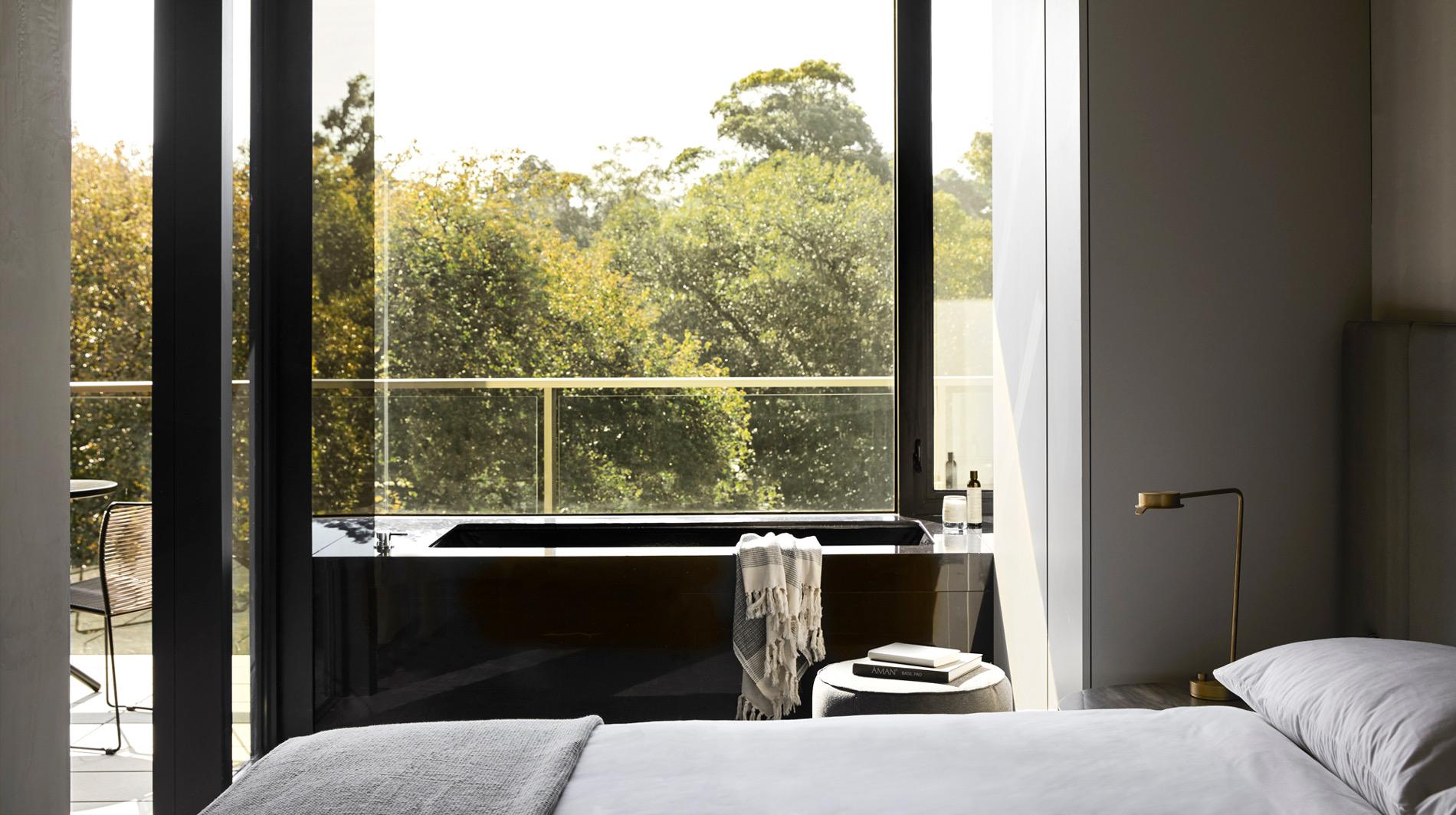 Grown-up
United Places Hotel Botanic Gardens
££Melbourne, Australia
Twelve suites of sandblasted concrete and bronze opposite the Royal Botanic Gardens, each with its own kitchen, and a restaurant 50 metres away to spare anyone from using it.
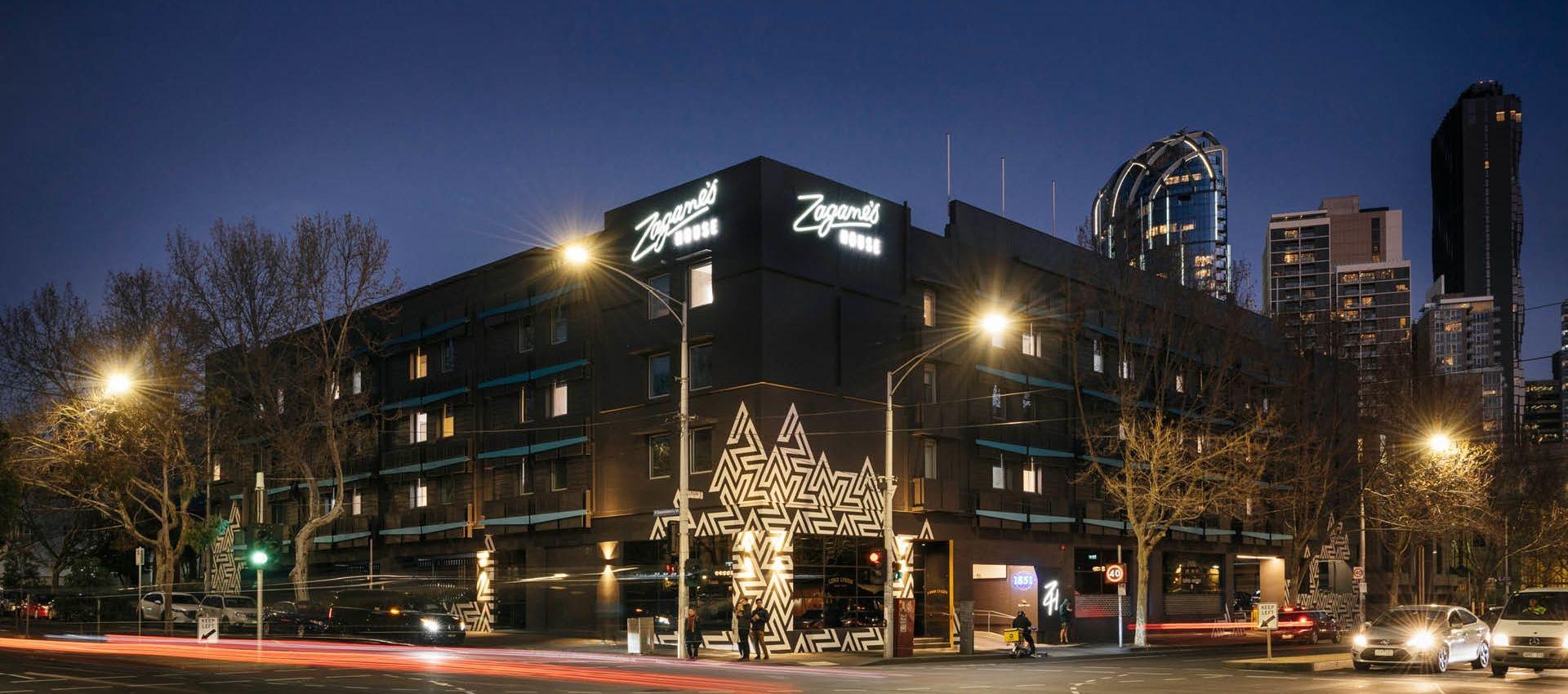 Grown-up & family
Zagame's House
£Melbourne, Australia
Psychedelic art down the corridors and Lygon Street's Italian cafés outside the door, at a Carlton hotel remade by the family who ran it as a budget motel.
Where to eat
3 restaurants
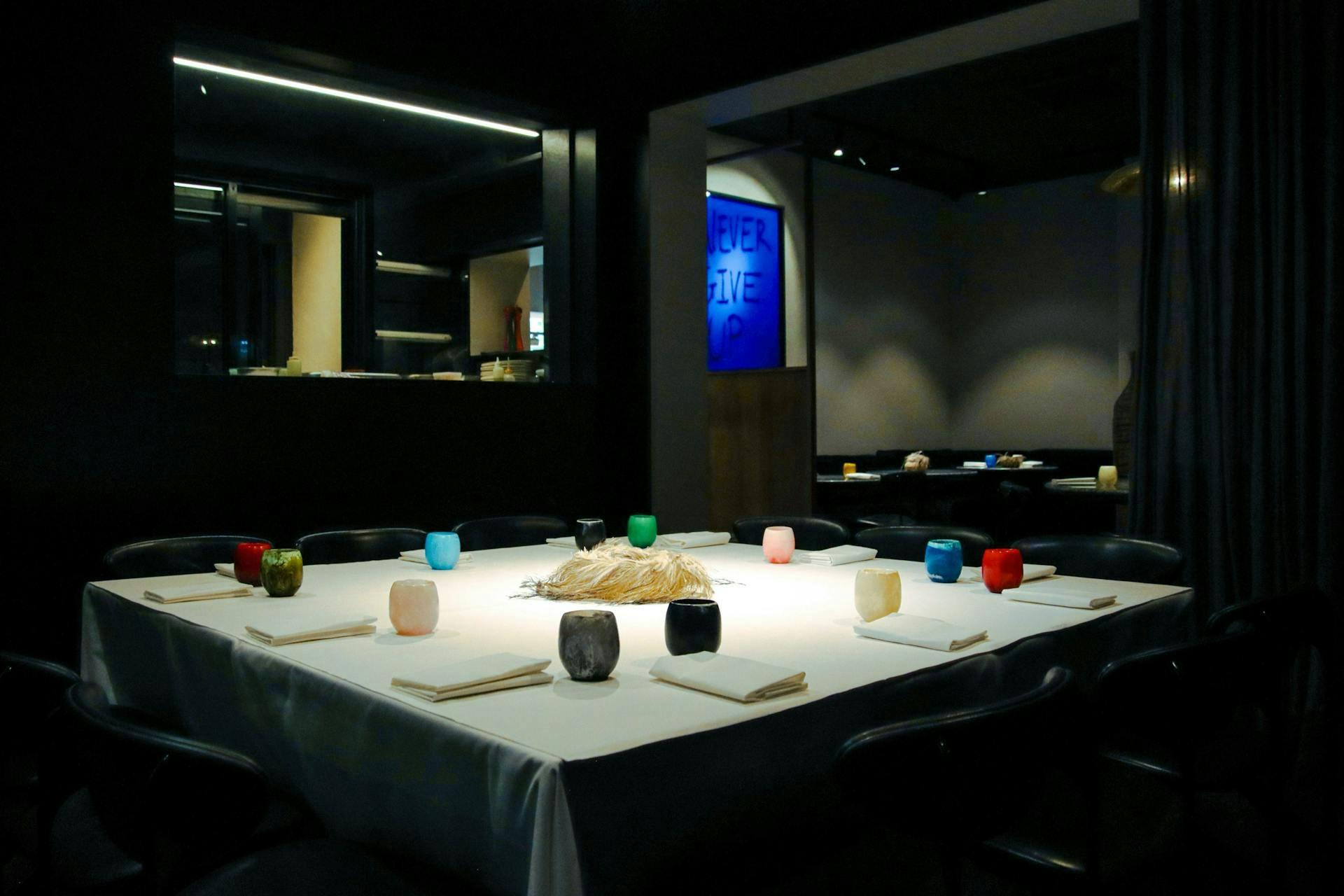
Attica
££££ · Recommended
Modern Australian
Ben Shewry's tasting menu turns native ingredients like emu liver and kelp-wrapped marron into dishes served on rocks and grass.
Reviewed in The Infatuation
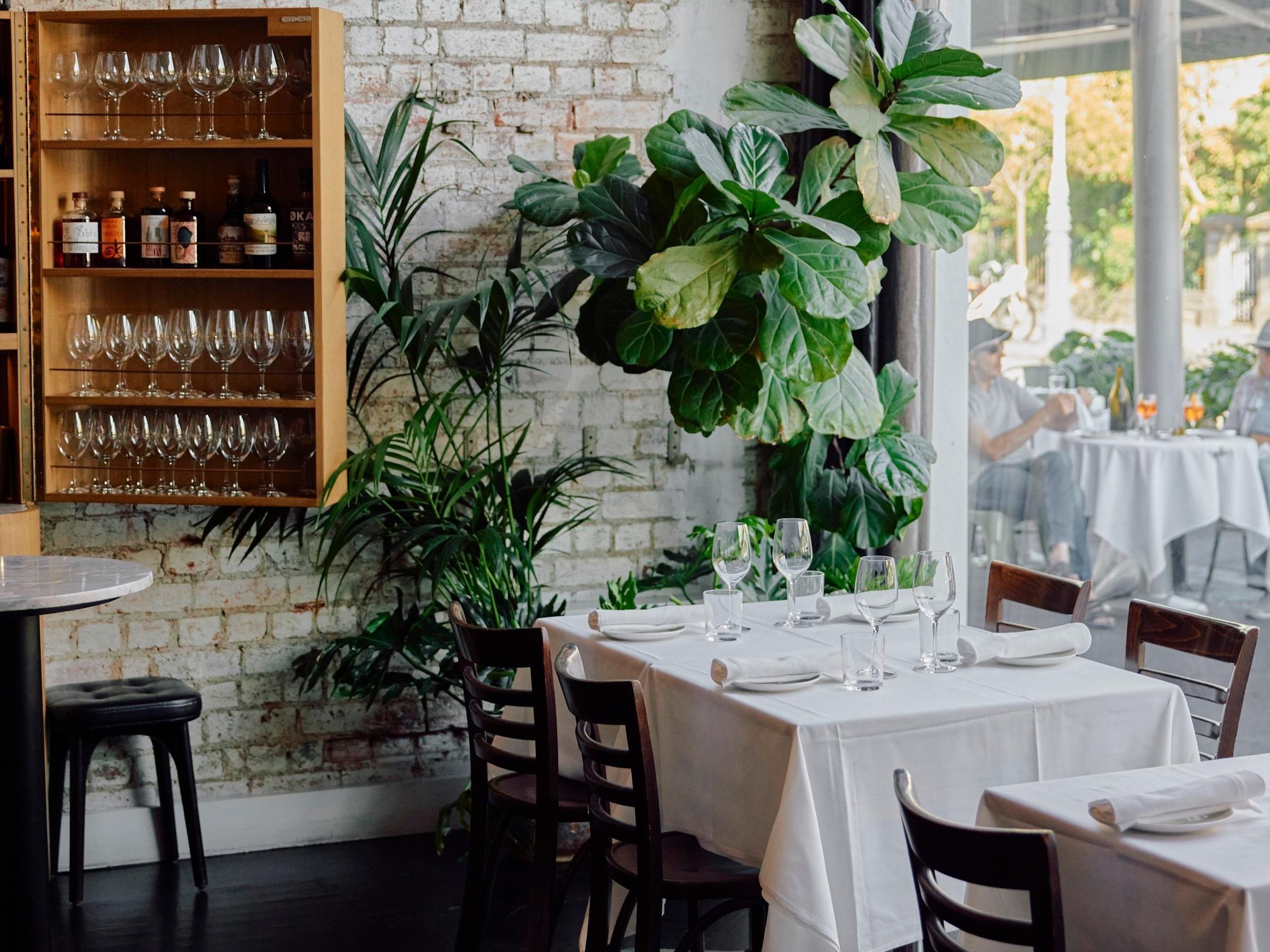
Cutler & Co
££££ · Recommended
Modern Australian
Bistro-like dishes such as roasted flounder and a rib eye to share, inside a former metal works factory in Fitzroy.
Reviewed in The Infatuation
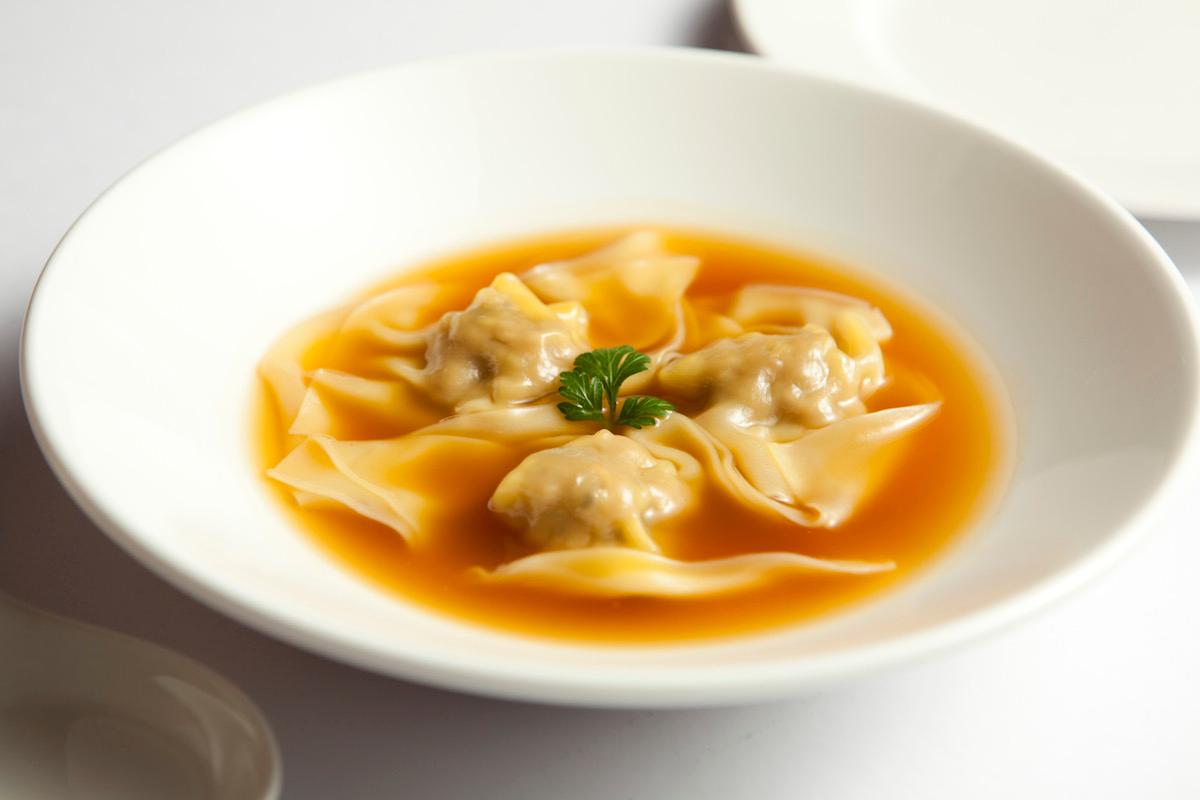
Flower Drum
££££ · Recommended
Cantonese
Cantonese classics like Peking duck and abalone, in a dining room that has barely changed in decades.
Reviewed in The Infatuation