Morocco
Marrakech
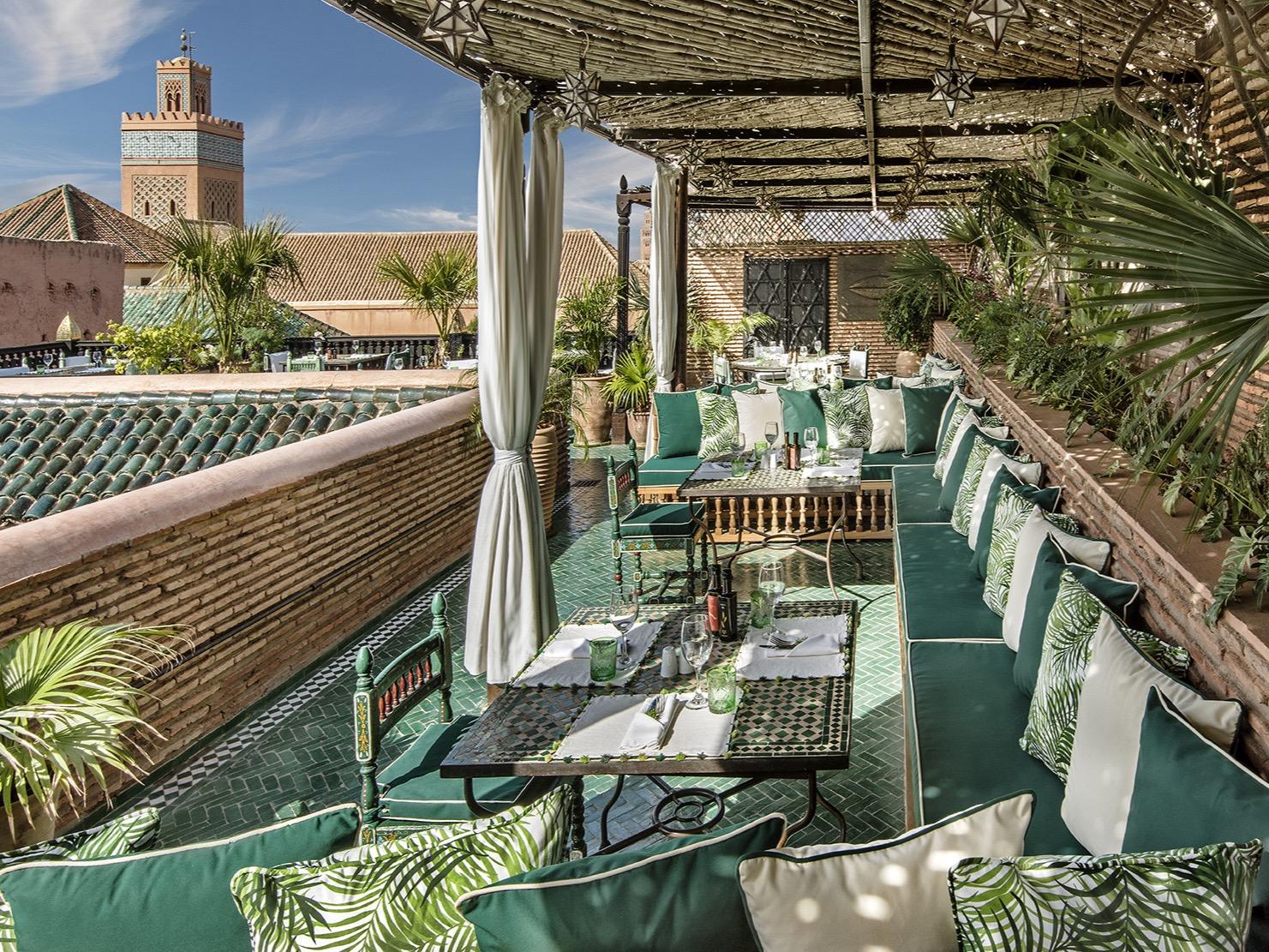
From the lane, a riad is a stretch of ochre-pink wall and a door. The Medina, the walled old city the Almoravids founded in the 11th century, is a maze of narrow lanes, and its riads were built facing inward, round a central courtyard, so whatever is worth seeing is on the other side. The walls are pisé, the same clay as the ramparts, which is why Marrakech is the Red City.
For anyone who came for the riads, the Medina is where to stay, with the souks and Jemaa el-Fna, the main square, out in the lanes. Cars cannot reach most riads, so the 15-to-20-minute taxi from the airport ends on foot, bags and all. The Kasbah, the old city's southern quarter, is the calmer end of it. Outside the walls, Gueliz is the new town the French built, with most of the contemporary restaurants, and Hivernage has several of the grand hotels, one of them 53 riads joined by alleyways, each with its own courtyard and plunge pool: the old city's plan, built again with a pool in every house.
Jardin Majorelle, ten minutes by taxi in Gueliz, is quietest the moment it opens at 8am, which leaves the rest of the morning for the souks north of the square before the heat and the crowds build. Souk Semmarine is the largest; the spices are in Souk el Attarine. The Bahia Palace and the Saadian Tombs take half a day between them, and a hammam, the steam bath and scrub, can have what is left of the afternoon. By sunset the square has filled with food stalls, musicians and storytellers, and the rooftop cafés that ring it watch from a safe height.
Spring and autumn are the times to go, when days run from about 20 to 30°C and it barely rains. July and August regularly reach the mid-30s, weather for staying indoors until evening, and winter nights drop to around 7 to 9°C, cold for a courtyard after dinner. Ramadan moves every year and changes restaurant and shop hours, so check its dates before booking in spring.
The Ourika Valley is an hour's drive south into the Atlas foothills, for Berber villages and the Setti Fatma waterfalls, six or seven hours there and back. The Agafay desert, 45 minutes away, is a stony plateau used for sunset dinners and overnight camps. The dunes are further south, and a good deal further from dinner.
- Best months
- March to May and September to November
- Avoid
- July and August, when daytime highs regularly reach the mid-30s°C
- Nearest airport
- Marrakech Menara Airport (RAK)
- Transfer
- about 15 to 20 minutes by taxi to the medina, roughly 6km away
Neighbourhoods
- Palmeraie
Where to stay
4 hotels
4 hotels
 Grown-up & family
La Mamounia
££££Marrakech, Morocco
Eight walled hectares of orange trees and roses inside the Medina, given to a prince as a wedding present, and a palace in them where Churchill came to paint.
 Grown-up & family
La Sultana Marrakech
££££Marrakech, Morocco
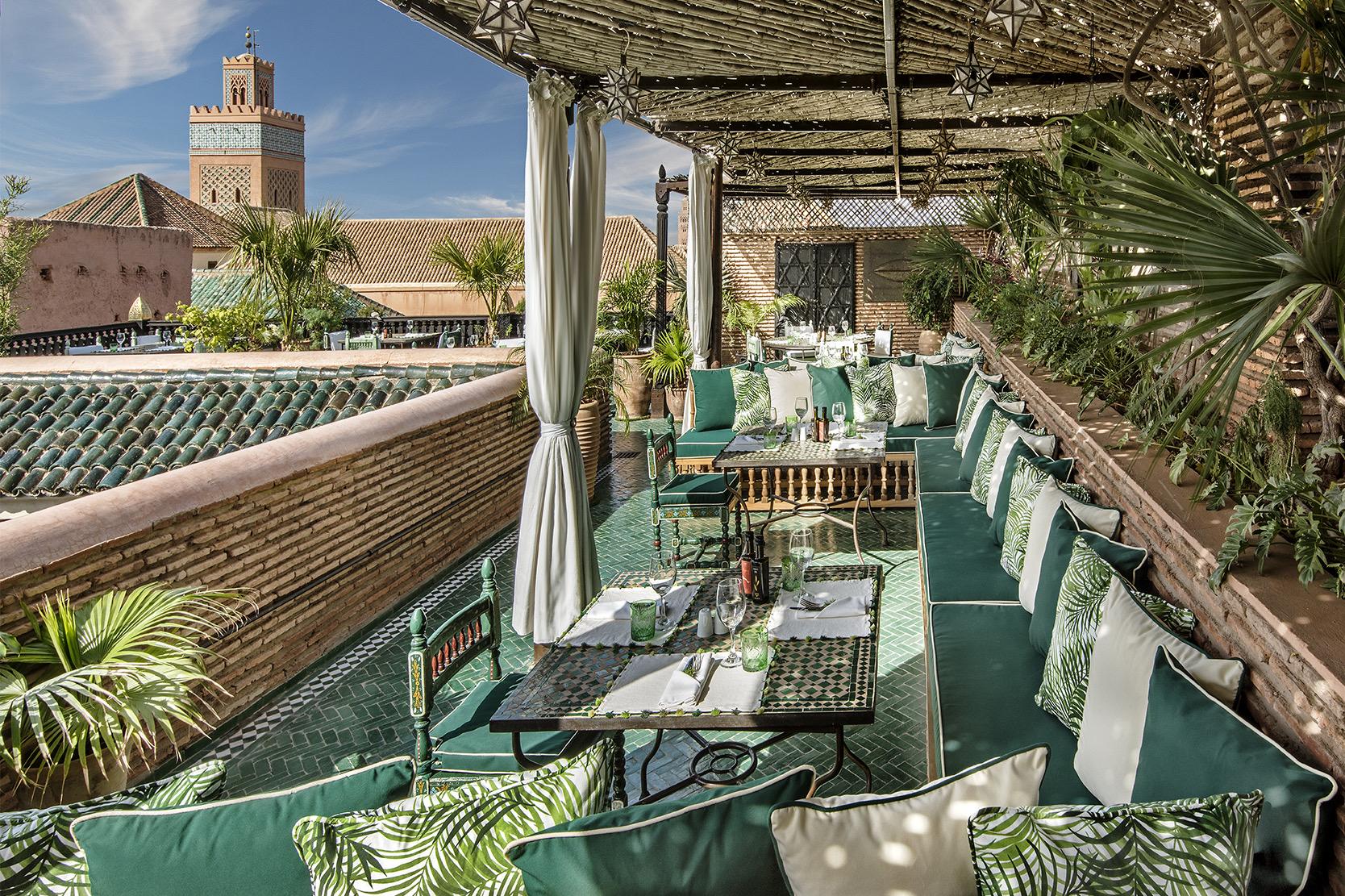
A spa of pink marble columns round a long sunken pool, and on the roof 2,000 square metres of terrace looking down into the Saadian Tombs next door.
 Grown-up
Maison Brummell Majorelle
££Marrakech, Morocco
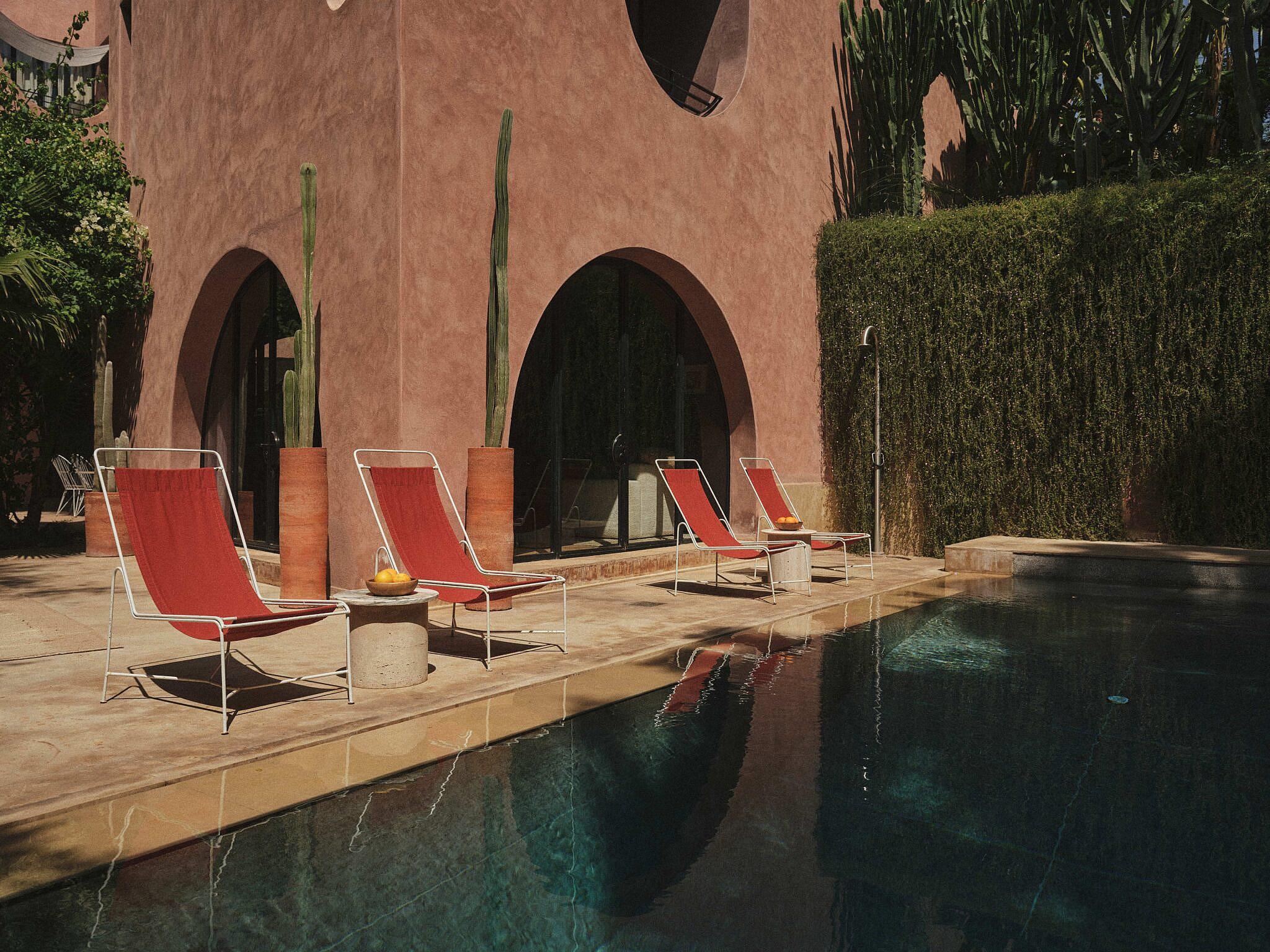
A house of eight rooms behind a fluted pink wall, across the street from the Majorelle Garden, where the garden rooms keep their baths outside among the cacti.
 Grown-up & family
Royal Mansour Marrakech
££££Marrakech, Morocco
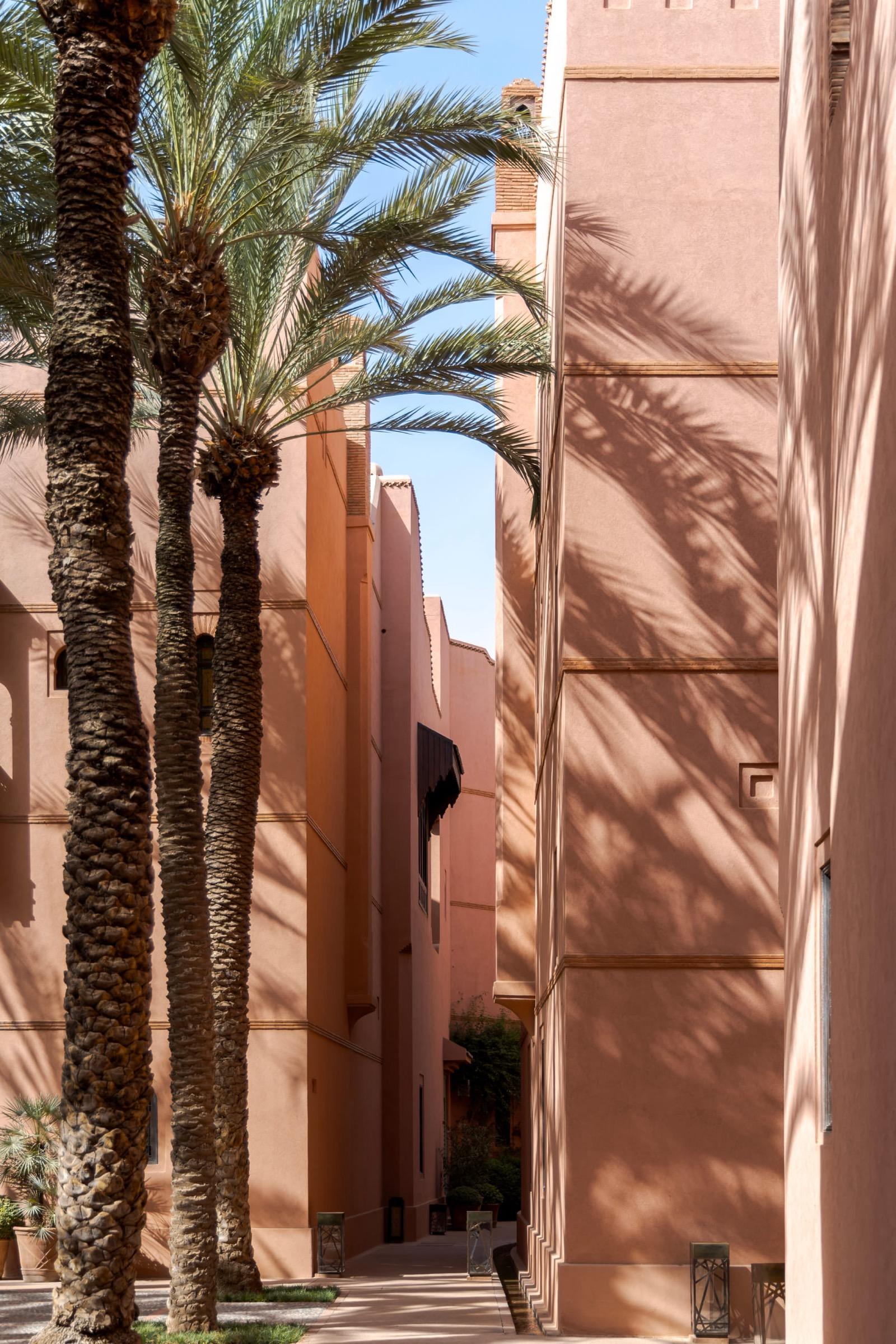
Fifty-three riads, each with a plunge pool and a roof terrace, inside the walls of a five-hectare estate whose staff come and go by tunnel.
Where to eat
4 restaurants