
Maldives
Maldives
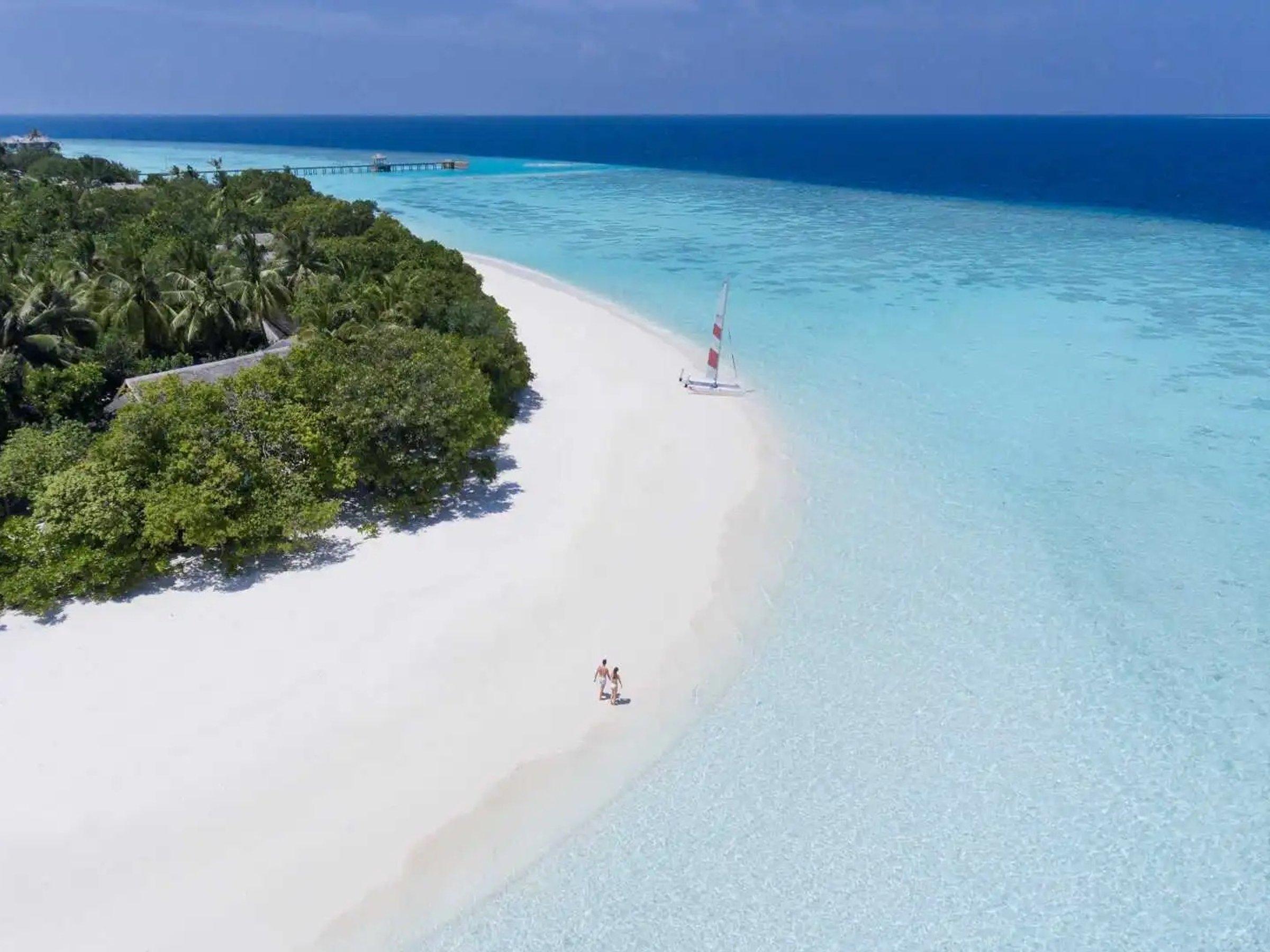
In the Maldives the seaplanes stop at dusk. International flights land at Velana, on Hulhule near the capital, Male, and the onward flights to Baa Atoll and the atolls north of it take 30 to 50 minutes, in daylight only. Land after dark and it can mean a night near Male, with the island still to come. North and South Male Atoll are a speedboat away, 15 to 45 minutes at any hour, which makes them the answer to a late flight.
Each of the roughly 150 resorts has an island to itself, under a rule the government set in 1972, so choosing a hotel here also means choosing an atoll. Baa, a UNESCO Biosphere Reserve since 2011, is the one for what lives on the reef. Noonu is among the most private and expensive in the country, and Raa has JOALI's two resorts, built around art and wellness as much as the beach. South Male Atoll has Crossroads, several resorts over several islands built across a reclaimed lagoon, for anyone who would rather have neighbours.
The days go in the water or on top of it. Almost every resort is built around its house reef, which starts straight off the villa, so snorkelling needs no boat at all. The boats are for further out: a speedboat to an uninhabited sandbank, uninhabited until lunch is laid out on the sand, and a sunset run into open water to look for spinner dolphins. After dark the fishing is done by hand line from a traditional dhoni. The seaplane north earns a window seat, since the flight over reef and lagoon is the sightseeing.
December to April is the northeast monsoon, dry and settled: the winter sun, at the year's highest prices. From May to November the southwest monsoon brings more rain and stronger wind, worst in the northern and central atolls, the Male atolls among them. It also brings the surf and the mantas. From June to September its swell runs through North Male Atoll's reef passes, among them Pasta Point and one called Chickens. From June to November Hanifaru Bay in Baa Atoll has the largest gathering of feeding reef manta rays recorded anywhere, and whale sharks come too. It is a Marine Protected Area, with visitor numbers capped and scuba diving banned, so the mantas are watched from the surface, which in those months is where the rain is.
- Best months
- December to April
- Avoid
- May to November, the southwest monsoon, which brings the heaviest rain to the northern and central atolls where every hotel and restaurant on record here sits.
- Nearest airport
- Velana International Airport (MLE), on Hulhule near the capital Male
- Transfer
- 15-45 minutes by speedboat to North Male and South Male Atoll; 30-50 minutes by seaplane, daylight hours only, to Baa, Noonu and Raa Atoll.
Neighbourhoods
- North Male Atoll
- South Male Atoll
Where to stay
5 hotels
5 hotels
 Grown-up & family
JOALI BEING
££££Maldives, Maldives
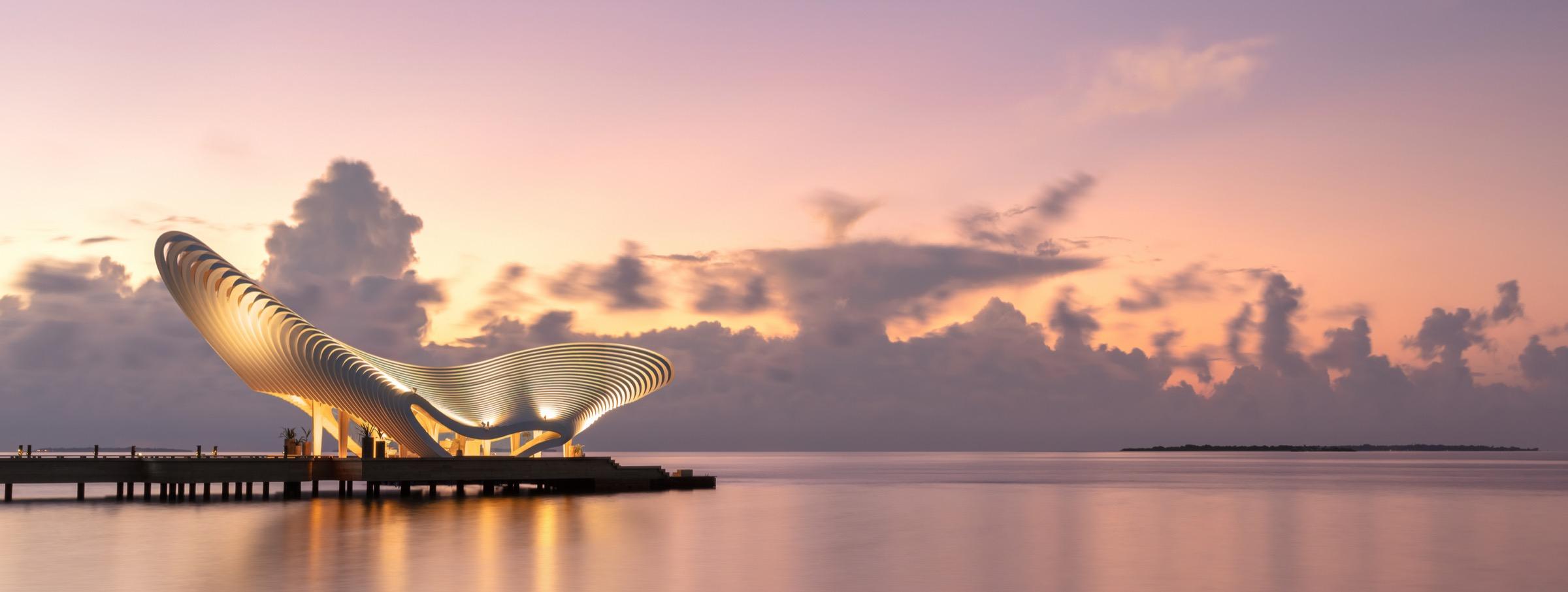
Nine instruments set along a path through native forest, and a sound of its own in each of 37 treatment rooms, on a wellbeing island in Raa Atoll.
 Grown-up
Milaidhoo Maldives
££££Maldives, Maldives
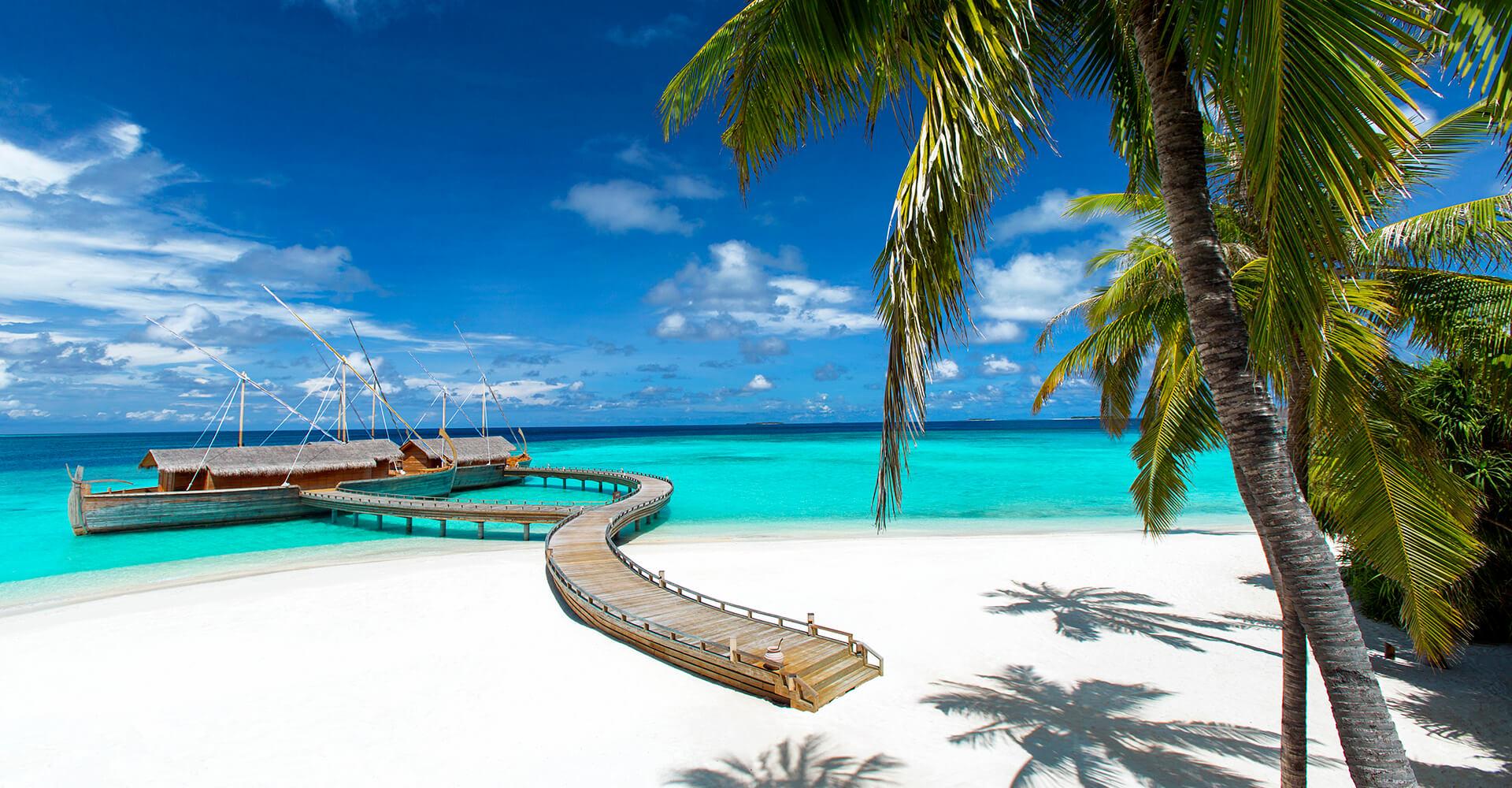
Dinner on the lower deck of a ba'theli, the old Maldivian cargo boat, over a glass floor with the lagoon of a Baa Atoll island beneath it.
 Grown-up & family
Soneva Jani
££££Maldives, Maldives
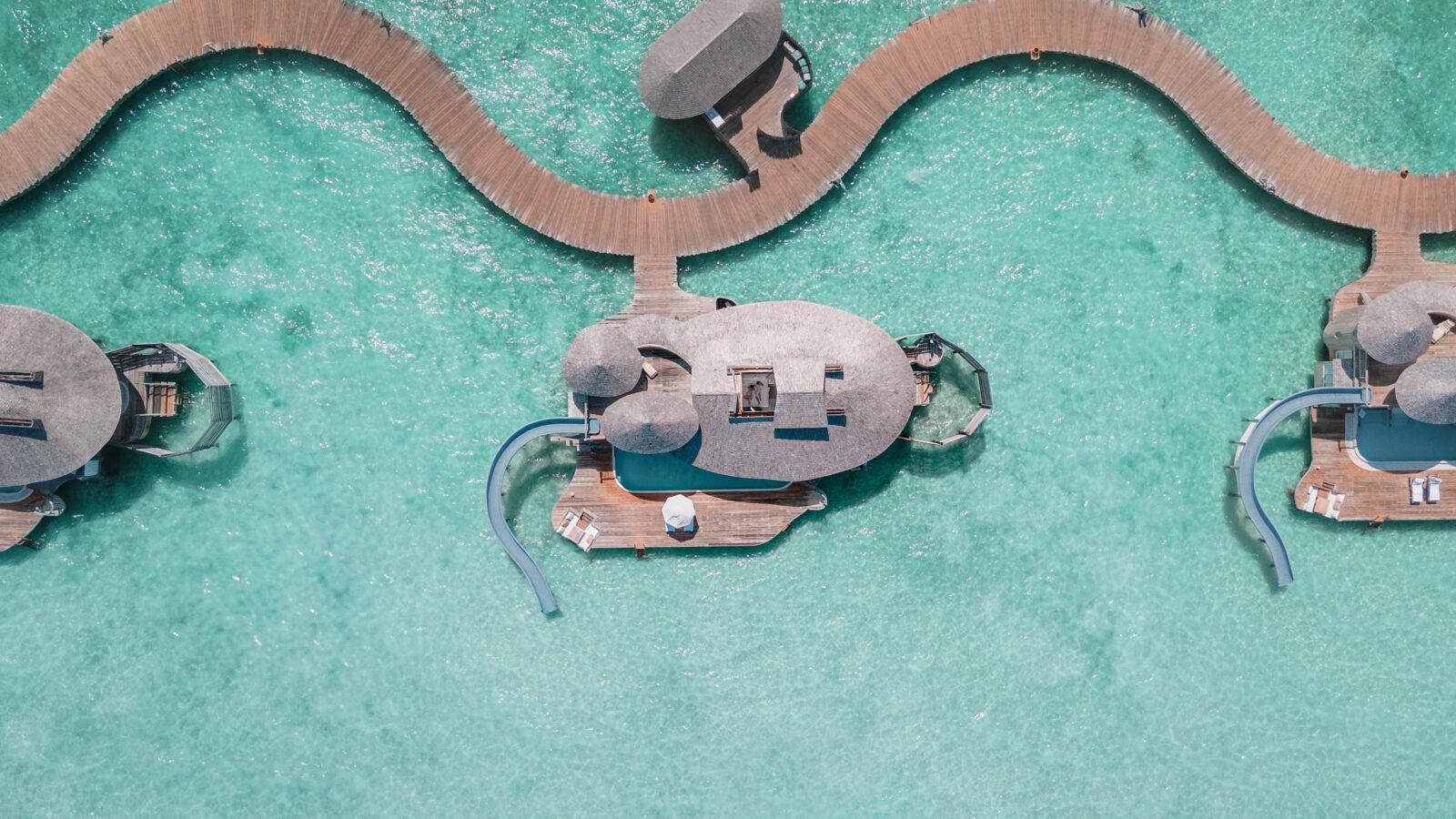
Water villas over a calm lagoon in Noonu Atoll, where the roof above the bed rolls back for the stars and most decks have a slide straight into the sea.
 Grown-up & family
The Nautilus Maldives
££££Maldives, Maldives
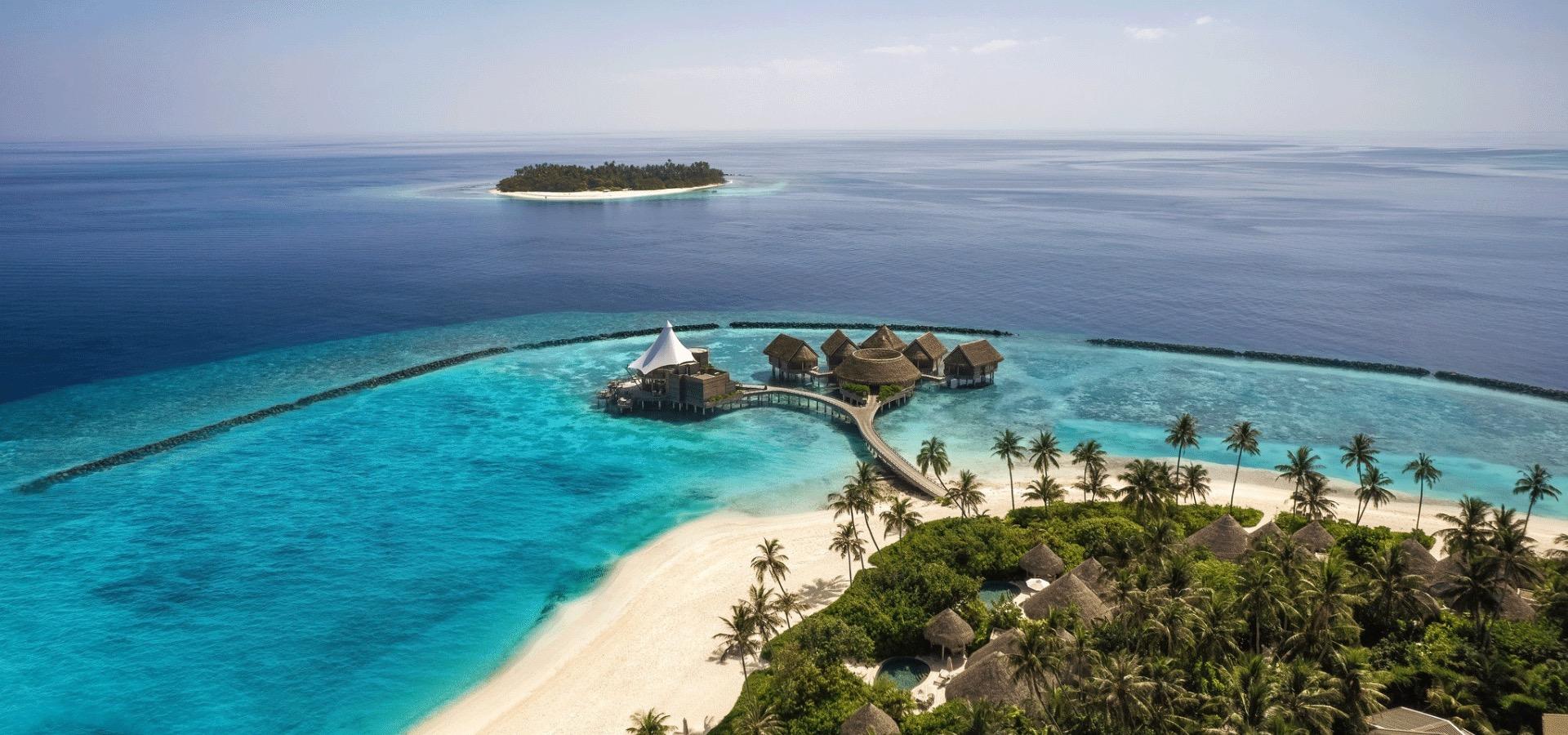
Breakfast can be dinner on this Baa Atoll island, where the restaurants keep no opening hours and each of the 26 houses and residences has a pool of its own.
 Grown-up & family
Vakkaru Maldives
££££Maldives, Maldives
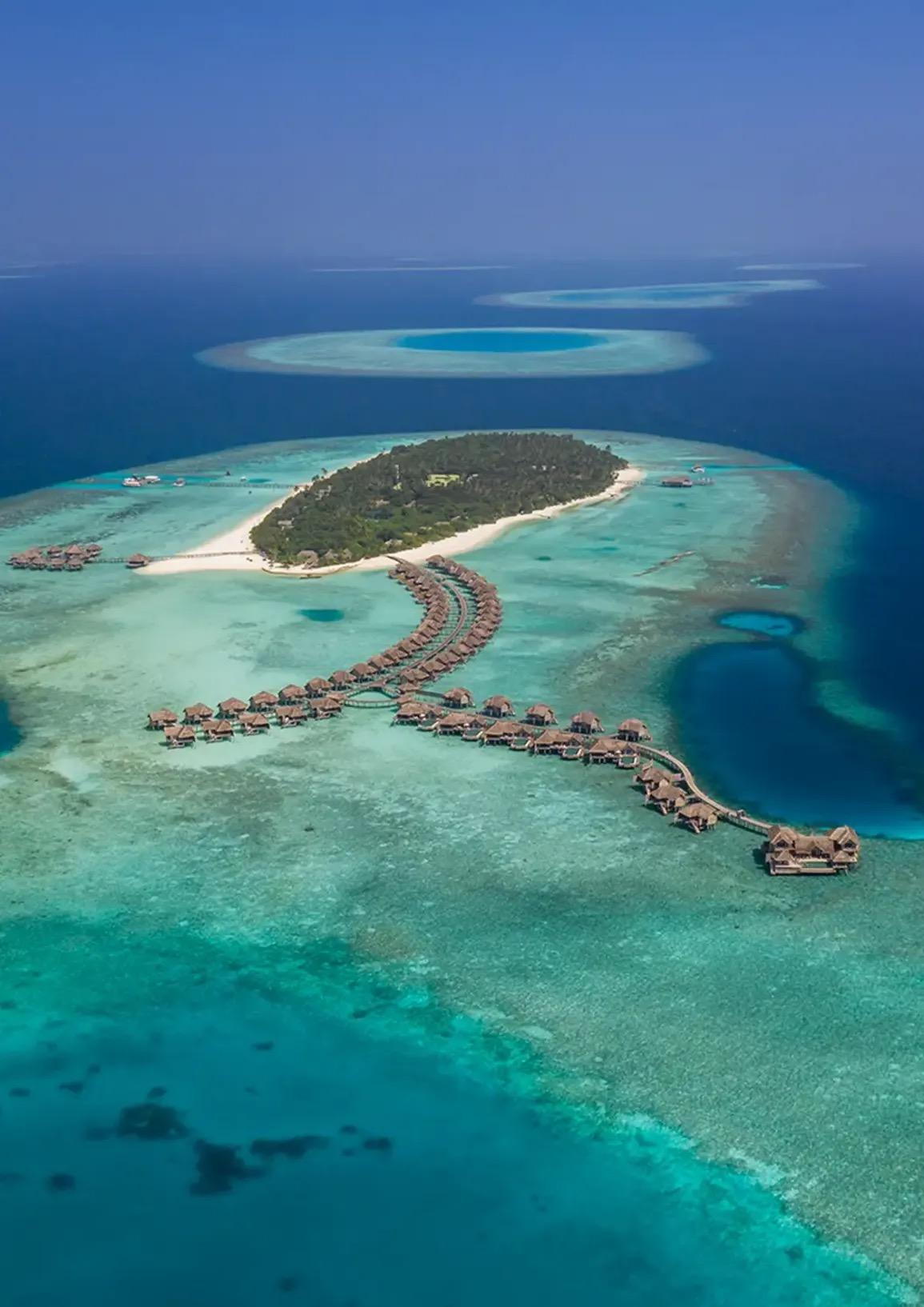
Two blue holes a few minutes' paddle off the beach of a Baa Atoll island, and a resident marine biologist keeping watch on the reef around them.
Where to eat
2 restaurants
Le 1947
Recommended
Noonu Atoll
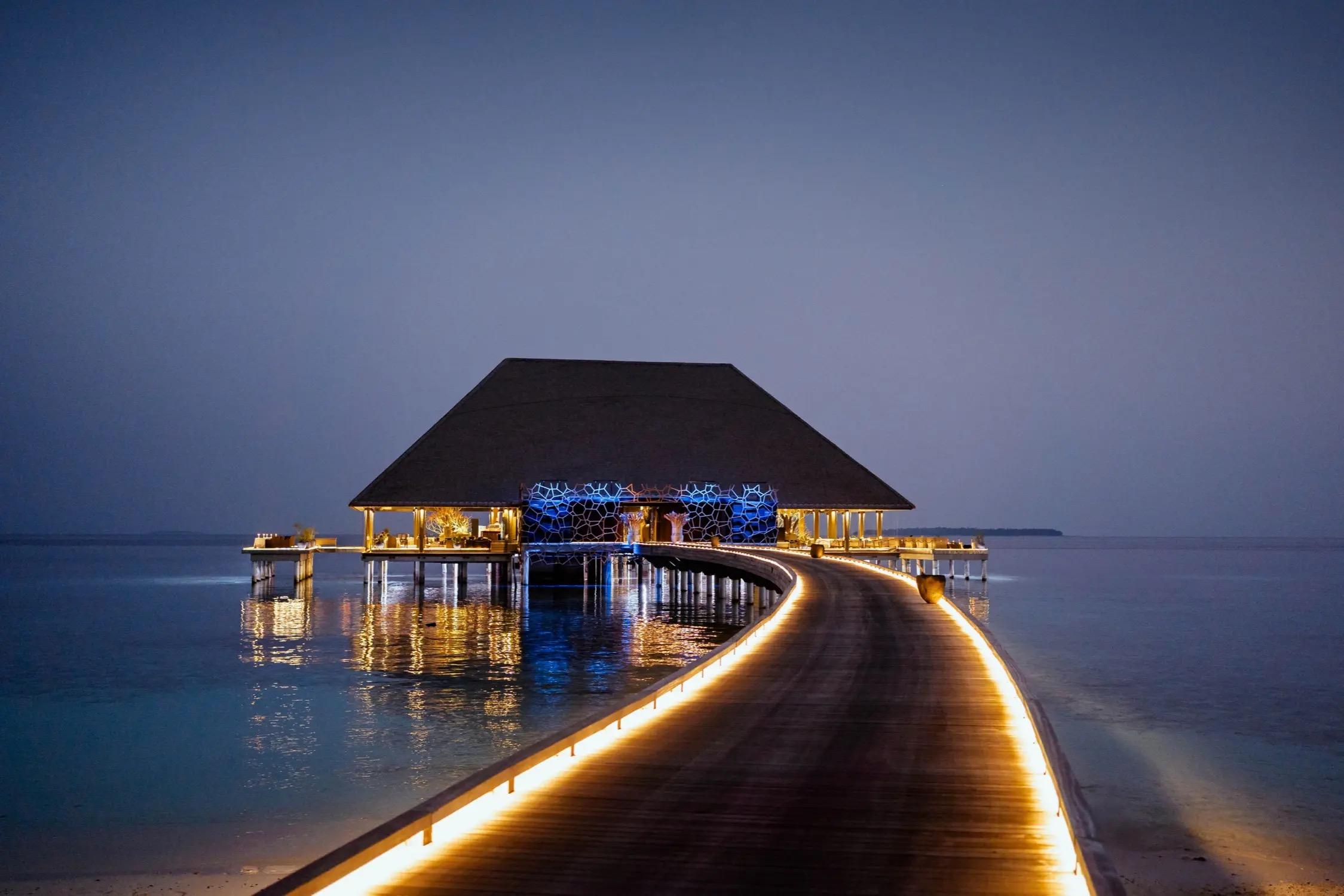
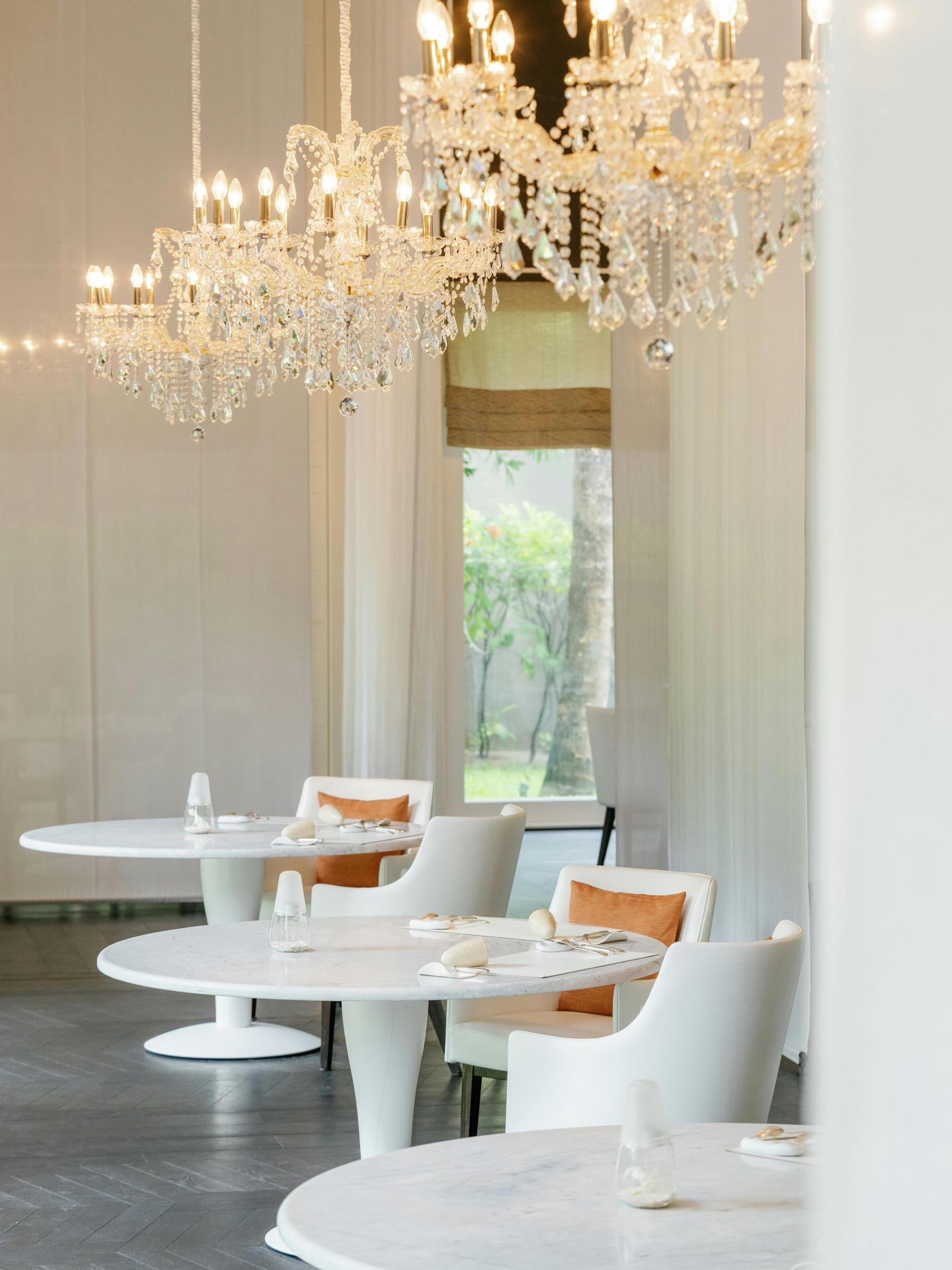
Named after Château Cheval Blanc's 1947 vintage, with Yannick Alléno's French cooking to live up to it.