
Spain
Lanzarote
Timanfaya's eruptions ran from 1730 to 1736, and parts of Lanzarote still look as though they finished last week. Black ash covers the south and the interior, and the Route of the Volcanoes takes a coach 14 kilometres through the national park in about 45 minutes. At El Diablo, the park's restaurant, the grill runs on heat drawn up from the fumaroles, so the volcano is still doing some of the cooking.
What stands on top is largely one man's doing. César Manrique, an artist from the island, came home in 1966 as tourism was starting and pushed through building codes that still hold: nothing over two or three storeys, no billboards, and every house whitewashed with green, blue or brown trim. He built the sights too. Jameos del Agua is a lava tube he turned into a concert hall and a pool, which it shares with a blind albino crab found nowhere else. Mirador del Río looks straight down on La Graciosa from 474 metres, and a free viewpoint about 50 metres away tests anyone's loyalty to architecture.
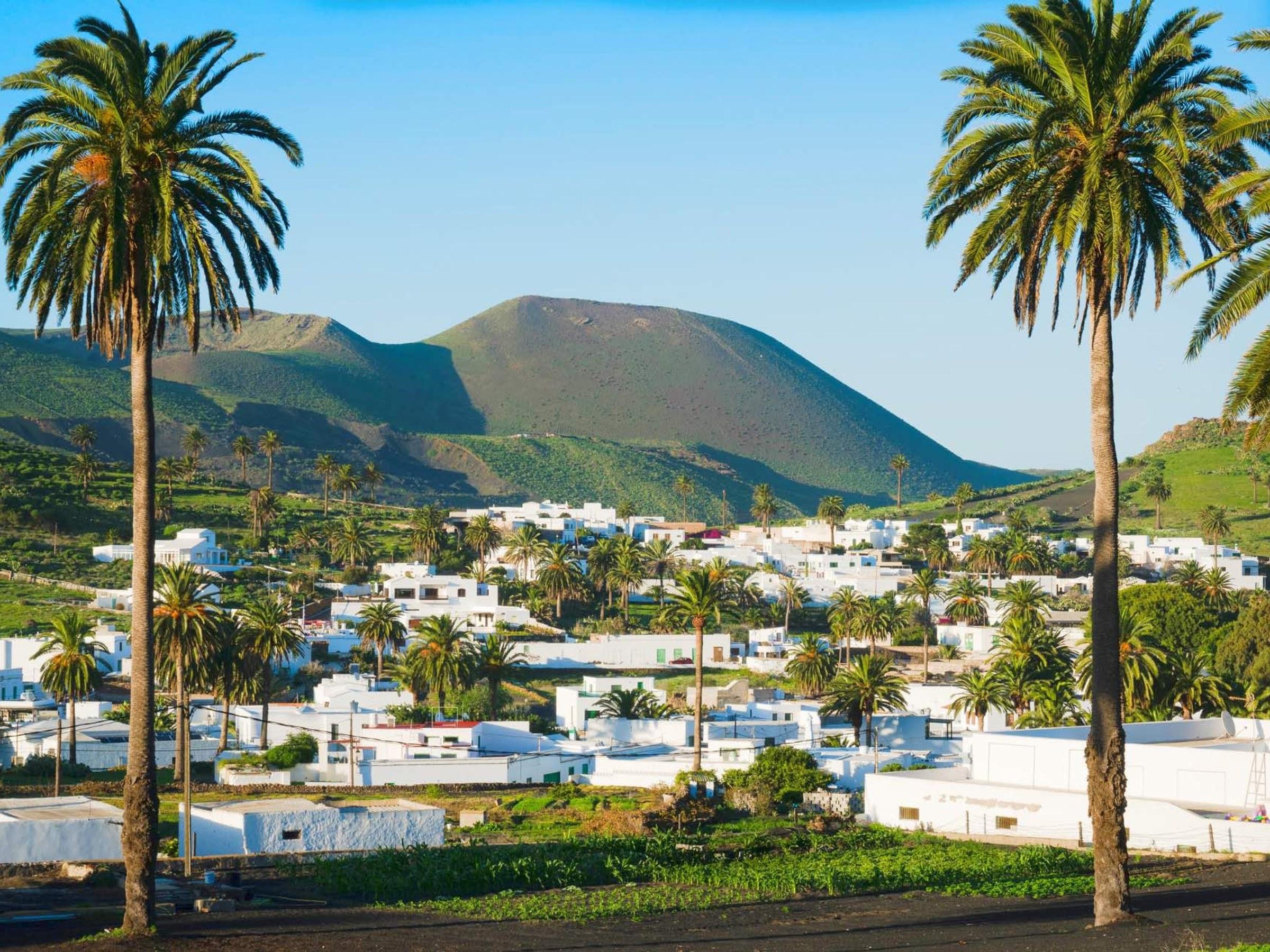
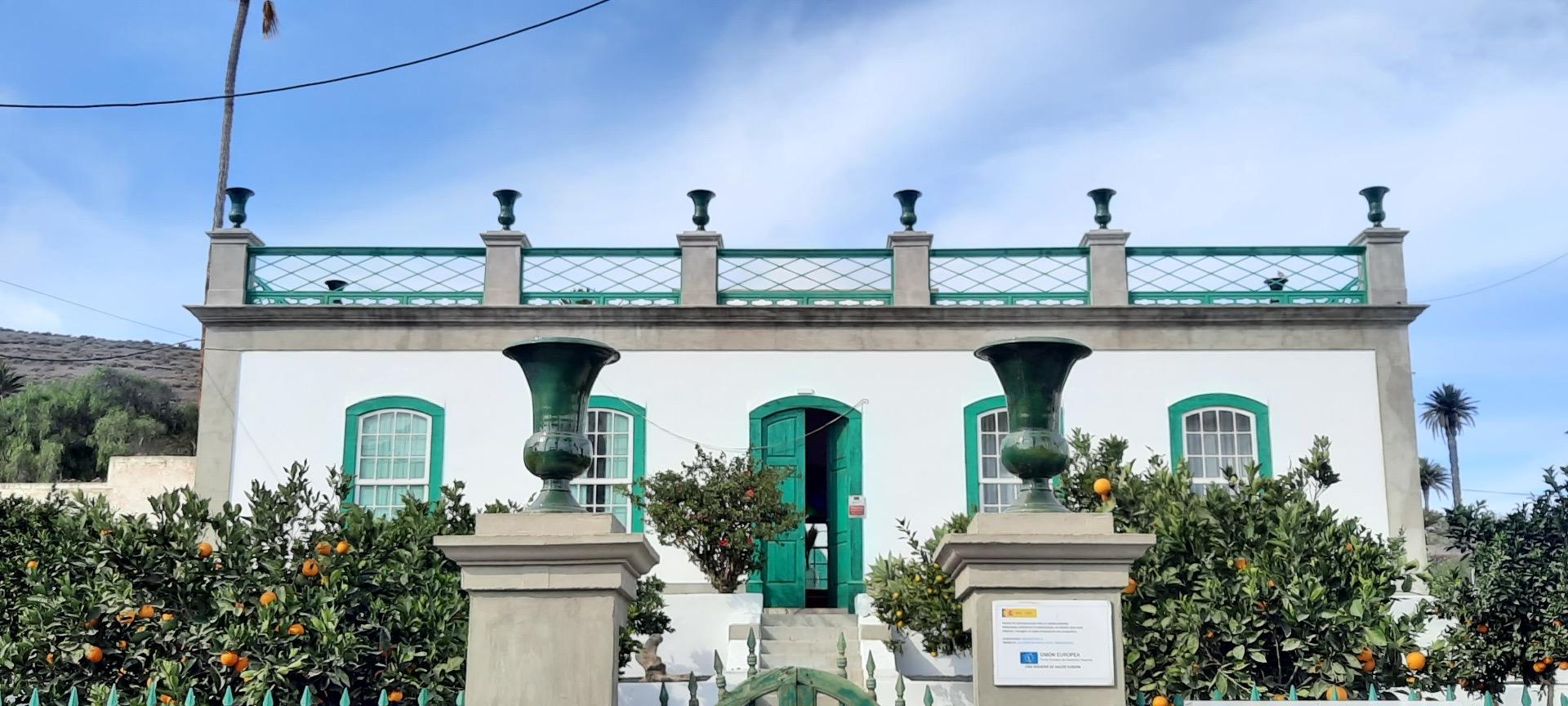
The north is the green part, and earns a day. Haría sits in a valley of century-old palms, with Manrique's house among them, now a museum. Below the cliffs at Famara, about five kilometres of beach is zoned to keep the surfers and the kitesurfers apart. From Órzola the ferry takes 25 to 30 minutes to reach La Graciosa, the island from the Mirador's view, close up and car-free.
Where to sleep depends on how much beach the trip needs. Puerto del Carmen, 10 to 15 minutes from the airport by taxi, has most of the hotels and the nightlife; Playa Blanca, up to 40 minutes south, is newer, built round sheltered white sand near the coves of Papagayo. For the island rather than the beach, stay inland among the vines of La Geria, where the bodegas pour Malvasía Volcánica from plants that each get a wall of their own, or in the north. Arrecife, the working capital, is for anyone who needs connections more than a beach.
October is the month: around 25C, the driest part of the year, and past the worst of the summer wind. July is the windiest, bad news on a sunbed and good news at Famara, and August the hottest, regularly over 30C. December and January are the wettest, which on an island with fewer than 16 days of rain a year is not much of a threat.
- Best months
- October, with March and April also good
- Avoid
- July and August, for the strongest winds and the summer heat
- Nearest airport
- César Manrique-Lanzarote Airport (ACE)
- Transfer
- 10 to 15 minutes by taxi to Puerto del Carmen, up to 40 minutes to Playa Blanca
Neighbourhoods
- Arrecife
Where to stay
5 hotels
5 hotels
 Grown-up
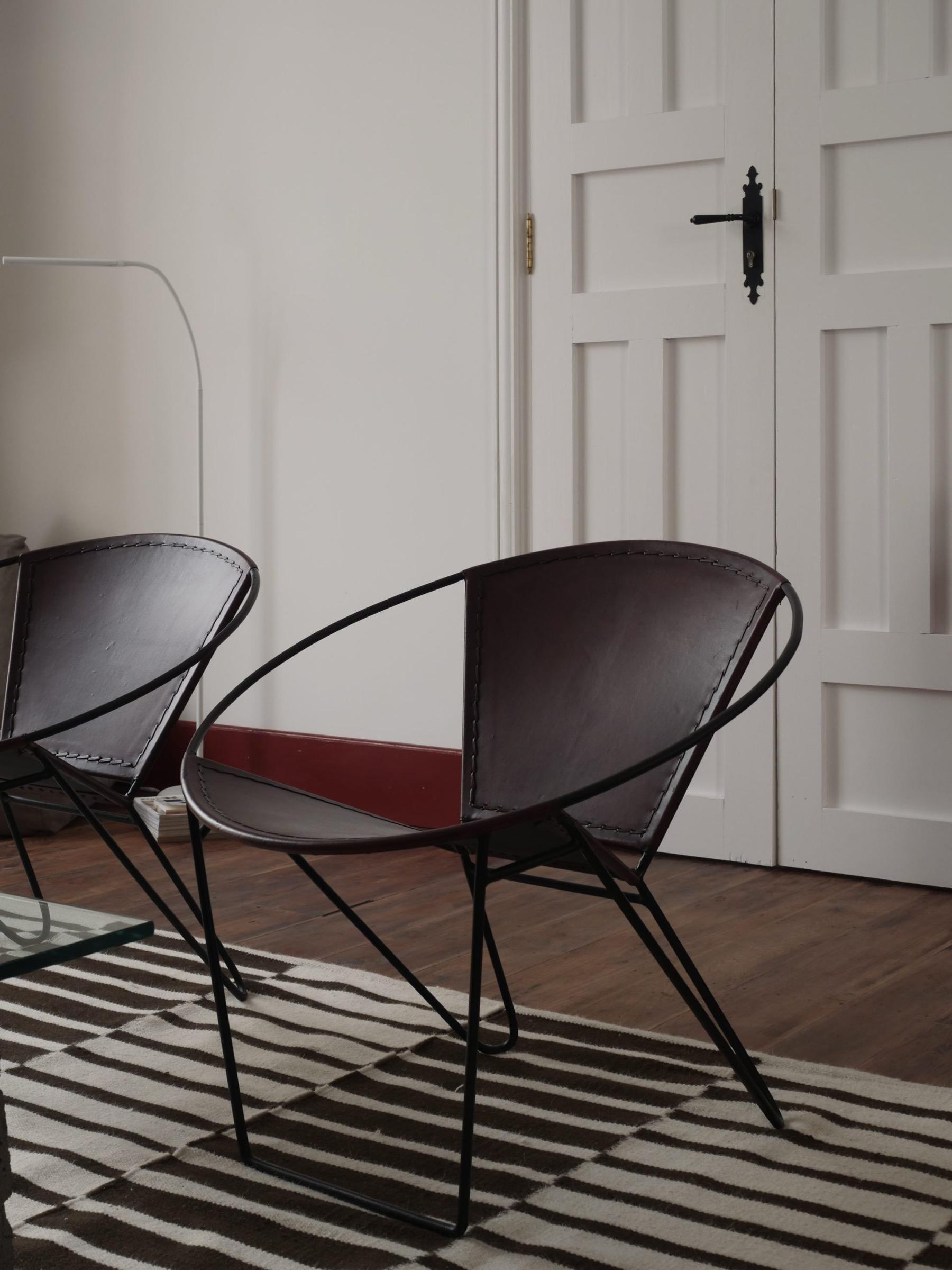
Casa de las Flores - Hotel Boutique Lanzarote
££Lanzarote, Spain
A costume designer has dressed this Teguise mansion of 1785 in whitewash and volcanic stone, and breakfast in its courtyard runs to six courses.
 Grown-up & family
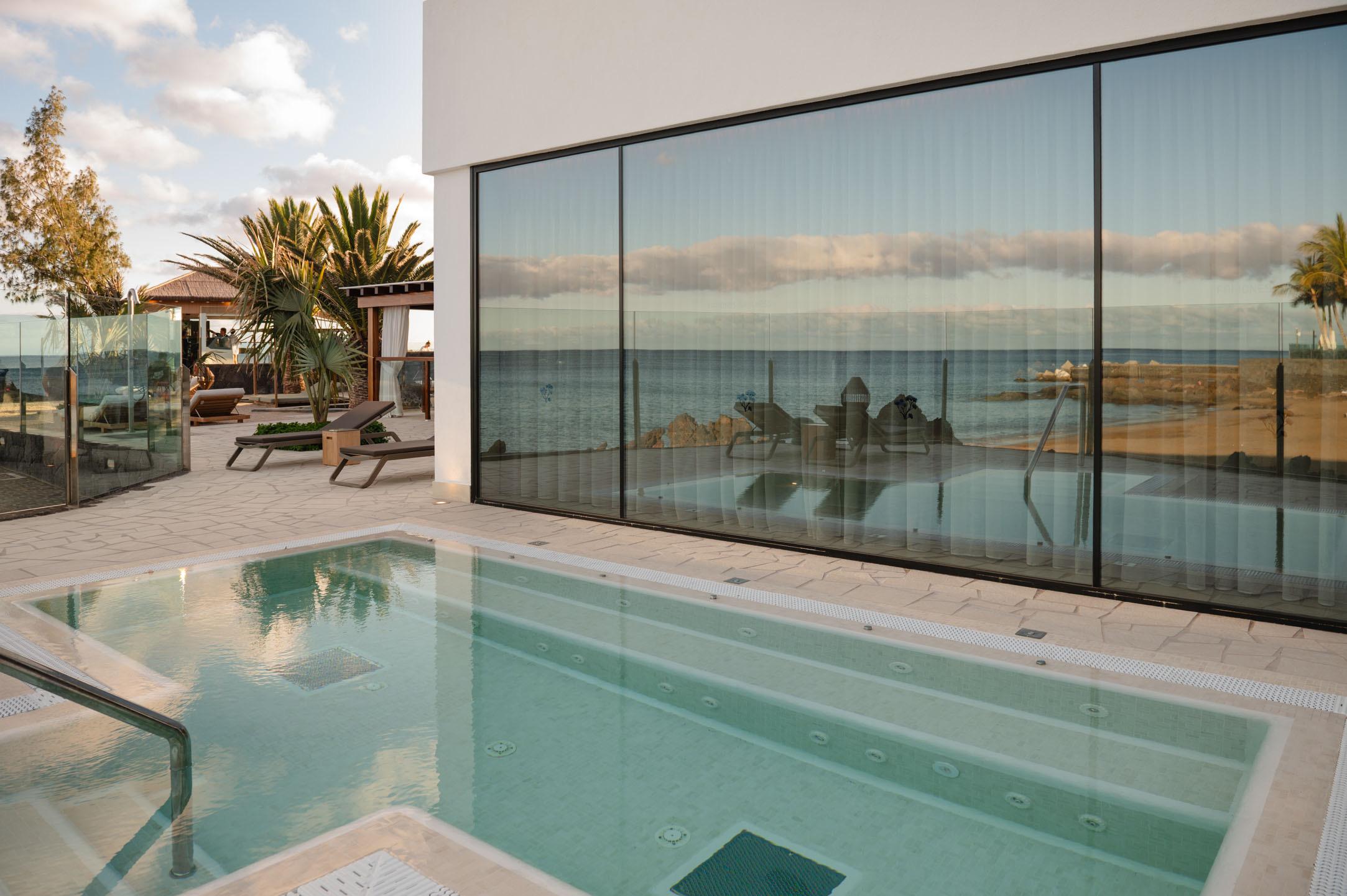
Fariones
£££Lanzarote, Spain
A flock of sculpted white birds crosses the spa ceiling at Lanzarote's first hotel, open since 1966 on its own cove of golden sand in Puerto del Carmen.
 Grown-up
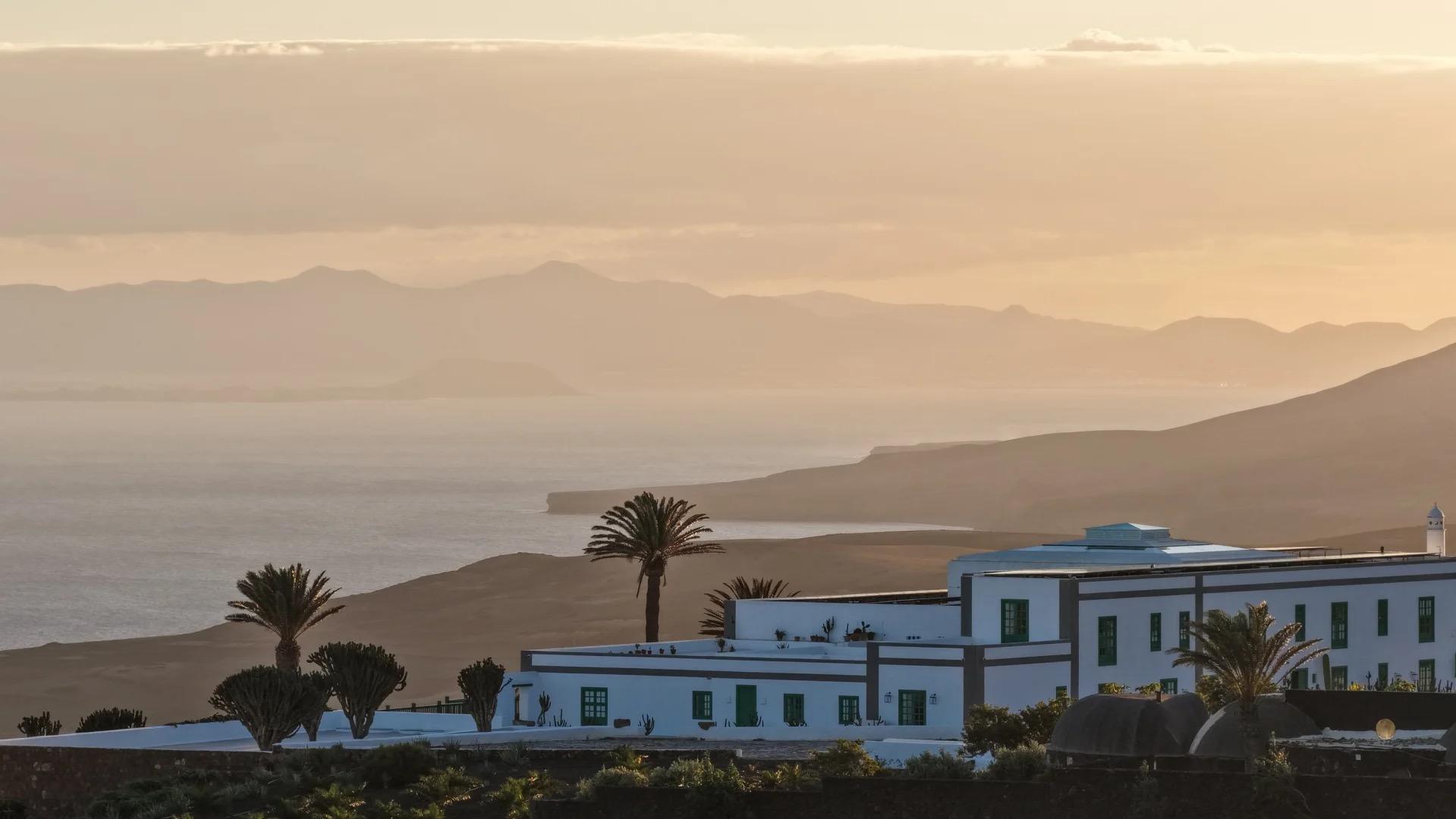
Hotel Cesar Lanzarote
£££Lanzarote, Spain
A former Manrique family house among the vines and volcanoes of La Geria, where the massages are given in its old stone water cisterns.
 Grown-up & family
Hotel Emblematico La Casa de los Naranjos
££Lanzarote, Spain
Thirty orange trees at the gate of a 200-year-old manor house in Haría, and inside, the first library Lanzarote ever had.
 Grown-up
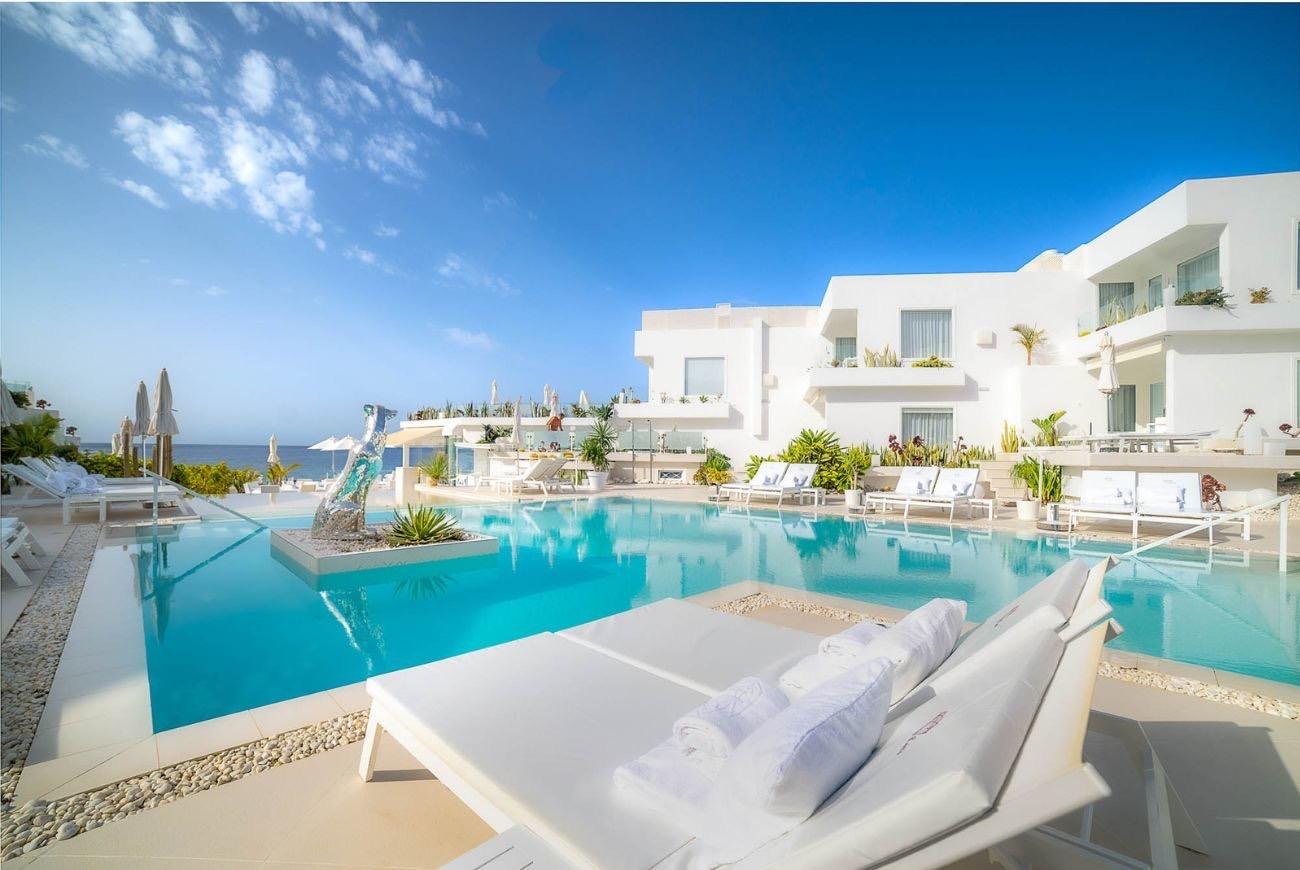
Lani's Suites de Luxe
£££Lanzarote, Spain
Dinner by candlelight above the sand and black rock of Puerto del Carmen's shore, at a seafront block César Manrique had a hand in, kept for over-16s.
Where to eat
4 restaurants
Kamezí
££££ · Recommended
Playa Blanca · Canarian tasting menu
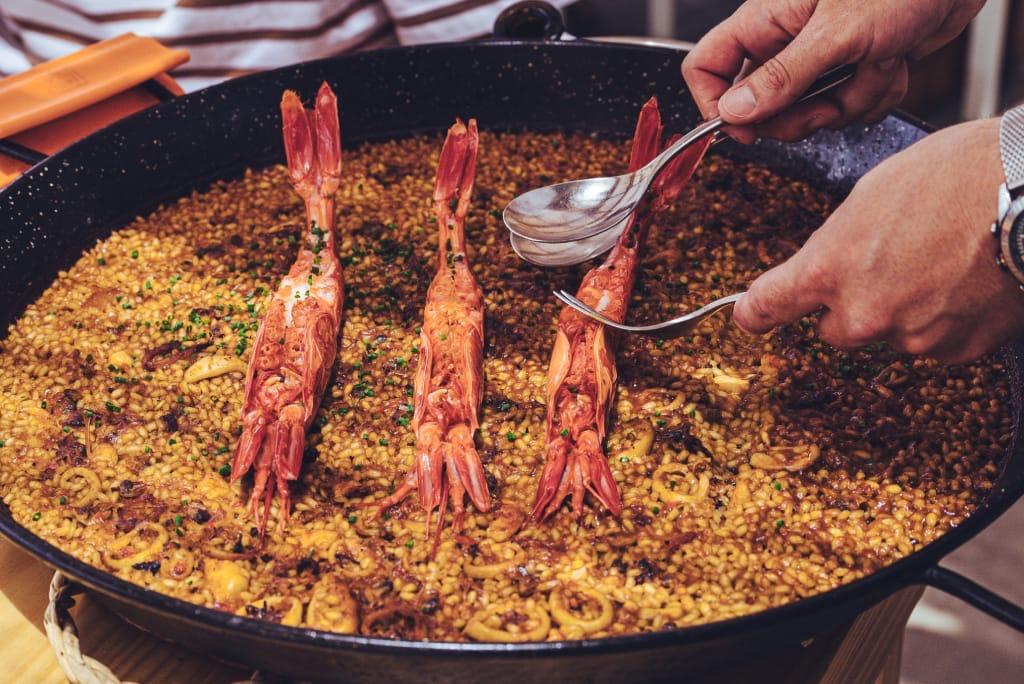
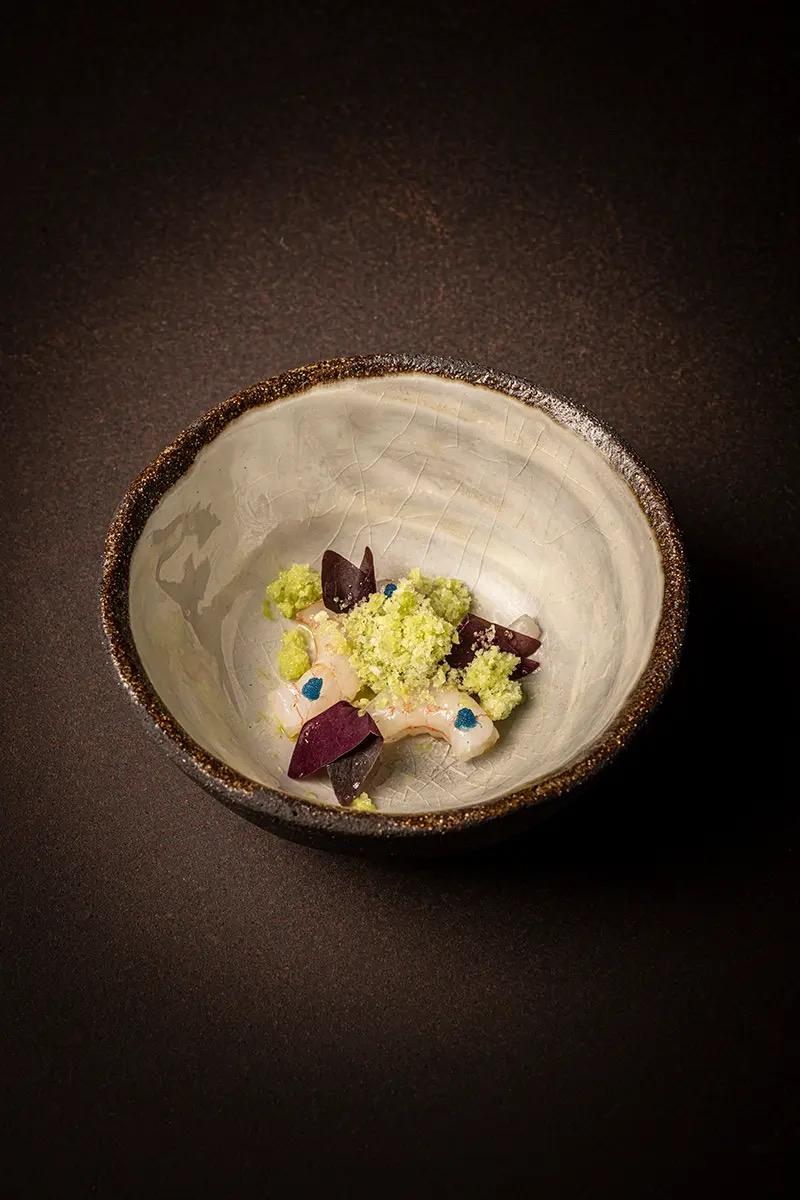
A tasting menu built from the island's own seafood and volcanic-grown produce, served on an open-air terrace toward the sea.
Reviewed in the Michelin Guide and Guía Repsol
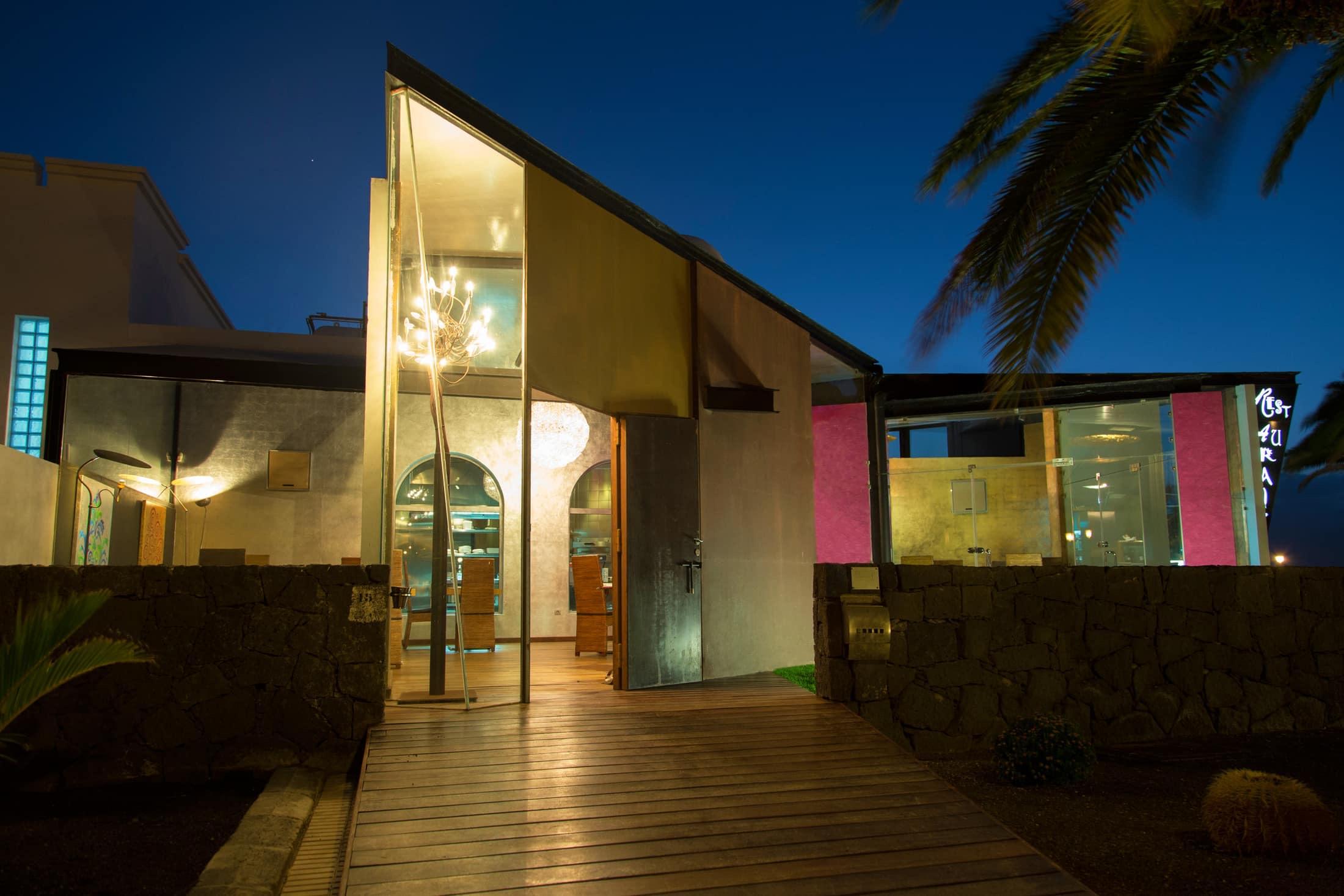
La Cocina de Colacho
£££ · Recommended
Playa Blanca · Canarian tasting menu
Cherne loin and lamb with boletus, from a tasting menu hung with the chef's wife's own paintings.
Reviewed in the Michelin Guide
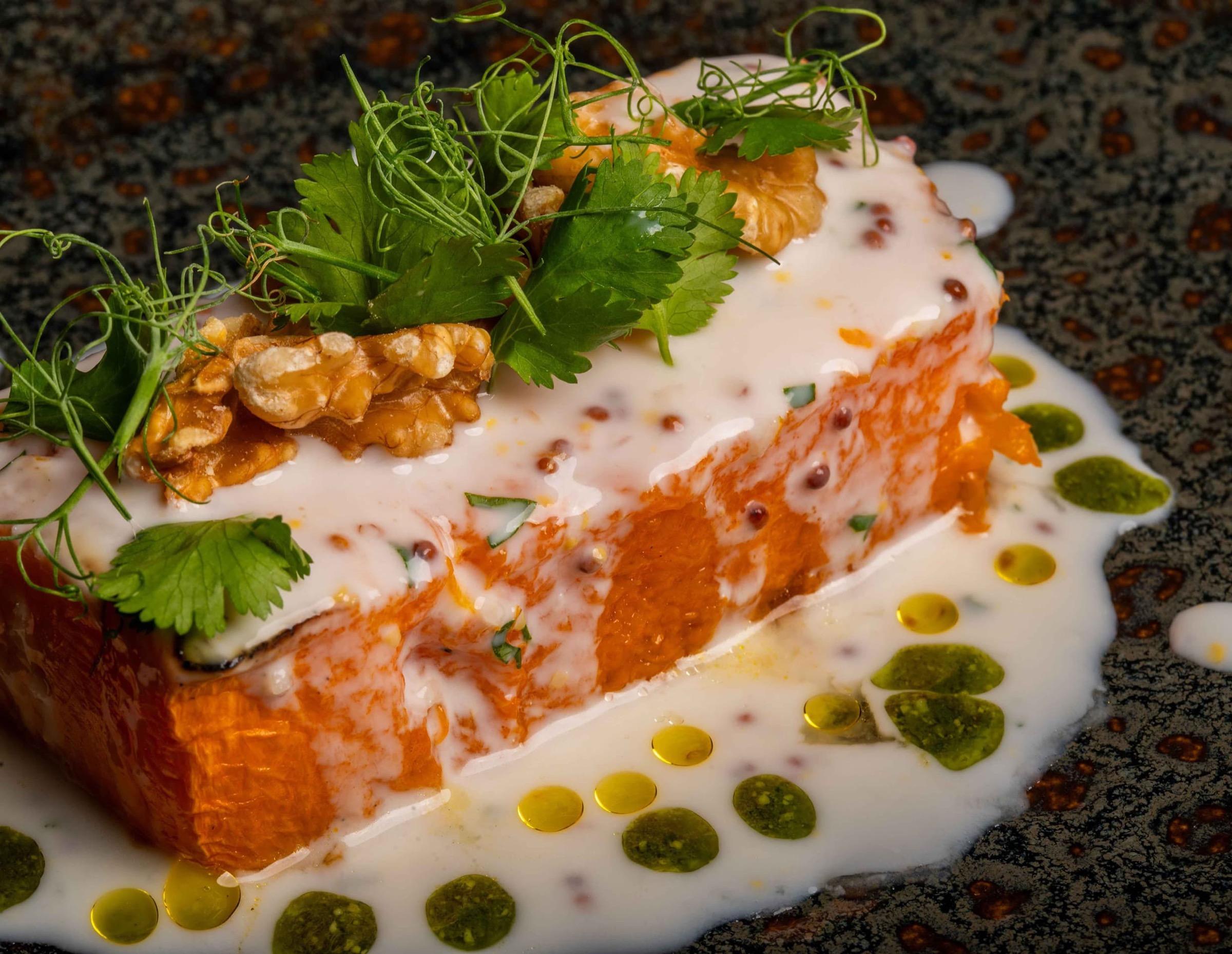
Tacande
££ · Recommended
The north · Modern Canarian
Grilled octopus with sweet potato mash and mojos, after dishes built from named local fishermen and farmers.
Reviewed in the Michelin Guide