
Tanzania
Zanzibar
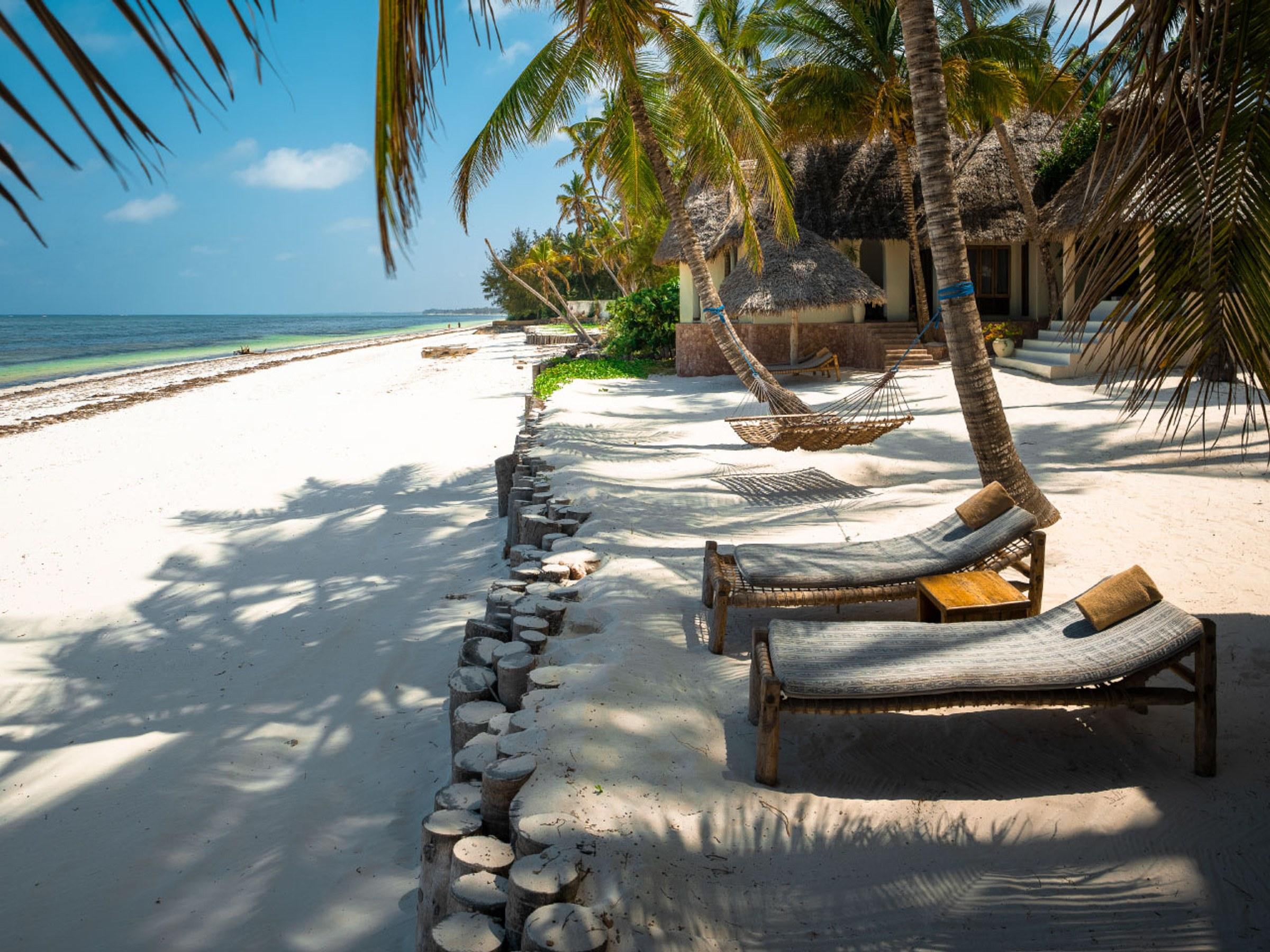
The houses in Stone Town have a stone bench along their outside walls, the baraza, which serves as a raised pavement when heavy rain makes the alleys impassable. The long rains come from March to May, daily downpours heavy enough to silt the sea, and a raised pavement is no help on a beach. Go in the dry instead: December to February, which is hot, or June to October, the longer and cooler of the two, busier, and generally rated the better for diving.
Stone Town is the old trading port on the west coast, coral-stone alleys too narrow for cars, with Arab, Persian, Indian and African styles layered together. The carved doors are where two of them can be told apart: the Indian ones round-topped and sometimes studded with brass, the Omani ones rectangular. A walk runs from the Old Fort to the House of Wonders, a large part of which fell down in December 2020 in the middle of being renovated, and ends on the waterfront at sunset. After dark the Forodhani Gardens, in front of both, fill with a food market of grilled seafood and samosas. Give the town a day or two, and the coast the rest.
The coast comes down to the tide. At Nungwi and Kendwa on the North Coast the sea stays in all day, so a swim never has to be timed, and the busiest corner of the island has most of the nightlife. The East Coast villages, Paje and Jambiani among them, are quieter, and at low tide the sea goes out as much as a kilometre and the swim waits for it. The wind makes up for it. Kitesurfers have the lagoons, with the south-east Kusi blowing from June to October and the lighter Kaskazi from December to February, so the wind and the dry weather keep the same calendar.
Inland, a half-day tour walks the spice plantations among the clove and nutmeg. Towards the east, Jozani Chwaka Bay National Park has a boardwalk through the mangrove and the Zanzibar red colobus, of which about a thousand are left, every one of them on this island. From Stone Town a boat runs 5.6km out to Changuu, also called Prison Island, for its Aldabra giant tortoises and a swim off the beach. The South Coast, round Kizimkazi, is the least developed of the four, known for its dolphins and little else. The boats leave at dawn to find them, and the one to be on keeps its distance.
- Best months
- June to October, and December to February
- Avoid
- March to May, when the long rains set in
- Nearest airport
- Zanzibar (ZNZ)
- Transfer
- 15 minutes to Stone Town; up to 90 minutes to the North Coast and East Coast beaches
Neighbourhoods
Where to stay
5 hotels
5 hotels
 Grown-up & family
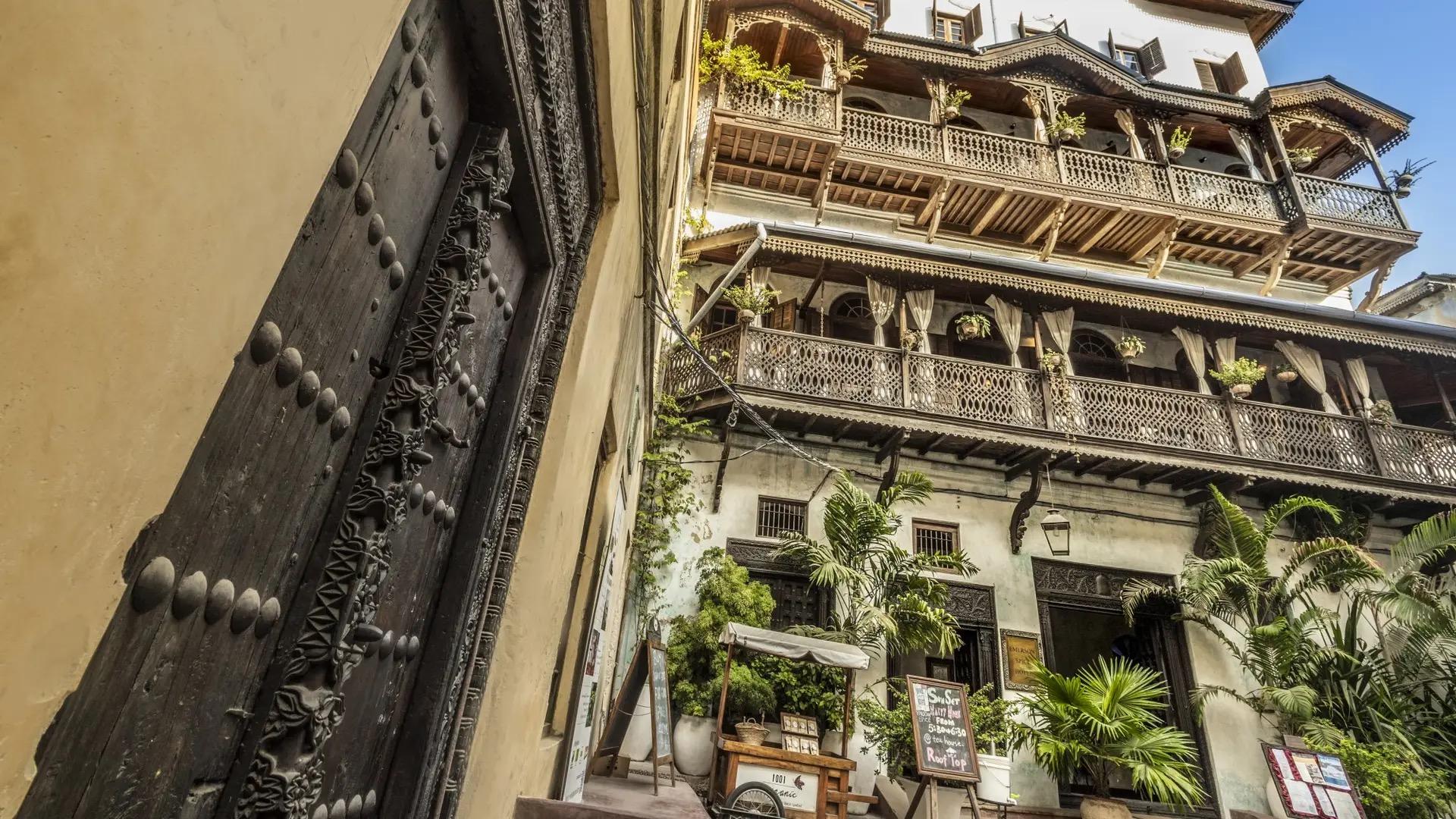
Emerson Spice
££Zanzibar, Tanzania
Verdi's Violetta and Puccini's Mimi give their names to rooms of stained glass and carved balconies, in a Stone Town house first built for Zanzibar's last Swahili ruler.
 Grown-up & family
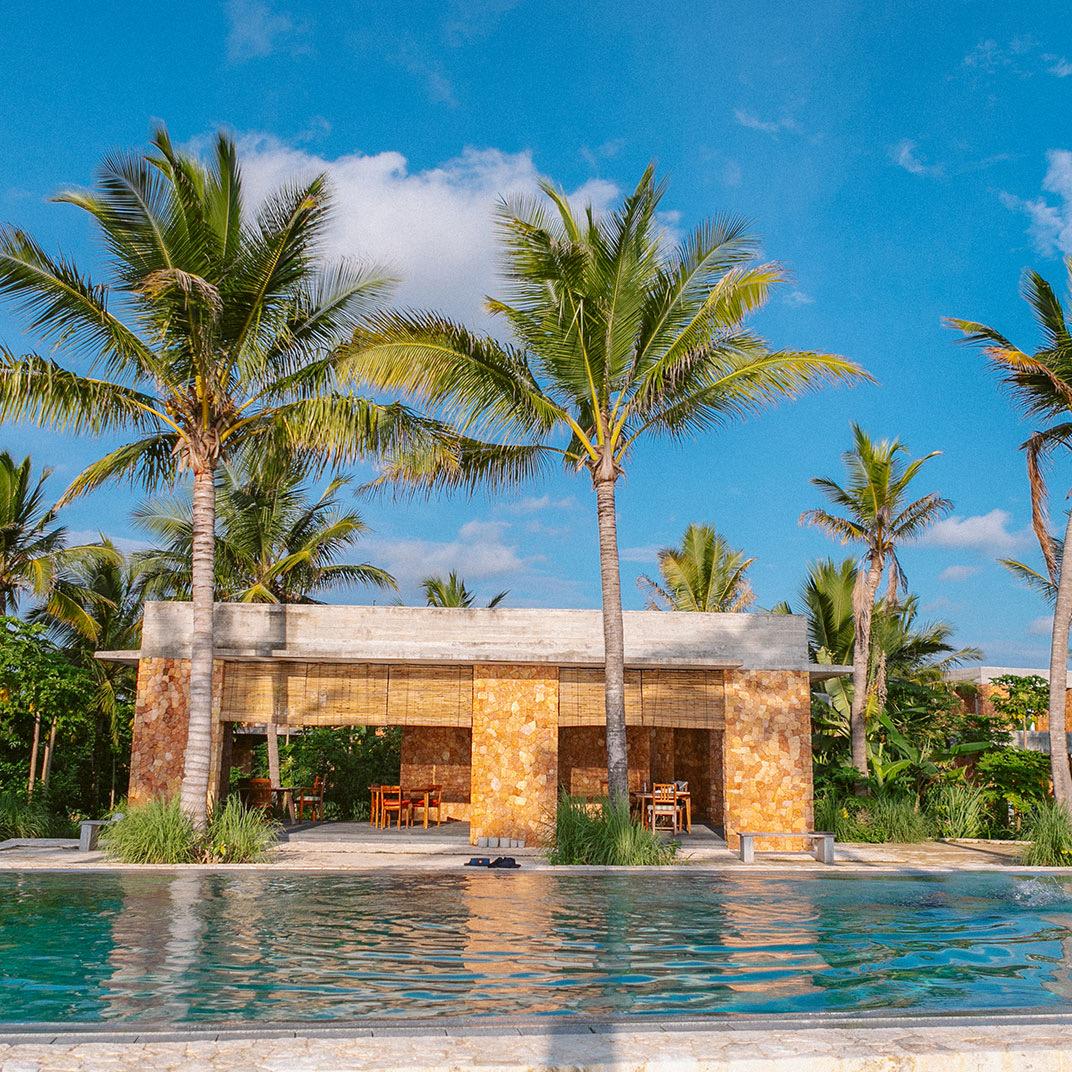
Kizikula
££Zanzibar, Tanzania
Coral limestone rooms among the tamarind trees at Zanzibar's southern tip, where the way into the Indian Ocean is a wooden stairway or a tunnel through the rock.
 Grown-up & family
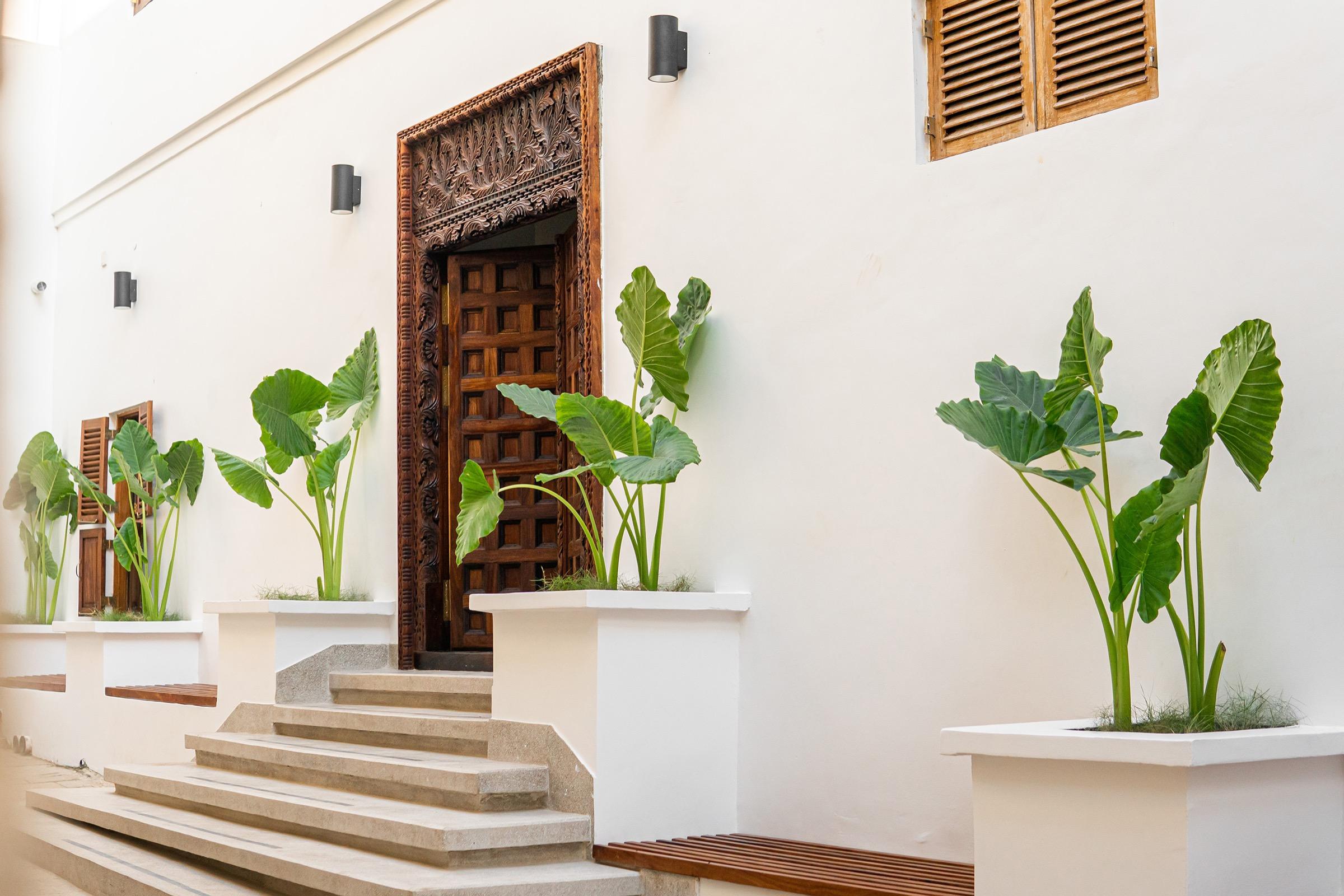
The Neela Boutique Hotel Stone Town
£££Zanzibar, Tanzania
Fourteen rooms behind a carved door in Shangani, no two laid out alike, under a roof that looks over Stone Town to the Indian Ocean.
 Grown-up & family
Xanadu Luxury Villas & Retreat
££££Zanzibar, Tanzania
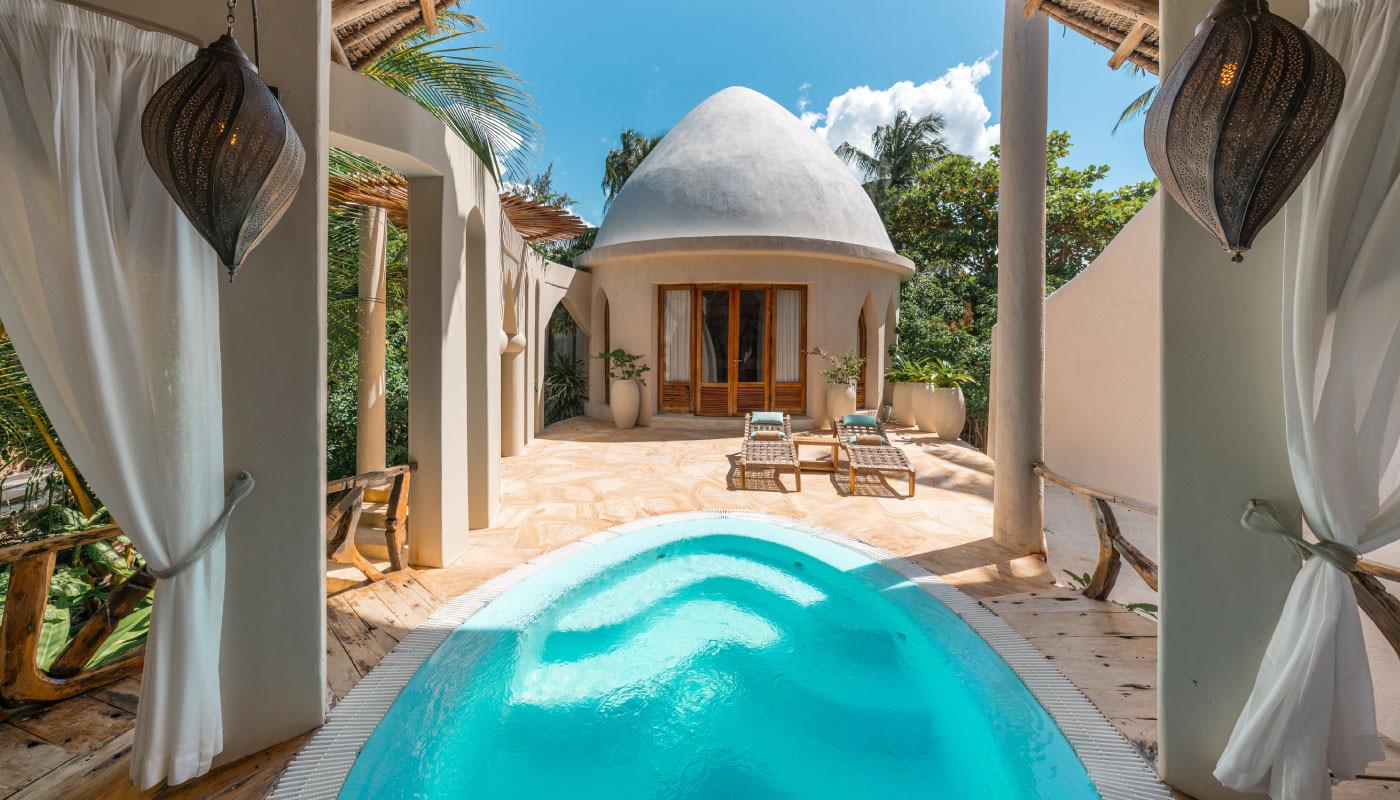
Nine domed villas on the sand at Dongwe, each with a pool and a butler of its own, and Swahili names that run from Dewdrop up to Shooting Star.
 Grown-up & family
Zuri Zanzibar
££££Zanzibar, Tanzania
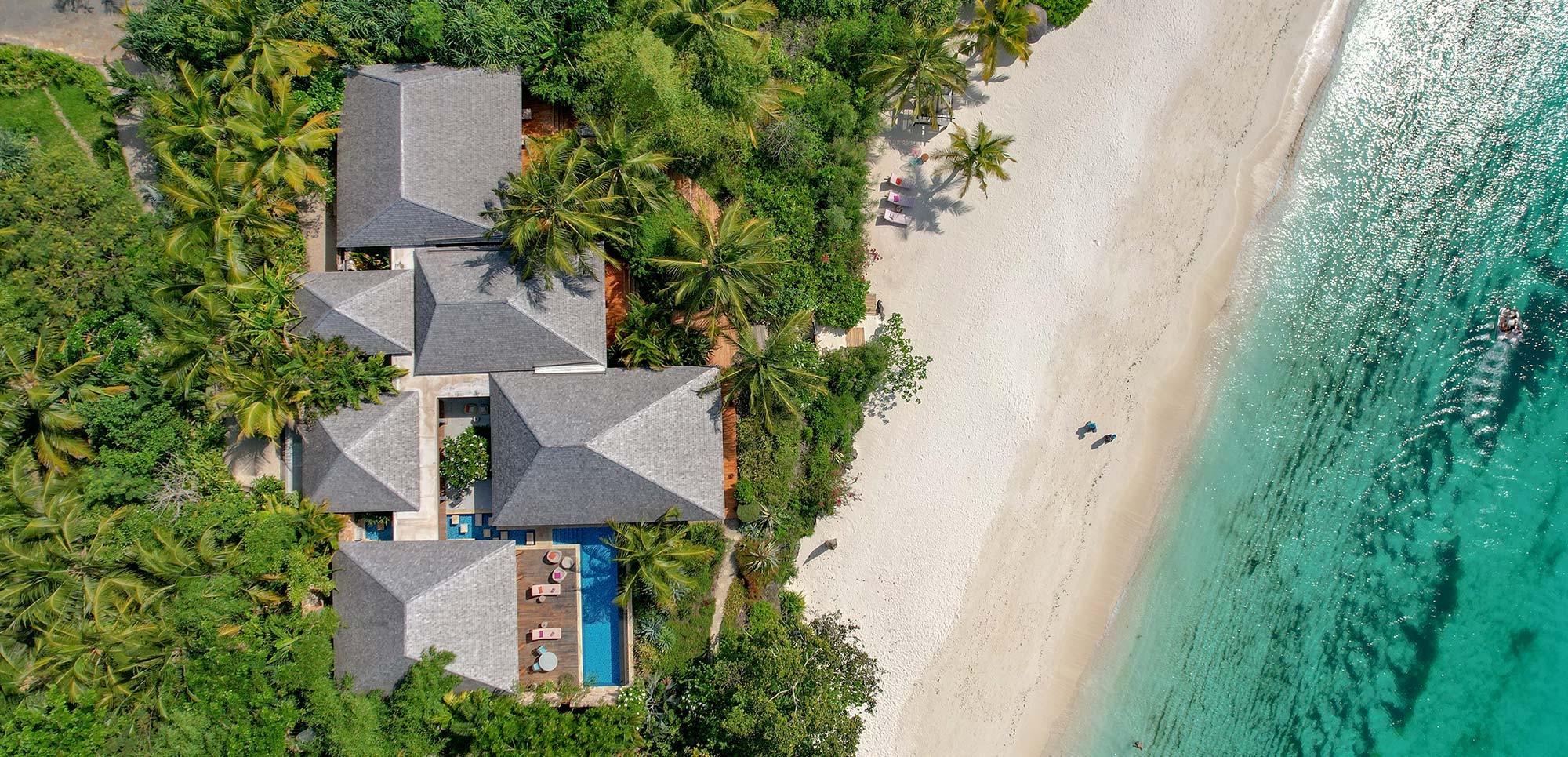
Thatched houses under the palms at Kendwa, on a stretch of Zanzibar sand where the sea is still there at low tide.