
Italy
The Dolomites
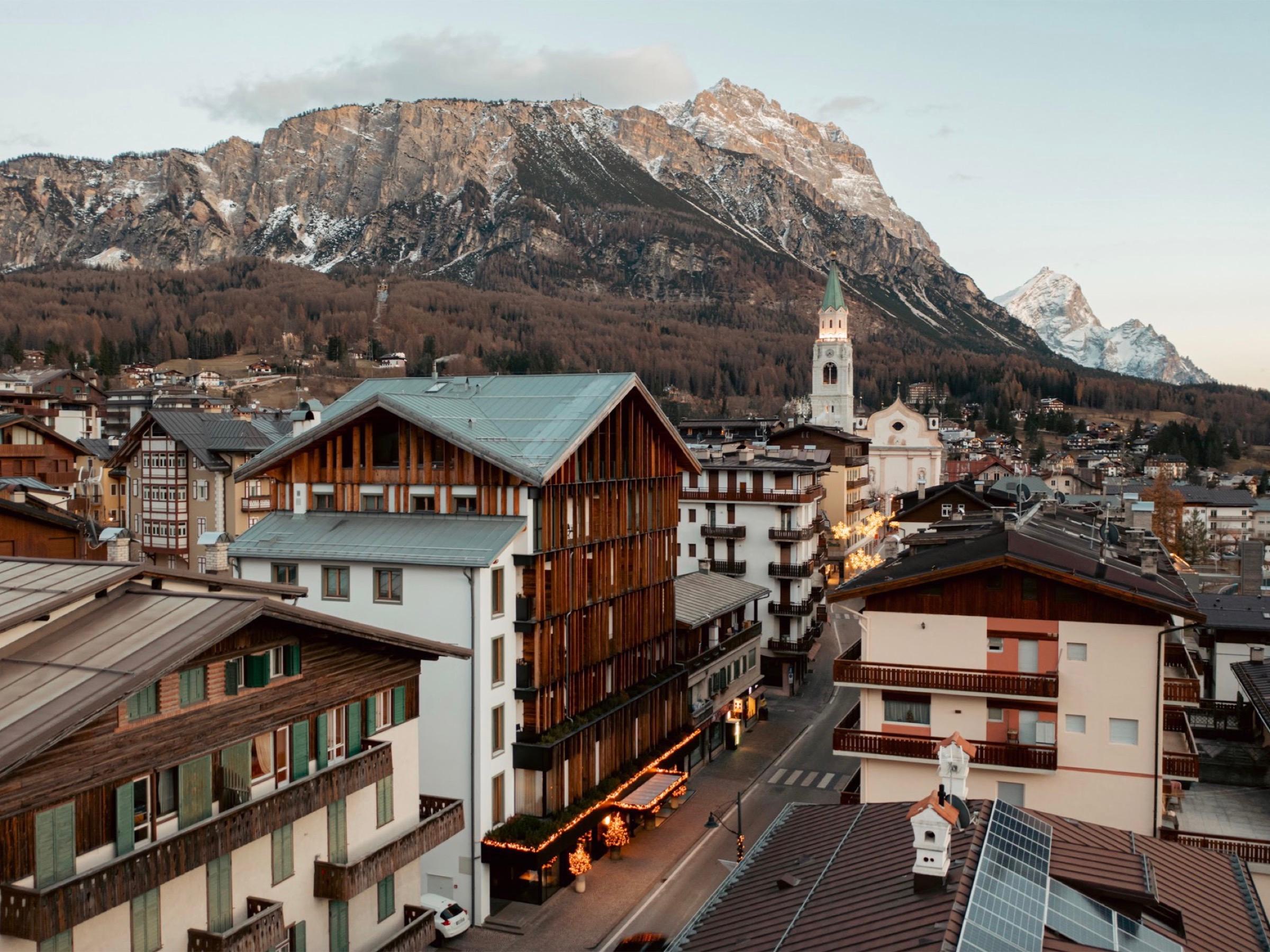
Many of the via ferrata in the Dolomites, the cables and ladders bolted up the rock, began as supply paths, when these mountains were a First World War front line. Now, with a guide, they take people up exposed rock without any technical climbing, which is a kinder use for them. UNESCO listed the range in 2009 for its geology, and most of a holiday here is spent getting up onto it.
There are two seasons. Winter runs from mid-December to late March or early April. Summer runs from mid-June to late September, when the huts open and the via ferrata become possible, and July and August belong to Europe's school holidays. Come after them. From early September the larches go gold and the crowds thin, and the lifts and huts are still open. Avoid April, May and November, when many lifts and huts shut, several hotels with them, and the weather cannot settle on anything.
Where there is a cable car, take it rather than the road. On the Alpe di Siusi the decision has been made for you: Europe's largest high-alpine meadow is closed to private cars for most of the day, so the way up is by cable car or shuttle from Castelrotto or Siusi, and then on foot or by bike below the Sciliar. Summer lunch belongs at a rifugio, a mountain hut reached on foot or by lift, so the effort is optional. In winter the Sellaronda joins Alta Badia and Val Gardena to Arabba and Val di Fassa in one loop of lifts and pistes; in summer the same loop can be walked or cycled, a stretch at a time.
Alta Badia and Val Gardena are Ladin valleys, where a third language sits beside Italian and German on the menu, and both are on the Dolomiti Superski pass, about 1,200km of linked pistes on one ticket. For the most mountain from one door, stay in one of them. Brixen is quieter, an old market town with a cathedral and cloisters, and the Plose plateau above it is less skied and less fashionable than the Ladin valleys, and none the worse for either. The Brenta Dolomites, around Madonna di Campiglio, are a separate range to the west, with a smaller ski area of their own. Cortina d'Ampezzo is the grandest base and the most visited, on a lift network of its own. A link into the rest, the Carousel of the Dolomites, was announced for the 2026 Winter Olympics. The Games came and went in February, and the link is still unfinished.
- Best months
- Mid-December to March for skiing, mid-June to September for hiking and via ferrata
- Avoid
- April, May and November, when many lifts, cable cars and mountain refuges close between seasons and the weather is at its least settled
- Nearest airport
- Bolzano (BZO) for Alta Badia, Val Gardena and the Alpe di Siusi, and Brixen and the Val Isarco; Venice (VCE) or Treviso (TSF) for Cortina d'Ampezzo; Verona (VRN), or Trento by train, for the Brenta Dolomites
- Transfer
- About 1 hour from Bolzano to the South Tyrol valleys (Alta Badia, Val Gardena and the Alpe di Siusi, Brixen and the Val Isarco); about 2 hours from Venice or Treviso to Cortina d'Ampezzo; about 2 to 2.5 hours by road from Verona, or about 1 hour 15 minutes by train from Trento, to the Brenta Dolomites
Neighbourhoods
- The Brenta Dolomites
Where to stay
5 hotels
5 hotels
 Grown-up & family
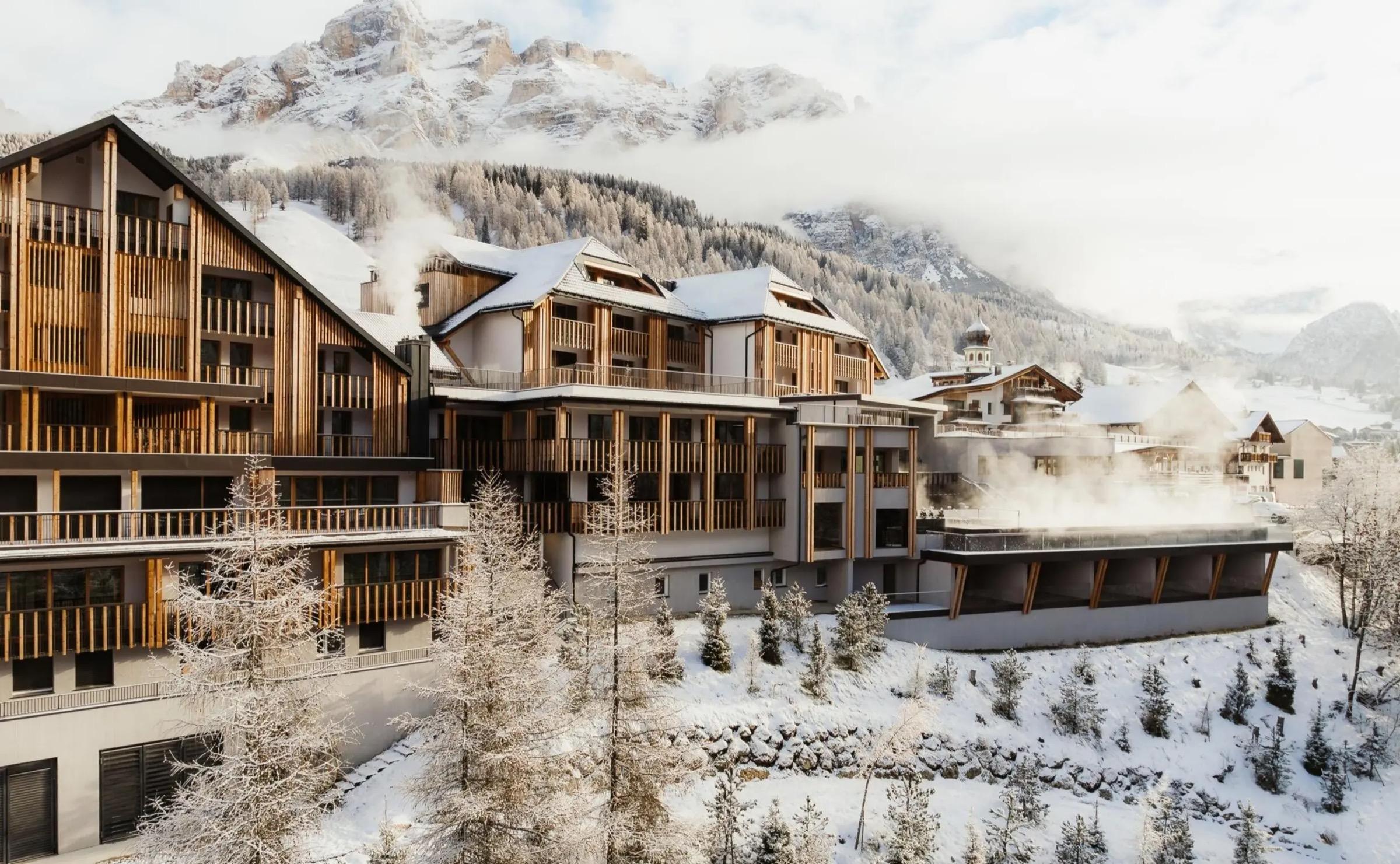
Aman Rosa Alpina
££££The Dolomites, Italy
A heated infinity pool steams in the snow by the village church, at the San Cassiano guesthouse of 1939 that Aman rebuilt in pale oak and stone.
 Grown-up & family
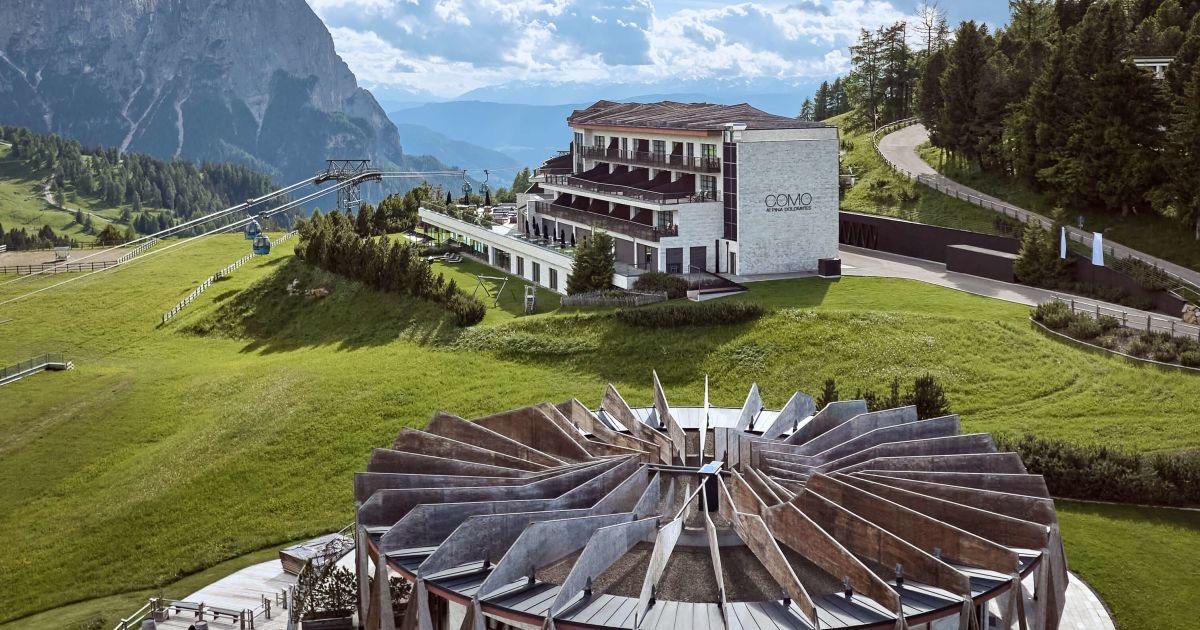
COMO Alpina Dolomites
££££The Dolomites, Italy
Quartzite and timber at the foot of the Schlern, with the piste running past the door and a kids' club that stays up until eleven at night.
 Grown-up
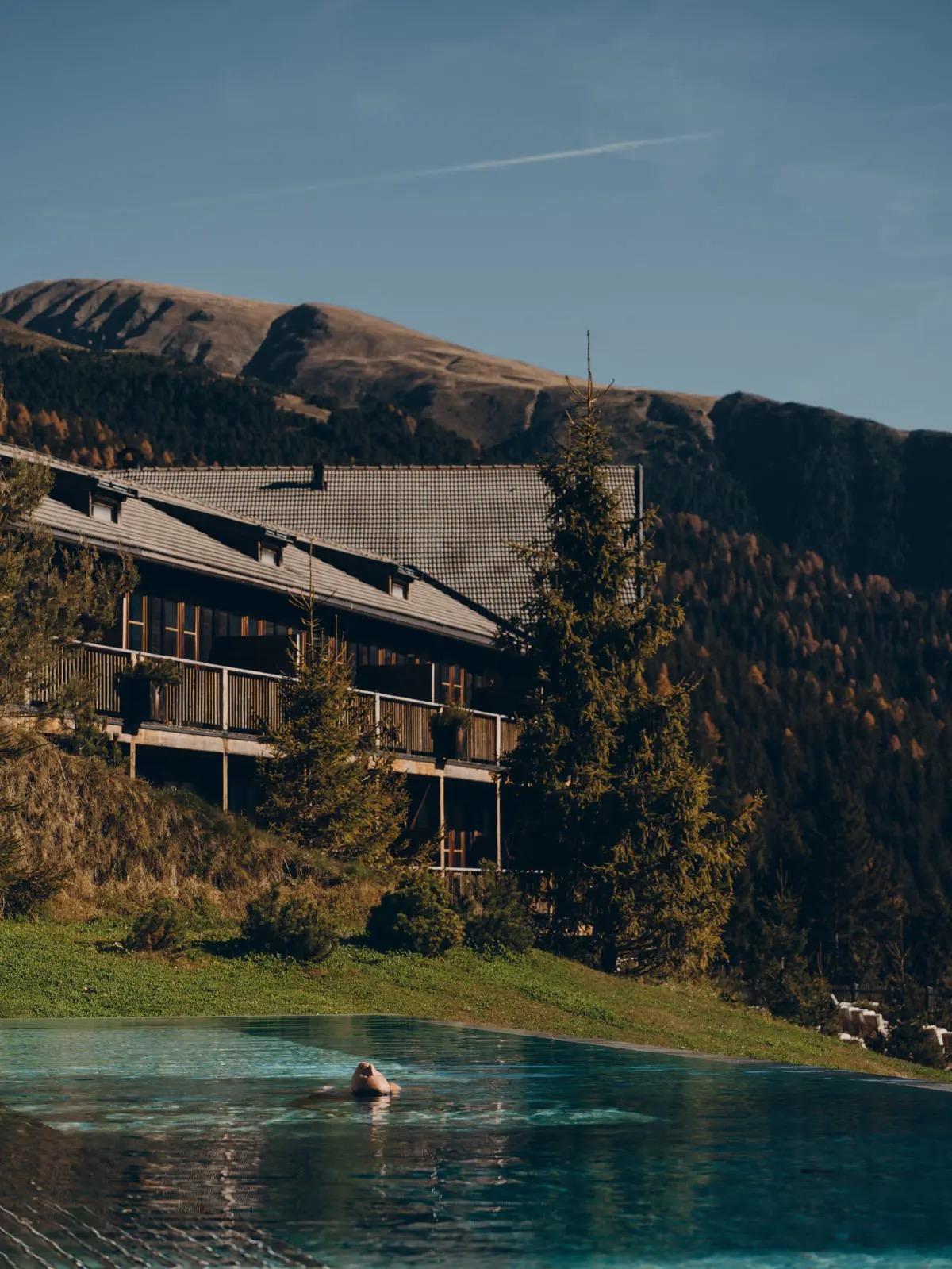
Forestis
££££The Dolomites, Italy
A bed 1,800m up in the forest of the Plose, facing the jagged Geisler peaks through glass that starts at the floor and stops only at the ceiling.
 Grown-up & family
Hotel de Len
£££The Dolomites, Italy
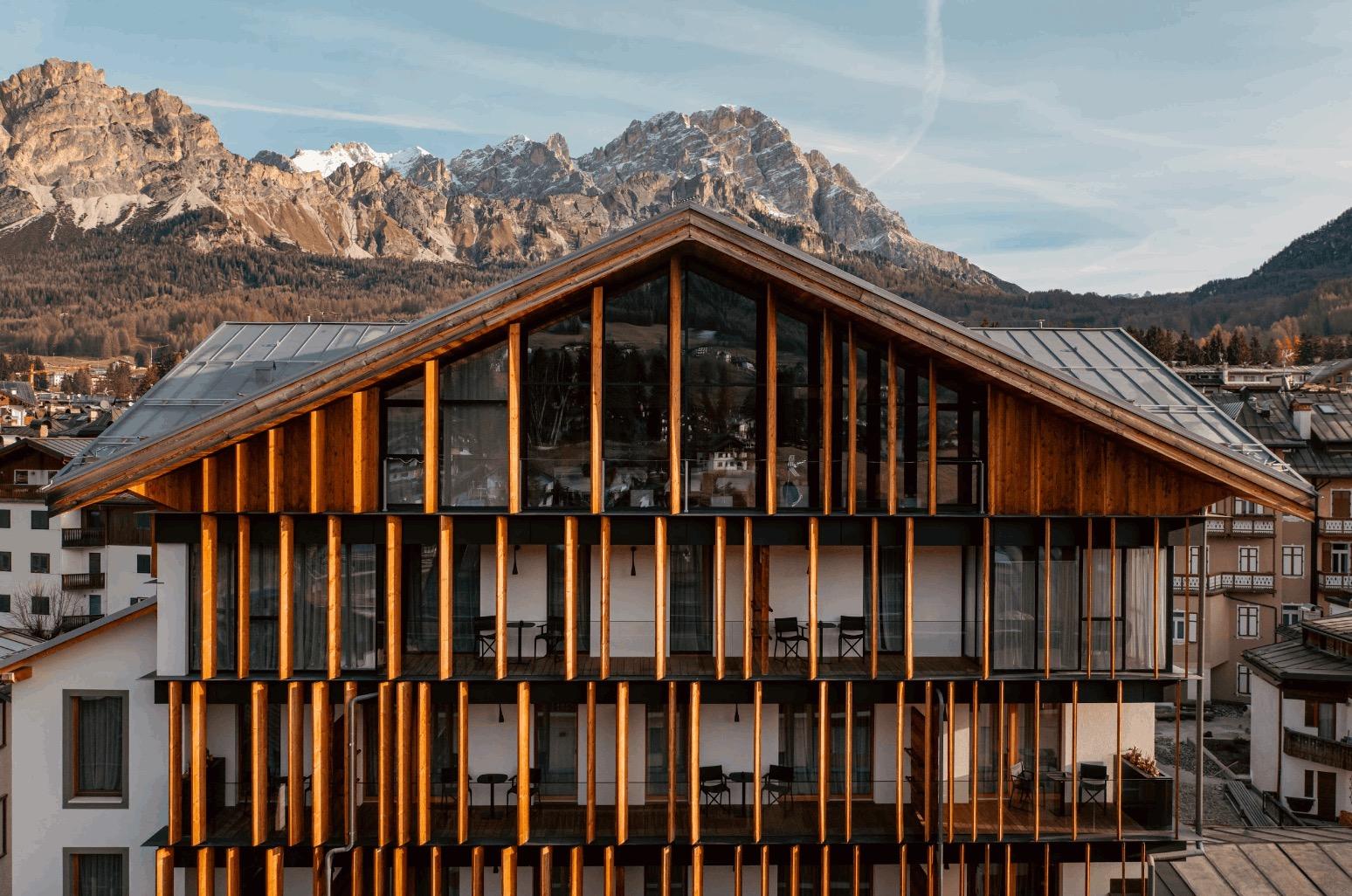
A Cortina hotel named "of wood" in the local Ladin and built to match, in reclaimed pine and old fir, with a top-floor sauna that looks straight at the Faloria.
 Grown-up & family
Schgaguler Hotel
££The Dolomites, Italy
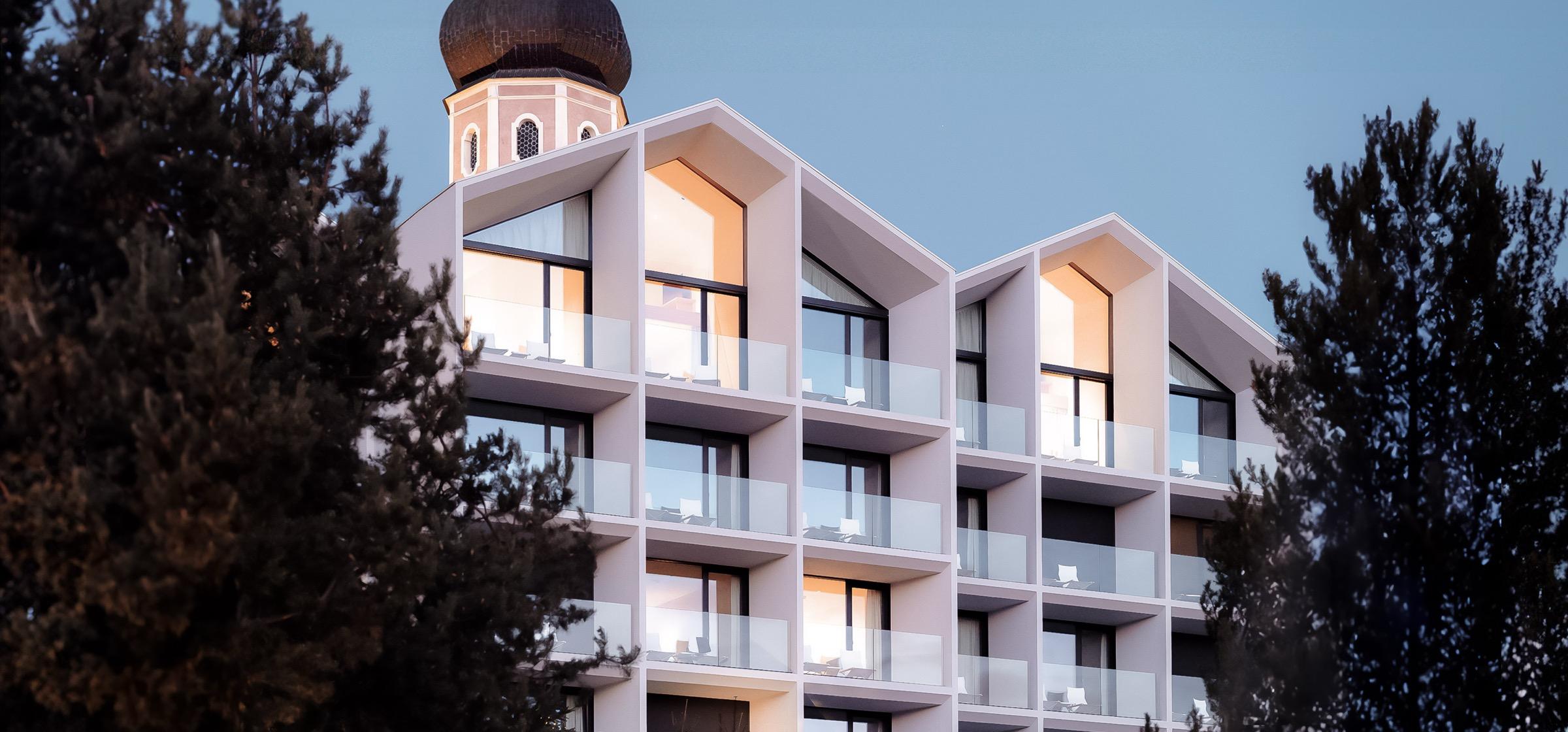
Peter Pichler's white concrete gables under the onion dome of Castelrotto's church, with a hot tub out on a wooden terrace facing the mountains.
Where to eat
3 restaurants
Agritur El Mas
££ · Recommended
farm-to-table Trentino
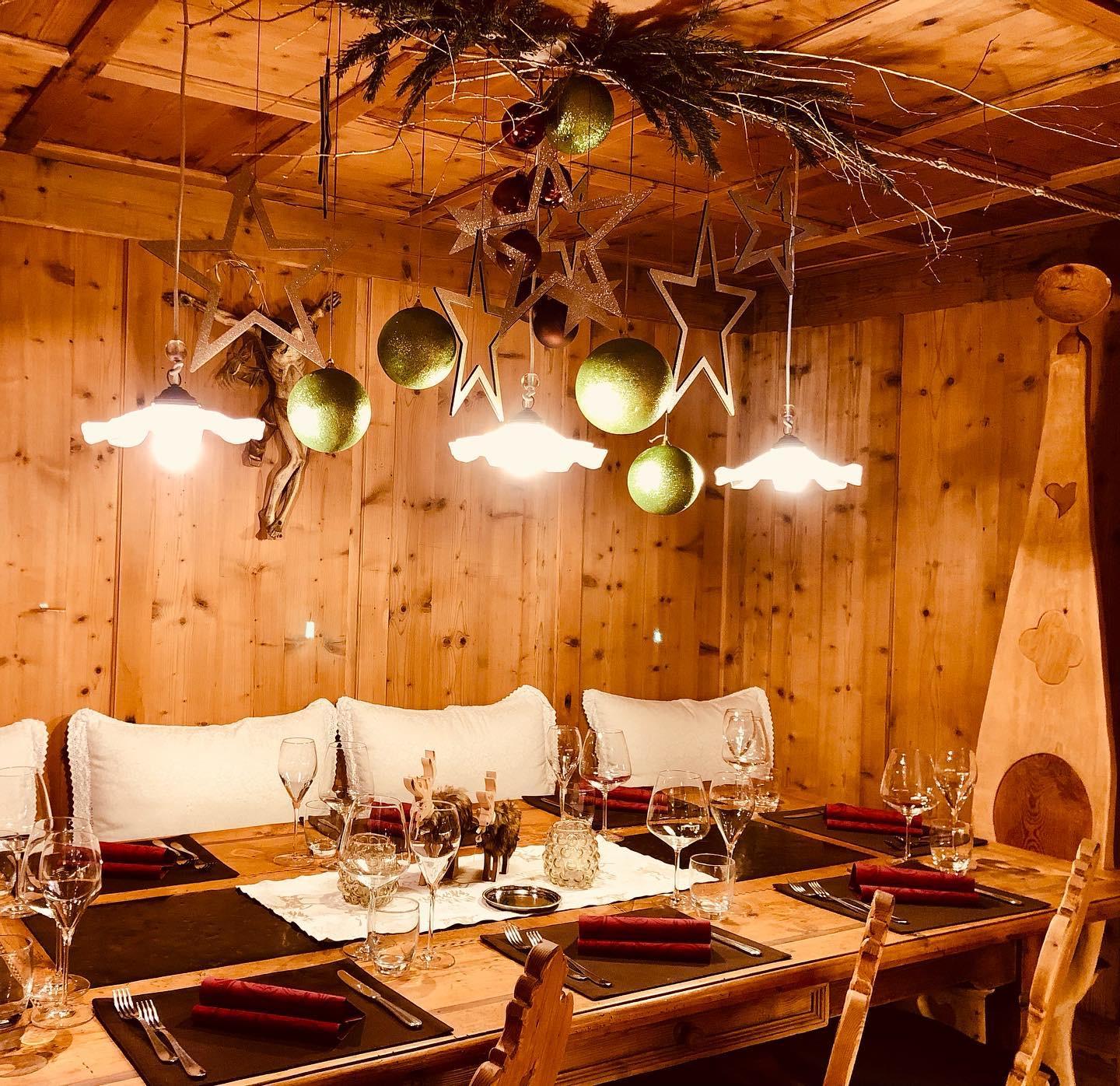
Canederli and gnocchi cooked zero-kilometre, with cheese and cured meat from the farm's own animals, above Moena.
Reviewed in the Michelin Guide
La Stüa de Michil
££££ · Recommended
Alta Badia · Alpine, with Japanese influences
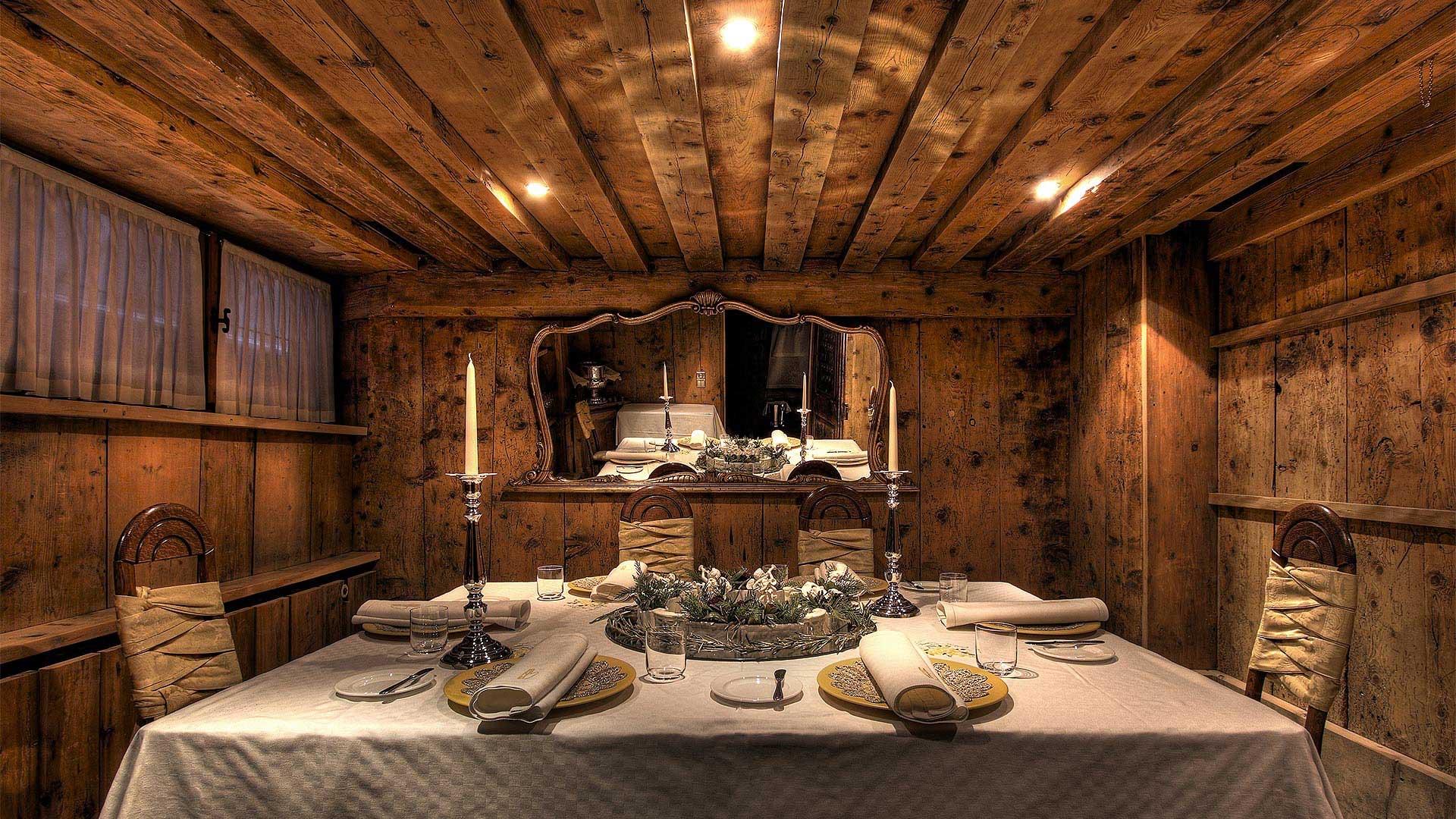
Vegetable-led cooking shaped by a chef's years in Hokkaido, served in a wood-panelled stube with a 30,000-bottle cellar.
Reviewed in the Michelin Guide
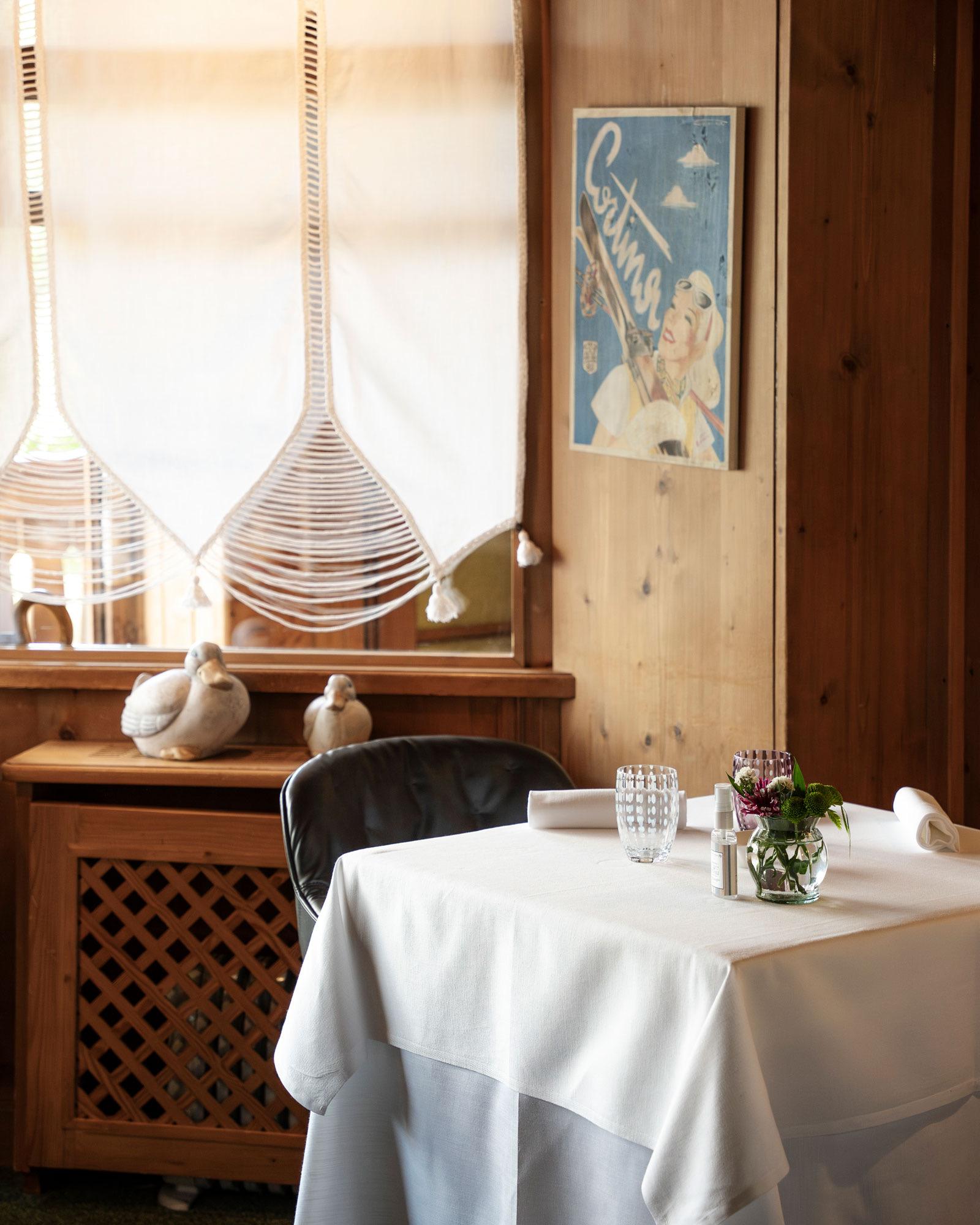
Tivoli
££££ · Recommended
Cortina d'Ampezzo · modern Italian, with fish
Fish brought daily from Venice and Chioggia alongside mountain cooking, on a terrace looking over Cortina below the Tofane.
Reviewed in the Michelin Guide