Greece
Santorini
We visited in September
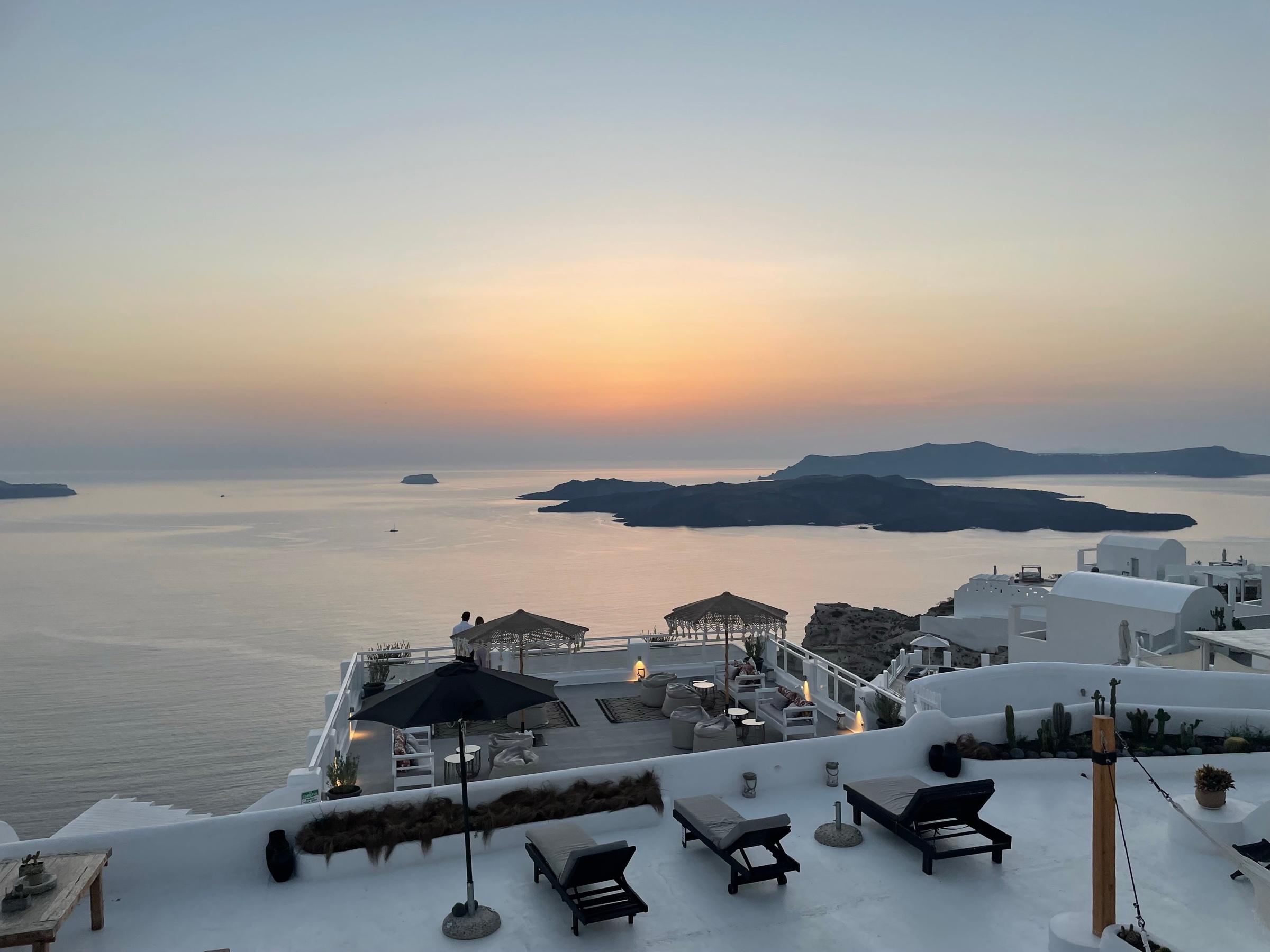
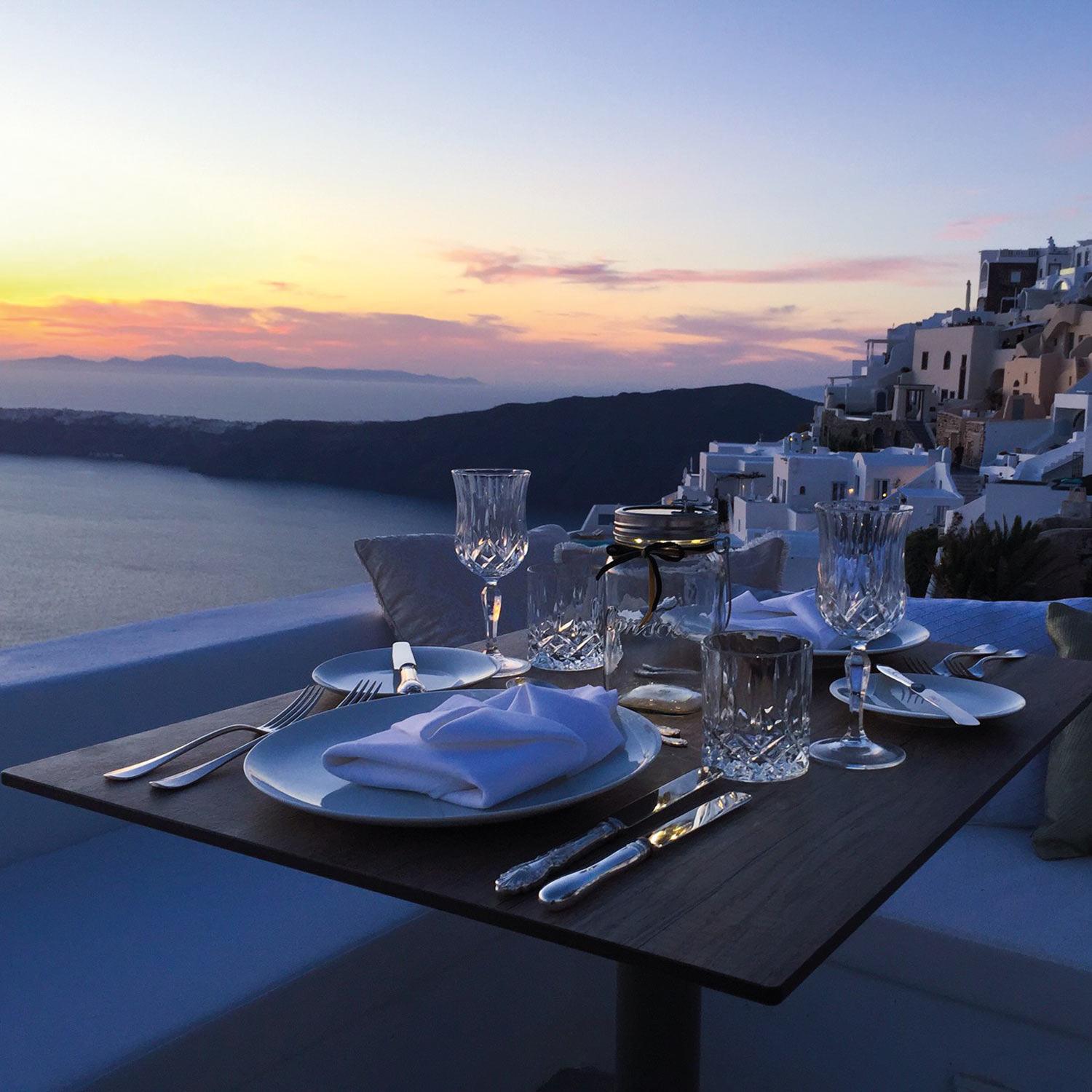
On Santorini the first decision is which way the window faces. The island is a crescent of cliff curved round a caldera, the hollow the sea flooded after the volcano's last major eruption, and along the top of that cliff the villages run together in whitewash from Fira to Imerovigli, several hundred metres above the water. Out in the middle are Nea Kameni and Palea Kameni, where the volcano still steams. The caldera rim is where we would stay. We had one night in September, on the way to Ios, in a room that faced the caldera, and on a stay that short the view is the stay.
Further north along the rim is Oia, the village of the sunsets and the blue-domed churches; Imerovigli is the quieter place to watch the same sun go down. The outer side of the island is another place. The east coast is black volcanic sand, at its liveliest in Kamari, and in the south-west Red Beach lies below the village of Akrotiri. Inland, Pyrgos and Emporio sit among vineyards on volcanic soil, which is what grows the Assyrtiko grape.
Two days we never had: one night, and off we went. A longer stay starts on foot, on the caldera path from Fira to Oia, three or four hours along the cliff edge with the caldera beside it the whole way. Boats leave the old port below Fira for Nea Kameni, where the crater can be climbed, and go on to the hot springs at Palea Kameni. Akrotiri, a Bronze Age settlement preserved under volcanic ash and covered over so visitors can walk through it, is a drive away in the south-west. Santo Wines, on the cliff above Pyrgos, pours Assyrtiko and Vinsanto, and the black sand of the east coast will take an afternoon without complaint.
Mid-September, when we went, is about the best of the island's year: the sea still warm enough to swim, the crowds and prices of July and August easing back. In those two months Santorini is at its fullest and dearest, and everything from a taxi to a dinner table takes longer to arrange. From November much of it shuts until around April.
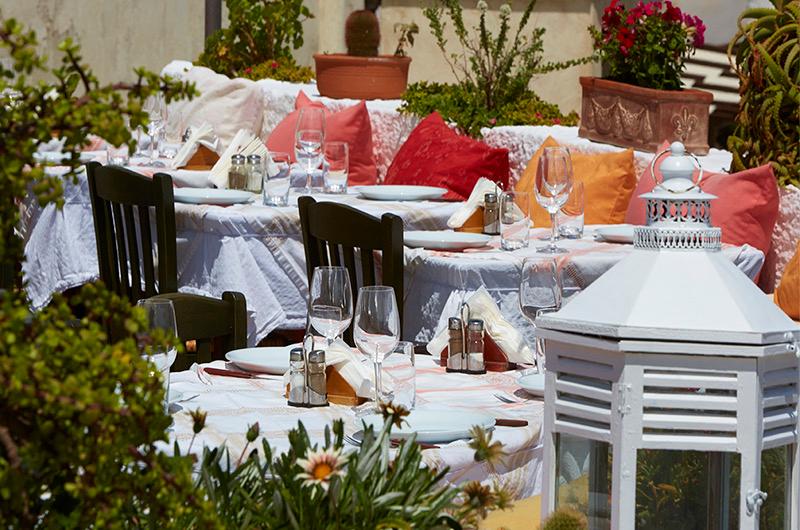
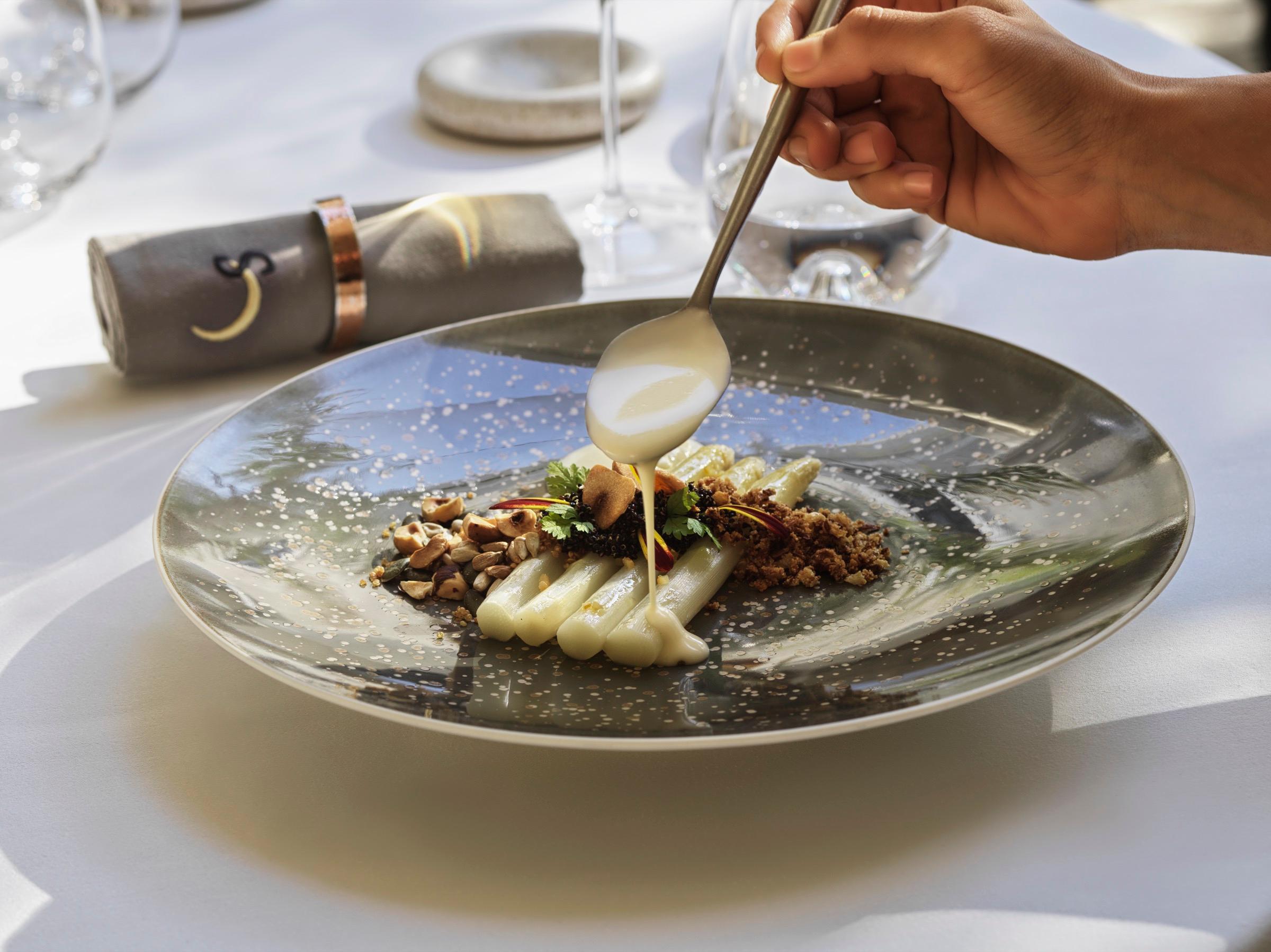
Dinner was slightly inland, a taxi ride from where we slept, at Santorini Metaximas in Exo Gonia. Its courtyard is down a flight of steps from the church of Agios Charalampos, and the house dishes include white aubergine baked with fava and a fillet in Vinsanto sauce. The food was brilliant, and it was no secret: that night the place was busy with people who had come off a cruise ship by bus. We were not the only ones passing through.
- Best months
- Late April to early June, and mid-September to October
- Avoid
- July and August, the busiest and most crowded; November to March, when much of the island closes for winter
- Nearest airport
- Santorini (Thira) National Airport (JTR)
- Transfer
- About 25 minutes by taxi or bus to Fira (6km); 25-40 minutes to Oia (17km) by taxi, longer by the public bus, which changes at Fira
Neighbourhoods
- The north
- The south-west
Where to stay
3 hotels
3 hotels
 Grown-up
Istoria Santorini
£££Santorini, Greece
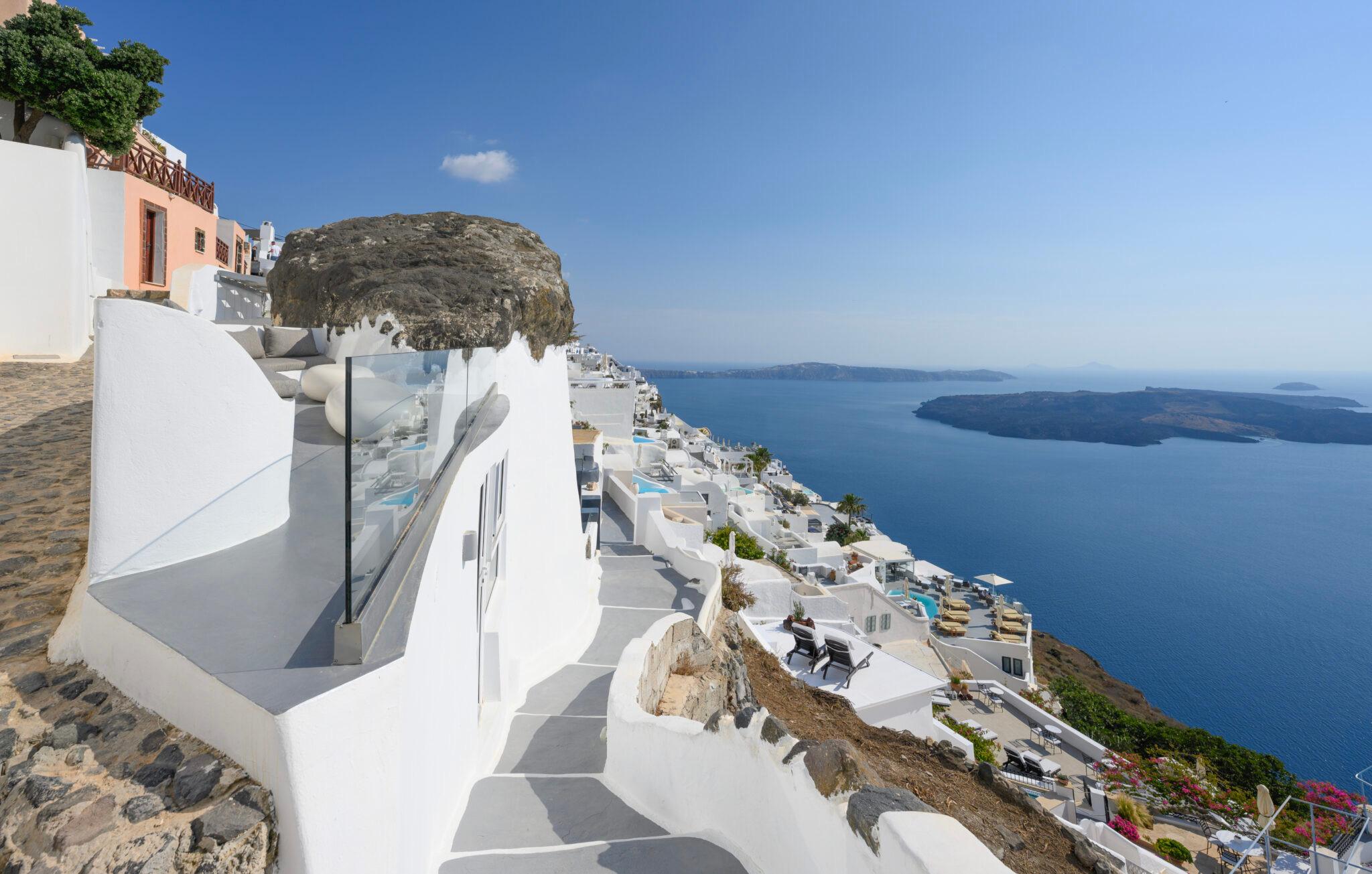
Twelve suites on the black volcanic sand of Perivolos, many with a hot tub on the terrace, on the side of Santorini that gets the sunrise and leaves the sunset to the caldera.
 Grown-up
Perivolas Lifestyle Houses
£££Santorini, Greece
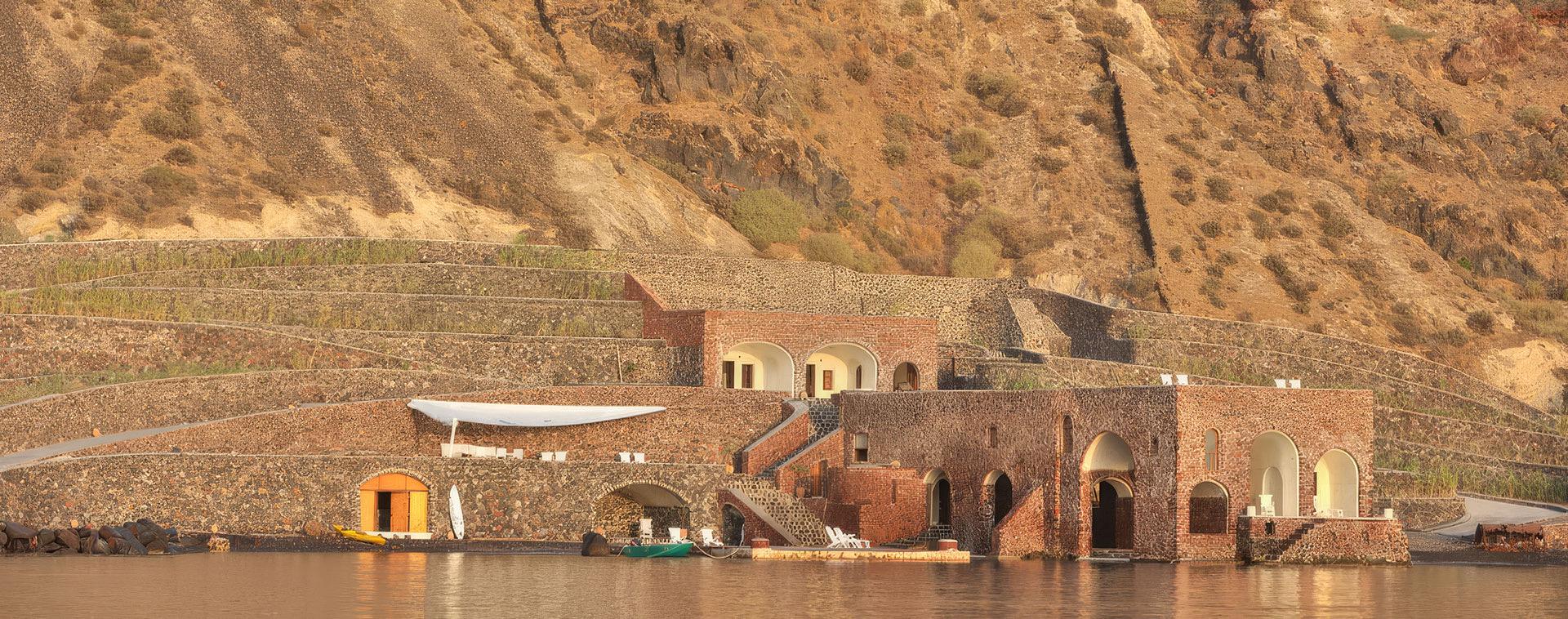
Fishermen's caves in the cliff at Oia, whitewashed into suites over the caldera, and an infinity pool that has been on magazine covers since 1997.
 Grown-up
Simple Sophie
££Santorini, Greece
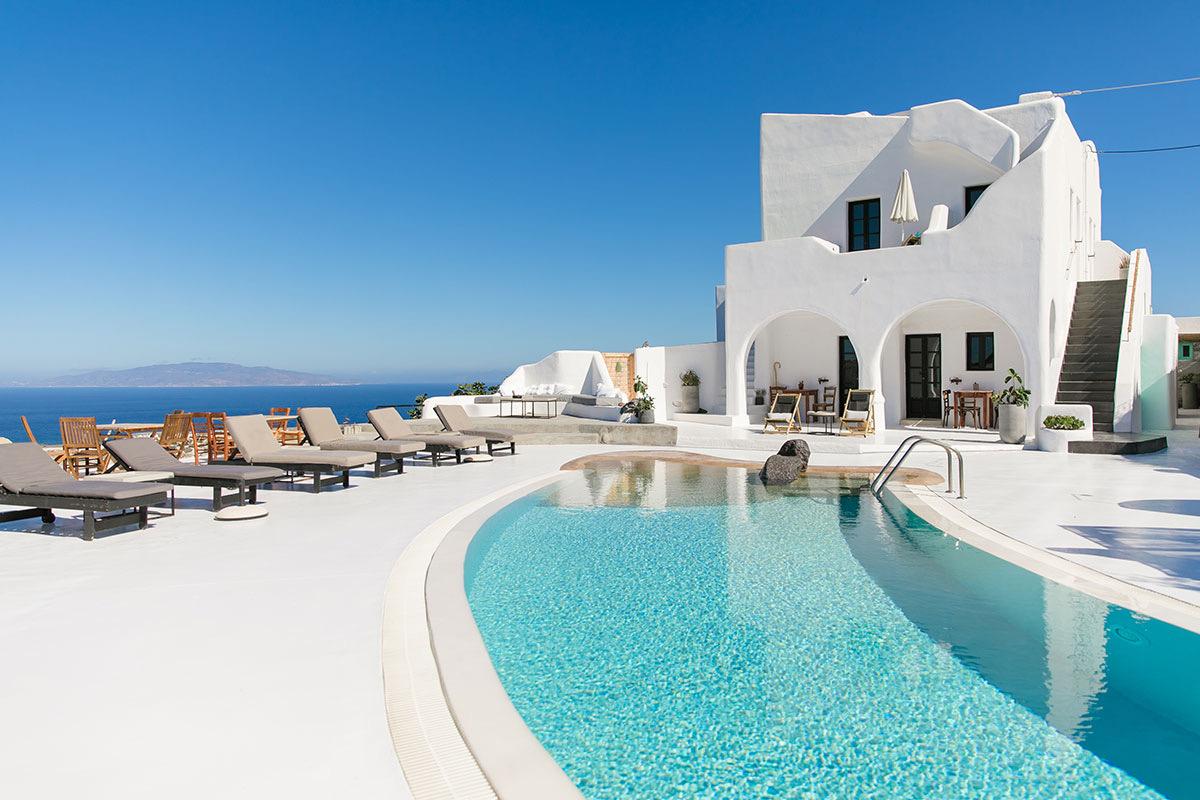
Eight adults-only rooms in whitewash and green shutters, facing the caldera, for the one night Santorini gets between the plane and the ferry.
Where to eat
3 restaurants