
France
Paris
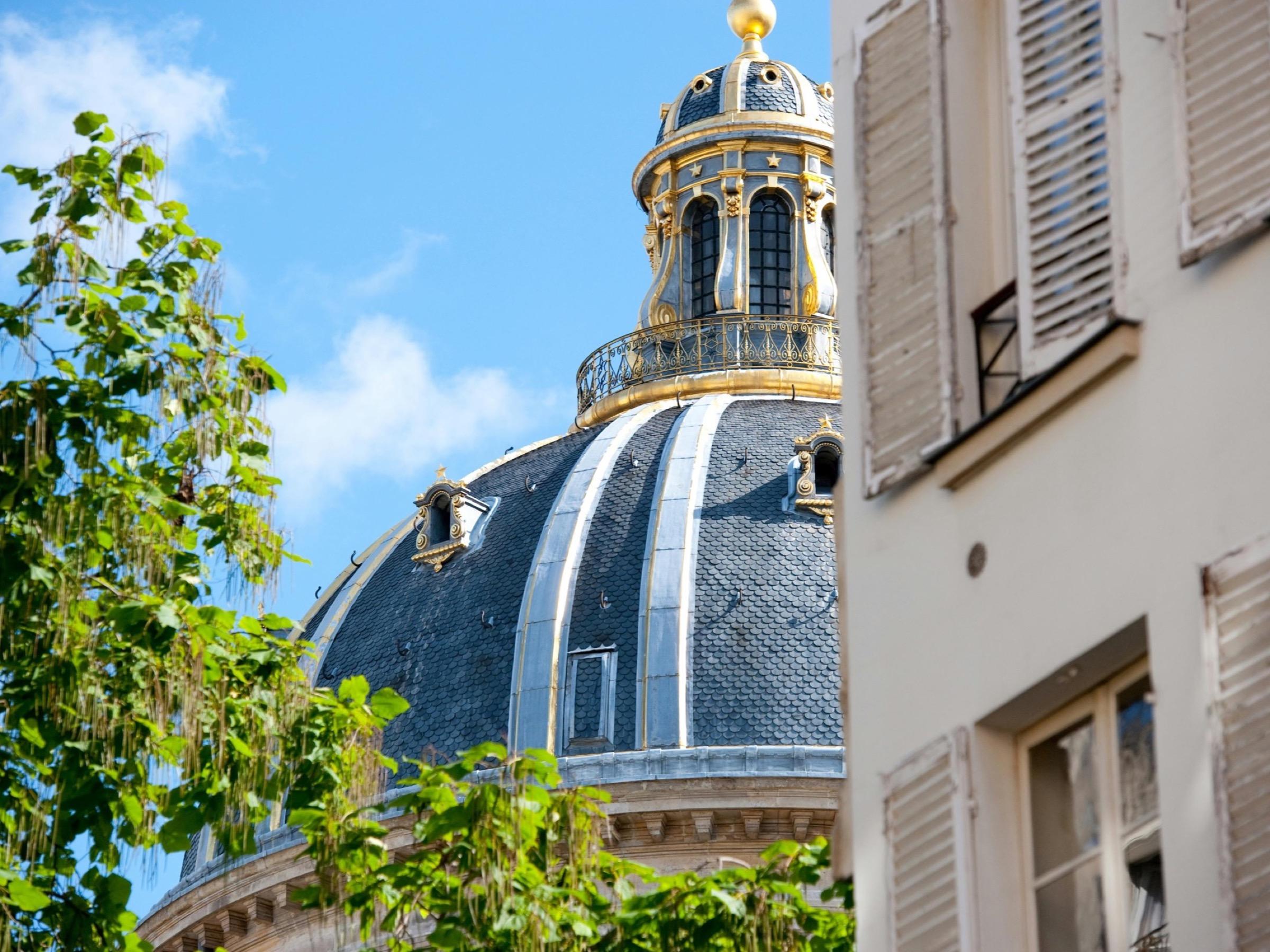
Paris numbers its twenty arrondissements in a clockwise spiral, winding out from the 1st at the centre, a system fixed in the 1860s when the city took in the villages around it. Baron Haussmann's nineteenth-century rebuilding cut wide boulevards through the old street plan and put up the cream-stone apartment buildings that still give the centre its looks. Two places got off lightly. The Marais kept its medieval streets, and Montmartre, on its hill, still has the layout of a village.
The months to go are April to June, and September and October, mild and clear of the summer's heat. Rain falls fairly evenly through the year, so there is no dry season to wait for, and winter is cool rather than cold, with snow that rarely settles in the centre. Mid-July to the end of August is hot and humid, and the stretch many Parisians spend on holiday, taking a good share of the smaller restaurants and boutiques with them.
Since much of the centre can be crossed on foot, the area matters more than the distance to any one sight. The Left Bank, the Latin Quarter and Saint-Germain-des-Prés, is literary and well-heeled, and for a first visit it is the one to choose. Le Marais and the East is younger: the medieval streets first, then out past République to the Canal Saint-Martin. The Historic Centre is the postcard middle, with the Louvre and the Tuileries on the doorstep. Montmartre and the North is bohemian by day and a nightlife strip after dark, the area for anyone planning to come home late. The Champs-Élysées and the West, the grand avenues and embassy streets, is formal and moneyed, and quieter after dark than anyone out for dinner would want.
On the Right Bank a morning at the Louvre, any day but Tuesday, covers the Denon wing, and the Tuileries lead into the Jardin du Palais-Royal, flat all the way to the streets round the Opéra. Over the river the Impressionists hang in the Musée d'Orsay, once the Gare d'Orsay railway station, and Saint-Germain-des-Prés is a short walk on, with the Carré Rive Gauche's antique shops running south towards Rue du Bac. Another day goes up Rue des Martyrs, past its food shops and cafés, to Sacré-Cœur, about ten minutes on foot from Place Pigalle, or through the Marais from Place des Vosges to the Canal Saint-Martin. Versailles is about 45 minutes out on the RER C.
Dinner east of Bastille is a matter of timing. At 80 Rue de Charonne, Septime releases its tables at ten each morning, three weeks ahead. Clamato, its seafood bar at the same address, takes no bookings at all.
- Best months
- April to June, and September and October
- Avoid
- Mid-July to the end of August, for the heat and when many smaller restaurants and boutiques close for the holidays and locals leave the city to its visitors
- Nearest airport
- Paris Charles de Gaulle (CDG), the main international gateway; Paris-Orly (ORY), closer to the centre, also serves the city
- Transfer
- about 35 minutes into Gare du Nord on the RER B from Charles de Gaulle; about 25 minutes into Châtelet-Les Halles on Métro line 14 from Orly
Neighbourhoods
- The Champs-Élysées and the West
Where to stay
5 hotels
5 hotels
 Grown-up
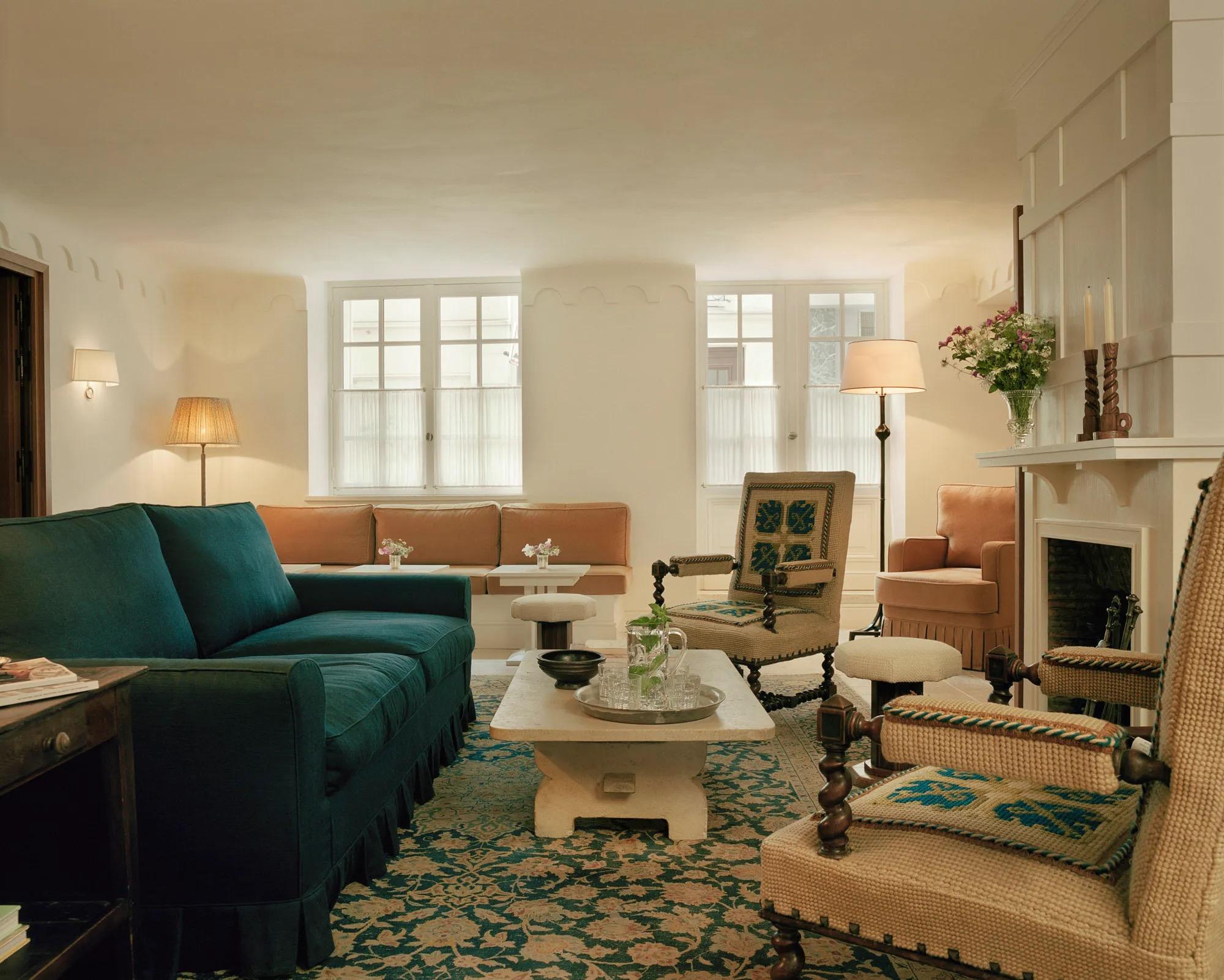
Château Voltaire
£££Paris, France
Fig and apple trees grow on the roof of a Saint-Honoré hotel that the founder of Zadig & Voltaire made out of three old buildings, a short walk from the Tuileries.
 Grown-up
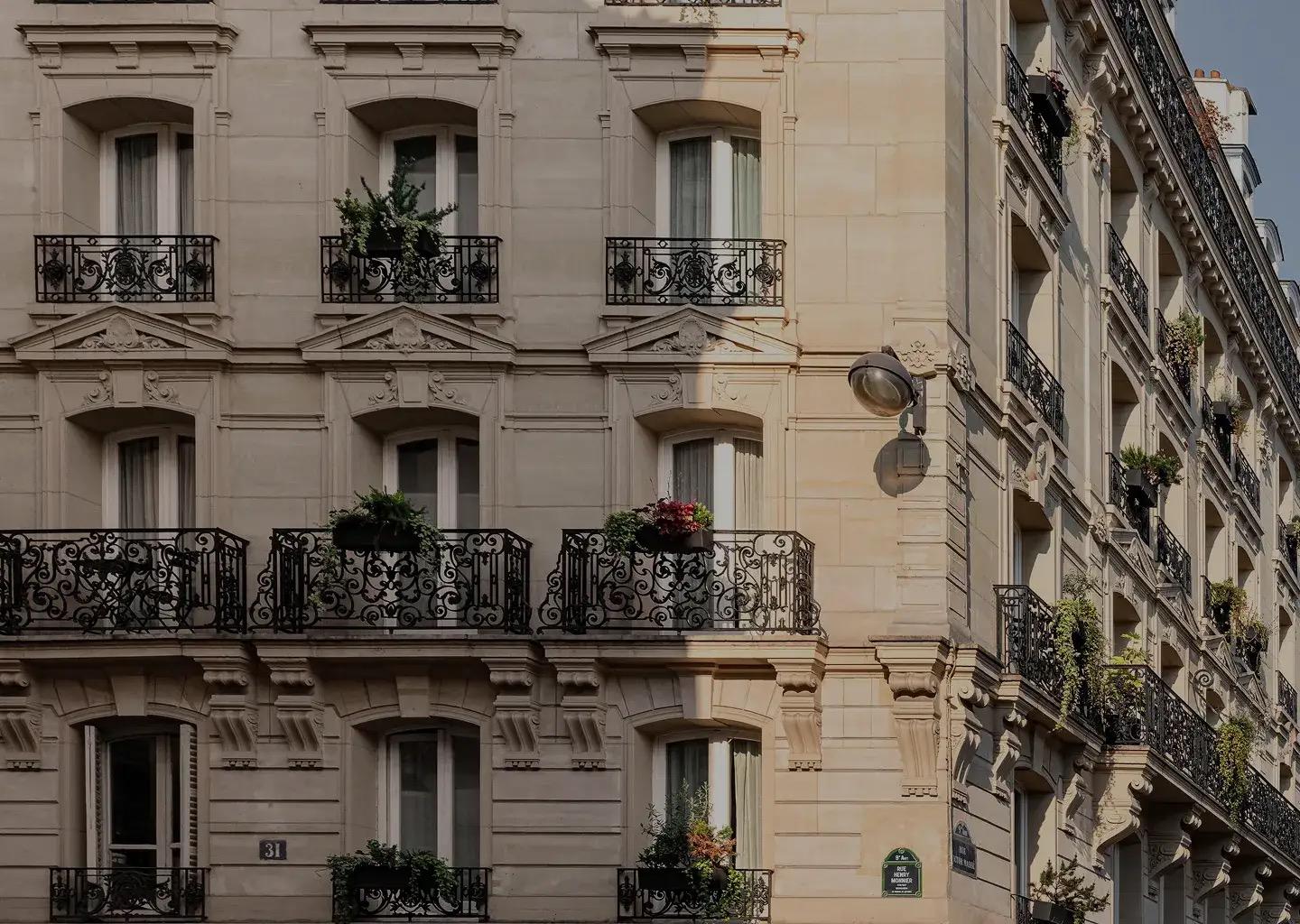
Grand Pigalle Experimental
££Paris, France
In South Pigalle the Experimental Cocktail Club built its first hotel round a bar rather than a lobby, with martini glasses running up the stair carpet to make the point.
 Grown-up
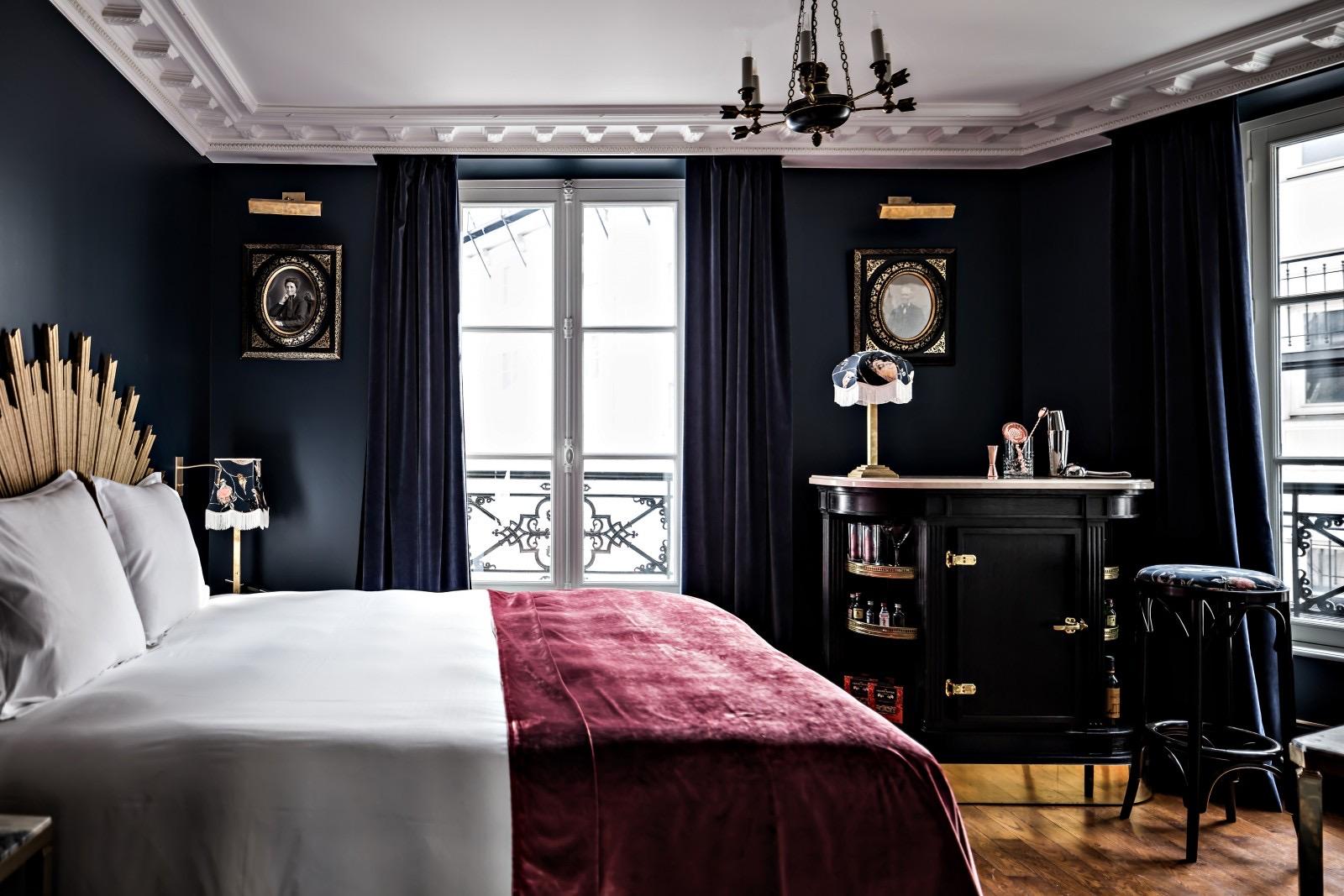
Hotel Providence Paris
££Paris, France
Across the street from a stage door in the 10th, an 1854 building where each of the eighteen rooms has a cocktail bar of its own.
 Grown-up & family
J.K. Place Paris
££££Paris, France
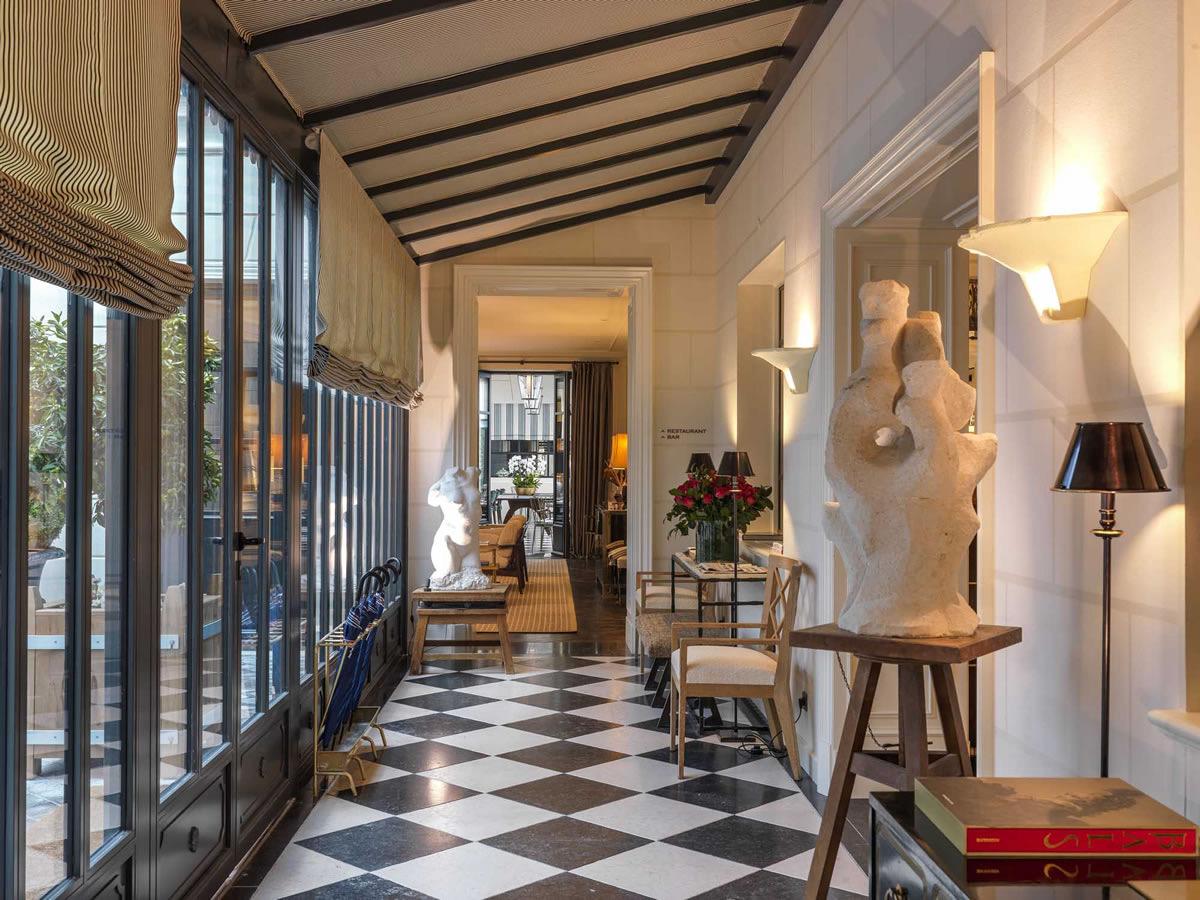
Stone busts line a chequerboard corridor in a former consulate on the rue de Lille, JK Place's first house outside Italy.
 Grown-up
L'Hotel
£££Paris, France
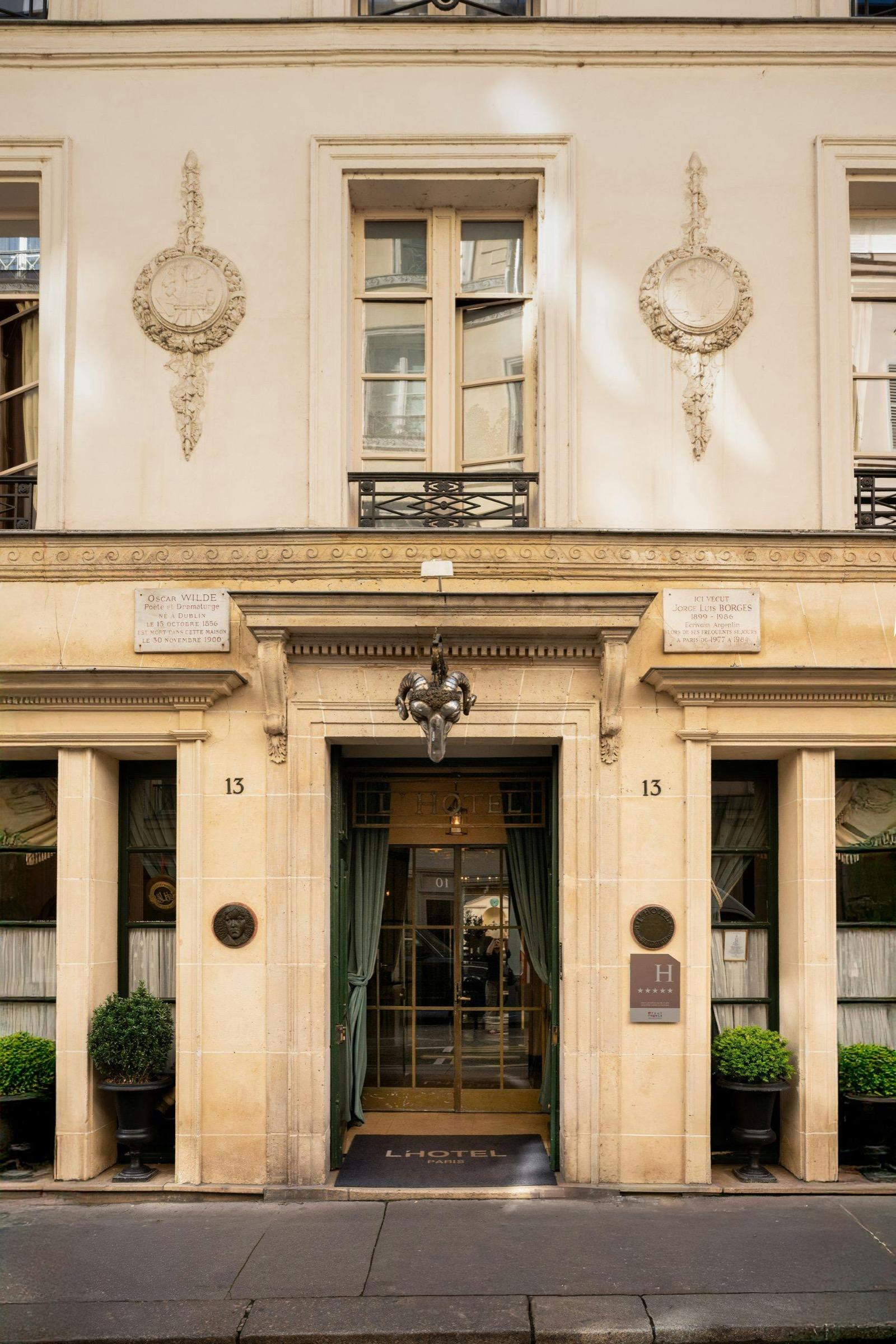
Oscar Wilde died here in 1900, and these days even the smallest room gets an hour alone in the candlelit pool under the vaults.
Where to eat
1 restaurant
Breizh Café
£ · Recommended
Le Marais and the East · Breton crêperie
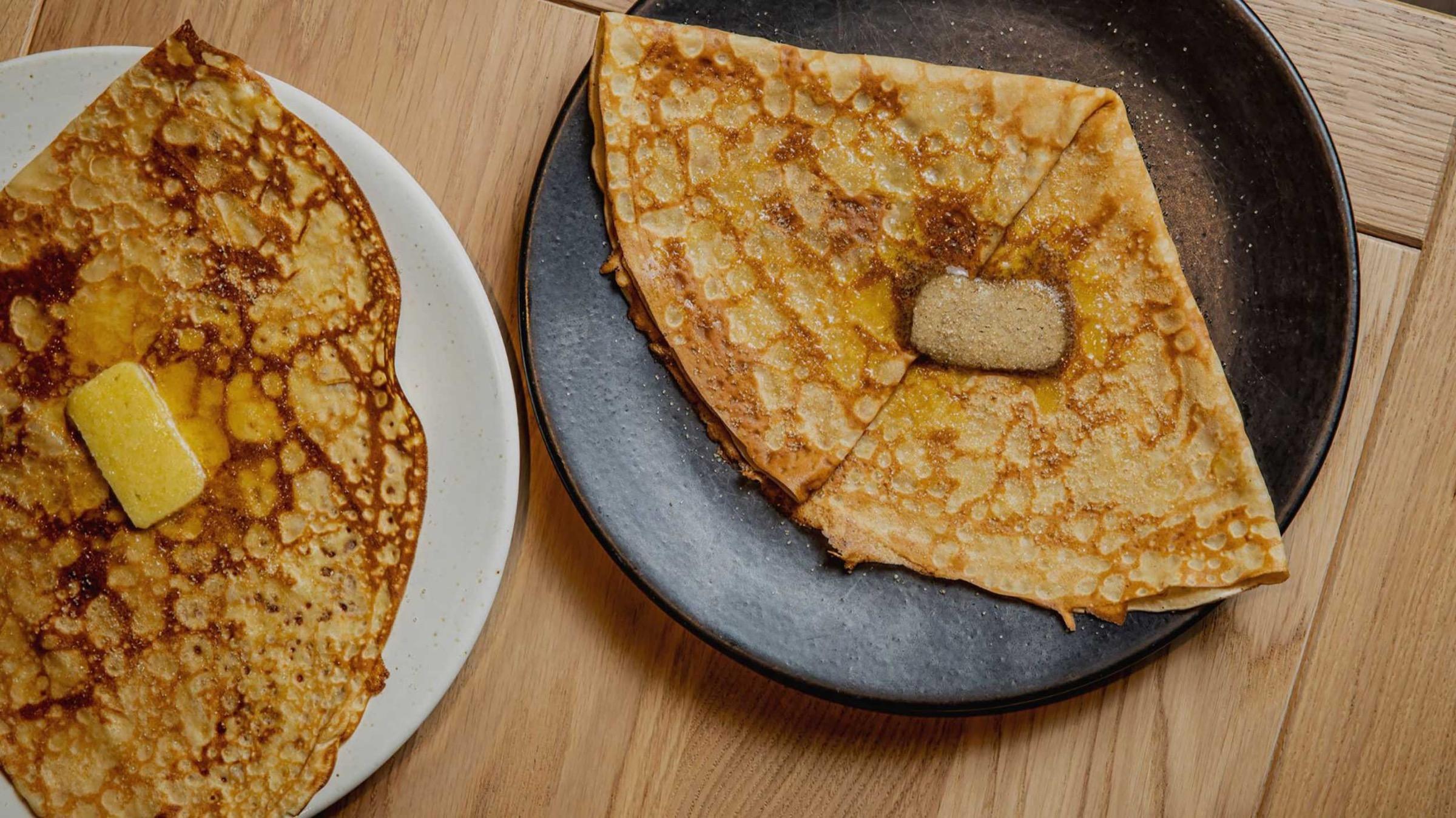
Buckwheat galettes and Breton ciders in the Marais, an easy lunch that takes no reservation.
Reviewed in The Infatuation