
Mauritius
Mauritius
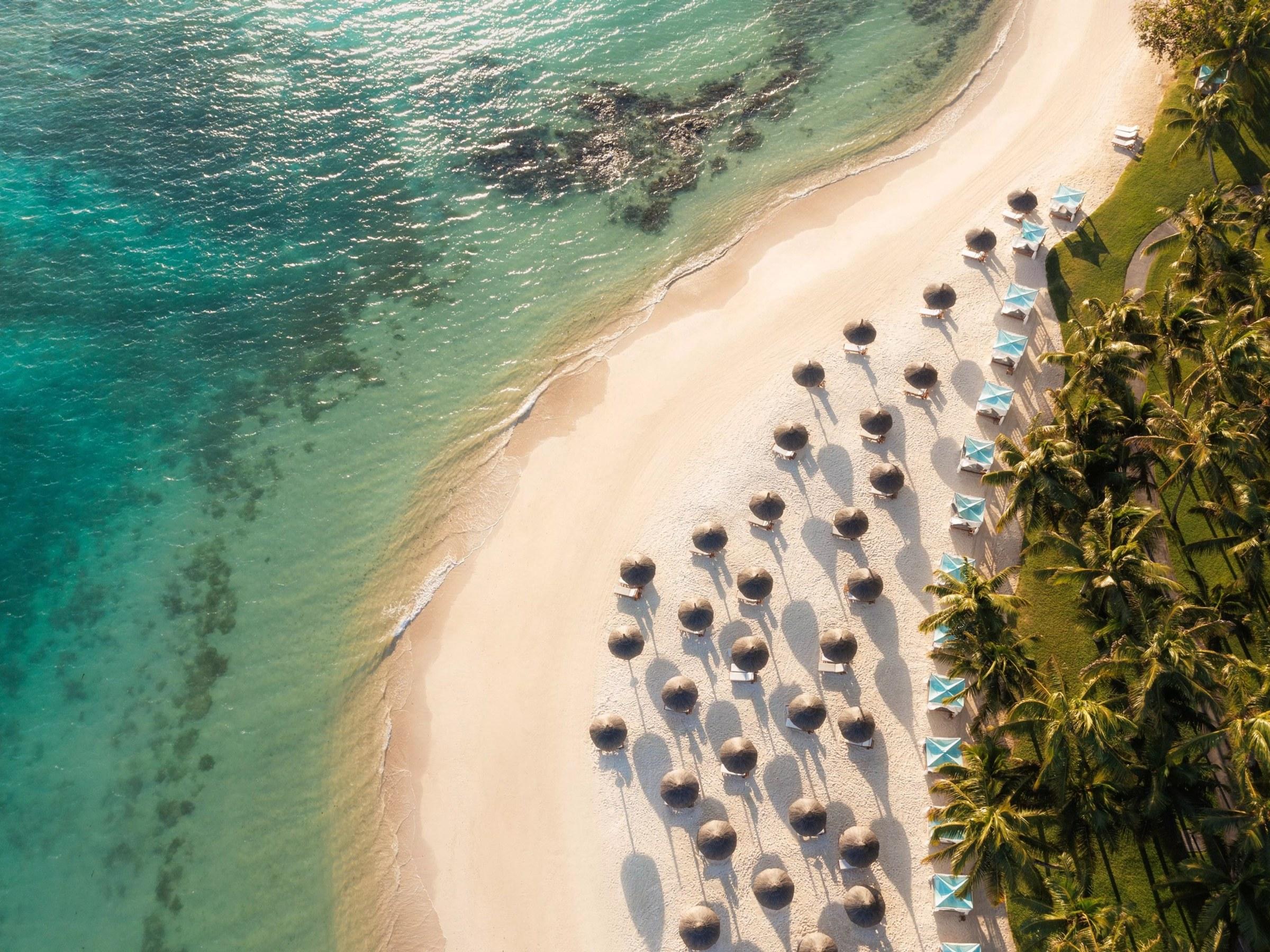
The middle of Mauritius is a plateau about 600 metres up, cooler than the coast and still planted with the sugar cane that was once the island's whole economy, and almost no one who visits sleeps there. Nearly everyone stays on the coast, inside a coral reef that runs almost all the way round and keeps around 243 square kilometres of lagoon calm and shallow. The ocean's swell gets as far as the outer reef, at the passes, and the water inside is left to swimmers of every size.
May to December is dry and mostly settled: cooler and less humid until October, then warming through November and December, the two months to take for sun in a northern winter. January to March is the height of the cyclone season. The rain is heaviest then, and a cyclone can disrupt flights or confine a resort for a day or two, which is a long time to look at a lagoon through a window. Some put the risk at November to April, so read the hotel's cancellation terms before booking either end of the dry months.
Every coast is within an hour and a quarter of the airport, so the drive decides nothing. The East Coast has the most resorts, along the long beaches of Belle Mare and Palmar, and the outing is a catamaran to Ile aux Cerfs for a swim and a barbecue lunch. The North is the busiest, and the one for dinner outside the hotel: Grand Baie's restaurants are a short drive from the quieter resorts at Pointe aux Piments and Anse La Raie. The West Coast has the long sand around Flic en Flac and Tamarin, and the island's best sunsets. The South is the wildest and least built on, and belongs to Le Morne Brabant.
That is a 556-metre basalt monolith, with a marked trail up from its own car park. In the early 19th century it is said to have sheltered people who had escaped slavery, and it is for them that the peninsula is a World Heritage site. Inland, Black River Gorges, the island's largest protected forest, has walks from half an hour to the three-hour Machabee Forest Loop, and a short drive on at Chamarel the volcanic sand lies in seven colours. From May to November the south-east trade winds blow their steadiest, and the lagoon at Le Morne is ranked among the world's best places to kitesurf: the one stretch of the island's water where a calm day is a disappointment.
- Best months
- May to December
- Avoid
- January to March, when the cyclone season is at its most active
- Nearest airport
- Sir Seewoosagur Ramgoolam International Airport (MRU), near Plaine Magnien on the south-east coast
- Transfer
- About an hour to the east coast resorts around Belle Mare and Palmar; 60 to 75 minutes to the north coast; around an hour to the west coast at Flic en Flac; about 75 minutes to the south-west, at Le Morne.
Neighbourhoods
- The West Coast
- The South
Where to stay
4 hotels
4 hotels
 Grown-up & family
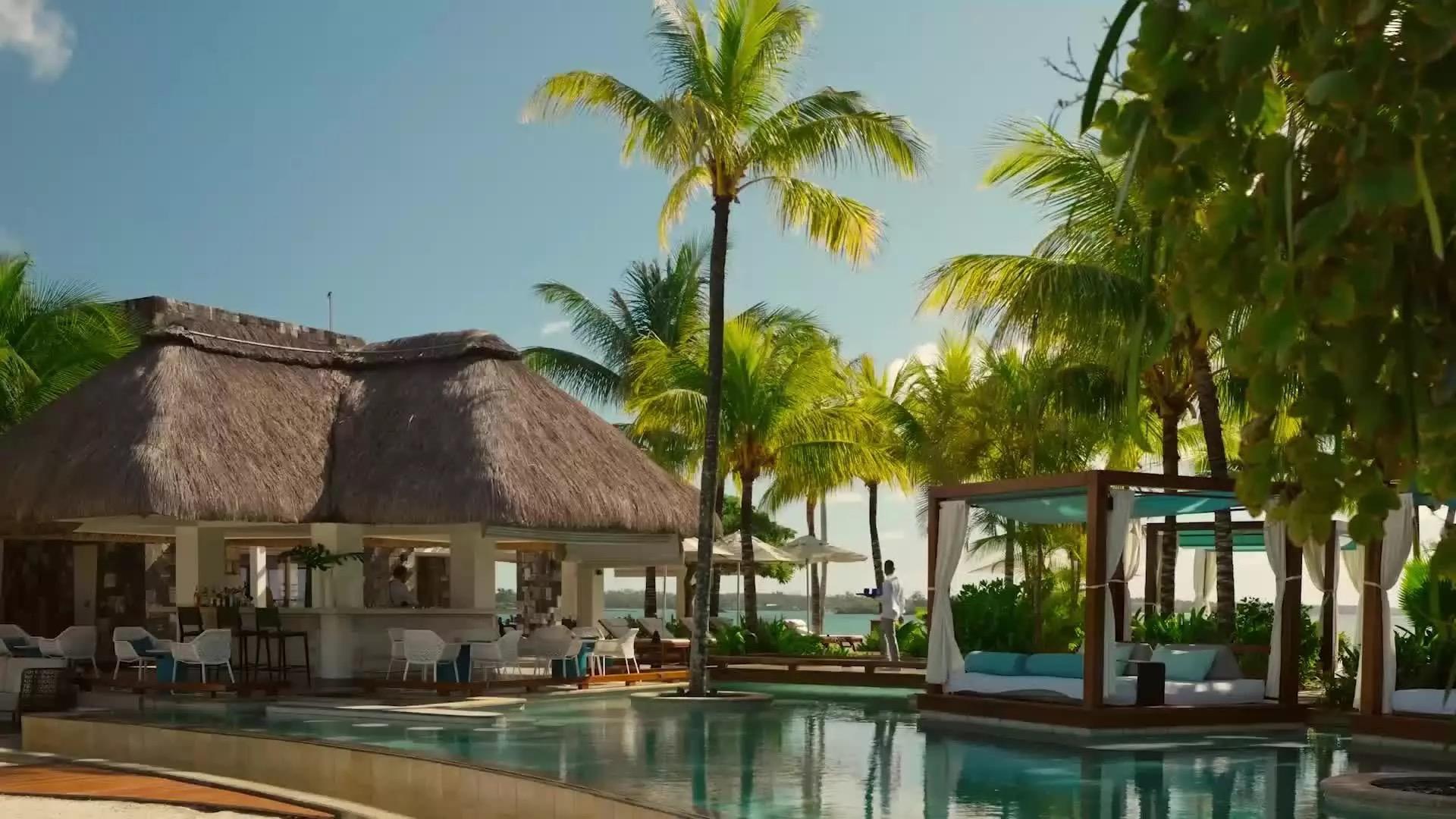
One&Only Le Saint Géran
££££Mauritius, Mauritius
The only Guerlain spa in Mauritius, on a peninsula of palms at Pointe de Flacq with a mile of white sand kept calm by the reef.
 Grown-up
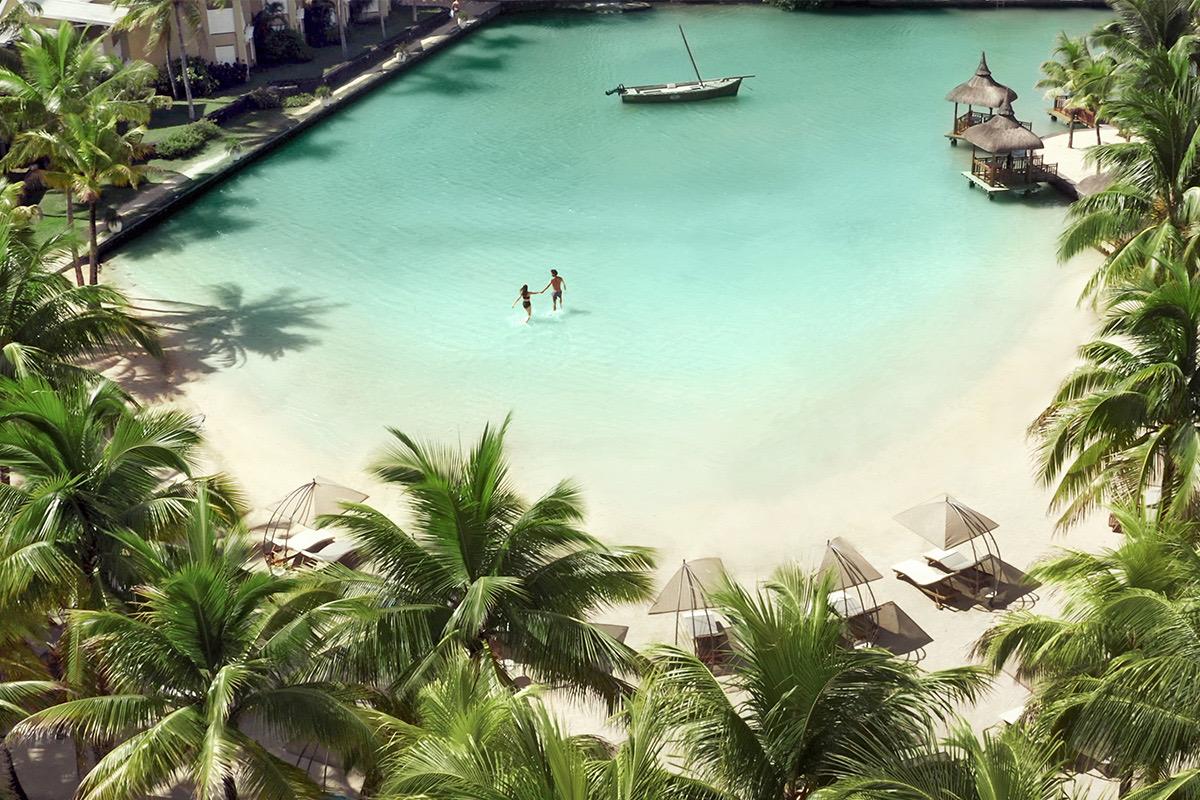
Paradise Cove Boutique Hotel
£££Mauritius, Mauritius
An adults-only hotel built round a white-sand cove at the top of Mauritius, with an infinity pool out on the peninsula facing the northern islands.
 Grown-up
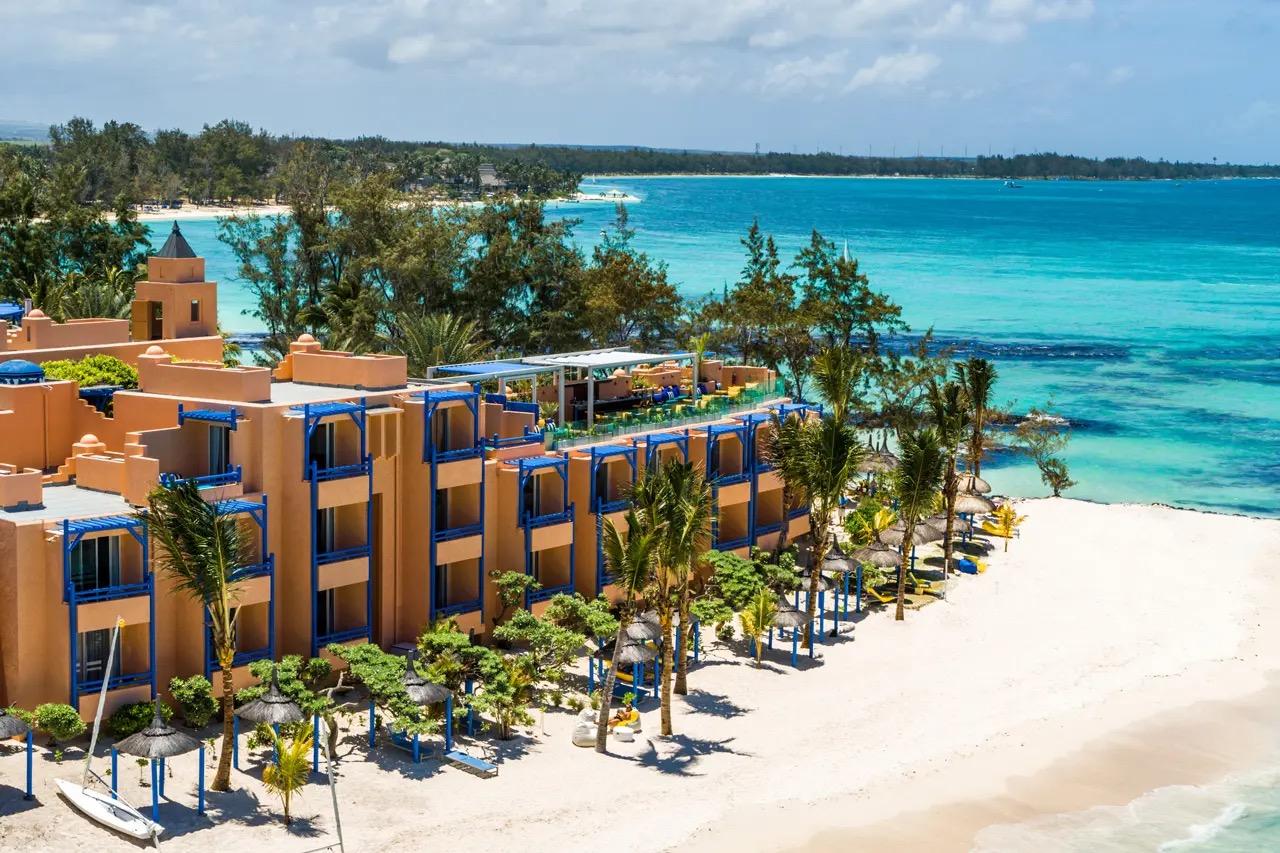
SALT of Palmar
££Mauritius, Mauritius
A courtyard of black-and-white striped columns by Camille Walala, at an adults-only hotel on Mauritius's east coast whose best restaurant has ten seats.
 Grown-up & family
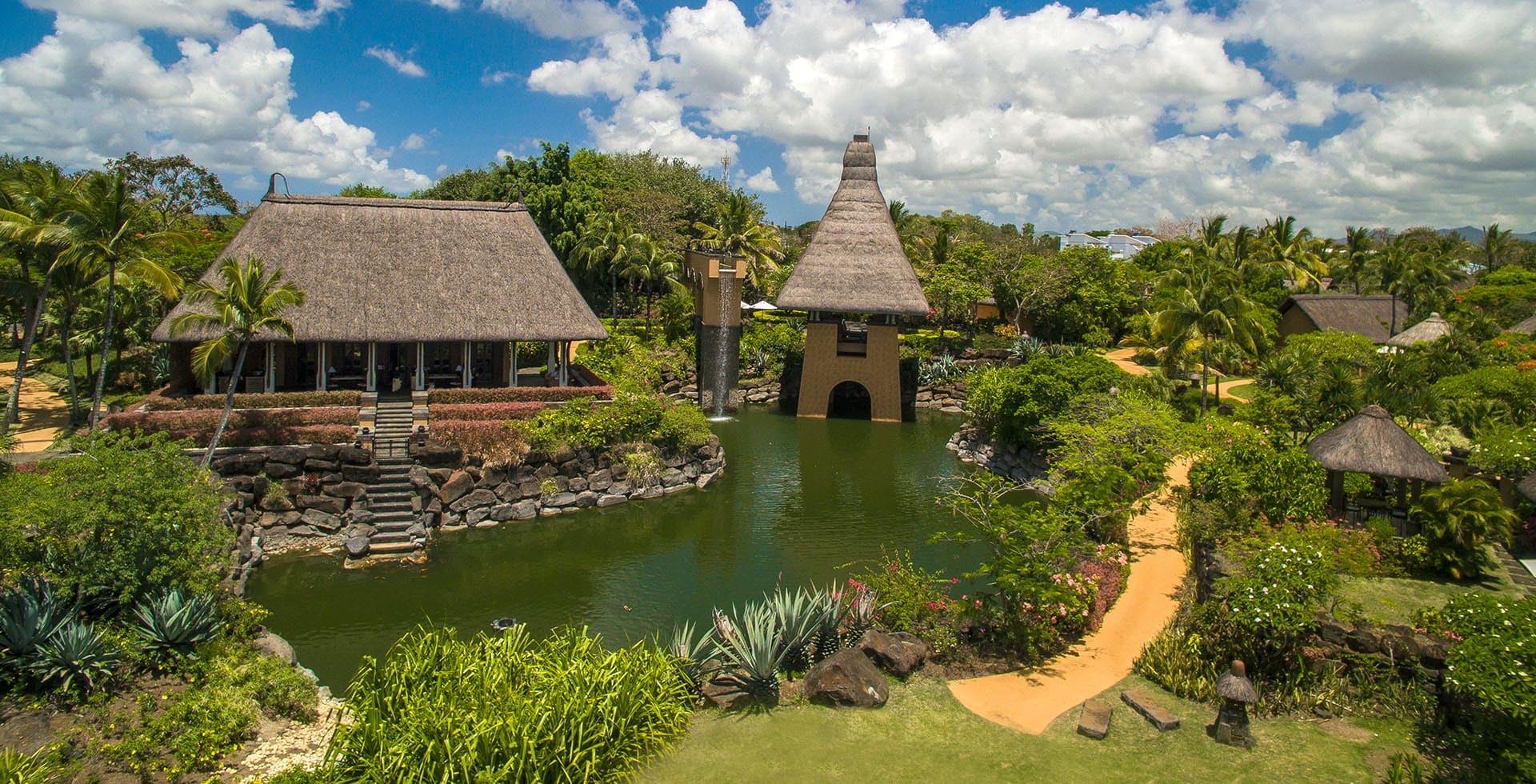
The Oberoi Beach Resort, Mauritius
££££Mauritius, Mauritius
Thatched villas with private pools in 20 acres of Bill Bensley's garden on Turtle Bay, a marine park where the glass-bottom boat is included.