
Laos
Luang Prabang
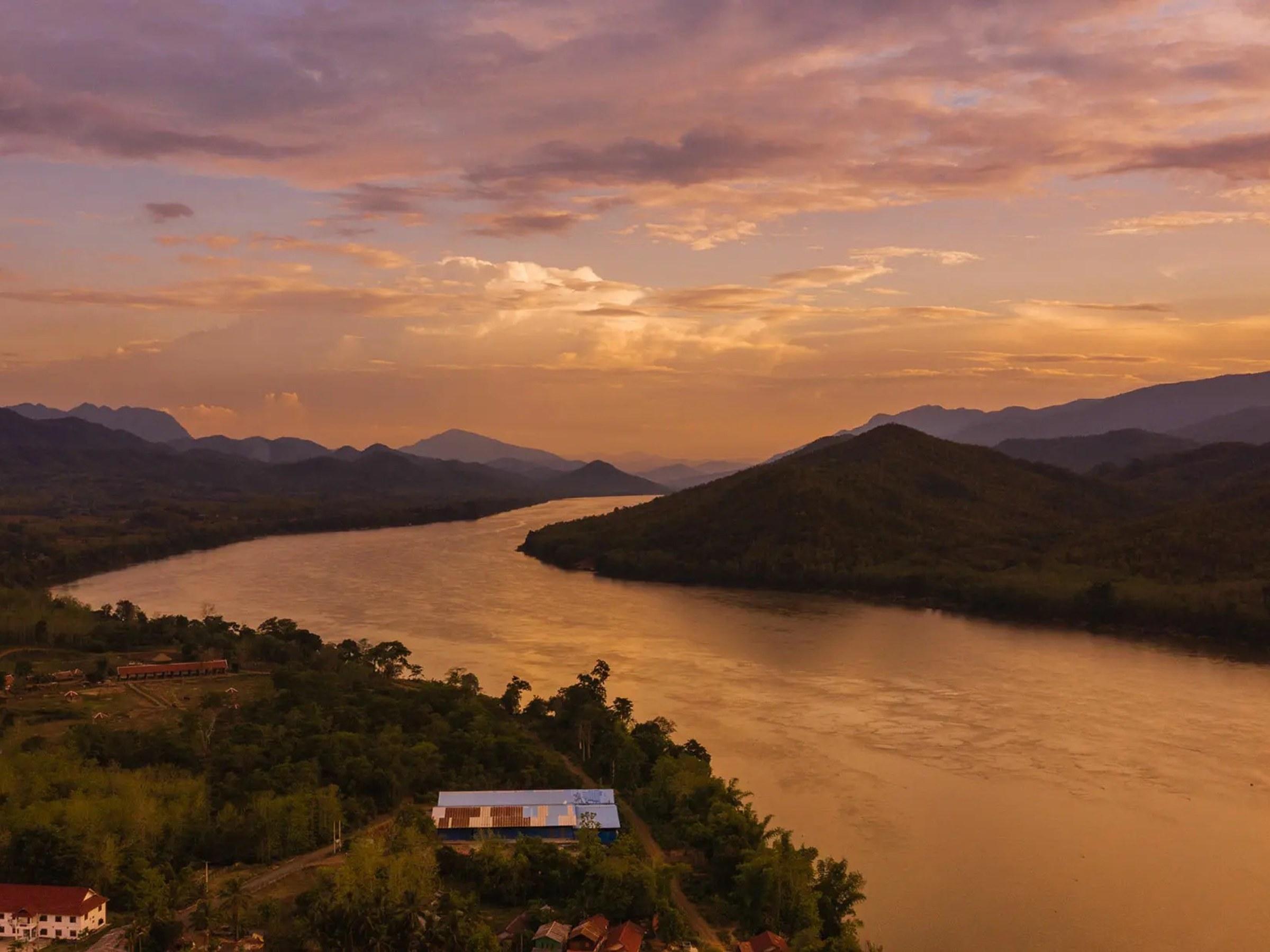
The bars in Luang Prabang's old quarter close by half past eleven, under a curfew tied to its World Heritage listing, and at dawn the town is up again to feed its monks. On the tak bat, the alms round, monks from the peninsula's temples walk out at first light to collect rice and food. The way to watch is from across the street, which is also the closest a camera should get. As the line finishes the morning market is at its busiest, with river weed and street food, so the visitors eat after the monks, which seems the right order.
The old town fills a peninsula where the Nam Khan runs into the Mekong, in the mountains of northern Laos, and UNESCO listed it in 1995 for Lao and French colonial buildings left largely unchanged: more than thirty temples among the shophouses, and a Royal Palace of 1904, now a museum of the monarchy. Wat Xieng Thong, the oldest, stands on the tip, where the rivers meet. Mount Phousi rises in the middle, a forested hill with Wat Chom Si's golden stupa on top, and the climb at sunset puts both rivers in one view.
Go between November and February, when the air is cool and dry and the skies clear. So does everyone else, and those are the busiest and dearest months, the turn of the year most of all. Avoid March and April, when farmers across northern Laos burn off their fields before planting, and the haze can give the town some of its worst air of the year, until the burning tails off around Boun Pi Mai, the Lao New Year in mid-April. From June to September it rains in short, heavy afternoon downpours, and August, the wettest, can bring the Mekong over its banks.
Stay in the Old Town, where the temples and markets are a walk apart and the nights end at the curfew. Across the Nam Khan, the far bank is quieter and less built up, and every evening in town starts with a boat across. Outside Town, beyond the UNESCO zone, a handful of resorts have their own grounds in the forested hills, a short drive in, which at dawn, for the alms round, is still a drive.
A boat goes up the Mekong to the Pak Ou Caves, two limestone caves holding thousands of Buddha images left by pilgrims, and about 45 minutes south by road, Kuang Si Falls drops 60 metres into a run of turquoise travertine pools. Back in town, the Handicraft Night Market sets out its textiles and silverwork along Sisavangvong Road from five, and packs up at eleven, half an hour before the bars do.
- Best months
- November to February
- Avoid
- March and April, when fields are burned off ahead of the rains and the air over the town turns hazy
- Nearest airport
- Luang Prabang International Airport (LPQ)
- Transfer
- 15 to 20 minutes to the old quarter
Neighbourhoods
- Across the Nam Khan
Where to stay
3 hotels
3 hotels
 Grown-up
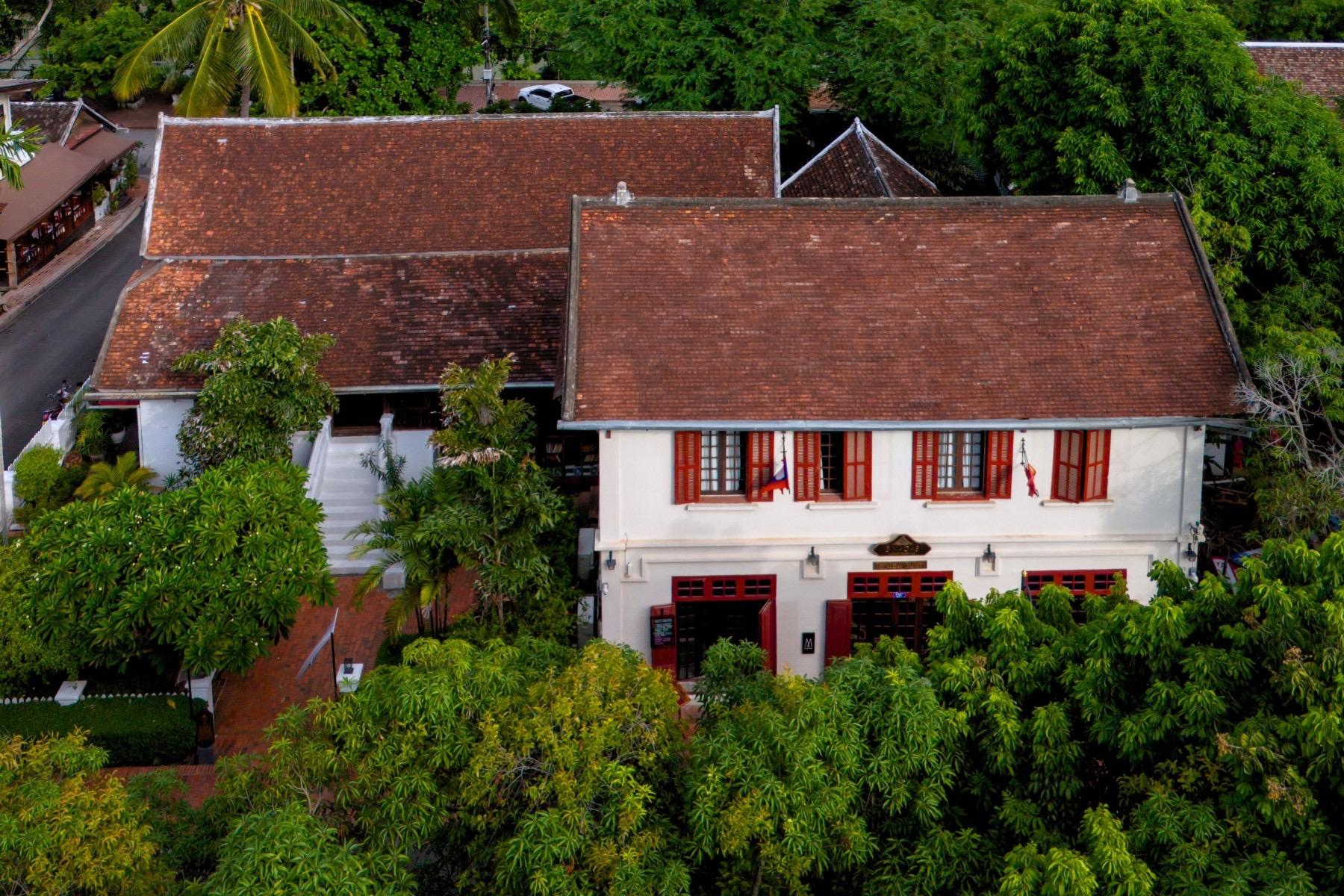
3 Nagas Luang Prabang - MGallery
£Luang Prabang, Laos
Lamache House has served the Royal Court and then the town's ice cream, and now its old parlour cooks Lao food, with a garden behind running down to the Nam Khan.
 Grown-up & family
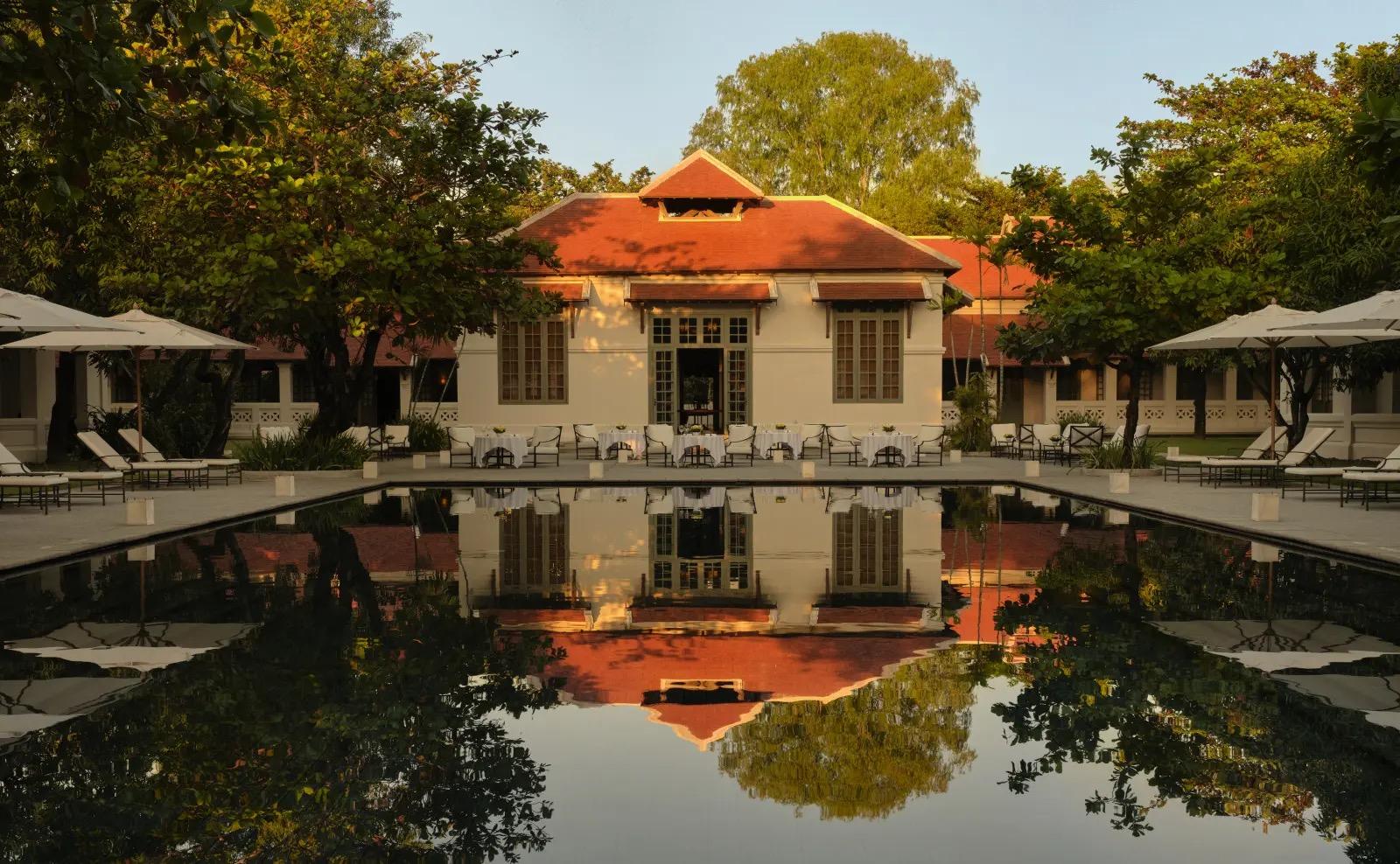
Amantaka
££££Luang Prabang, Laos
A French colonial governor's compound at the foot of Mount Phousi, where four-posters stand under high wooden ceilings and the long pool holds the red roofs upside down.
 Grown-up & family
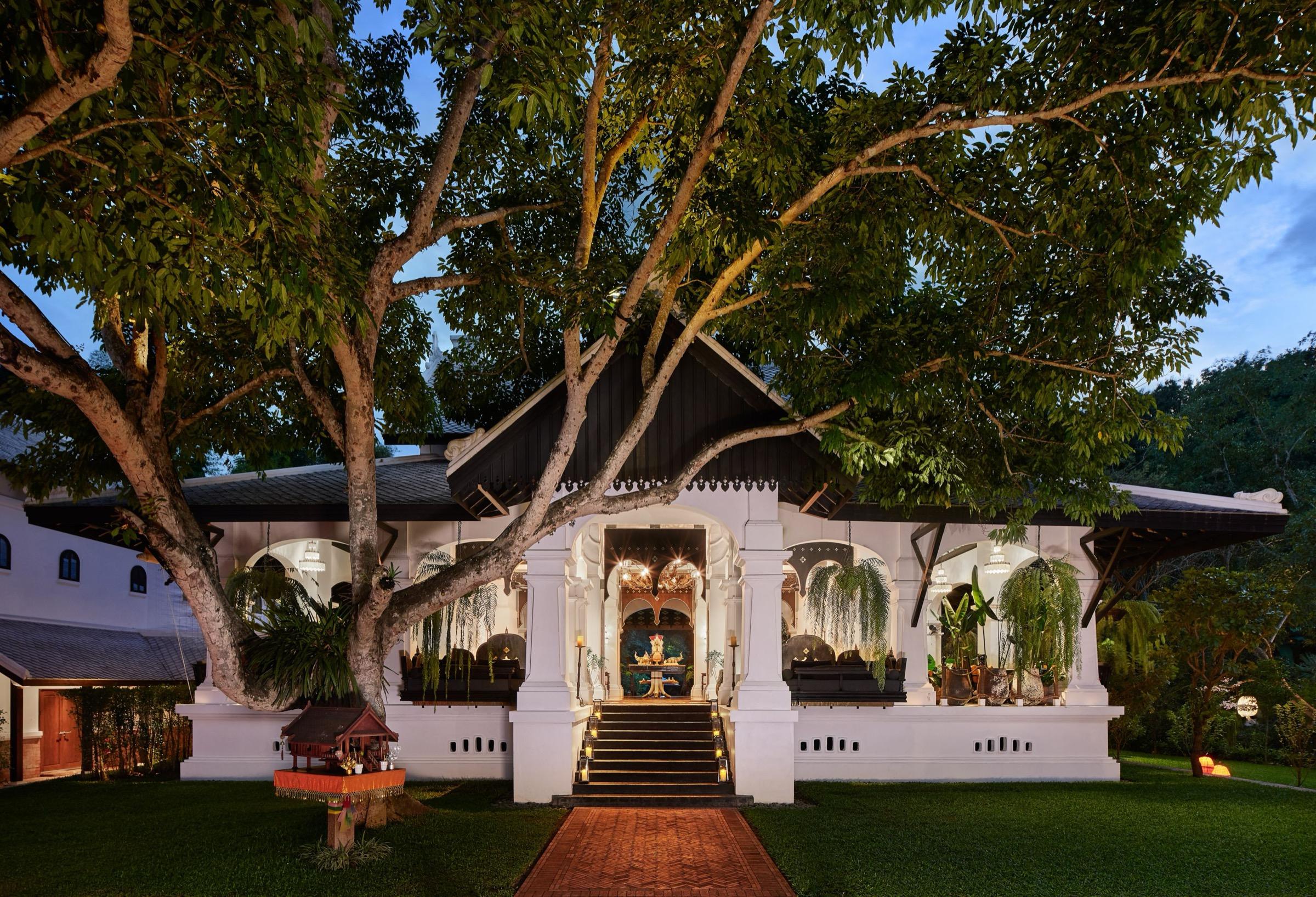
Rosewood Luang Prabang
££££Luang Prabang, Laos
An oval pool with stone benches under the water looks onto a waterfall on the Nam Dong, at Bill Bensley's hill station ten minutes outside Luang Prabang.