
Japan
Kyoto
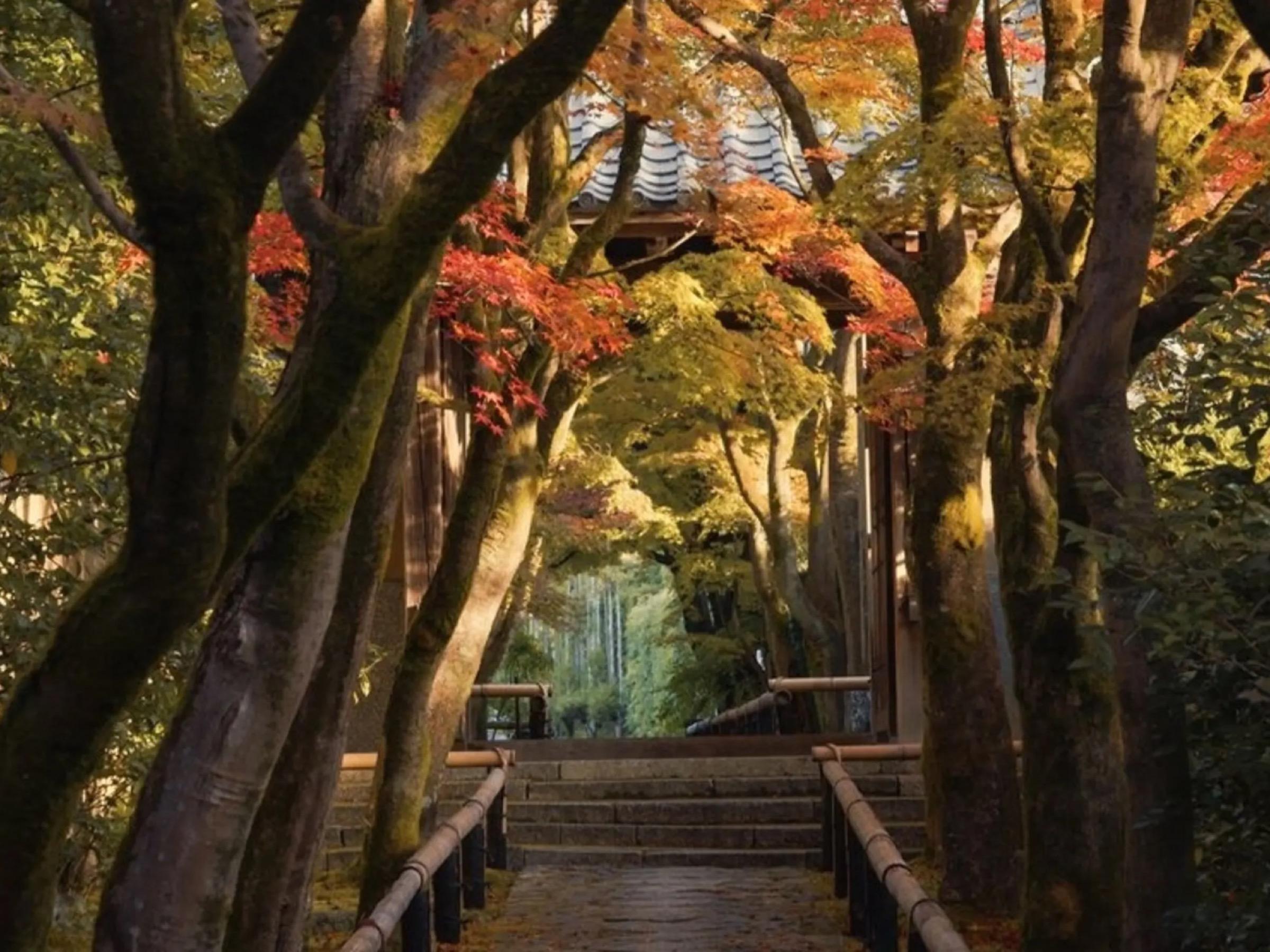
Kyoto has no coast and nothing much in the way of a skyline. It lies low in a basin with hills on three sides, and the Kamo River runs through a grid of narrow lanes and wooden machiya townhouses. As Heian-kyo it was the imperial capital for over a thousand years, until the court moved to Tokyo in 1868. The shrines and temples stayed, more than two thousand of them, and fourteen of the city's sites are on UNESCO's World Heritage list. Nobody gets round them all, so where to stay comes down to which hill to wake up nearest.
For a first visit, stay in Gion and Higashiyama. It takes in the teahouse lanes around Hanamikoji and the temple-lined hills stretching north past Kiyomizu-dera to Nanzenji, and the city's ryokan-style hotels and kaiseki counters are thickest here, so bed and dinner are seldom far apart. Arashiyama, out west on the river, is quieter and greener, and most often recommended for families. The Northern Hills, the foothills around Kinkaku-ji and Takagamine, are about thirty minutes by car from the station, with temple gardens and little to do at night. Downtown is the best-connected base and the plainest, running south toward Kyoto Station. It suits the night before a train better than a week.
Fushimi Inari Taisha's vermilion torii run up Mount Inari, and setting off before 7am outwalks the tour groups. The bamboo grove and Togetsukyo Bridge in Arashiyama want the same early start. From Saga the Sagano Romantic Train runs 25 minutes through the Hozugawa gorge to Kameoka, with the boat back down the river for the return. In the east, Sannenzaka and Ninenzaka are stone-paved lanes leading down from Kiyomizu-dera past machiya tea shops and the Yasaka Pagoda. Nishiki Market, five covered blocks of food stalls downtown, is a lunch grazed from one stall to the next. To the north, Kinkaku-ji's gold-leafed pavilion stands over its reflecting pond, and twenty minutes' walk away the rock garden at Ryoan-ji answers all that gold with stone. After dark Gion's lanes are lit by lanterns, and with luck a geiko or maiko crosses between appointments, which is to say on her way to work.
Cherry blossom runs from late March to mid-April and peaks in the first half of April, the most crowded and most expensive fortnight of the year. The maples turn through November, reddening at Tofuku-ji and Eikando from the middle of the month. Avoid mid-June to August, when the tsuyu rains run into the heat and humidity of high summer and a walk between temples is hard work. Winter is quiet and mild enough for sightseeing, with no blossom and no maples, only the shrines and temples, all two thousand and more of them.
- Best months
- March to May, and October and November
- Avoid
- Mid-June to August: the tsuyu rainy season running into the hottest and most humid stretch of the year.
- Nearest airport
- Kansai International Airport (KIX)
- Transfer
- about 75 minutes to Kyoto Station on the Haruka Express
Neighbourhoods
Where to stay
4 hotels
4 hotels
 Grown-up & family
Ace Hotel Kyoto
££Kyoto, Japan
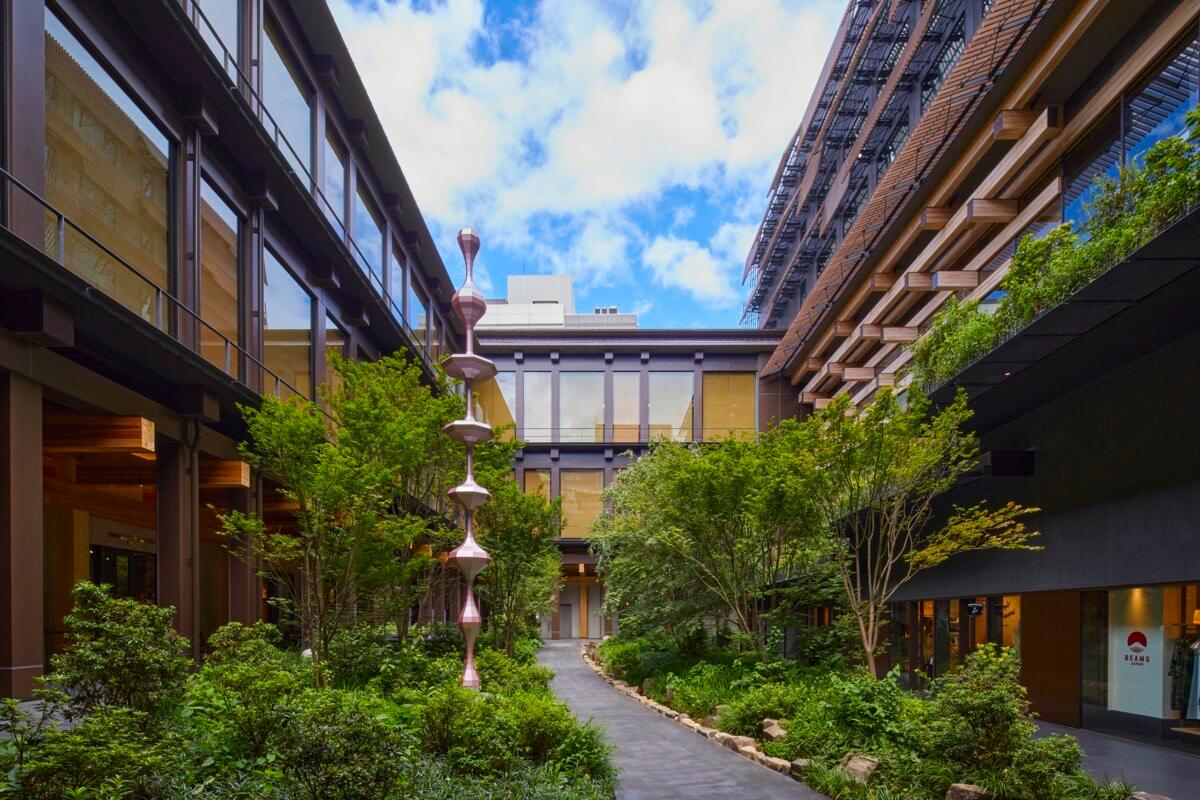
Dinner at a low table on raised tatami, then a record on the TEAC, in the Tatami Suite of a hotel built round Kyoto's 1926 telephone exchange.
 Grown-up
Aman Kyoto
££££Kyoto, Japan
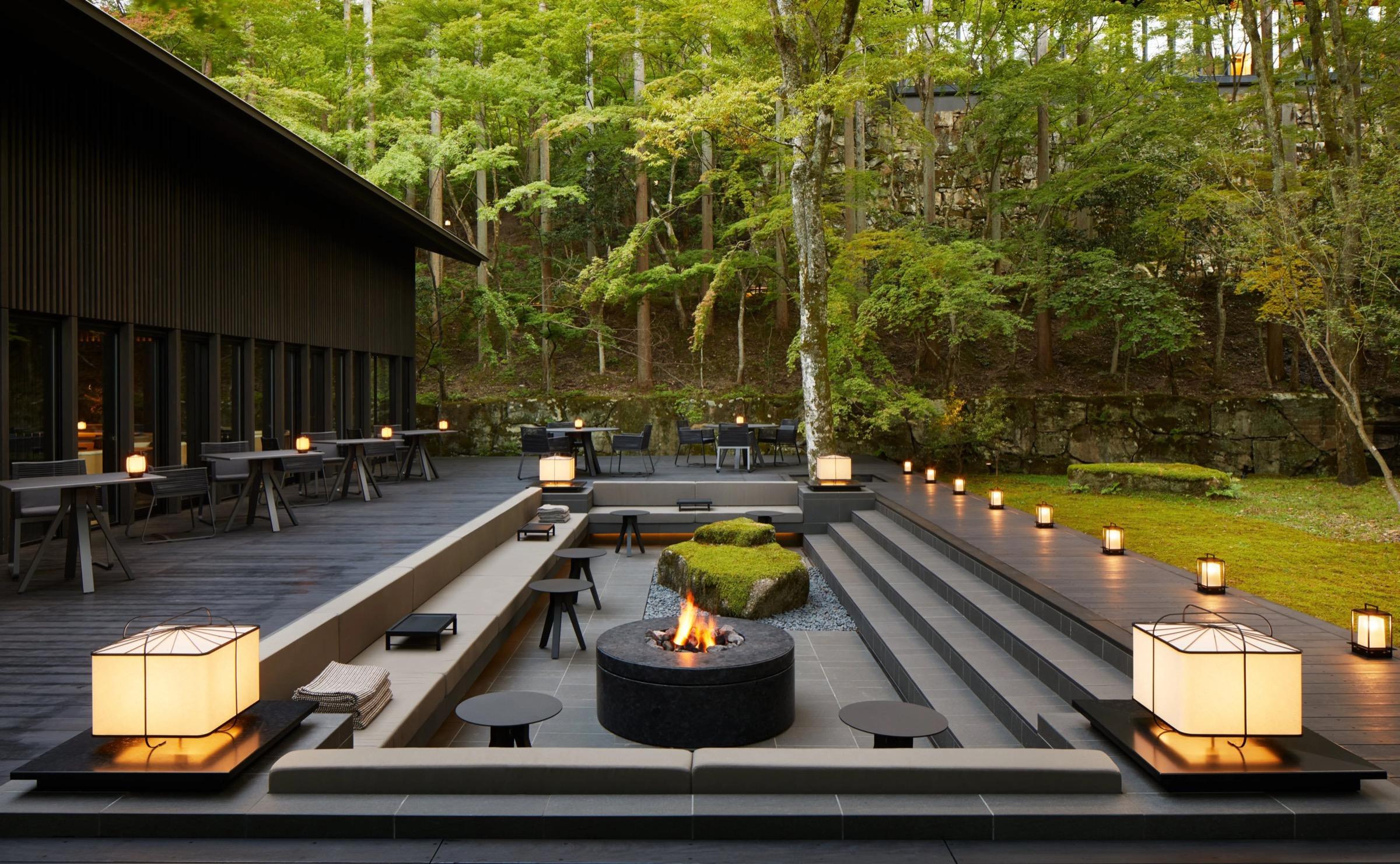
Kerry Hill's pavilions stand where an obi collector planned a textile museum, in a forest garden of moss and maples a walk from Kyoto's Golden Pavilion.
 Grown-up
Hoshinoya Kyoto
££££Kyoto, Japan
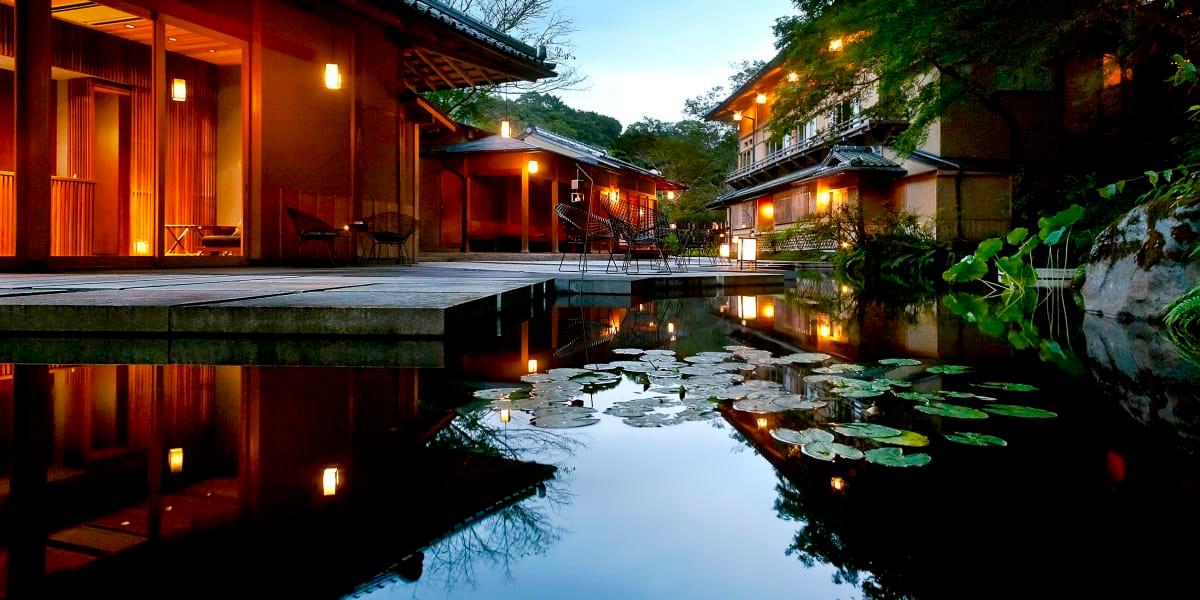
A covered wooden boat up the Oi River is the only way to these 25 rooms above an Arashiyama gorge, each with a cypress tub and the river in its window.
 Grown-up & family
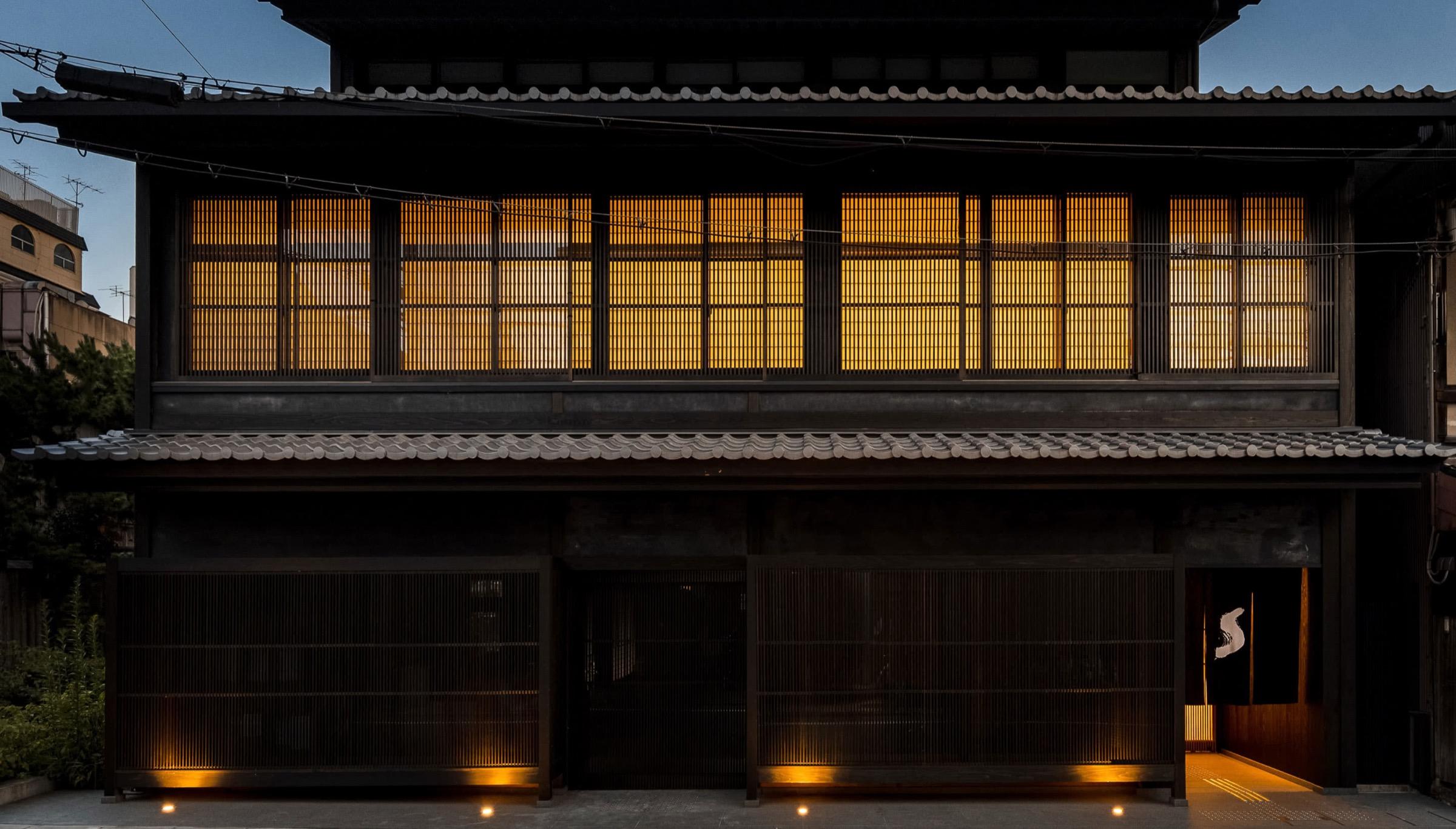
The Shinmonzen
££££Kyoto, Japan
Tadao Ando's nine suites in Gion each have a balcony over the Shirakawa canal, and seven of them a bath of Japanese cypress.