
India
Kerala
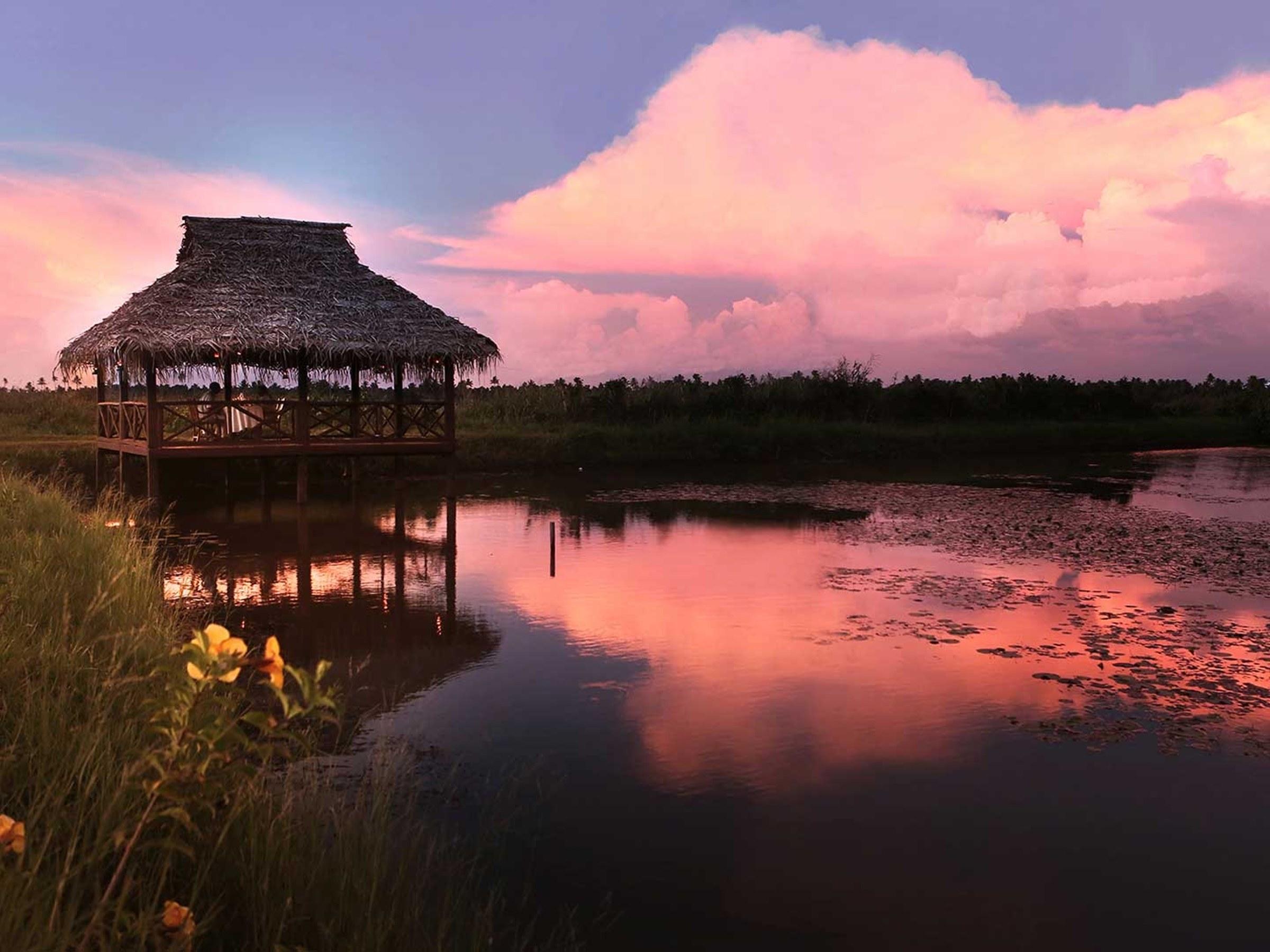
Kerala gets two monsoons, and its winter falls in the gap between them. The southwest monsoon, the heavier, lasts from June to September, when swimming is often banned in the rough sea and many beach restaurants close. The northeast one, Thulavarsham, brings spells of rain through October and November, so the backwaters are green again but not yet reliably dry. December to February is the driest and coolest stretch, and the time to come. Everyone else has worked that out too: it is also the most crowded and expensive, Christmas and New Year above all.
The state is a strip of coast about 590 km long between the Arabian Sea and the Western Ghats, in places only 35 km wide. Behind barrier islands at the river mouths, the backwaters, brackish lagoons and canals, run most of its length, with Vembanad, the largest lake, between Kumarakom and Alappuzha. The Ghats rise inland into tea and spice country, which is another trip.
Cochin's airport is about an hour from Fort Kochi, the old trading peninsula, which makes it the place to begin, among four centuries of European forts and churches. An hour and a half to two hours on is the water, and the choice is between lake and sea. Kumarakom and the backwaters means the islands and narrow canals of Vembanad Lake, where the resorts are reached only by boat. Alappuzha and the coast puts the sea back in front, at Mararikulam, a fishing village coast with coconut groves and paddy fields behind the beach. Kovalam and the south coast, with Ayurveda retreats on its cliffs, is nearer Trivandrum's airport, twenty to thirty minutes away, so it makes a trip of its own, or the end of one.
The Chinese fishing nets on Fort Kochi beach are worked from the shore by a cantilevered counterweight, and are best seen at sunset. Mattancherry's spice market runs along Bazaar Road, with Jew Town and the Dutch Palace a few minutes on, and at the Kerala Kathakali Centre the actors make up in front of the audience before the evening show, a part most theatres keep backstage. Houseboats go out of Alappuzha overnight across Vembanad, through paddy fields and coconut groves, and at Kumarakom a country canoe goes up the narrower canals where they cannot follow. Ayurveda is everyday medicine here rather than a spa treatment, and most of the hotels build a stay around it.
At Kovalam a 35-metre lighthouse stands at the southern end of Lighthouse Beach, in case the name left any doubt. The state capital, Thiruvananthapuram, is a day trip north, for the Napier Museum, closed on Mondays, and the Padmanabhaswamy Temple, which admits only Hindus and holds even them to a dress code.
- Best months
- December to February
- Avoid
- June to September, the monsoon
- Nearest airport
- Cochin International Airport (COK), for Fort Kochi, Kumarakom and Alappuzha; Trivandrum International Airport (TRV), for Kovalam and the south coast
- Transfer
- About an hour from Cochin International Airport to Fort Kochi, and an hour and a half to two hours on to Kumarakom or the Alappuzha coast; about twenty to thirty minutes from Trivandrum International Airport to Kovalam
Neighbourhoods
Where to stay
6 hotels
6 hotels
 Grown-up
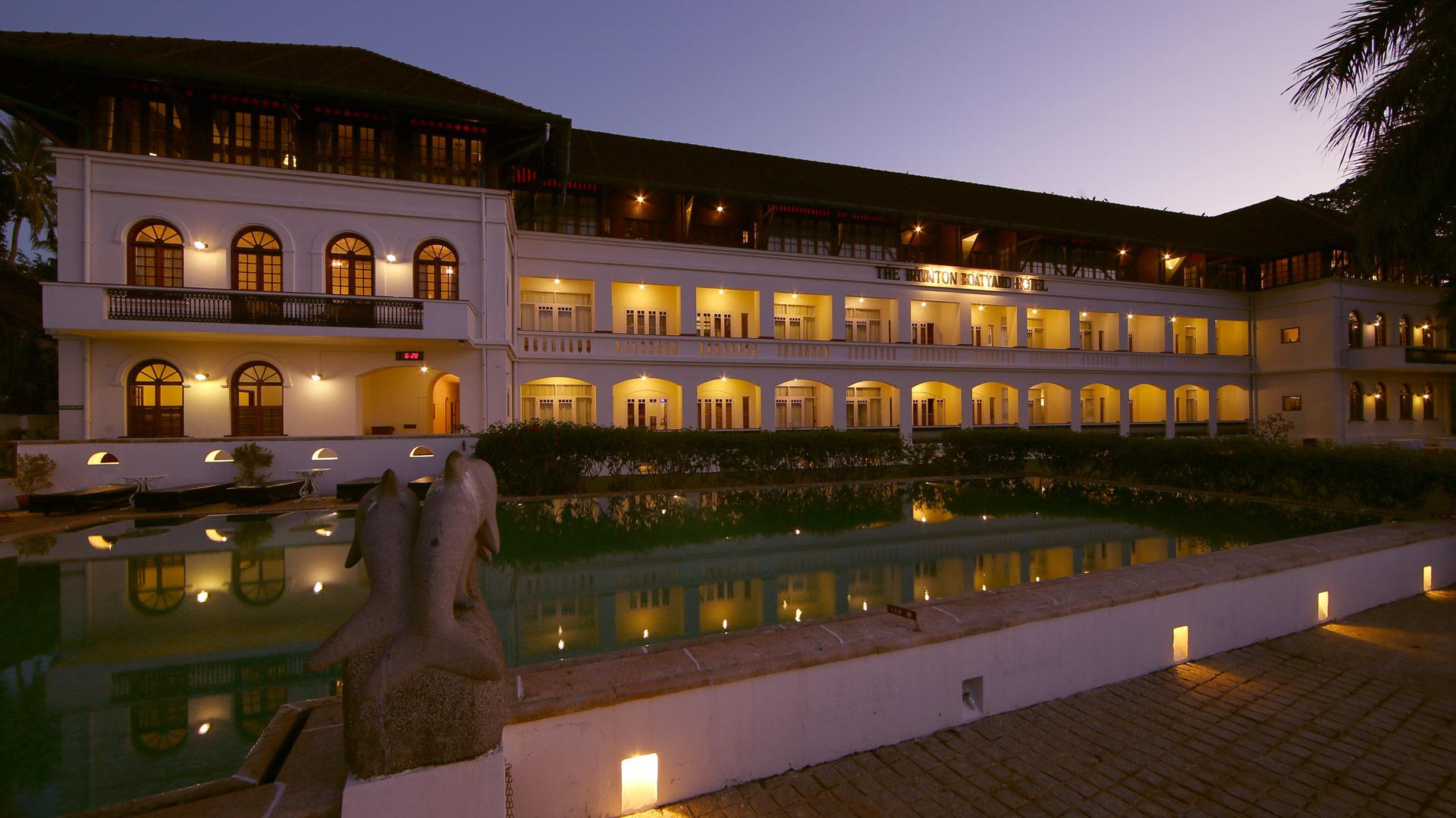
Brunton Boatyard
££Kerala, India
Teak and terracotta where the Bruntons built boats on the Fort Kochi waterfront, and a boat of the hotel's own leaves its jetty each evening for a sunset round the harbour.
 Grown-up & family
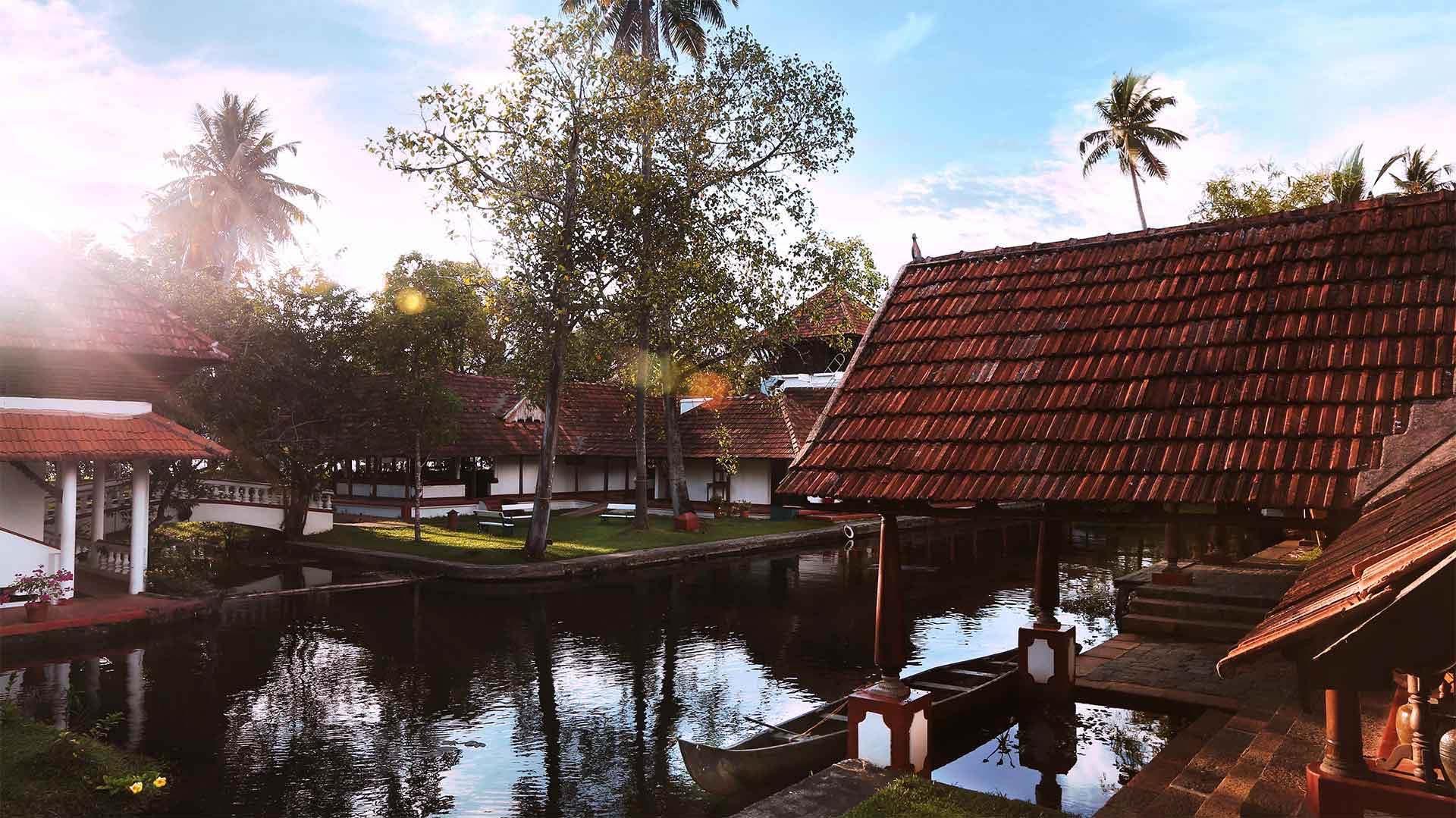
Coconut Lagoon
£££Kerala, India
Kerala's old family houses, some over 150 years old, taken apart before they could be sold as souvenirs and rebuilt in a cove of Vembanad Lake no road reaches.
 Grown-up & family
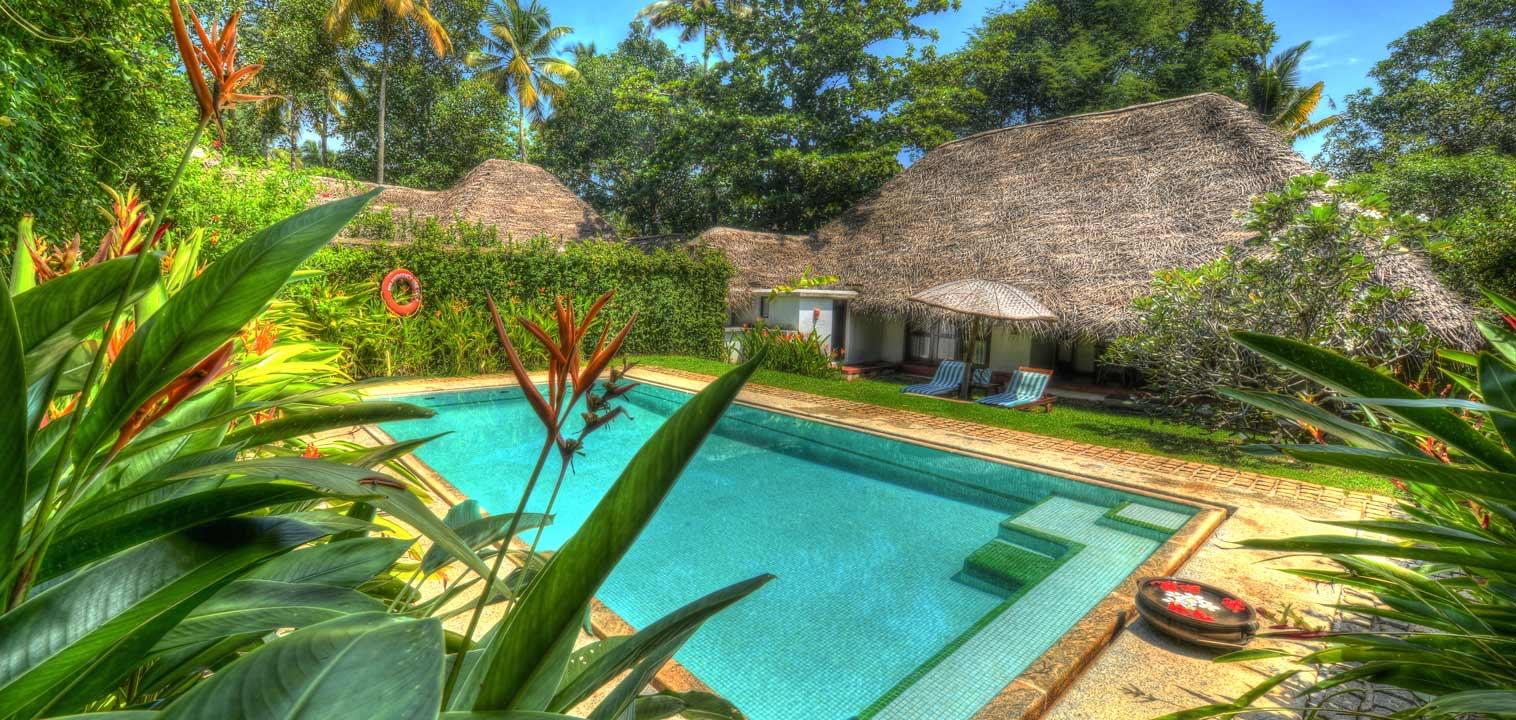
Marari Beach Resort
££Kerala, India
Coconut-leaf thatch and bathrooms open to the sky, in thirty acres of grove and lily pond behind a beach where the village nets still come in.
 Grown-up & family
Niraamaya Retreats Surya Samudra
££Kerala, India
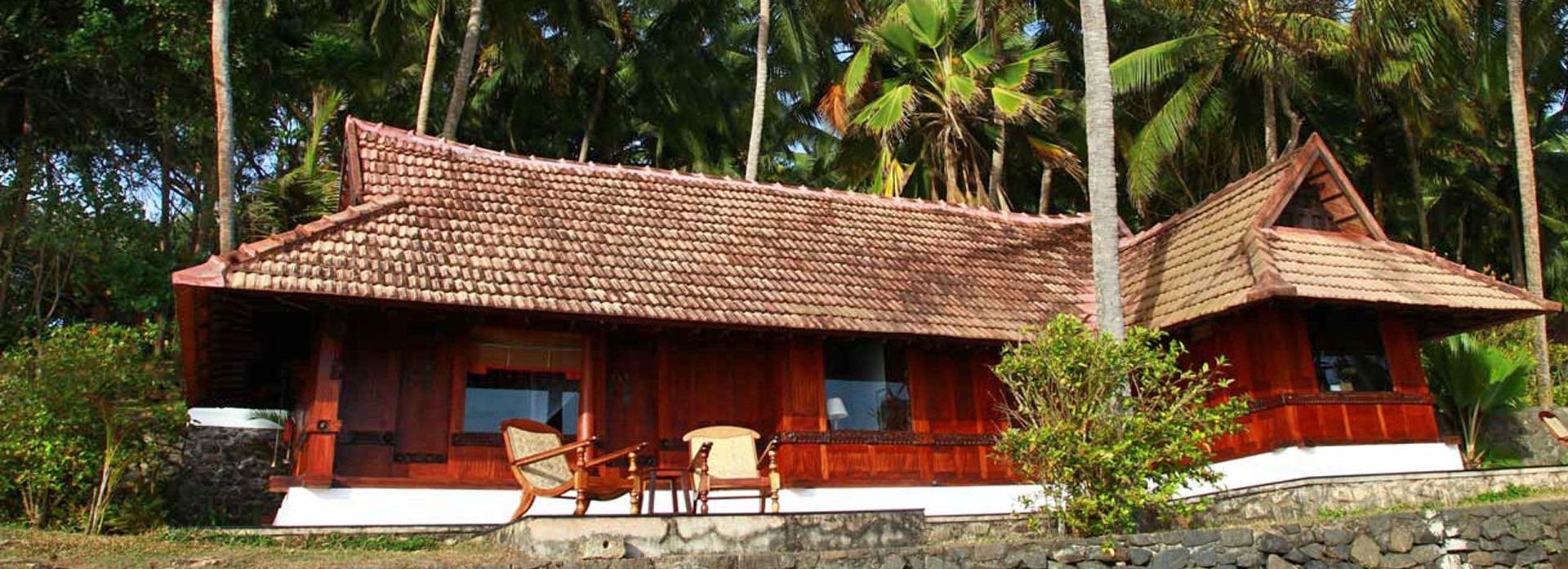
An infinity pool cut from the granite of a cliff south of Kovalam and turned to the Arabian Sea sunset, with old Kerala houses restored under the palms above it.
 Grown-up & family
Purity at Lake Vembanad
££Kerala, India
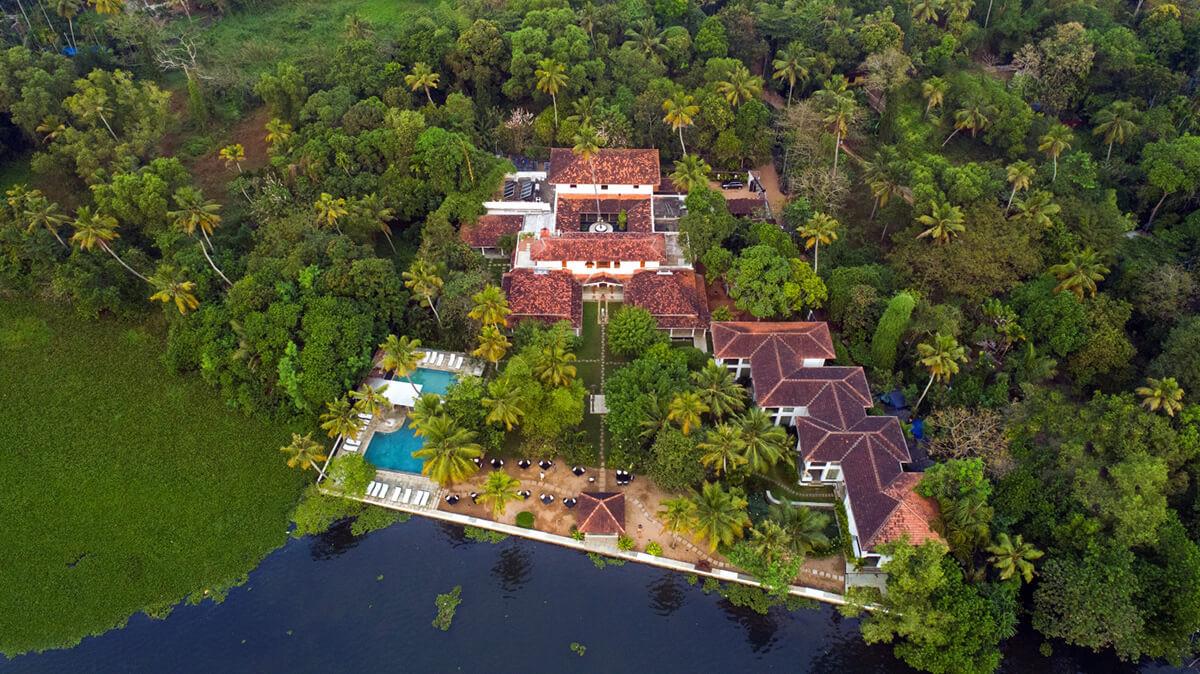
Two pools along the shore of Lake Vembanad, and in the white villa behind them, contemporary Indian art kept among antique sculpture and old furniture.
 Grown-up & family
The Malabar House
£££Kerala, India
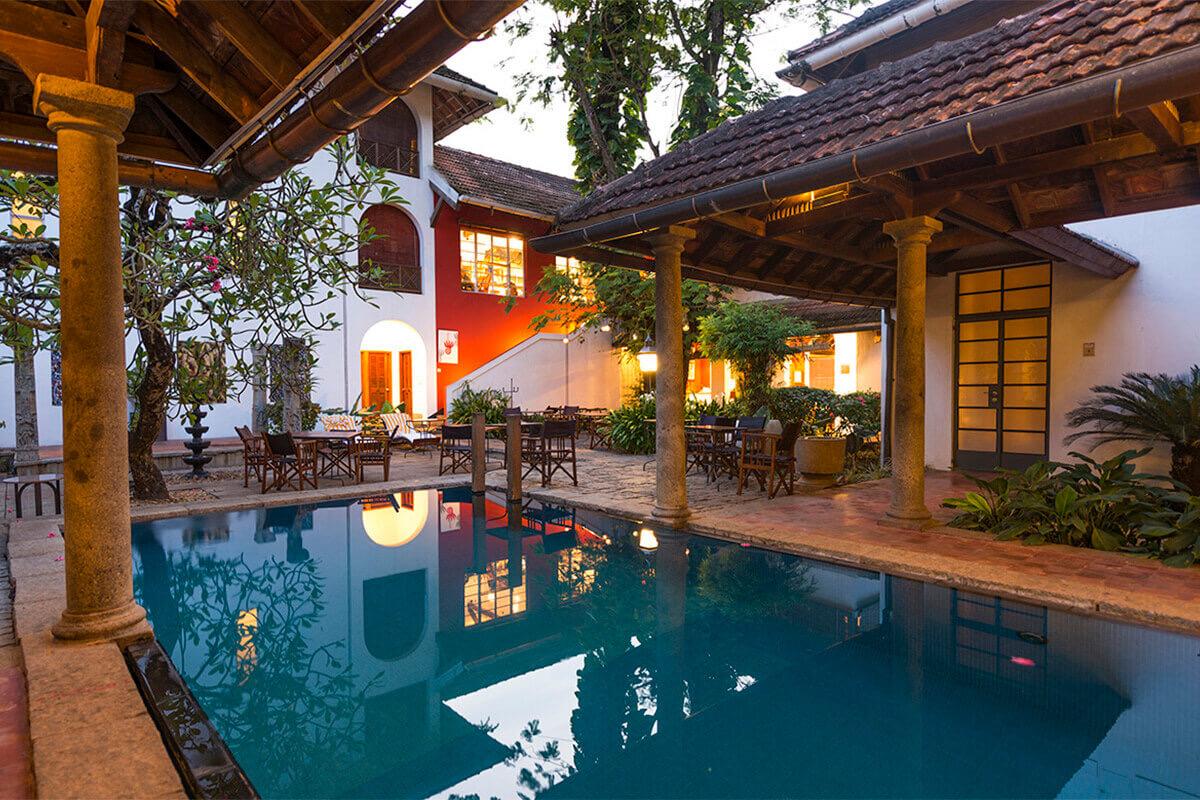
Two eighteenth-century villas on Fort Kochi's Parade Road, built round a courtyard where a pink frangipani hangs over the pool and, some evenings, Carnatic music comes with dinner.